Introduction: Essential Oils and Washing Machines
Many people like adding essential oils to laundry. They hope to get natural scents and cleaning effects. But a key question is: do essential oils damage washing machines? This article dives deep into this topic. It covers how essential oils affect machine parts, safe use tips. And care advice. For a detailed guide on cleaning your washing machine, visit how to clean whirlpool washing machine. This resource offers practical machine maintenance steps.
Understanding how essential oils interact with washing machine parts like the drum, rubber gasket. And seals is important. This helps avoid damage and keeps your machine working well for years.
Essential Oils’ Impact on Washing Machine Parts
Essential oils can be strong. They contain chemicals that might harm washing machine parts. The drum is usually metal or plastic and is less likely to be damaged. But parts like the rubber gasket and seals are more sensitive. Oils can cause rubber to crack or weaken over time.
The detergent compartment and fabric softener dispenser can also get sticky residue from essential oils. This residue buildup can clog the pump system and filters. If the pump clogs, the machine may not drain water well. This could lead to mold growth and bad smells inside the machine.
Using essential oils without dilution raises the risk of buildup issues. Industry consensus indicates that oils must be diluted and used sparingly to avoid negative effects on appliance maintenance and machine lifespan.
For more on how the washing machine drum works, see whats the washing machine drum. This helps understand where essential oils might flow and settle.
Safe Usage of Essential Oils in Laundry
To protect your machine, always dilute essential oils before use. A common method is mixing a few drops of essential oil with water or a carrier like vinegar. Avoid pouring pure oils directly into the detergent compartment or on rubber seals. Instead, add diluted oils to the fabric softener dispenser or use a cloth to carry the scent.
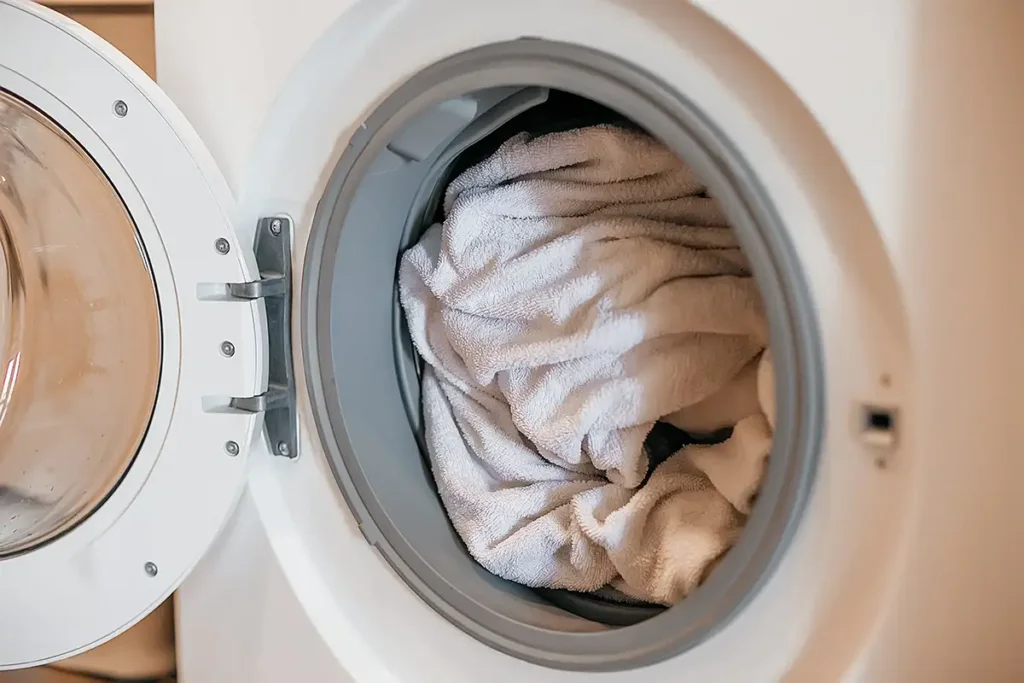
Experts advise low essential oil concentration laundry use. This reduces the chance of residue buildup and rubber gasket damage. Also, run regular maintenance cycles to clean the machine and remove any leftover oil residue.
Below is a checklist for essential oil safe usage:
- ✅ Always dilute essential oils before use.
- ✅ Use few drops per load.
- ✅ Add oils to fabric softener, not detergent slot.
- ✅ Run cleaning cycles monthly.
- ✅ Check your washing machine manual for warnings.
Potential Washing Machine Damage from Essential Oils
Essential oils can cause washing machine damage if used wrongly. The rubber gasket, seals. And hoses are vulnerable. Oils may dry and crack these parts, leading to leaks. Residue buildup also harms the pump system, causing clogs and poor drainage.
Damage to seals and hoses can shorten a washing machine’s lifespan. This leads to costly repairs or early replacement. Some manufacturers warn that using undiluted essential oils may void the washing machine warranty. Always check the warranty terms and your washing machine manual before use.
Benefits of Essential Oils in Laundry
Despite risks, essential oils offer benefits for laundry. They add natural laundry scents without harsh chemicals. Oils like lavender and eucalyptus help in washing machine odor removal and mold prevention. Using essential oils can reduce the need for chemical detergents or fabric softeners, which some people prefer for fabric care.
Natural cleaning agents in essential oils may boost washing effects, especially for light odors and freshening clothes. But balance is key. Use essential oils wisely to enjoy benefits without harming your washing machine.
For a deeper understanding of this mechanic, analyzing resources on essential oils and laundry detergent provides excellent foundational context.
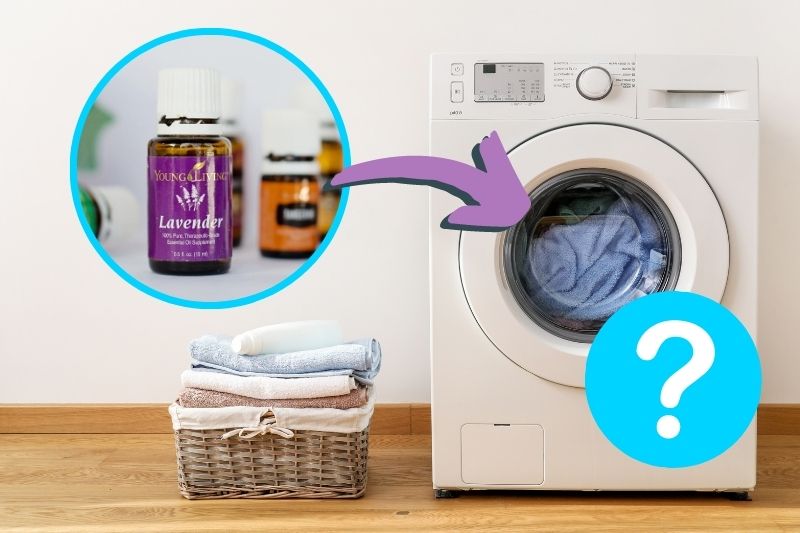
How to Maintain Your Washing Machine When Using Essential Oils
Good washing machine appliance care helps avoid damage from essential oils. Run regular cleaning cycles with vinegar or commercial washing machine cleaners. Clean the detergent compartment, seals. And hoses often to remove residue buildup.
Check and clean filters and pump systems regularly to stop clogging. Avoid overusing essential oils to limit buildup issues. Also, air dry the rubber gasket after each wash to prevent mold growth. Proper maintenance extends your machine’s lifespan and keeps it odor-free.
Below is a numbered guide for washing machine care with essential oil use:
- Run a cleaning cycle monthly.
- Wipe rubber gasket and seals dry after use.
- Inspect and clean detergent compartments.
- Check filters and pump for blockages.
- Use essential oils in low concentration only.
Comparison: Essential Oils vs. Chemical Detergents
Understanding the pros and cons of essential oils and chemical detergents helps decide what’s best for your laundry and washing machine.
| Feature | Essential Oils | Chemical Detergents |
|---|---|---|
| Cleaning Power | Moderate, best for light odors | Strong, removes tough stains |
| Machine Safety | Risk of residue if misused | Designed for machines, less risk |
| Fabric Care | Gentle, natural scents | May contain harsh chemicals |
| Odor Removal | Effective with proper use | Very effective |
| Environmental Impact | More eco-friendly | Varies, some chemicals harmful |
Choosing the right option depends on your priorities. Essential oils suit those seeking natural laundry scents and mild cleaning. Chemical detergents work better for heavy cleaning but may affect fabric and environment.
Signs Your Washing Machine May Be Damaged by Essential Oils
Look out for warning signs of washing machine damage linked to essential oils. These include:

- Cracked or hardened rubber gasket
- Leaks around seals or hoses
- Slow draining or pump noises
- Sticky residue in detergent or fabric softener compartments
- Musty or oily odors inside the drum
If you notice any of these, stop using essential oils and clean your machine thoroughly. Consider professional appliance maintenance if damage is severe.
Conclusion
Essential oils can add fresh, natural scents to laundry. They also help prevent mold and reduce chemical use. But they must be used carefully. Undiluted oils can cause residue buildup, damage rubber seals. And clog pumps. This may shorten your washing machine’s life or void warranties.
Always dilute essential oils, use low amounts. And avoid pouring directly onto sensitive parts. Regular maintenance like cleaning seals, filters. And running cleaning cycles is key. This care balances the benefits of essential oils with washing machine appliance care.
For practical advice on cleaning your machine’s parts after essential oil use, see how to clean detergent dispenser in washing machine. This guide helps keep your machine fresh and in good shape.
Use essential oils wisely to enjoy natural laundry scents without risking washing machine damage in 2026 and beyond. 🚀
Frequently Asked Questions
Can essential oils cause washing machine damage?
Yes, if used without proper dilution, essential oils may harm washing machine parts like rubber gaskets and seals.
How can I safely use essential oils in laundry?
Dilute essential oils well and avoid pouring them directly into the detergent compartment or on rubber parts.
Do essential oils leave residue in the washing machine?
Improper use can cause essential oil residue buildup, which may clog filters and affect washing performance.
Will using essential oils void my washing machine warranty?
Some manufacturers warn that damage from essential oils may void warranties, so check your washing machine manual.
Are essential oils effective for washing machine odor removal?
Yes, when used correctly, essential oils can help reduce mold growth and add natural laundry scents without harsh chemicals.

Michael Peterson is a home appliance writer focused on practical washing machine care, maintenance, and troubleshooting. He shares simple, reliable tips to help readers keep their washing machines running efficiently, avoid common problems, and extend appliance life.