Understanding the Washing Machine Pre Wash Cycle
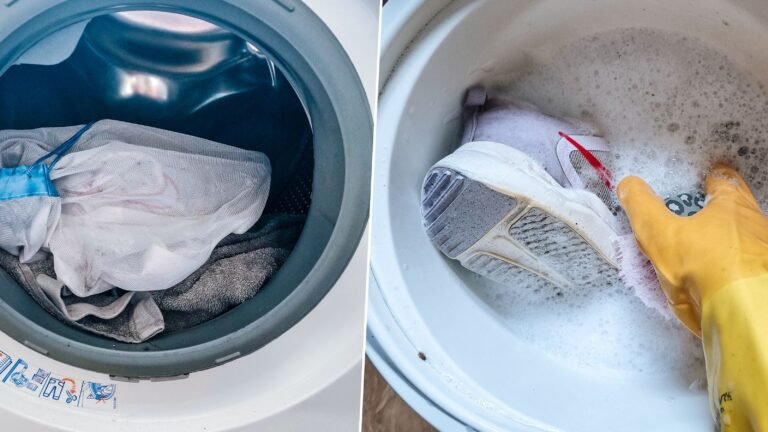
The pre wash cycle is a special program in washing machines designed to clean clothes before the main wash. It helps to loosen and remove dirt, grime, and stains from fabrics. This is very useful for heavily soiled laundry or tough stains that need extra care.
Modern washing machines have smart machine sensors that adjust the water level and time for the pre wash function. This improves washing efficiency and reduces waste.
For a deeper understanding of this mechanic, analyzing resources on washing machine prewash cycle explained provides excellent foundational context.
Pre Wash Function Benefits
Using the pre wash function gives several advantages. First, it helps to remove heavy dirt before the main wash. This means the main wash can clean better and protect your clothes from harsh treatment.
It also improves stain removal by soaking and agitating clothes with detergent to break down dirt particles. This is especially helpful for mud, grease, or food stains.
Another benefit is reduced allergies. Pre washing can help remove allergens and bacteria, making clothes safer for sensitive skin.
How to Use Pre Wash in Your Washing Machine
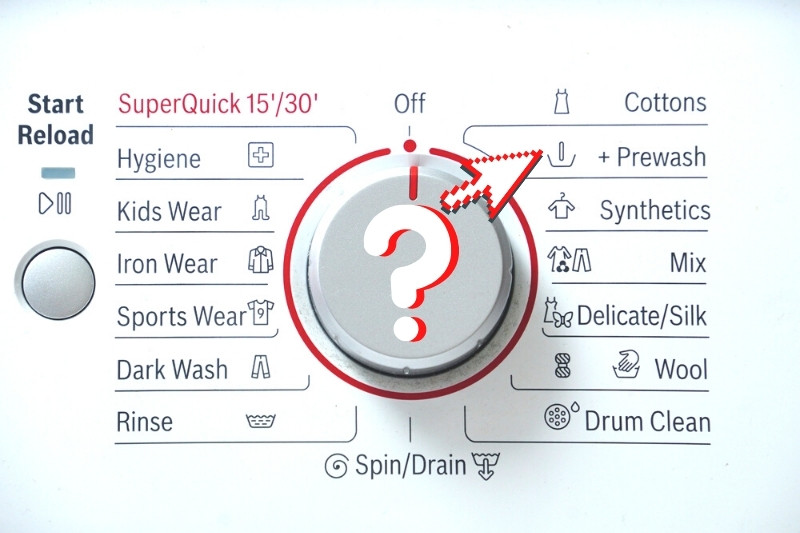
Selecting the pre wash option depends on your washing machine model. Usually, it is a separate button or setting on the control panel.
Start by adding detergent specifically made for pre wash cycles. These detergents work well at low temperatures and help loosen stains without damaging fabrics.
Load your machine with heavily soiled clothes. Set the pre wash cycle first, then continue with the main wash program. The machine will run the pre wash before the main wash automatically.
Pre Wash vs Soak Cycle: What’s the Difference?
Some machines offer both pre wash and soak cycles. While they seem similar, they serve different purposes.
Pre wash uses water and detergent with gentle agitation to remove dirt. Soak means keeping clothes in water for a set time to soften the stains but without active washing.
Choosing between them depends on your load type. For tough stains, pre wash is better. For lightly stained clothes, soaking may suffice.
Pre Wash Setting in Washing Machines
The pre wash setting varies by model and load type. For front load machines, pre wash often uses more water and a longer duration than top load pre wash cycles.
Many models let you adjust the pre wash time duration and water temperature. Higher temperatures help remove grease but can fade colors faster.
Check your machine manual to optimize settings for fabric type and stain level. This ensures better cleaning with less wear on clothes.
Choosing Detergent for Pre Wash
Not all detergents work well for pre wash cycles. Use detergents labeled for pre wash or heavy stain removal. These break down dirt quickly in cold or warm water.
Adding detergent at the pre wash stage is important. It activates the cleaning process before the main wash. Avoid using too much detergent to save water and energy.
How Pre Wash Enhances Stain Removal
Pre wash loosens dirt particles deeply embedded in fabric fibers. This reduces the need for harsh chemicals later. It also prevents stains from setting during the wash.
For heavy stains, combining pre wash with stain removers or spot treatments improves results. Pre wash softens the fabric and prepares stains for easier removal in the main wash.
| Stain Type | Pre Wash Benefit | Recommended Water Temp |
|---|---|---|
| Grease/Oil | Breaks down oils and dirt | Warm (40°C) |
| Mud | Loosens dried soil | Cold to Warm (20-30°C) |
| Food | Prevents stain setting | Warm (30-40°C) |
| Blood | Softens protein stains | Cold (Below 30°C) |
Using the right temperature and detergent in pre wash improves washing efficiency and fabric care.
Pre Wash Time Duration and Energy Use
Pre wash cycles vary in length, usually between 10 to 30 minutes. Longer pre wash times help with heavy dirt but increase energy and water use.
Modern machines use sensors to adjust the pre wash time based on load size and dirt level. This saves energy while maintaining cleaning power.
Keep in mind, using pre wash adds to overall washing time but can reduce the need for rewashing or extra stain treatment.
Pre Wash Impact on Fabrics and Machine Care
Pre wash is generally gentle on fabrics if used correctly. Lower water temperatures and shorter times reduce wear and color fading.
Using pre wash also helps keep your machine clean. It prevents buildup of dirt and detergent inside the drum. This supports machine longevity and performance.
For extra machine care, periodically run a cleaning cycle to remove residues. Learn more about how to clean and deodorize washing machine for best practices.
Front Load Pre Wash vs Top Load Pre Wash Cycle
Front load machines use a tumbling action and often have longer pre wash cycles with lower water levels. This saves water while cleaning well.
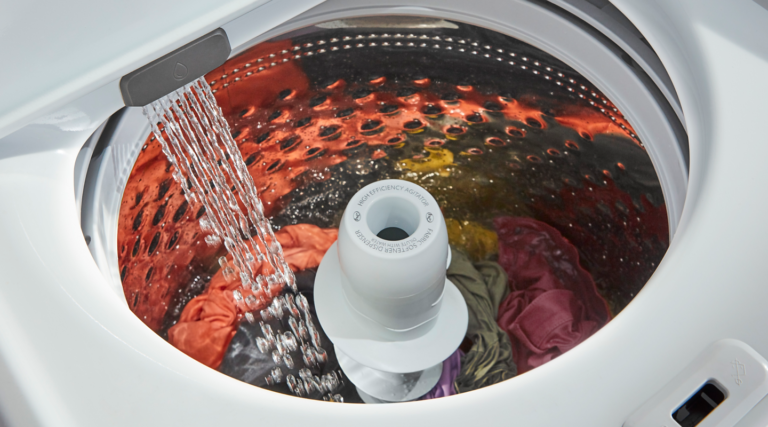
Top load pre wash cycles usually fill the drum more and use an agitator to loosen dirt. They may have shorter pre wash times but use more water.
Choosing the right pre wash depends on your machine type and load needs.
| Feature | Front Load Pre Wash | Top Load Pre Wash |
|---|---|---|
| Water Use | Lower | Higher |
| Cycle Duration | Longer | Shorter |
| Cleaning Action | Tumble | Agitate |
| Energy Consumption | Lower | Higher |
When to Select the Pre Wash Option
Use pre wash for heavy stains, such as mud, grease, or food spills. It is also helpful for very dirty work clothes or sports gear.
Avoid using pre wash for lightly soiled or delicate clothes to save water and energy. For everyday loads, the main wash is enough for cleaning.
Check your machine’s soil level or dirt sensor settings to decide if pre wash is needed.
Conclusion: Making the Most of Your Washing Machine’s Pre Wash
The pre wash cycle is a valuable stage in washing machine programs. It gives extra cleaning power by loosening dirt and stains before the main wash.
Using pre wash with the right detergent, water temperature, and cycle settings helps keep clothes cleaner and extends fabric life. It also supports better machine care by reducing residue buildup.
Remember to select pre wash only when needed for heavy stains or very dirty loads. This balances cleaning quality with water and energy use.
For more tips on washing machine care and stain removal, explore our guide on effective washing machine cleaning.
Frequently Asked Questions
What is the purpose of the pre wash cycle in a washing machine?
The pre wash cycle helps to loosen dirt and stains by soaking clothes before the main wash. This improves cleaning results, especially for heavy stains.
How is pre wash different from the soak cycle?
Pre wash involves washing with detergent and water to remove loose dirt, while soak typically means soaking clothes in water alone to soften stains before washing.
When should I select the pre wash setting?
Use the pre wash option for heavily soiled clothes or when dealing with tough stains to improve washing efficiency.
Does the pre wash cycle use more water and energy?
Yes, pre wash adds extra water and energy use, but modern machines balance this with efficient sensors and shorter durations.
Can pre wash damage delicate fabrics?
Pre wash uses gentler settings and lower water temperatures to protect fabrics, but it is best avoided for very delicate clothes.

Michael Peterson is a home appliance writer focused on practical washing machine care, maintenance, and troubleshooting. He shares simple, reliable tips to help readers keep their washing machines running efficiently, avoid common problems, and extend appliance life.