Understanding Washing Machine Water Usage
Washing machines use a notable amount of water in every laundry cycle. The exact water consumption depends on the type of machine, the cycle chosen. And the load size. On average, washing machine water consumption ranges from 15 to 40 gallons per wash.
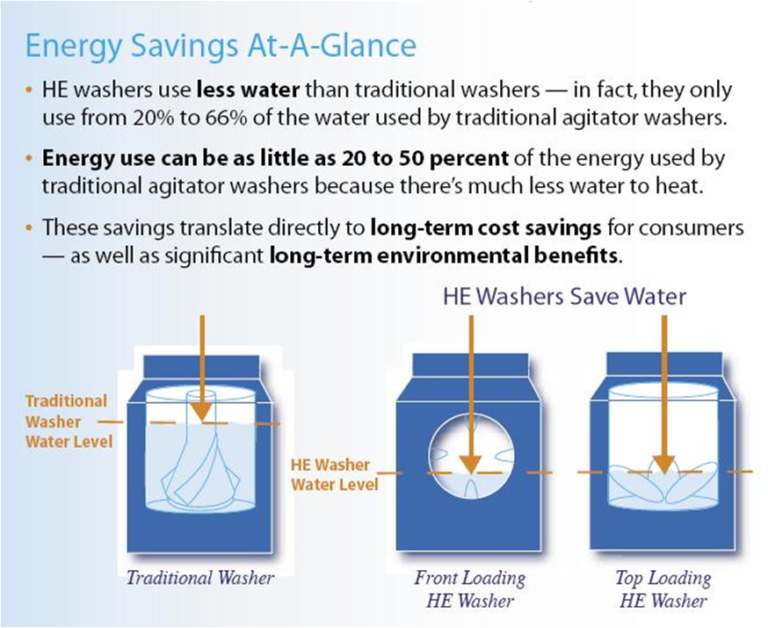
Front load washers are known for their water efficiency. They use less water compared to traditional top load washers, which fill the drum completely. Knowing these differences helps users save water and reduce bills.
If you’re curious about how much water your washer uses or want to reduce water usage, understanding these basics is essential. For a deeper understanding of this mechanic, analyzing resources on washing machine water usage provides excellent foundational context.
It’s also useful to learn what is the soil level in a washing machine to optimize water use based on how dirty clothes are.
Front Load vs Top Load Water Use
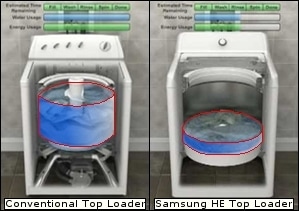
Front load washers are designed to use less water by tumbling clothes through a small amount of water. They typically use 10 to 20 gallons per cycle. In contrast, traditional top load washers use an agitator to move clothes in a tub filled with water. These machines often use 30 to 40 gallons per cycle.
The water savings in front load washers come from their efficient design and advanced technology. High efficiency (HE) washers are usually front loaders and use sensors to adjust water levels. This helps reduce water waste and energy use.
Choosing between front load and top load washers should consider water use, energy efficiency. And cleaning needs. Front loaders generally offer better water efficiency but may cost more upfront.
Also, check out how to clean front loader washing machine rubber seal to keep your front load washer running efficiently and odor-free.

| Washer Type | Water Use per Cycle (Gallons) | Energy Star Rating |
|---|---|---|
| Front Load (HE) | 10-20 | Usually High |
| Top Load (Traditional) | 30-40 | Low to Moderate |
| Top Load (HE) | 15-25 | High |
In 2026, new standards push washers to be even more efficient. Energy Star washing machines must meet strict water and energy use limits. This benefits the environment and reduces household water bills.
Water saving washing machines use smart sensors to read load size and soil level. They adjust water and cycle time accordingly. This reduces typical washing machine gallons per wash without losing cleaning power.
Water Usage Per Cycle and Influencing Factors
Each washing cycle uses a set amount of water. This amount varies by cycle type, load size. And water temperature. For example, a quick wash or eco cycle uses less water than a heavy soil or bulky load cycle.
Load size is a key factor. Running a washer half full wastes water, as the machine still uses close to full cycle water. Using full loads maximizes water efficiency. Also, warm or hot water cycles use more energy but not necessarily more water.
Soil level settings let the machine adjust water. Heavily soiled clothes may need more water and time. Modern washers use sensors to detect this and add water only when needed.
Choosing the right cycle helps balance water use and cleaning. For delicate or lightly soiled clothes, eco-friendly machines use minimal water.
Learn more about how to reset a whirlpool washing machine to troubleshoot if water levels seem off.

Impact of Washing Machines on Household Water Usage
Laundry is a large part of household water consumption. On average, washing machines account for about 15-20% of indoor water use. This is significant, especially in areas facing water shortages.
Upgrading to high efficiency washers can cut water usage in laundry by up to 50%. This also reduces the water footprint of your home. Efficient washers help reduce stress on local water supplies and lower water bills.
Industrial washing machines use even more water but often have advanced water recycling systems. Homes can benefit from similar tech as it becomes affordable.
Water conservation laundry appliances are in high demand. Many brands now offer models with built-in water meters to track and control water use.
For those wanting to keep bills low, understanding your washer’s water consumption statistics is vital. You can check your meter before and after laundry to see actual water use.
| Household Activity | Average Water Use (Gallons/Day) |
|---|---|
| Washing Machine | 20-30 |
| Dishwasher | 6-10 |
| Showers | 25-50 |
| Toilet Flush | 15-20 |
Along with water, energy use affects the environment. Many washing machines now combine water efficiency with energy-saving features. This dual focus helps households save money and reduce their eco footprint.
Water Saving Tips for Laundry
Saving water in laundry is easy with a few simple steps. First, always run full loads to avoid wasting water. Second, use eco or quick wash cycles when possible. These cycles use less water and energy.
Third, choose energy star washing machines that meet strict water and energy standards. They use less water per cycle and clean clothes well. Fourth, maintain your washer by cleaning filters and seals to keep it running efficiently.
Using cold water cycles also saves energy without greatly increasing water use. Modern detergents work well in cold water, helping protect fabrics and reduce costs.
Lastly, consider upgrading to a low water consumption washer if your current machine is old. New technology offers great water savings and better washing performance.
Check out how to clean filter on electrolux washing machine for maintenance tips that keep water flow optimal.
| Tip | Benefit |
|---|---|
| Run Full Loads | Maximizes water use |
| Use Eco Cycles | Reduces water and energy |
| Maintain Your Washer | Improves efficiency |
| Use Cold Water | Saves energy |
| Choose HE Washers | Less water per cycle |
Conclusion: Managing Washing Machine Water Use in 2026
In 2026, washing machines are more water-efficient than ever. Front load and HE models use less water, saving resources and money. Understanding water usage per cycle helps users make smart choices.
Water consumption depends on washer type, cycle, load size. And soil level. Using full loads and eco cycles lowers water use. Maintaining washers ensures they stay efficient over time.
With growing focus on water conservation, choosing energy star washing machines and low water consumption washers benefits both households and the planet. Small changes in laundry habits can greatly reduce your home’s water footprint.
For more on washing machine weight and its impact on installation and performance, visit this guide on how much does a wash machine weigh. This knowledge helps plan space and water connections properly.
Taking these steps makes laundry more sustainable and cost-effective. Smart washing machine water use is a key part of modern home care and eco-friendly living.
Frequently Asked Questions
How much water does a washing machine use per cycle?
The average washing machine uses between 15 to 40 gallons of water per cycle, depending on the model and load size.
Do front load washers use less water than top load washers?
Yes, front load washers typically use 20% to 50% less water than traditional top load washers.
What is a high-efficiency washing machine?
A high-efficiency (HE) washing machine uses less water and energy, cleaning clothes effectively with reduced consumption.
Can washing machine water consumption affect water bills?
Yes, washing machines account for a significant share of household water use, so efficient models can lower water bills.
What are some tips to save water in laundry?
Use full loads, select eco or water-saving cycles, and choose energy star washing machines to reduce water use.

Michael Peterson is a home appliance writer focused on practical washing machine care, maintenance, and troubleshooting. He shares simple, reliable tips to help readers keep their washing machines running efficiently, avoid common problems, and extend appliance life.