Understanding Washing Machine Filters
Many people wonder, do washing machines have filters? The answer is yes. Most washers include a filter or lint trap to catch fabric fibers and debris. These filters help keep the washing machine drainage system clean. Without a filter, dirt and lint can clog the washing machine drain pump. This can cause water drainage problems and reduce the washing machine lifespan.
Having a clear idea about the washing machine filter function is key. These filters catch lint, small debris, and residues from clothes during the washing cycle. Regular washing machine filter cleaning ensures the machine runs smoothly and prevents damage. For a deeper understanding of this mechanic, analyzing resources on washing machine drain need trap provides excellent foundational context.
Knowing the washing machine filter location and how to maintain it can save costly repairs. Filters are found in different spots depending on the model and type of washer.
Types and Locations of Washing Machine Filters
Washing machines can have several filter types. The two main types are lint traps and pump filters. Lint traps catch fabric fibers and small debris. Pump filters protect the drain pump from clogging. The filter location varies between front load washer and top load washer models.
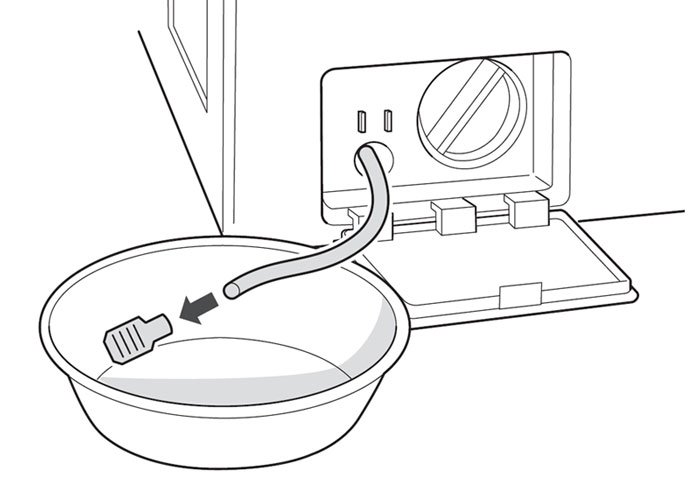
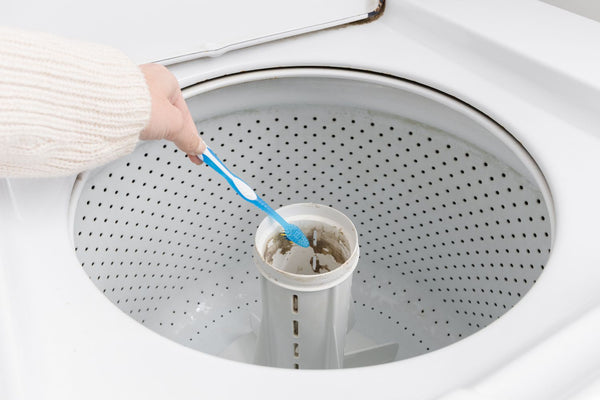
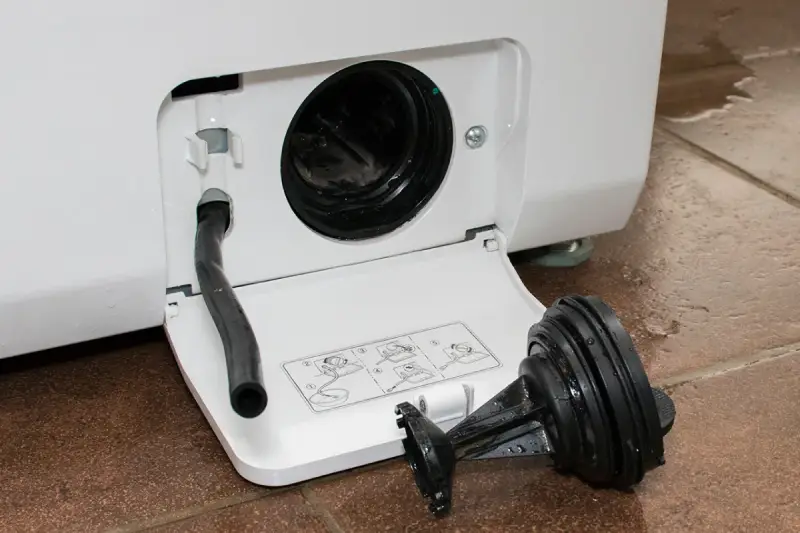
For front-load washers, the washing machine pump filter is often found behind a small door near the bottom front. Top load washers may have a filter inside the central agitator or attached to the drainage hose. Understanding filter types helps in proper maintenance and troubleshooting.
Filters may also include fabric softener filters or debris filters to trap residue and dirt. Regular inspection ensures they do not get clogged and cause issues.
Common Washing Machine Filter Types
| Filter Type | Function | Common Location |
|---|---|---|
| Lint Trap | Catches fabric fibers and lint | Inside agitator or near detergent tray |
| Pump Filter | Protects drain pump by trapping debris | Front bottom panel or behind access door |
| Drain Filter | Prevents clogging in drainage hose | Inside drain hose or pump area |
| Fabric Softener Filter | Filters residue from softener | Softener dispenser area |
Each filter type plays a special role in protecting the washing machine drainage system. Knowing these types helps users identify and clean filters correctly.
Why Filter Cleaning and Maintenance Matter
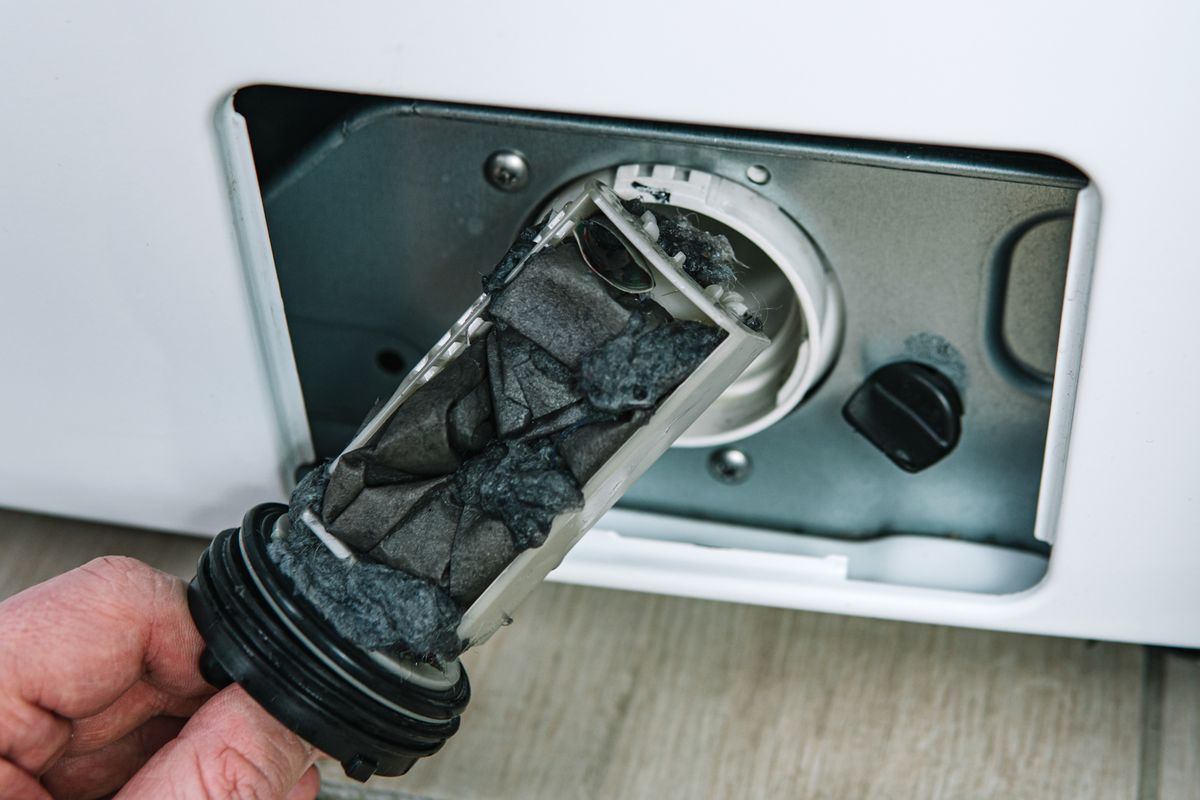
Cleaning washing machine filters is crucial. Over time, fabric fibers, dirt, and residue build up. This can block water flow and put strain on the drain pump. A clogged washing machine filter may cause water to drain slowly or not at all.
Regular filter maintenance extends the washing machine lifespan. It also helps avoid costly repairs or replacing the drain pump. Filter cleaning is a simple task that most users can do themselves. This saves time and money over the machine’s life.
Industry consensus indicates that filter cleaning every few months is best. More frequent cleaning is needed if washing heavily soiled clothes or pet bedding often. For step-by-step filter cleaning, resources like how to find and clean a washing machine filter offer excellent guidance.
Neglecting washing machine filter maintenance can lead to:
- ✅ Clogged washing machine filter blockage
- ✅ Drain pump damage
- ✅ Unpleasant odors
- ✅ Longer washing cycle times
How to Clean Washing Machine Filters
Cleaning your washing machine filter is straightforward. First, locate the filter according to your washer type. Turn off and unplug the machine. Open the filter access panel or agitator area carefully.
Remove the filter screen or lint trap. Clean off lint, fabric fibers, and debris using a soft brush or cloth. Rinse the filter under running water if needed. Make sure no debris remains in the filter housing.
Replace the filter securely before closing the panel. Run a short rinse cycle to check that water drains well. Repeat filter cleaning regularly to keep your machine running well.
🚀 Beginner Tip: Always consult your washing machine manual for specific filter cleaning instructions. Some models have unique filters or cleaning steps.
📌 Step-by-Step Guide:
- Turn off and unplug the washing machine.
- Locate the washing machine filter (front bottom or agitator).
- Open the filter cover or remove the agitator cap.
- Pull out the filter or lint trap carefully.
- Remove lint and debris by hand or with a brush.
- Rinse the filter under water if necessary.
- Check the filter housing for leftover debris.
- Replace the filter and secure the cover.
- Run a rinse cycle to confirm proper drainage.
Troubleshooting Filter Problems
Problems with water drainage or longer wash cycles may point to a clogged washing machine filter. If you notice water pooling or error codes, check the filter first. Removing and cleaning the filter often solves common issues.
In some cases, damage to the washing machine drain pump can occur if the filter is blocked too long. If cleaning does not fix the issue, consulting a repair technician is wise. They can assess the pump and other parts.
Signs of a clogged or broken filter include:
- Slow water drainage
- Water leaks near the machine base
- Unusual noises during spin
- Error codes related to drainage
When to Replace Washing Machine Filters
Filters do wear out over time. Plastic screens may crack or lose shape. Fabric softener filters can become blocked beyond cleaning. If you find damage during cleaning, replacement is best.
Washing machine filter replacement is usually simple and affordable. Check your machine’s manual for correct part numbers. Many brands sell filters as spare parts. A good filter replacement helps maintain washing machine drainage system health and overall performance.
Conclusion: Filters Are Key for Washing Machine Health
Washing machines do have filters. These include lint traps, pump filters, and fabric softener screens. They catch lint, debris, and residue during the wash cycle. Regular washing machine filter cleaning is vital to keep water draining well and prevent damage.
Knowing your washing machine filter location and cleaning methods helps avoid common problems. If filters clog, it can harm the drain pump and shorten machine lifespan. Simple maintenance like cleaning or replacing filters prolongs washer performance.
For users wanting to maintain their washing machine well, understanding and caring for filters is a smart step. For additional tips on washing machine care, see detailed advice on how to clean odor from washing machine.
Keeping filters clean ensures your washing machine runs smoothly in 2026 and beyond.
⭐ Expert Insight: Industry experts agree that filter maintenance can improve washing machine efficiency and reduce repair costs. Don’t overlook this small but critical part of your washer!
Comparison of Front Load vs Top Load Washer Filters
| Feature | Front Load Washer Filter | Top Load Washer Filter |
|---|---|---|
| Filter Location | Bottom front access panel | Inside agitator or near drain hose |
| Ease of Cleaning | Moderate, requires opening panel | Usually easier, accessible agitator cap |
| Filter Type | Pump filter and lint trap | Lint trap and debris catcher |
| Common Issues | Clogged pump filter | Lint buildup inside agitator |
This table helps users identify their filter type based on washer style. Regular cleaning suits both types to avoid issues.
Remember, keeping your washing machine filter clean is a simple task with big benefits. It helps maintain good water flow and keeps your laundry fresh.
Frequently Asked Questions
Do all washing machines come with a filter?
Most modern washing machines have some type of filter to catch lint and debris. However, the design and location of these filters vary between models.
Where is the washing machine filter located?
The location differs by brand and type. Common places include near the drain pump at the front or inside the agitator for top-load washers.
How often should I clean the washing machine filter?
Industry experts recommend cleaning the filter every 1 to 3 months depending on usage to prevent clogging and maintain performance.
What happens if the washing machine filter is clogged?
A clogged filter can cause poor water drainage, longer wash cycles, and may damage the drain pump over time.
Can I replace the washing machine filter myself?
Many filters are user-replaceable. Consult your washing machine’s manual or a repair technician to ensure correct replacement procedures.

Keith Boyd Is A Seasoned Appliance Care Expert With Over A Decade Of Experience In Home Appliance Maintenance. His Authoritative Insights On Washing Machine Care And Upkeep Are Trusted By Homeowners Nationwide. With A Passion For Educating Others, Keith Shares Valuable Tips That Ensure Your Appliances Run Smoothly For Years To Come.