Understanding Washing Machine Wattage
Washing machines use power to clean clothes. The wattage shows how much energy they need. In 2026, most home washers use between 400 and 1300 watts. This depends on the type and the washing cycle chosen. For example, a quick cold wash uses less power than a hot water cycle.
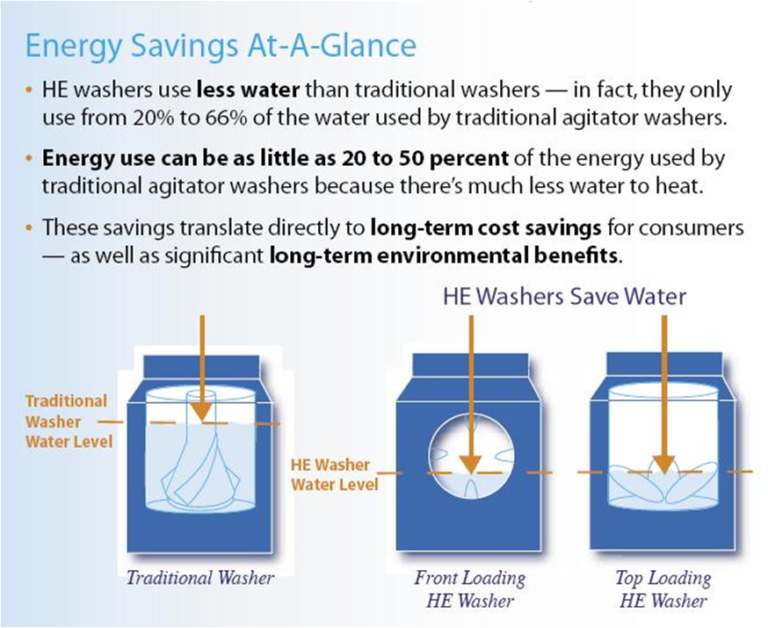
Front load washing machines often have a lower power rating than top load models. This is because front loaders use less water and have better energy-saving tech. Knowing the best ways to clean mold out of a washing machine helps keep your machine efficient and saves energy.
For a deeper understanding of this mechanic, analyzing resources on washing machine wattage and energy use provides excellent foundational context.
Average Energy Consumption and Cost
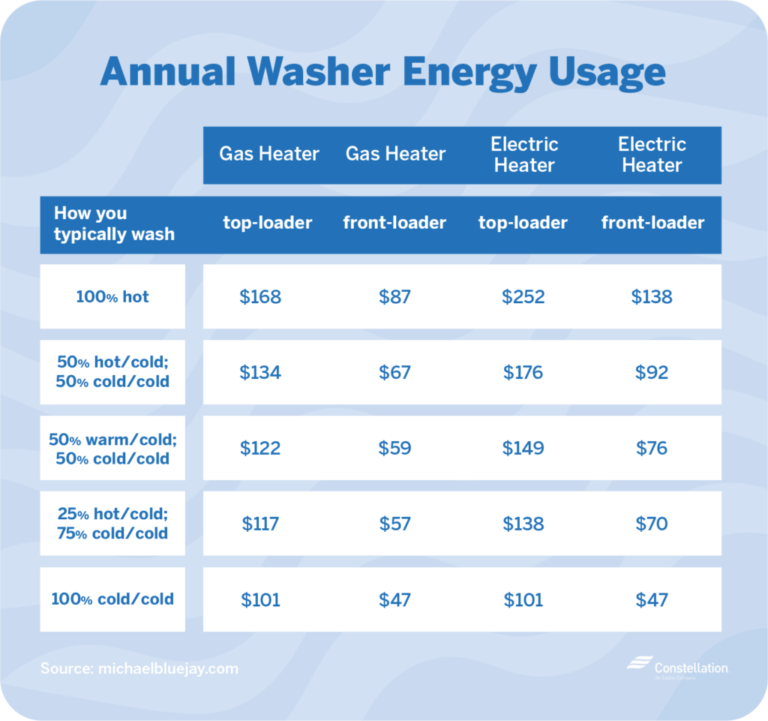
The energy use of washing machines is measured in kilowatt hours (kWh). A typical cycle uses about 0.3 to 2 kWh. This depends on cycle length, water temperature, and load size. Hot water cycles use more energy than cold ones.
Electricity cost for laundry depends on your local rates. If your rate is $0.15 per kWh, a 1 kWh cycle costs about 15 cents. Running many cycles adds up, so using energy-saving tips helps cut costs. Also, standby power can add to your bill if the machine stays plugged in but idle.
Comparing front load and top load washing machine power gives a clear picture of potential savings. Top load machines often draw more power during peak use.
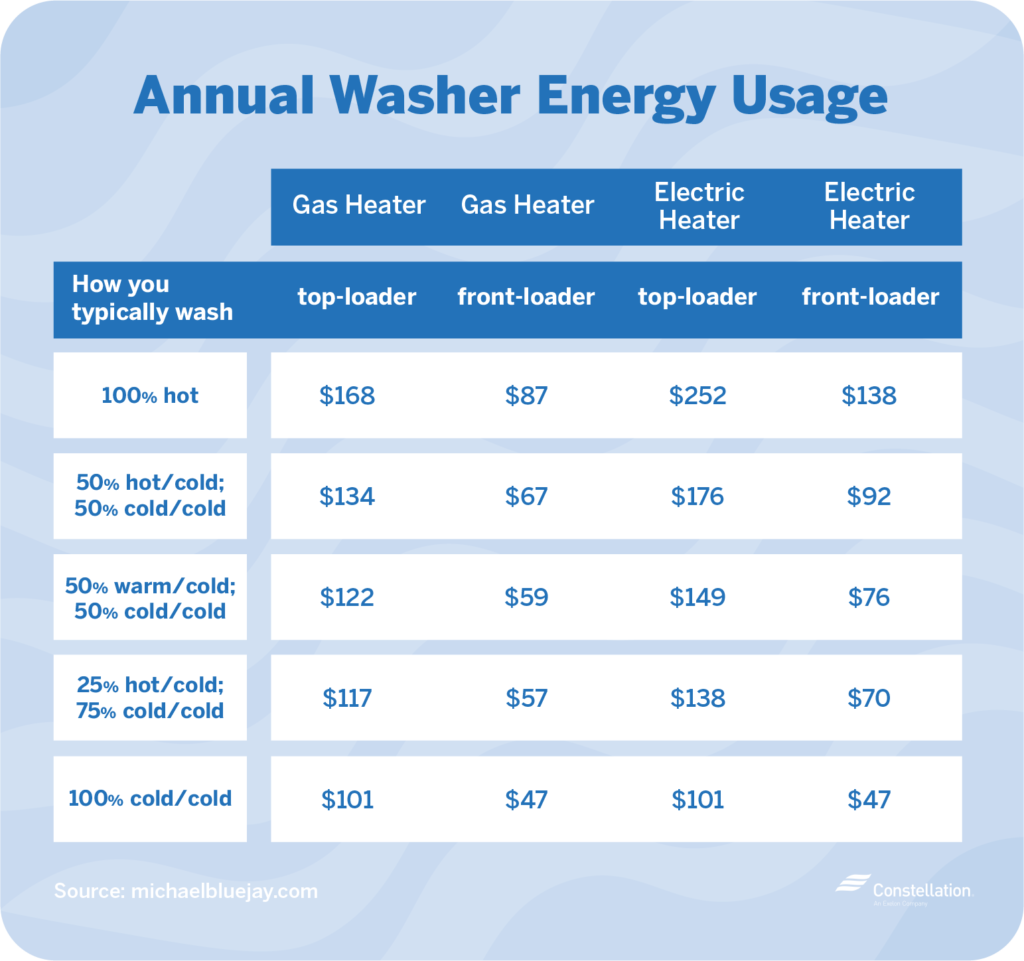
| Machine Type | Average Wattage (Watts) | Typical Cycle Energy (kWh) | Estimated Cost per Cycle ($) |
|---|---|---|---|
| Front Load | 400-800 | 0.3-1.0 | 0.05-0.15 |
| Top Load | 500-1300 | 0.5-2.0 | 0.08-0.30 |
Knowing these numbers helps plan your laundry routine better. Use full loads to get the most from each cycle. Smaller loads waste energy and water.
Factors Affecting Energy Use
Several things change how much power a washing machine uses. These include:
- ✅ Load size: Bigger loads use more energy but save more per item.
- ✅ Cycle choice: Heavy or hot cycles use more power than quick or cold ones.
- ✅ Eco mode: Many models now include eco settings to save energy.
- ✅ Standby mode: Power used when the machine is off but plugged in.
For example, washing a small load on a heavy soil cycle uses more energy than a full load on eco mode. Learning how to balance load size and cycle type can save money and energy.
Many washing machines have an energy star rating. These rate how efficient the appliance is. A higher rating means less electricity use. Choosing an Energy Star machine is a smart move for long-term savings.
Washing Machine Power Consumption Chart
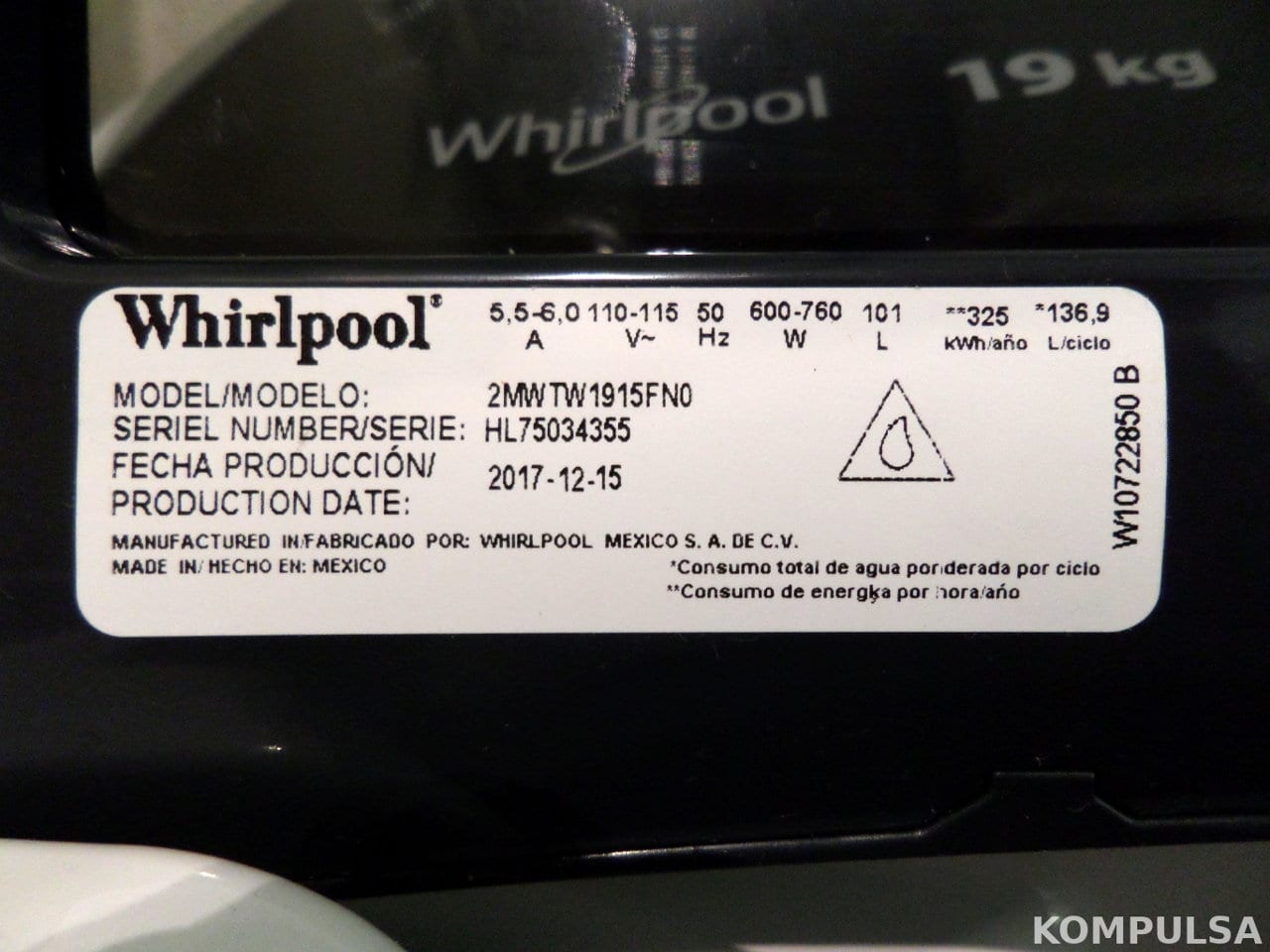
Here is a simple chart showing power use for popular washing machine types and cycle options. The wattage is the peak power during the cycle.
| Cycle Type | Front Load Watts | Top Load Watts |
|---|---|---|
| Eco Mode Cold Wash | 300-500 | 400-600 |
| Normal Warm Wash | 400-700 | 600-900 |
| Heavy Hot Wash | 700-900 | 900-1300 |
| Spin Cycle | 300-600 | 400-700 |
Peak power usage often happens during heating or spinning. Reducing hot water use lowers peak power needs. Also, modern machines limit standby power to save energy when not running.
Energy-Saving Washing Tips
To reduce your washing machine energy consumption, try these tips:
- Wash full loads to use energy well.
- Choose cold water or eco modes.
- Avoid long or heavy cycles unless needed.
- Unplug the machine when not in use to cut standby power.
- Clean your machine regularly to keep it running efficiently.
For advice on cleaning, see this guide on how to clean mold out of washing machine. Clean machines use less power and last longer.
Using a washing machine electricity calculator online can help estimate your actual costs based on your usage patterns. It can show how small changes add up.
Comparing Front Load vs Top Load Machines
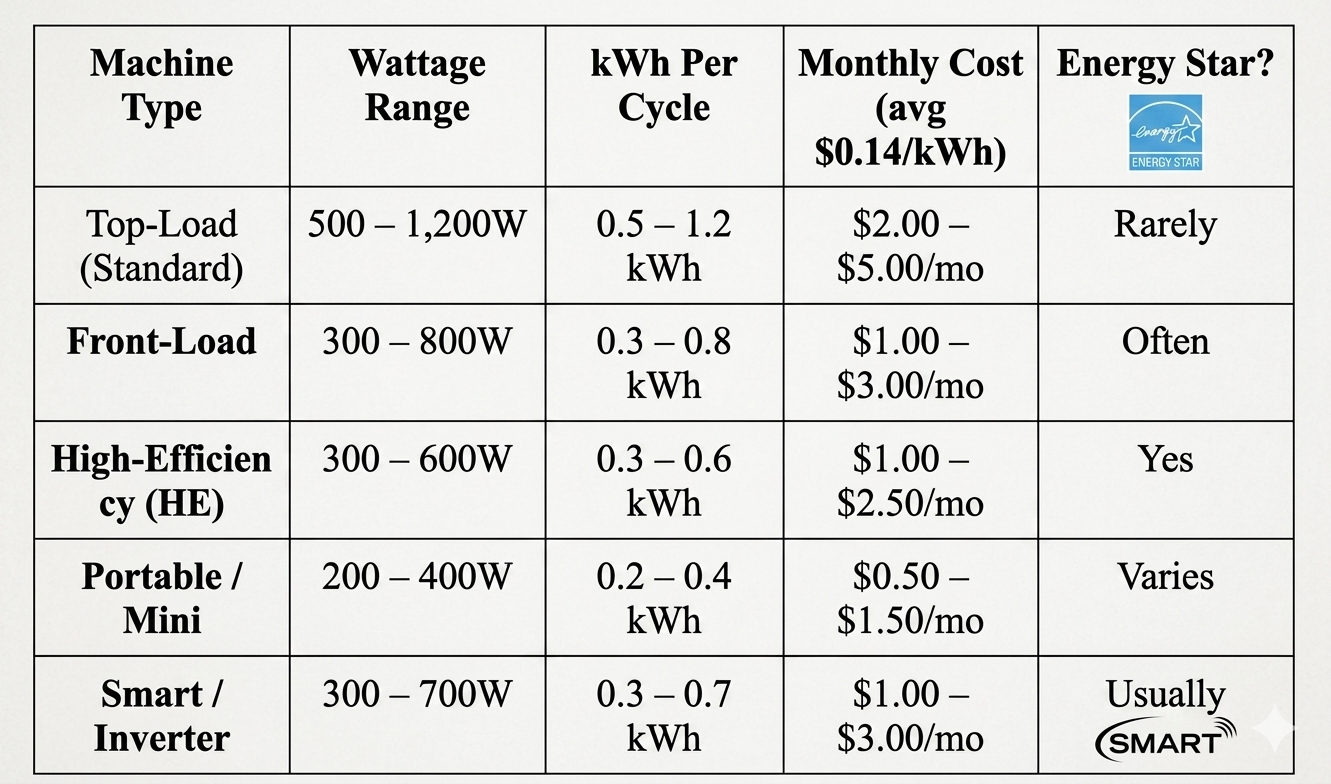
Front load washing machines usually use less energy and water. They have higher energy star ratings and are better for the environment. However, they can cost more upfront.
Top load machines may wash faster and have simpler controls. They often use more power, especially on hot or heavy cycles. Choosing the right type depends on your budget and usage habits.
| Feature | Front Load | Top Load |
|---|---|---|
| Energy Consumption | Lower | Higher |
| Water Use | Less | More |
| Cycle Time | Longer | Shorter |
| Price | Higher | Lower |
Both types have improved in energy efficiency over the years. Look for Energy Star certification and good reviews to find efficient models.
For more on keeping your machine clean and running well, check tips on how to remove smell washing machine.
Conclusion
Washing machine wattage varies by type and cycle. Front load machines tend to use less power than top load ones. Cycle choice, load size, and water temperature all affect energy use. Using eco modes and full loads can cut costs and save power.
Standby power also adds to electricity use, so unplug machines when possible. Choosing Energy Star certified washers ensures better efficiency. Regular cleaning keeps machines working well and saves energy.
By understanding power ratings and energy use, you can save money and reduce your home’s carbon footprint. Use tools like washing machine electricity calculators to track your usage and make smart choices in 2026 and beyond.
Frequently Asked Questions
What is the average wattage of a washing machine?
Most washing machines use between 400 to 1300 watts during operation, depending on the model and cycle.
Does a front load washing machine use more energy than a top load?
Front load machines usually use less water and energy than top load machines, making them more energy efficient.
How can I reduce electricity cost when using a washing machine?
Use eco mode, wash full loads, choose cold water cycles, and avoid standby power to reduce electricity costs.
What does standby power mean for washing machines?
Standby power is the energy a machine uses when plugged in but not running. It can add up if the machine is not unplugged.
Are energy star rated washing machines worth it?
Yes. Energy Star machines use less electricity and water, saving money and reducing environmental impact over time.

Michael Peterson is a home appliance writer focused on practical washing machine care, maintenance, and troubleshooting. He shares simple, reliable tips to help readers keep their washing machines running efficiently, avoid common problems, and extend appliance life.