Why Clean Your Washing Machine?
Keeping your washing machine clean is key to good hygiene. Over time, mold, mildew, and detergent buildup can cause odors. These issues affect your clothes and the machine’s lifespan. A clean machine works better and saves energy. For more on washing machine upkeep, see how to maintain your washer’s cleanliness for longer use.
Removing bad smells and buildup helps your washer run smoothly. This prevents costly repairs and keeps your laundry fresh. Using natural cleaning agents like baking soda is both safe and effective for cleaning washing machine drums and seals.
For a deeper understanding of cleaning with natural ingredients, analyzing resources on washing machine deep clean and deodorize provides excellent foundational context.
Baking Soda as a Natural Washing Machine Cleaner
Baking soda is a versatile and gentle cleaner. It breaks down detergent residue that builds up in your washer. This residue can trap dirt and cause odors. Baking soda also helps balance pH levels inside the drum to stop mold and mildew growth.
Unlike harsh chemicals, baking soda is safe for the environment. It’s free from toxins and won’t harm your machine parts. This makes it a popular household washing machine hack. Many users combine baking soda with vinegar for a natural cleaning boost.

⚖️Cons: May require repeat use for heavy buildup, slower than commercial cleaners.
For important tips on using baking soda with vinegar, check out expert advice on baking soda vinegar washing machine cleaning.
Step-by-Step Cleaning Using Baking Soda
Cleaning your washing machine with baking soda is simple. Follow these steps to freshen your washer drum and remove odors.
Regular cleaning maintains the washer’s performance and hygiene. This routine is best done every 1 to 3 months depending on use.
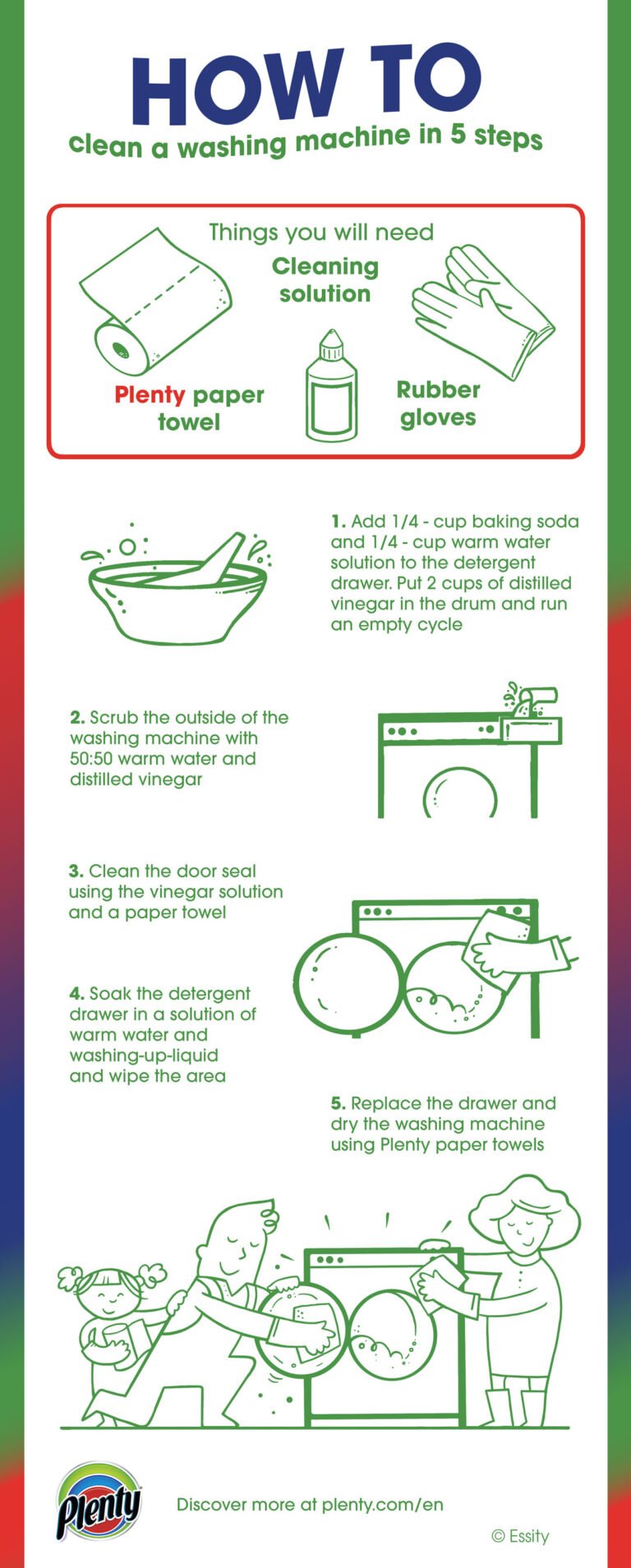
- Remove any clothes and leave the door open to air out the drum.
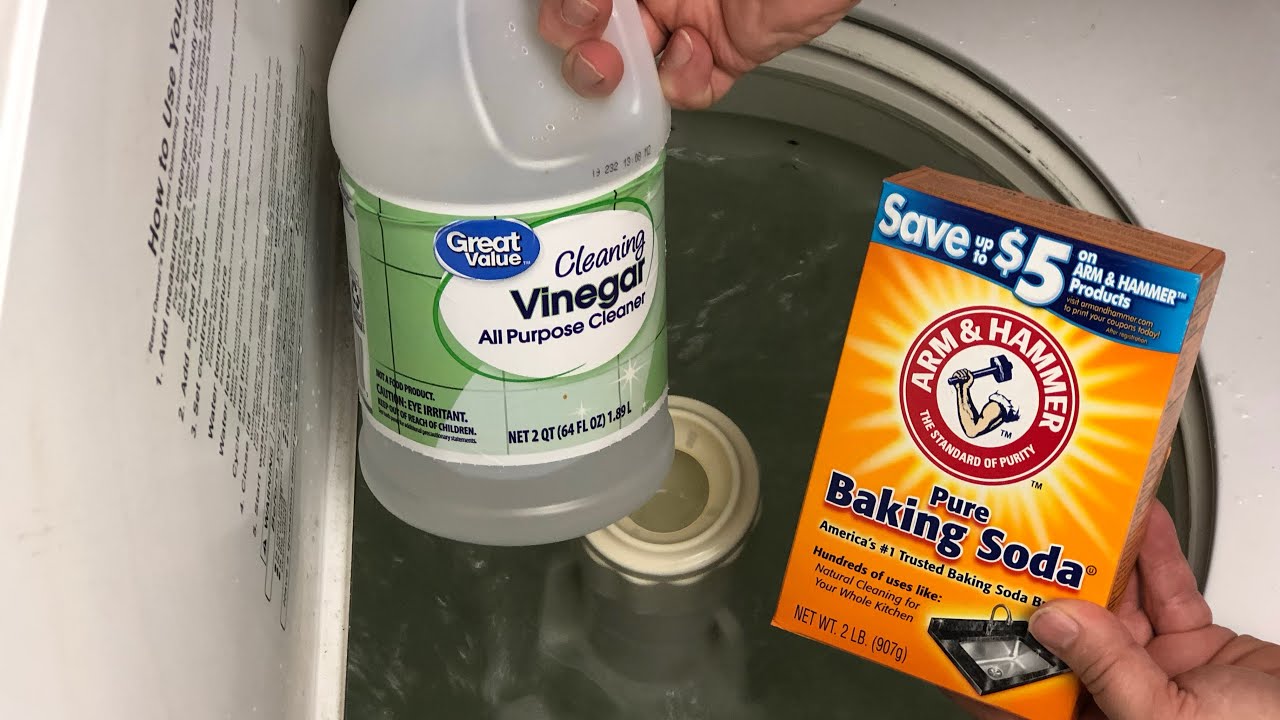
- Add 1/2 cup of baking soda directly into the drum.
- Run the washing machine on the hottest and longest cleaning cycle available.
- After the cycle finishes, wipe the inside of the drum with a clean cloth.
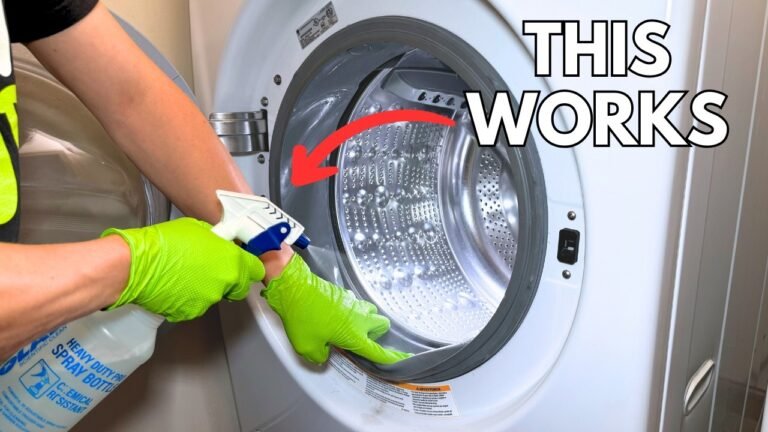
- Optional: For mold removal, spray a mixture of equal parts vinegar and water on seals, then wipe clean.
This process refreshes the drum and removes detergent buildup. It also helps get rid of washing machine odor. The rinse cycle flushes out grime and leftover cleaning agents.
For detailed guides on cleaning different washer types, visit how to clean the washing machine top loader.
Cleaning the Washing Machine Drum and Seals
The drum and seals are common spots for mold and mildew. Front-load washers especially trap moisture in their rubber seals. Cleaning these parts is critical for hygiene.
Use a cloth dipped in a mix of baking soda and water to scrub the drum surface lightly. For seals, a vinegar solution helps break down mold safely. Avoid harsh scrubbing to protect seals from damage.
| Cleaning Area | Recommended Cleaner | Tips |
|---|---|---|
| Drum | Baking Soda Paste | Apply paste, scrub gently, run rinse cycle |
| Rubber Seals | Vinegar Solution | Spray, let sit 10 mins, wipe dry |
| Detergent Drawer | Warm Water & Soap | Remove, soak, scrub, dry before replacing |
Cleaning the detergent drawer is also important to prevent buildup. Regular maintenance keeps your entire washing machine fresh and odorless.
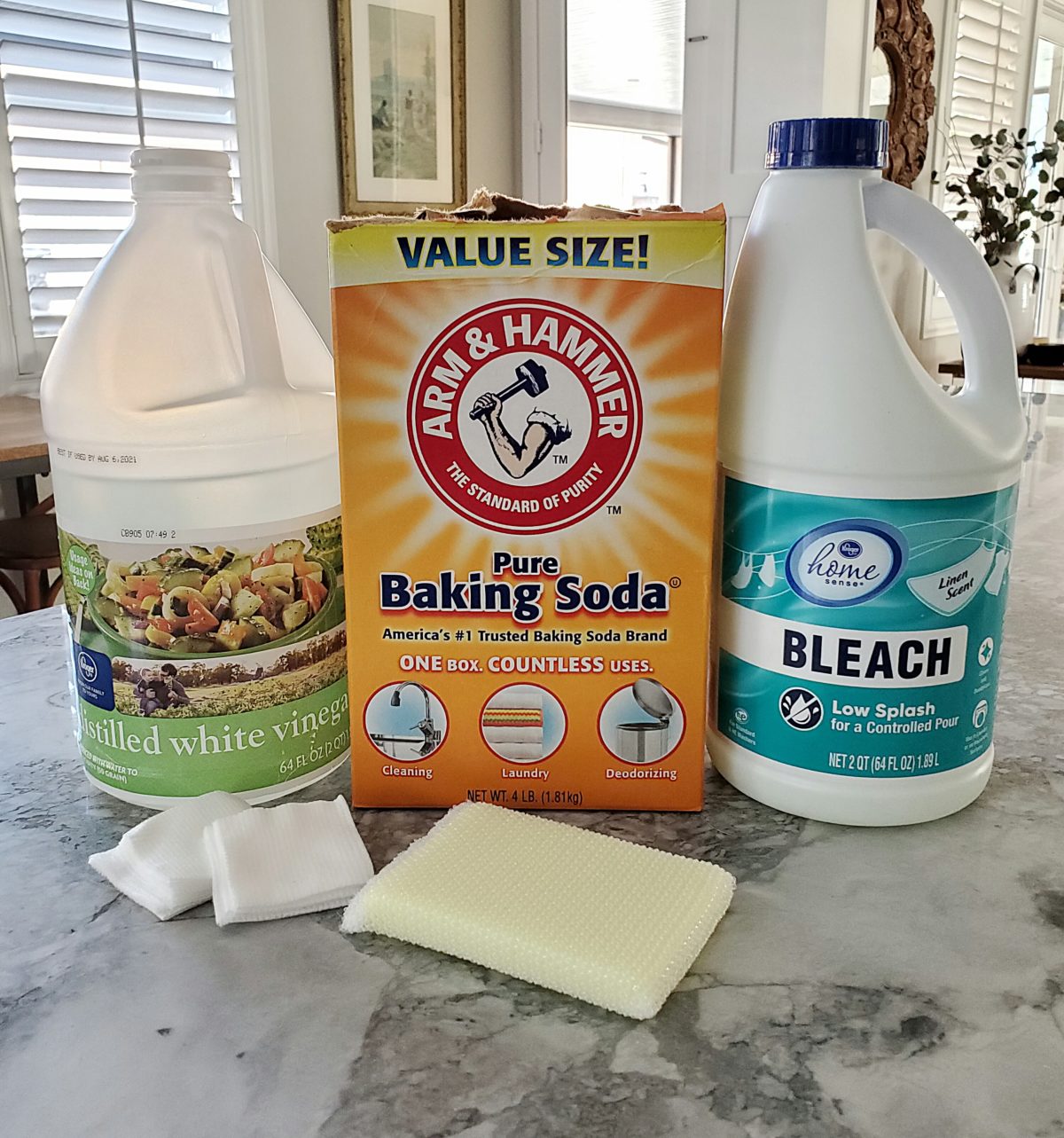
These techniques align with recommended clean washing machine mold removal practices.
Washing Machine Maintenance and Cleaning Frequency
Experts agree that frequent cleaning is key to washing machine hygiene. A cleaning schedule prevents mold, odors, and detergent residue from building up.
For most households, deep cleaning the washer every 1 to 3 months works well. If your machine is used heavily or smells, clean more often. Also, leave the door open after use to air out moisture.
✅ Use natural cleaning agents to avoid damage.
✅ Run rinse cycle after every deep clean.
✅ Wipe drum and seals dry after cleaning.
Proper maintenance extends the washing machine lifespan and improves laundry quality. Using eco-friendly cleaners like baking soda reduces your environmental impact.
Conclusion
Cleaning your washing machine with baking soda is a safe and effective way to remove odors, mold, and detergent buildup. This natural method supports washing machine hygiene and maintenance. Following a regular cleaning routine improves machine lifespan and laundry freshness.
For more on caring for your washing machine and laundry, explore tips on cleaning rugs in your washer to optimize all your home laundry tasks.
By adopting these household washing machine hacks, you guarantee your washer stays clean, fresh, and efficient in 2026 and beyond.
Frequently Asked Questions
Why use baking soda to clean a washing machine?
Baking soda helps break down detergent residue and neutralizes odors naturally without harsh chemicals.
How often should I clean my washing machine with baking soda?
Industry experts recommend cleaning your machine every 1 to 3 months to maintain hygiene and performance.
Can baking soda remove mold from the washing machine drum?
Yes, baking soda combined with vinegar can help remove mold and mildew from the drum and seals effectively.
Is it safe to use baking soda on front-load and top-load washers?
Baking soda is safe for both types of washers and is gentle on all machine parts, including seals and drums.
Do I need to use commercial washing machine cleaners with baking soda?
Baking soda is a natural cleaner alternative, but commercial cleaners can be used occasionally for deep cleaning.

Keith Boyd Is A Seasoned Appliance Care Expert With Over A Decade Of Experience In Home Appliance Maintenance. His Authoritative Insights On Washing Machine Care And Upkeep Are Trusted By Homeowners Nationwide. With A Passion For Educating Others, Keith Shares Valuable Tips That Ensure Your Appliances Run Smoothly For Years To Come.