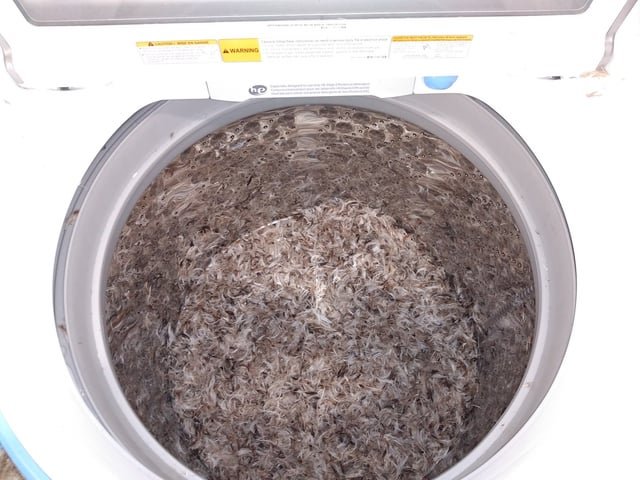
Introduction to Washing Machine Filters
Many people ask, do washing machines have filters? The answer is yes, but not all machines filter the same way. Filters help catch lint, fibers, and dirt. They stop these from blocking water flow or damaging parts. Understanding washers’ filters helps you keep your machine working well.
Washing machines come with different filter types. Some have lint filters, others use pump filters, and some models include water inlet filters. Knowing the filter location and function is key for good washer maintenance. For those curious about machine care, checking resources on washing machine filter types offers helpful insights.
Maintenance of the washer lint trap is crucial. Without regular cleaning, the filter clogs, causing poor draining and potential damages. This article explores why all washers should have filters and how to care for them.
Types of Washing Machine Filters
Washing machines use several filter types to keep the system clean. The main ones include lint filters, pump filters, and water inlet filters. Each plays a part in catching different debris during wash cycles.
Lint filters catch clothes fibers and detergent residues that shed during washing. Pump filters trap larger debris before water drains out, protecting the pump from blockage. Water inlet filters stop dirt and sediment from entering the machine through the water supply.
Not every machine has all these filters, but most modern models include at least one. Knowing the differences makes it easier to maintain your washer and avoid costly repairs.
For a deeper understanding of this mechanic, analyzing resources on washing machines have filters provides excellent foundational context.
Below is a table summarizing common filter types and their roles.
| Filter Type | Location | Function |
|---|---|---|
| Lint Filter | Inside washer drum or agitator | Traps fabric fibers and lint |
| Pump Filter | Near drain pump | Prevents debris clogging pump |
| Water Inlet Filter | At water supply hose | Blocks sediment from water supply |
Regularly cleaning all filters ensures clear water flow and protects washing machine parts from damage. Neglect can reduce washer lifespan and cause poor wash results.
Filter Location and Access
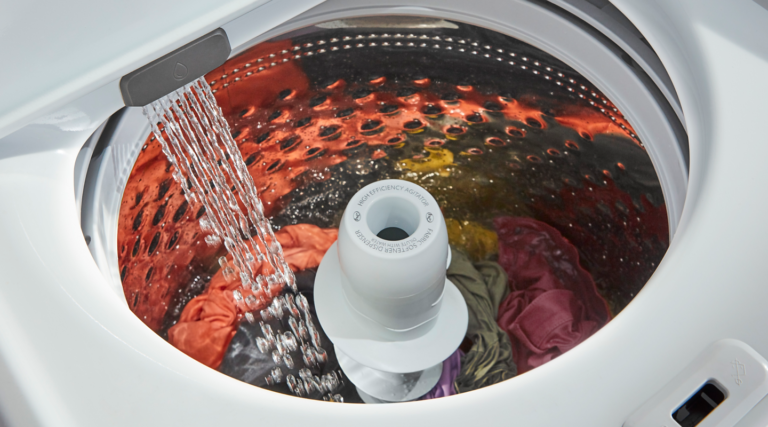
Knowing your washing machine filter location is essential for maintenance. Most front loaders have a pump filter behind a small door at the bottom front. Top loaders may have lint filters inside the drum or built into the agitator.
Water inlet filters sit where the water hose connects to the machine. These are less visible but just as important to check. Easy access makes cleaning more straightforward.
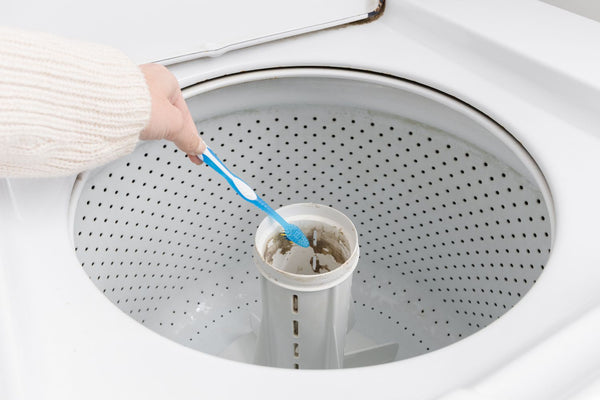
Some machines combine filters, while others have multiple points to trap lint and debris. Clear instructions from the manufacturer help find and clean these parts safely.
Consulting a washer filter location guide can be very helpful for identifying your model’s filter spots.
Why Washing Machine Filtration is Important
Filters in washing machines help keep the machine clean and working well. They catch fibers, dirt, and detergent residues that can harm the pump or clog pipes. This protects the washer’s drain system and pump from damage.
Without filters, debris builds up and blocks water drainage. This can cause leaks, poor washing, and even stop the machine from spinning. Filter maintenance improves washer performance and extends its lifespan.
Experts agree that regular filter cleaning prevents costly repairs. It also keeps your clothes cleaner and reduces odor issues inside the washer.
Here is a quick checklist to help you keep your washer filters clean:
- ✅ Locate all filters on your washer
- ✅ Check filters every 1 to 3 months
- ✅ Remove lint and debris carefully
- ✅ Flush water inlet filters if possible
- ✅ Replace damaged filters promptly
Following this routine maintains good water flow and prevents blockages that harm the machine.
Step-by-Step Guide to Washer Pump Filter Cleaning
Cleaning the washer pump filter is a simple task but vital to keep your machine running smoothly. Follow these steps to clean this filter safely:
- Turn off and unplug the washing machine.
- Locate the pump filter door, usually at the bottom front.
- Place a towel or container to catch water that may spill.
- Open the filter door carefully.
- Turn the filter knob counterclockwise to remove it.
- Remove lint, debris, and any objects inside.
- Rinse the filter under running water.
- Replace the filter and close the door securely.
- Plug in and run a short cycle to check for leaks.
Repeat this cleaning every few months or when you notice slow draining or noises. Proper care helps avoid pump blockage and damage.
For a visual demonstration, watching a tutorial on cleaning your washing machine filter can be useful.
Benefits of Washing Machine Filters
Using and maintaining filters in washing machines gives many benefits. Cleaner water flow means better washing and less wear on parts. Filters catch dirt and fibers that could harm the pump or clog pipes.
Filters also reduce bad odors caused by trapped debris. They help clothes come out cleaner and can prevent costly repairs. Overall, filters improve the washing cycle’s effectiveness and protect your investment.
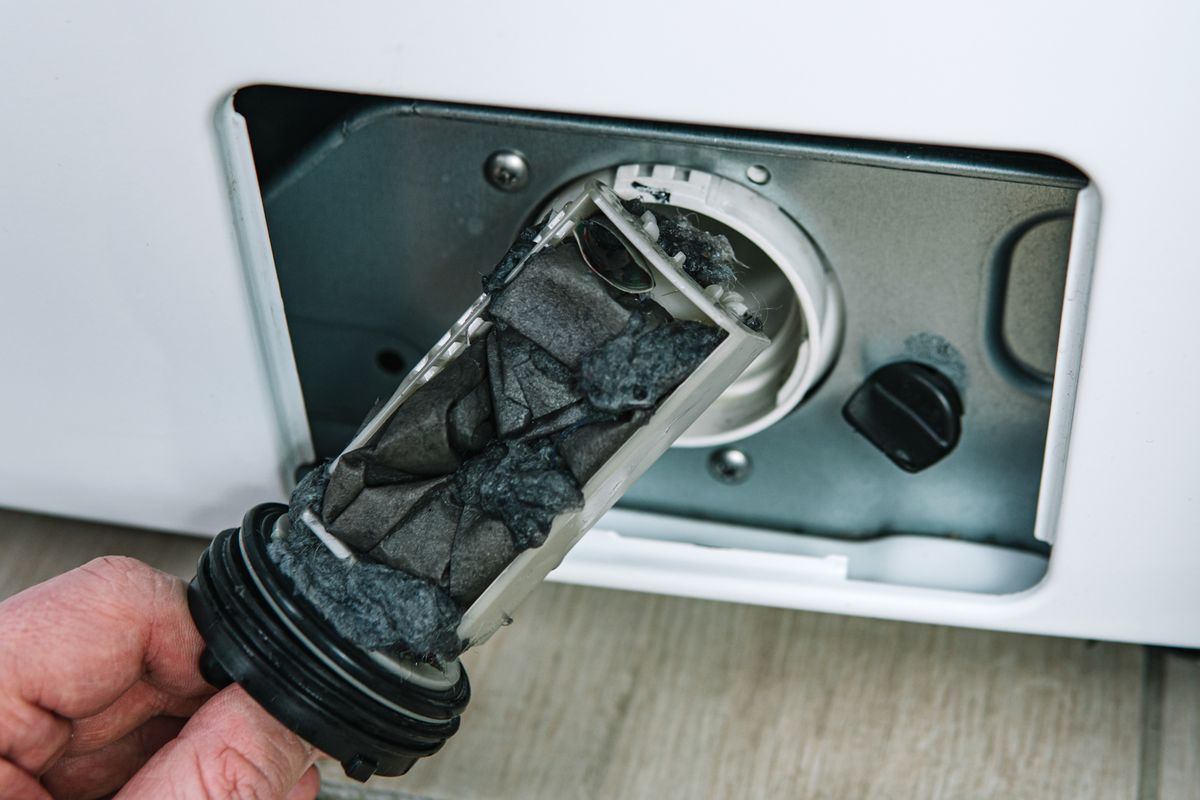
Understanding washer filter effectiveness helps users appreciate why these parts need attention. Clean filters extend the washer’s lifespan and save money in the long run.
Below is a comparison table showing washer filter benefits versus no filter use.
| Aspect | With Filter | Without Filter |
|---|---|---|
| Lint & fiber capture | High | None |
| Pump protection | Effective | Poor |
| Water drainage | Clear | Clogged risk |
| Machine lifespan | Longer | Shorter |
| Odor control | Better | Worse |
Washer Filter Replacement Guide
Filters do wear out and need replacement. Signs include cracks, holes, or persistent clogging despite cleaning. Using the right replacement filter is key to maintaining performance.
Always buy filters matching your washing machine model. Follow manufacturer instructions for removing and fitting new filters. Regular checks help spot damage early and avoid pump failure.
Replacing filters on time keeps your washer in top shape. It is a small step that prevents big problems later. For more maintenance tips, check our guide on how to clean Whirlpool Cabrio washing machine filter top loader.
Conclusion: All Washing Machines Benefit from Filters
In 2026, washing machine filters remain essential for good washer health. Almost all washers have some filter type to catch lint, debris, or sediment. These filters protect the pump, improve water drainage, and keep clothes cleaner.
Regular filter cleaning and timely replacement are key to avoiding damage and extending your washer’s lifespan. Understanding your machine’s filter types and location helps maintain peak washer performance.
If you want to learn more about washing machine care and related topics, explore our article on can you wash slippers washing machine. It offers practical tips to keep your washer running smoothly while caring for your clothes.
Filters are small parts with big effects. Keeping them clean and healthy ensures your washing machine serves you well for years.
| Key Takeaway | Recommendation |
|---|---|
| All washers have filters | Identify and clean regularly |
| Filters prevent pump blockages | Clean to avoid costly repairs |
| Filter types vary by model | Check manual or guides |
| Replacement needed when damaged | Use correct parts promptly |
| Proper care extends lifespan | Maintain filters and machine |
Frequently Asked Questions
Do all washing machines have lint filters?
Most modern washing machines include some form of lint or debris filter to trap fabric fibers and prevent pump blockages.
Where is the washing machine filter located?
Filters can be located near the water inlet, inside the washer drum, or at the pump drain, depending on the model.
How often should I clean the washer lint filter?
Filter cleaning should be done every 1 to 3 months or as recommended by the manufacturer to maintain performance.
What is the difference between a washer lint filter and a pump filter?
A lint filter traps fabric fibers on the wash cycle, while a pump filter protects the pump by catching debris during water drainage.
Can not having a filter harm my washing machine?
Yes, without a filter, fibers and debris may clog the drain pump or pipes, reducing washer lifespan and efficiency.

Michael Peterson is a home appliance writer focused on practical washing machine care, maintenance, and troubleshooting. He shares simple, reliable tips to help readers keep their washing machines running efficiently, avoid common problems, and extend appliance life.