Introduction to Washing Machine Disposal
Getting rid of an old washing machine can seem hard. But in 2026, many smart and green options exist. You can recycle, donate, or use appliance disposal services. These choices help keep hazardous materials out of the trash and save the planet. For example, local waste management often offers bulk trash pickup or special recycling days for large items.
Industry consensus indicates that proper appliance disposal guidelines protect the environment. A good start is checking your local municipality’s rules. They often provide details on scrap metal recycling and electronic waste programs. Also, exploring options like washing machine trade-in or selling used washers can be very rewarding.
For a deeper understanding of this mechanic, analyzing resources on washing machine recycling provides excellent foundational context.
Ways to Dispose of an Old Washing Machine
There are several ways to dispose of your old washer. You can recycle it, donate it, sell it, or hire a junk removal service. Each method suits different situations. If your machine still works, donation programs or selling it might be best. For non-working washers, recycling centers or appliance refurbishing services are good choices.
Many people choose washing machine removal services. These companies handle the haul away old appliances process safely. They know how to deal with hazardous appliance disposal and ensure environmental appliance disposal rules are followed. This method saves you time and effort.
Some local waste management facilities offer curbside pickup for large items. You may need to schedule a bulk waste pickup. Be aware that some places charge recycling fees or bulk pickup fees.
Donating and Selling Your Washing Machine
Donating used washing machines helps charity organizations and people in need. Many programs accept washers that still work well. Donating reduces waste and supports community members. Before donating, check if the machine meets the charity’s requirements.
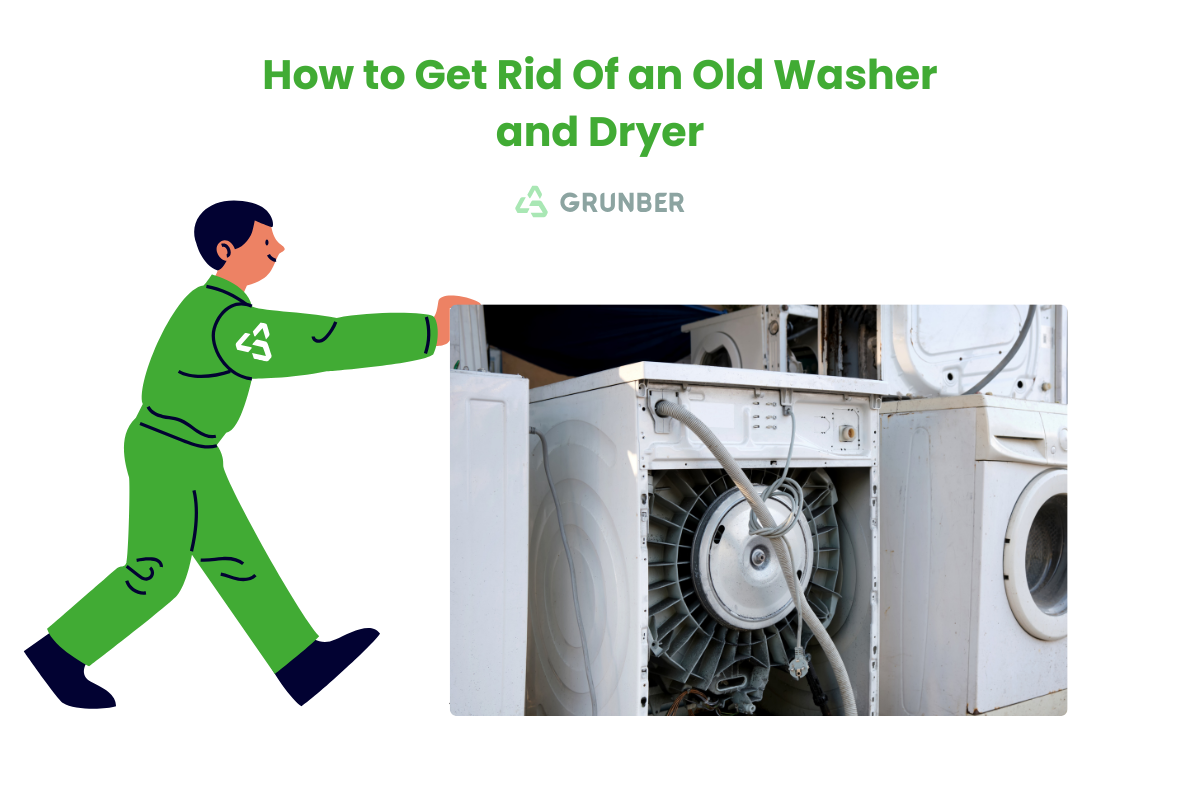
If your washing machine is in good shape, selling it can be a smart choice. You can list it online or use appliance trade-in offers at stores. Trade-in programs often give you credit toward a new energy-saving appliance. Selling or trading in supports appliance refurbishing industries and promotes reuse.
Considering donation or selling also helps you avoid extra costs like junk removal service charges or recycling fees.
Recycling Old Washers and Scrap Metal
Recycling old washers is key in 2026 for reducing landfill waste. Washing machines contain metals like steel and aluminum. Scrap metal recycling recovers these valuable materials. Appliance recycling centers break down washers and sort parts for reuse.
Energy-efficient washer recycling programs focus on safely removing harmful components. These programs follow strict environmental regulations. Proper recycling avoids contamination from electronic waste or hazardous materials inside the machine.
Always use certified appliance recycling centers. They ensure your washer is handled correctly. This process supports green goals and reduces pollution.
Haul Away and Junk Removal Services
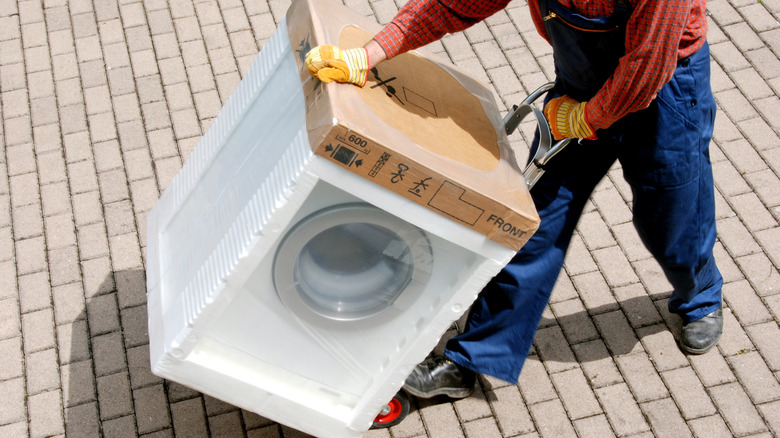
Haul away old appliances services help when you cannot move the washing machine yourself. Junk removal companies come to your home, pick up the washer. And dispose of it properly. They often coordinate with recycling centers and waste management facilities.
These services also handle transport logistics, saving you the hassle. They know local government waste rules well. Hiring a junk removal service is practical for bulky or heavy washers.

When choosing a company, check if they offer hazardous appliance disposal. This ensures compliance with environmental laws and safety standards.
Local Regulations and Disposal Fees
Local laws often guide how to dispose of washing machines. They set rules on recycling, collection. And hazardous waste. Some cities require you to schedule large item pickup or use specific recycling centers.
Disposal fees can apply. These may cover recycling costs or bulk trash pickup. Always check with your local waste management authority before disposal. This helps avoid fines and ensures your washer is handled responsibly.
Some municipalities offer free or low-cost programs for appliance disposal. These programs promote environmental appliance disposal and reduce illegal dumping.
Step-by-Step Guide to Getting Rid of an Old Washing Machine
Follow these simple steps for safe and smart washing machine disposal.
- Check if the washer still works. If yes, consider donating or selling it.
- Contact your local municipality or waste management to learn disposal rules.
- Decide on recycling centers or junk removal services for non-working washers.
- Schedule a bulk trash pickup or haul away service if available.
- Prepare the washer for pickup by disconnecting and clearing it.
This process ensures you follow proper appliance disposal guidelines and protect the environment.
Comparison of Disposal Methods
Choosing the right disposal method depends on your washer’s condition and your needs. The table below compares popular options in 2026.
| Method | Cost | Environmental Impact | Convenience |
|---|---|---|---|
| Donate | Low or free | High (reuse) | Moderate |
| Sell/Trade-In | Can earn money | High (reuse) | Moderate |
| Recycle | Possible fee | High (recycle metals) | Moderate |
| Junk Removal | Medium to high | Depends on company | High (doorstep pickup) |
Each method has pros and cons. Choose based on your priorities and local options.
⭐ Expert Insight on Appliance Disposal
Experts agree that environmental appliance disposal is vital for 2026. Proper recycling and donation extend appliance life cycles and reduce landfill volume. Always prioritize reuse when possible. If recycling, ensure the center is certified to handle scrap metal and electronic waste safely. Following government waste rules protects communities and natural resources.
⚖️ Pros & Cons of Disposal Options
Understanding benefits and drawbacks helps make the best decision.
- ✅ Donation: Pros – Helps others, free disposal. Cons – Only for working washers.
- ✅ Selling: Pros – Earn money, supports reuse. Cons – Requires time and effort.
- ✅ Recycling: Pros – Saves materials, eco-friendly. Cons – May have fees, needs transport.
- ✅ Junk Removal: Pros – Easy, fast. Cons – Higher cost, depends on company practices.
Conclusion
Disposing of an old washing machine in 2026 is easier and greener than ever. You have many ways: donation, selling, recycling, or using haul away services. Each option has benefits that suit different needs.
Always check local waste management rules and consider environmental impacts. Using appliance refurbishing or recycling centers helps protect the planet. If unsure, junk removal companies can simplify the process while following safety rules.
For those new to appliance disposal, a great start is learning how to disconnect a washing machine properly before removal. This ensures safe handling and smooth pickup.
Taking these steps saves effort and supports a cleaner, greener future. Dispose of your old washing machine smartly today.
Frequently Asked Questions
What is the safest way to dispose of an old washing machine?
The safest way is to use local appliance disposal services that follow environmental regulations to handle scrap metal and electronic waste properly.
Can I donate my used washing machine?
Yes, many charity organizations accept working washers. Donating helps others and reduces waste sent to landfills.
Are there fees for washing machine removal or recycling?
Some local municipalities charge recycling fees or bulk trash pickup fees. It’s best to check with local waste management facilities.
What should I do if my washing machine contains hazardous materials?
Contact a hazardous appliance disposal service or your local waste management facility to handle items that may contain harmful substances safely.
Is it better to sell or recycle an old washing machine?
If the washer still works, selling or trading it in is ideal. Otherwise, recycling at appliance recycling centers ensures parts and metals are reused.

Michael Peterson is a home appliance writer focused on practical washing machine care, maintenance, and troubleshooting. He shares simple, reliable tips to help readers keep their washing machines running efficiently, avoid common problems, and extend appliance life.