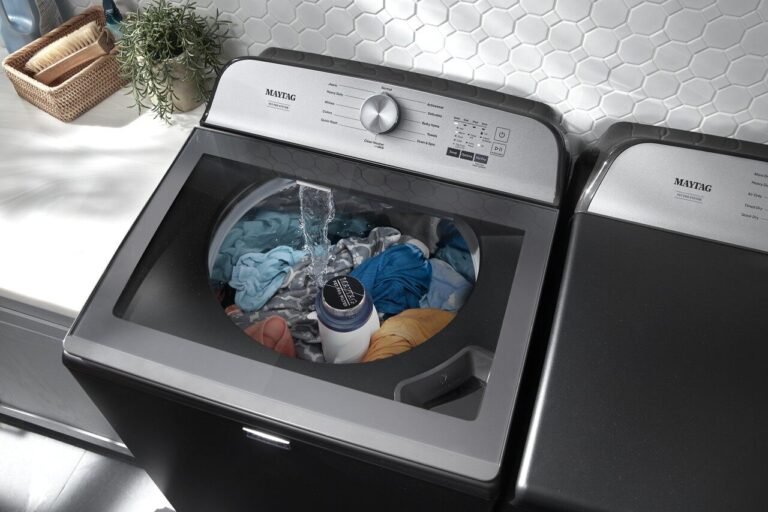
Introduction to Washing Machine Weight
Understanding the average washing machine weight is key for many reasons. Whether you are installing, moving, or shipping a washer, knowing its weight matters. Washing machines come in various sizes and weights depending on their type and capacity. This guide will explain the typical weights of different washers in 2026 and give you tips for handling them safely.
For those curious about how long laundry takes, learning the weight can help you plan transport and setup. You can find detailed advice on how long washing machines take to complete cycles, which links well with weight factors like load balancing.
Washing Machine Types and Their Weights
There are three main types of washing machines: front load, top load, and portable. Each type has different weight ranges because of design and features.
Front load washing machines usually weigh more due to their strong motors and large steel drums. They fall between 70 and 90 kilograms (154 to 198 pounds). These washers are popular for their energy efficiency but require solid installation requirements because of their weight.
On the other hand, top load washers are lighter, typically 50 to 80 kilograms (110 to 176 pounds). Their design is simpler with less insulation, which lowers the weight. Top loaders often have agitators which add some weight but not as much as front loaders.
Portable washing machines weigh the least. They range from 20 to 30 kilograms (44 to 66 pounds). These compact washers are easy to transport and install but hold smaller washer capacity in liters.
For a deeper understanding of this mechanic, analyzing resources on washing machine weight by type provides excellent foundational context.
Washing Machine Weight by Capacity
Washing machines are also classified by their capacity liters. The larger the capacity, the heavier the machine. For example, a 6 kg capacity washer weighs less than a 12 kg industrial model.
Energy-efficient washers often use heavier materials for better insulation and motors, which adds to the weight. Models with added features like washer dryer combos also weigh more due to extra components.
It is important to check manufacturer specifications for exact weights. This helps with planning for washing machine installation weight and structural support.
Common Washing Machine Sizes and Weights
Below is a table showing typical dimensions and weights for popular washing machine categories in 2026.
| Type | Capacity (kg) | Weight (kg) | Dimensions (cm) |
|---|---|---|---|
| Front Load Washer | 7-12 | 70-90 | 60 x 60 x 85 |
| Top Load Washer | 5-10 | 50-80 | 55 x 55 x 90 |
| Portable Washer | 2-5 | 20-30 | 40 x 40 x 70 |
| Washer Dryer Combo | 7-10 | 80-110 | 60 x 60 x 90 |
| Industrial Washer | 15-30+ | 150-250+ | 80 x 80 x 120 |
This table helps with washing machine weight comparison for different models and capacities. It is useful for buyers and movers alike.
Knowing washing machine packaging weight is also important for shipping and transport. Packaging adds a few extra kilograms depending on materials used.
Examples of Heavy Washing Machine Models
Some washers stand out for their heavy weight due to size and features. Industrial washers weigh over 150 kilograms (330 pounds). These are used in laundromats or large homes.
High-capacity washer dryer combos also fall into the heavy category, often over 100 kilograms (220 pounds). These machines save space but require strong floor support.
Heavy washing machine models need careful planning for moving washing machine weight and setup. The right tools and techniques reduce risks of damage.
Washing Machine Transport Tips
Moving a heavy washing machine safely requires care. First, disconnect all hoses and drain water completely. Secure the drum to stop movement during transport.
Use proper lifting methods to avoid injury. It is best to have at least two people or use appliance movers. Keep the machine upright to protect internal parts.

When moving through narrow spaces, measure washing machine dimensions and weight to ensure clearance. Remove packaging only after placing the machine in its final spot.
For help with moving, check advice on washing machine moving guide to understand safe handling better.
Safety Considerations for Washing Machine Weight
Handling washing machines with care is vital. Heavy washers can cause injury if dropped or lifted incorrectly. Use gloves and proper footwear.
Check the floor’s structural support before installation. Floors that cannot hold the weight may crack or warp over time.
Use a dolly or hand truck for transport. Avoid laying the washer on its side as this can damage the motor and drum.
Energy-Efficient Washing Machine Weight
Newer energy-efficient washers often weigh more. This is due to better insulation, heavier motors, and advanced electronics. They save energy but add weight.
Manufacturers balance weight and efficiency to keep machines manageable. This trend is expected to continue as energy codes become stricter in 2026.
Conclusion
In 2026, washing machines come in many forms with varying weights. Front load washers weigh between 70 and 90 kilograms, top load washers between 50 and 80 kilograms, and portable washers 20 to 30 kilograms. Capacity, design, and energy features affect the weight.
Knowing the weight helps with installation, moving, and safety. Always check manufacturer specs and use proper lifting tools. For more on washing machine care, see guides on why washers may not fill.
Understanding washing machine weights ensures you make the right choice and handle your appliance safely. Follow recommended tips for transport and installation to protect your home and yourself.
🚀 Beginner Tip: Always measure your laundry space and check washer weight before buying. This saves hassle during setup.
✅ Checklist for Moving a Washing Machine:
- ✅ Disconnect power and water
- ✅ Drain all water
- ✅ Secure the drum
- ✅ Use proper lifting techniques
- ✅ Keep upright during transport
⭐ Expert Insight: Energy-efficient models tend to weigh more but save costs and reduce environmental impact over time.
📌 Step-by-Step Guide for Installation:
- Check floor strength
- Unpack washer carefully
- Connect water and power
- Level the machine
- Run a test cycle
Frequently Asked Questions
What is the average weight of a washing machine?
Most washing machines weigh between 55 to 85 kilograms (120 to 187 pounds), depending on the type and capacity.
How does a front load washing machine weight compare to a top load washer?
Front load washers tend to weigh more, usually 70 to 90 kilograms (154 to 198 pounds), while top load washers weigh about 50 to 80 kilograms (110 to 176 pounds).
What factors affect the weight of a washing machine?
Weight varies by washer capacity, material composition, motor type, and extra features like energy efficiency and built-in dryers.
What is the weight of portable washing machines?
Portable washers are lighter, often weighing between 20 to 30 kilograms (44 to 66 pounds), making them easier to move.
How should I prepare for moving a heavy washing machine safely?
Use proper lifting techniques, secure the drum, use appliance movers, and check the installation weight to avoid damage or injury.

Michael Peterson is a home appliance writer focused on practical washing machine care, maintenance, and troubleshooting. He shares simple, reliable tips to help readers keep their washing machines running efficiently, avoid common problems, and extend appliance life.