Understanding Washing Machine Cycle Times
The time a washing machine takes varies widely. It depends on the cycle selected and the clothes you wash. Modern machines offer many washing machine programs, each with different wash and rinse cycles.
For example, a quick wash duration is shorter to save time. In contrast, a heavy duty wash time is longer to clean tough stains deeply. Knowing these differences helps you pick the best cycle for your needs.
For a deeper understanding of this mechanic, analyzing resources on washing machine durations and cycles provides excellent foundational context.
Internal links also help explain related topics like why a washing machine might not fill, which can affect cycle length.
Typical Cycle Durations
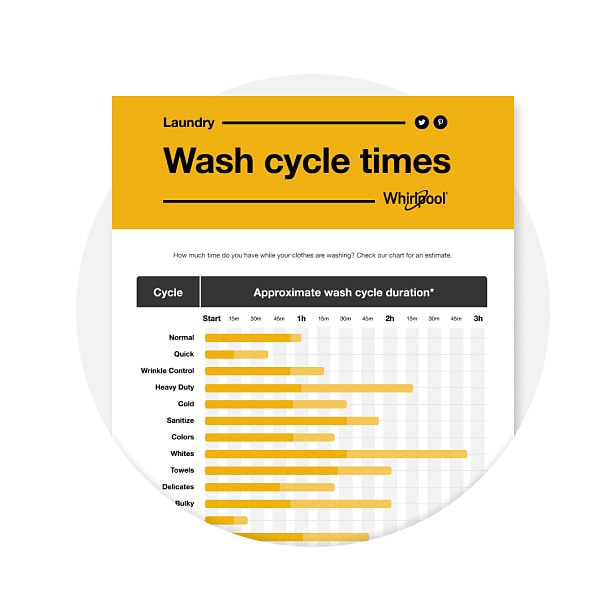
Most washing machines have a normal wash cycle length of about 45 to 60 minutes. This includes washing, rinsing, and spinning. The washing machine spin time can add 10 to 15 minutes depending on settings.
Delicate cycle time is usually shorter and gentler to protect fabrics. It may take around 30 minutes. Quick wash cycles are faster, often under 30 minutes for small loads.
Load size also impacts cycle time. A larger washer load size effect means the machine adjusts water level and wash time to clean thoroughly.
Choosing the right cycle helps save time and energy. For example, a heavy duty wash time is longer but necessary for very dirty clothes.
Energy and Water Consumption
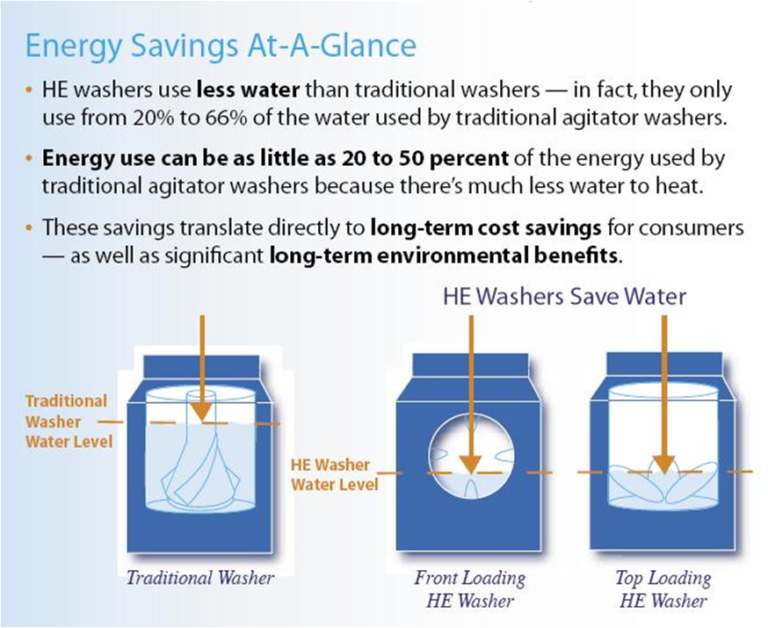
Cycle length influences energy consumption washing machine uses. Longer cycles generally use more power, but modern washers are more efficient. Front load vs top load time can differ, with front loaders often taking longer but using less water.
Washing machine water usage is important to consider. Machines adjust water levels based on load size and cycle choice. This saves water and cuts costs.
Washing detergent impact time is also a factor. Some detergents work better in longer cycles or with certain temperature settings.
Energy efficiency improves when you select the right cycle for your clothes and load. Using machine sensors and wash timer settings can help optimize this.
Detailed Timing of Washing Machine Operations
A wash cycle includes several steps: filling, washing, rinsing, spinning, and draining. Each step takes a certain time depending on the machine model and settings.
Typically, washing takes 20 to 40 minutes. Rinse cycles add 10 to 20 minutes. Spin cycles remove water and last 5 to 15 minutes. Drain time is usually quick but can vary by machine.
Washing machine pause time may occur if the machine balances the load or if you manually pause it. Load balancing sensors help reduce spin cycle vibration and noise.
Maintenance like cleaning filters can improve cycle times and machine efficiency. Learn more about how to clean mold from laundry machine to keep your washer running smoothly.
How Load Size and Fabric Affect Cycle Time
Clothes weight and fabric type have a major impact on cycle length. Heavy fabrics or large loads need longer wash and spin times. Delicate fabrics require gentler, shorter cycles.
Cycle selection is key. For example, bulky items or heavily soiled clothes need more time. Light or delicate loads use shorter cycles.
Temperature settings also influence wash time. Hot water cycles may be shorter but use more energy. Cold water cycles last longer but save power.
Understanding these factors helps you choose the best cycle and save both time and energy.
Front Load vs Top Load Cycle Times
Front load washers tend to have longer cycle times than top load machines. This is due to their design and water usage. Front loaders use less water but rely on longer agitation and soak times.
Top load washers often have shorter normal wash cycles but use more water and energy. They can be faster but less efficient.
The choice depends on your priorities. For energy efficiency, front loaders are preferred. For speed, top loaders may be better.
Both types benefit from regular maintenance. Check tips on how to clean LG washing machine top loader for care ideas.
Tips for Optimizing Wash Times
Select the cycle that fits your laundry well. Use quick wash for lightly soiled clothes. Use heavy duty for tough stains and dirt.
Wash full loads but avoid overloading. This helps maintain washing machine efficiency. Proper detergent type and amount also matter.
Adjust temperature settings wisely. Cold water saves energy and is good for many fabrics. Hot water cleans better but uses more power.
Regular washing machine maintenance improves performance. Learn how to clean washing machine top loader for best care practices.
Cycle Time Comparison Table
Different cycles vary in duration and purpose. This table shows common cycle times for 2026 machines.
| Cycle Type | Average Duration | Purpose |
|---|---|---|
| Quick Wash | 15-30 minutes | Lightly soiled clothes |
| Normal Wash | 45-60 minutes | Everyday laundry |
| Heavy Duty | 70-90 minutes | Heavily soiled or bulky items |
| Delicate | 30-40 minutes | Fragile fabrics |
Choosing your cycle based on this table can save time and energy. Always check your washer model for exact times.
Wash and Rinse Cycle Details
Wash cycles use detergent, water, and motion to clean clothes. Rinse cycles remove soap and dirt residues. Both affect total cycle time.
Some machines have multiple rinse cycles to improve cleaning. This adds to the wash duration but improves results. Spin speeds during rinse affect drying time later.
Detergent type can influence wash and rinse efficiency. Liquid detergents may rinse faster than powders. High-efficiency detergents suit modern washers well.
To learn how detergent affects your wash, visit guidance on cleaning detergent dispensers.
Energy Saving and Maintenance Tips
Saving energy while washing saves money and helps the planet. Use energy-efficient cycles and full loads. Lower temperature settings reduce energy use.
Regular maintenance keeps machines working well. Clean filters, dispensers, and seals. This prevents buildup that can extend cycle times and cause odors.
Check for signs like slow draining or strange noises. These may mean you need to clean the drain or balance your machine.
Follow detailed guides like how to clean washing machine reddit for practical maintenance advice.
Washing Machine Cycle Time Summary
Cycle time depends on many factors: cycle type, load size, fabric, and machine model. Most cycles range from 15 to 90 minutes. Quick wash is shortest; heavy duty is longest.
Energy use links closely to cycle length and temperature. Choosing the right settings improves efficiency. Front load washers take longer but use less water and energy than top loaders.
Regular care and maintenance keep cycles running smoothly and on time. Use internal sensors and proper detergent for best results.
For more on the spin cycle timing, see how long is the spin cycle on a washing machine.
Conclusion
Washing machine cycle times vary widely but most fall between 15 and 90 minutes. Knowing how load size, fabric type, and cycle selection affect time helps you choose smartly.
Energy consumption and water usage improve with efficient cycles and proper maintenance. Front loaders and top loaders each offer benefits based on your needs.
Keep your machine in good shape with regular cleaning and care. This ensures your laundry stays clean and your washer runs well for years.
Use the knowledge here to pick the best cycle and save time, energy, and water in your 2026 laundry routine. 🚀
Frequently Asked Questions
What affects the washing machine cycle time?
Cycle time depends on the chosen program, load size, fabric type, temperature setting, and soil level.
How long is a normal wash cycle?
A normal wash cycle usually lasts between 30 to 60 minutes, depending on the machine and settings.
Does washing machine spin time vary?
Yes, spin time can vary from 5 to 15 minutes based on the spin speed and fabric care requirements.
Is quick wash effective despite shorter duration?
Quick wash cycles are shorter but designed for lightly soiled clothes and smaller loads to save time and energy.
How can I reduce energy consumption during washing?
Use shorter cycles, cold water settings, and wash full loads to reduce energy use and improve washing machine efficiency.

Michael Peterson is a home appliance writer focused on practical washing machine care, maintenance, and troubleshooting. He shares simple, reliable tips to help readers keep their washing machines running efficiently, avoid common problems, and extend appliance life.