Understanding Wash Cycle Duration
Washing machines today offer many cycle options. Each one has a set length that affects how long clothes stay in the machine. The washing machine cycle duration depends on several factors like load size, fabric type, and soil level. Knowing these helps you pick the right program and save time and energy.
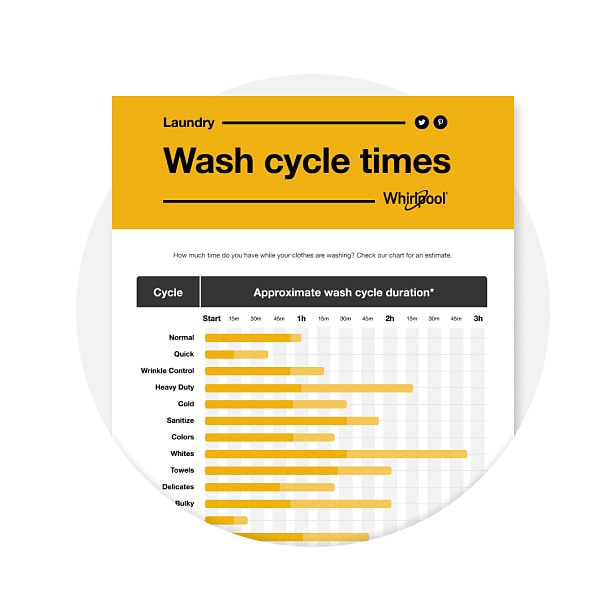
Average wash time varies widely. For example, a quick wash might take only 15 minutes. A heavy wash cycle could last over an hour. For a typical normal wash cycle, expect about 30 to 45 minutes on most high efficiency washers. This includes washing, rinsing, and spinning.
When you want to learn more about how washing machines handle tough cases, check out tips on effective washing to remove pests like bed bugs. It shows how cycle time and settings matter for fabric care.
For a deeper understanding of this mechanic, analyzing resources on washing machine cycle duration provides excellent foundational context.
Factors Affecting Wash Cycle Length
Several things change how long a wash cycle lasts. The first is washing load size. Big loads need more water and time for proper cleaning. This means the machine runs longer to balance and rinse all clothes.
Next is the laundry wash settings. Using hot water usually adds to cycle time. Warm or cold water cycles may be shorter but less effective on some stains. Also, choosing a delicate wash cycle shortens the time to protect fabric fibers.
The type of detergent matters too. Some brands work quickly, while others need more time to dissolve and act. This is why detergent effects on wash time are important to note.
Additionally, modern machines have cycle sensors. These adjust wash duration based on how dirty the clothes are, called the soil level. Heavier soil means a longer heavy duty cycle.
Wash Cycle Types and Their Timing
Washing machines offer several standard programs. Each cycle fits a different need and fabric type. Common wash cycle types include normal, heavy, delicate, and quick wash.
The normal wash cycle length is usually 30-45 minutes. It suits everyday clothes with moderate dirt. The heavy wash cycle lasts longer, often 60 minutes or more. It cleans tough stains and bulky items well.
Delicate cycles are shorter, around 15-30 minutes. They use gentle agitation and less water to protect sensitive fabrics. The quick wash time is the shortest, usually 15-20 minutes, for lightly soiled clothes.
Spin cycle length is also adjustable. Faster spins reduce drying time but may harm delicate fabrics. Many machines let you pick spin speed based on fabric care washing needs.
Here is a breakdown of common cycle durations:
| Cycle Type | Typical Duration | Purpose |
|---|---|---|
| Normal | 30-45 min | Regular laundry |
| Heavy Duty | 60+ min | Stubborn stains |
| Delicate | 15-30 min | Fragile fabrics |
| Quick Wash | 15-20 min | Lightly soiled |
Choosing the right cycle saves time and protects your clothes. It also helps reduce energy consumption by avoiding over-washing.
Wash Cycle Stages Explained
Every wash cycle has several stages. These include pre-wash, main wash, rinse, and spin. Each stage has a set time and purpose.
The pre-wash stage is optional. It adds extra water and agitation for very dirty clothes. The main wash uses detergent and water to clean fabrics. Rinse cycles remove soap and dirt.
Rinse hold is a pause some washers offer to keep clothes in water before spinning. This helps with delicate fabric care. Finally, the spin cycle extracts water to reduce drying time.
Water usage wash cycle also varies by stage. Pre-wash and rinse use more water, while spin is about fast water removal. New machines adjust water and cycle lengths for energy efficient washing.
Impact of Load Size and Balance
Load size strongly influences cycle time. Overloaded machines take longer to clean clothes well. They may also fail to spin properly, causing longer spin cycles or unbalanced loads.
Modern washers have a load balancing wash cycle feature. Sensors detect uneven loads and adjust spinning speed or pause to rebalance. This prevents damage and reduces noise during long spin cycles.
Smaller loads often finish faster but may waste water and energy. To optimize washing, fill the machine to the recommended level. This also helps with fabric care washing and efficient detergent use.

Below is a simple guide on load size impact:
| Load Size | Effect on Cycle |
|---|---|
| Small | Shorter wash time, less water |
| Medium | Standard cycle duration |
| Large | Longer wash and spin time |
Energy and Water Efficiency in Wash Cycles
By 2026, energy efficient washers are common. They use smart sensors to save water and power. This affects the wash duration, often making cycles longer but more eco-friendly.
Choosing the right temperature settings wash also saves energy. Cold and warm water cycles cut power use but may increase wash time. Hot water cleans better but uses more energy.
Cycle length alone does not measure efficiency. Machines that wash thoroughly with less water and detergent help cut energy bills and reduce environmental impact.
Here is a comparison of water and energy use based on cycle type:
| Cycle Type | Water Usage | Energy Use |
|---|---|---|
| Normal | Moderate | Moderate |
| Heavy Duty | High | High |
| Delicate | Low | Low |
| Quick Wash | Low | Low |
Conclusion
Wash cycle duration depends on many factors like load size, soil level, and machine settings. Knowing the typical times for normal, heavy, delicate, and quick wash cycles helps you pick the best program for your laundry.
Modern machines balance wash duration with energy and water savings. Using the right detergent and temperature settings also makes a difference. Proper load size and balance ensure the machine runs efficiently and protects clothes.
For further advice on optimizing your laundry routine and machine care, explore guides on how to clean stinking washing machine. This helps maintain good performance and hygiene over time.
In summary, understanding wash cycle lengths lets you save time, energy, and money while caring for your fabrics well.
Frequently Asked Questions
What is the average wash time for a normal cycle?
The average wash time for a normal cycle is typically between 30 to 45 minutes, depending on the washer model and settings.
How does load size affect washing duration?
Larger loads generally increase wash cycle duration as the machine needs more time to clean clothes evenly and balance the load.
What is the difference between quick wash and heavy wash cycles?
Quick wash cycles are shorter and designed for lightly soiled clothes. Heavy wash cycles take longer to clean tough stains and bulky items.
Can detergent choice influence wash cycle length?
Yes, some detergents require longer wash times to fully activate and rinse, affecting the overall cycle duration.
Are energy-efficient washers slower than standard models?
Energy-efficient washers often use longer cycles but less water and power, balancing cleaning performance with energy savings.

Michael Peterson is a home appliance writer focused on practical washing machine care, maintenance, and troubleshooting. He shares simple, reliable tips to help readers keep their washing machines running efficiently, avoid common problems, and extend appliance life.