Understanding Bleach Use In Washing Machines
Bleach remains a strong agent for removing stains and disinfecting laundry. In 2026, most washers come with a bleach dispenser. This feature helps release bleach safely during the wash cycle. Using bleach correctly improves fabric care and washing machine maintenance.
Knowing how to use bleach in your washer is key for best results. Some machines lack a bleach dispenser. For these, you must add bleach carefully to avoid damage. For a deeper understanding of this mechanic, analyzing resources on using bleach in a washing machine without a dispenser provides excellent foundational context.
Also, the choice between liquid chlorine bleach and oxygen bleach matters. Liquid chlorine bleach is common for whitening and sanitizing. Oxygen bleach is gentler and safer for colors and delicate fabrics.
Locating Bleach Dispenser And Compartments
Modern automatic washing machines usually have a dispenser drawer. This drawer has separate compartments for detergent, bleach, and fabric softener. The bleach compartment is often marked and isolated to prevent mixing.
Front load washers benefit from an automatic bleach dispenser. It adds bleach at the right time during the wash cycle. Top load washers may also have a bleach compartment, but some older models do not.
For machines without a bleach dispenser, add bleach after the tub fills with water but before adding clothes. This prevents bleach from contacting fabrics too early and risking damage.
Always check your washing machine manual for exact instructions on bleach compartments and safety guidelines. Different washing machine brands may vary on bleach use and placement.
Bleach Dosage And Water Temperature
Correct bleach dosage is vital for fabric safety and cleaning power. Overuse can harm clothes and washing machines. Industry consensus indicates that 1/4 cup of liquid bleach per regular load is typical.
Adjust bleach amount based on load size and soil level. Larger or heavily soiled loads may need up to 1/2 cup, but never exceed manufacturer limits. Using too much bleach risks fading and fiber damage.
Water temperature affects bleach effectiveness. Chlorine bleach works best in warm or hot water. Cold water reduces its stain removal and sanitizing ability. However, some delicate fabrics require cold water wash, so use oxygen bleach or avoid bleach in those cases.
Below is a guide for bleach dosage and water temperature for common load sizes and fabric types.
| Load Size | Water Temp | Bleach Amount (Liquid) | Fabric Type |
|---|---|---|---|
| Small | Warm to Hot | 2 tbsp | Whites, heavy stains |
| Medium | Warm to Hot | 1/4 cup | Regular cottons, linens |
| Large | Warm to Hot | 1/2 cup | Durable fabrics |
| Any | Cold | Use oxygen bleach | Colors, delicate fabrics |
Using bleach and detergent together is common. Add detergent in its compartment, and bleach in the bleach dispenser to avoid chemical clashes. This keeps clothes clean and safe.
How To Use Bleach In Front Load Washer
Front load washers have a bleach dispenser drawer. Pour the measured liquid bleach into this compartment. The machine releases it during the right part of the wash cycle.
This method prevents bleach from touching clothes too soon. It also protects the washing machine from corrosion. Many front load washers have a special bleach cycle or option to optimize bleach use.
Remember to keep the dispenser clean and dry. Residues can clog the compartment and reduce bleach flow. Regular maintenance with mild cleaning agents helps.
Checking the washing machine lint filter and dispenser drawer cleanliness improves performance. For more on this, learn about washing machine filters and how they impact cleaning.
Adding Bleach To Washing Machine Without Dispenser
Some older or basic washing machines lack a bleach dispenser. To add bleach safely, wait until the tub fills with water. Then pour bleach slowly into the water before adding clothes.
This dilutes bleach and reduces fabric damage risk. Avoid pouring bleach directly onto clothes. It can cause spots and weaken fibers.
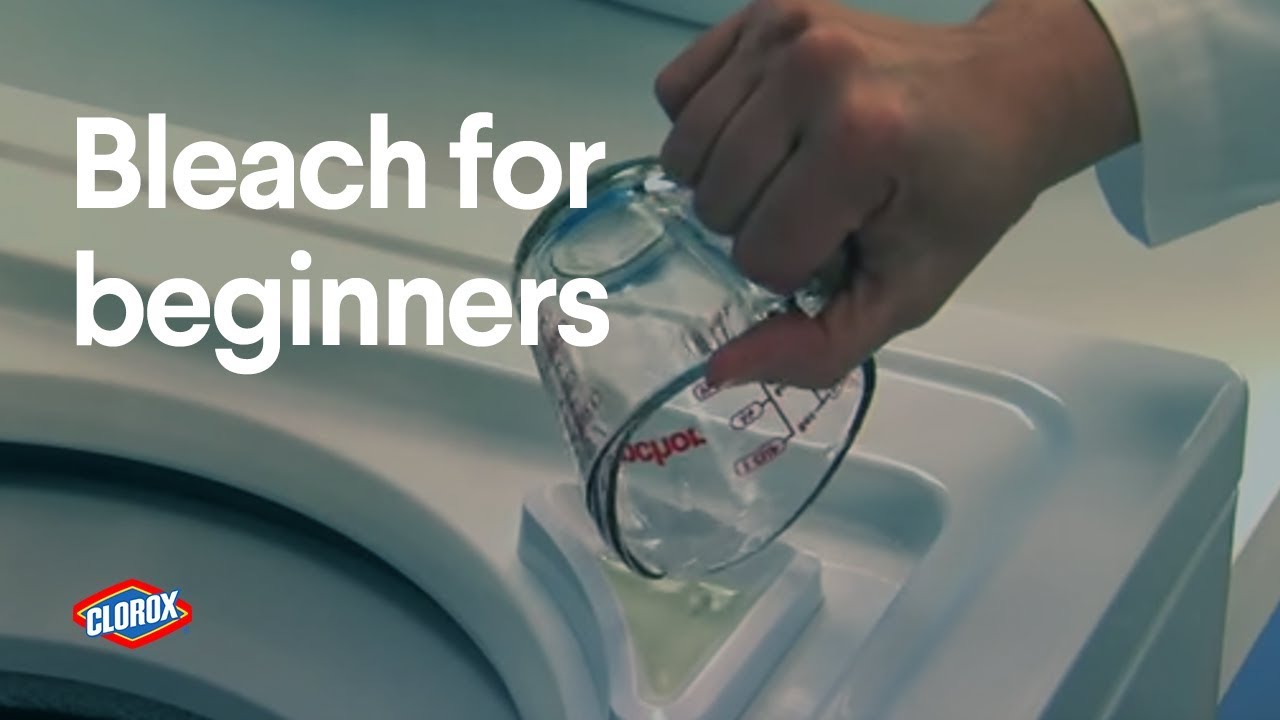
Careful timing is key. Add bleach during the wash cycle start, after water fills but before agitation begins. This ensures even bleach distribution.
For detailed advice on this method, see the discussion on where to put bleach in my washing machine.
Bleach Washing Machine Safety Tips
Using bleach safely protects your clothes and machine. Always use liquid chlorine bleach designed for laundry. Avoid powder or gel bleaches unless your machine manual allows.
Never mix bleach with ammonia or other cleaners. This creates toxic gases. Always ventilate the laundry room well when using bleach.
Read your washing machine manual carefully. Some fabrics and colors do not tolerate bleach. Use oxygen bleach alternatives when needed.
Dispose of bleach properly and keep it away from children and pets. Proper bleach dosage prevents damage to your washing machine’s parts and seals.
Cleaning Your Washing Machine With Bleach
Bleach also helps keep your washing machine clean. Run a maintenance cycle with bleach to kill bacteria and mold. Use about one cup of liquid bleach in the bleach dispenser or directly in the tub.
Run the machine on the hottest cycle without clothes. This cleans the drum and pipes, preventing odors.
Regular cleaning with bleach keeps your machine fresh and extends its life. Combine this with checking for mold in seals and cleaning lint filters.
To learn more about washing machine upkeep, see our guide on cleaning front loading washing machine with vinegar.
Summary And Best Practices
Adding bleach to your washing machine is simple if done right. Use the bleach dispenser if your machine has one. If not, add bleach carefully to the water after it fills.
Measure bleach correctly to avoid damage. Use warm water for best results with liquid chlorine bleach. Consider fabric types and color safety before using bleach.
Keep your washing machine clean by running bleach cycles as maintenance. Follow safety tips to protect your machine and your health.
For energy use and load management, understanding how much energy washing machine use can help you save resources while cleaning effectively.
Use bleach wisely to keep your laundry fresh and your washing machine running well in 2026 and beyond.
- ✅ Use liquid chlorine bleach designed for laundry
- ✅ Measure bleach according to load size
- ✅ Use bleach dispenser if available
- ✅ Avoid mixing bleach with other cleaners
- ✅ Run cleaning cycles regularly with bleach
Frequently Asked Questions
Where do I put bleach in my washing machine?
Bleach is placed in the designated bleach compartment or dispenser drawer of your washing machine. For machines without a dispenser, it should be added directly to the wash water after it fills.
Is bleach safe for all washing machines?
Most washing machines are safe to use with liquid chlorine bleach if used as instructed. However, always consult your washing machine manual to confirm compatibility.
How much bleach should I use in a washing machine?
Typically, use about 1/4 cup of liquid bleach for a regular load. Adjust dosage based on the load size and water amount, but never exceed the machine’s recommended amount.
Can I use bleach in a front load washer?
Yes, you can use bleach in front load washers by adding it to the bleach dispenser. It releases the bleach during the correct wash cycle to protect your clothes and machine.
How do I clean my washing machine with bleach?
To clean your washing machine, run a hot water cycle with about one cup of bleach and no clothes. This helps kill bacteria and remove mold or mildew buildup.

Michael Peterson is a home appliance writer focused on practical washing machine care, maintenance, and troubleshooting. He shares simple, reliable tips to help readers keep their washing machines running efficiently, avoid common problems, and extend appliance life.