Introduction to CPAP Machine Cleaning
Continuous Positive Airway Pressure (CPAP) machines help millions manage sleep apnea. Keeping these devices clean is key for safety and good breathing therapy. Industry consensus indicates regular cleaning prevents bacterial contamination and mold. For a deeper understanding of this mechanic, analyzing resources on how to clean your CPAP equipment provides excellent foundational context.
Maintaining CPAP equipment hygiene is essential. This guide walks through the best CPAP cleaning methods, daily care tips. And how to sanitize different parts safely.
Why Clean Your CPAP Machine?
CPAP machines can collect germs and mold if not cleaned correctly. Bacteria in the water reservoir or tubing can cause infections. Mold can grow in damp parts like the humidifier chamber. This affects medical device hygiene and therapy effectiveness.
Cleaning also extends the life of your CPAP mask and equipment. Safe CPAP cleaning products and proper drying processes reduce wear. Knowing how often to clean CPAP parts helps keep your machine in top shape.
Experts stress sanitization frequency to avoid harmful buildup. Using antimicrobial cleaning and disinfectant sprays can support this effort.
Daily Cleaning Steps for CPAP Machines
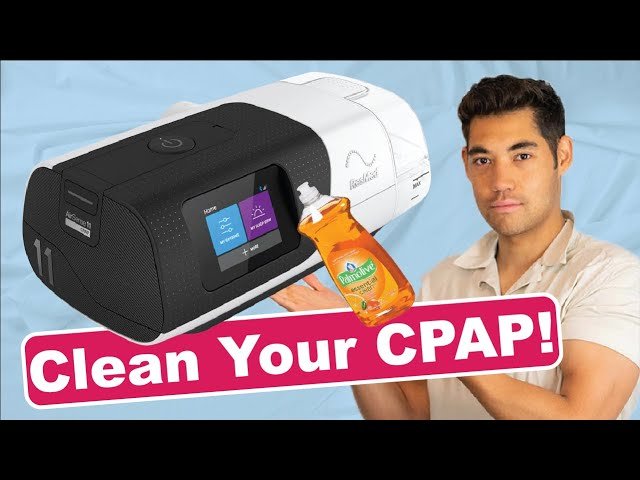
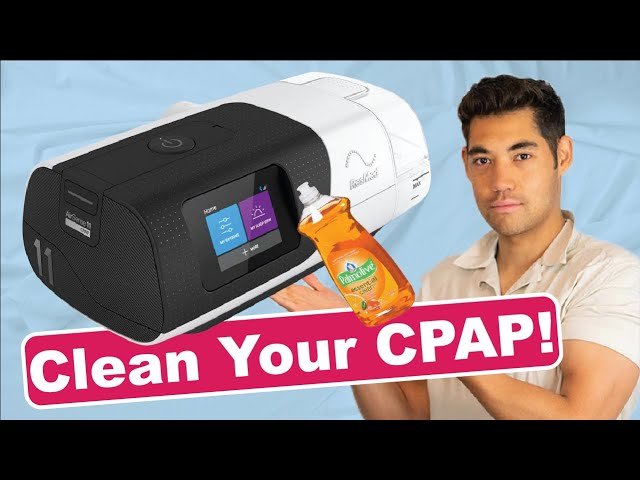
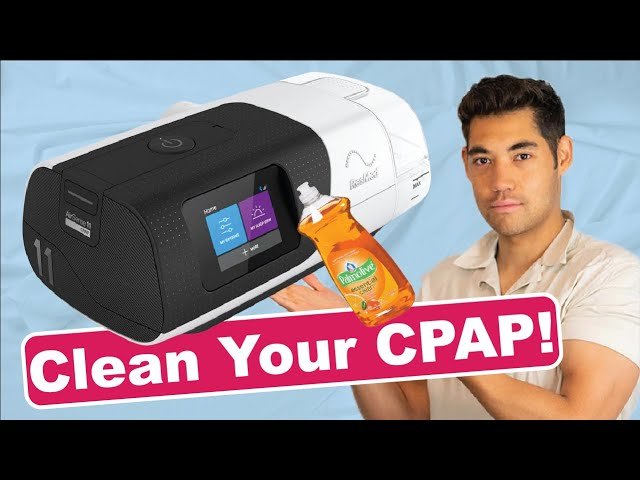
Clean your CPAP mask and water chamber every day. Remove the mask, tubing. And humidifier chamber from the machine. Wash the mask and water chamber with warm water and mild soap. Avoid harsh cleaners which can damage silicone parts.
Rinse everything well and let it air dry away from direct sunlight. Use CPAP cleaning wipes or alcohol wipes for quick sanitization of mask frames and straps if needed.
Cleaning the CPAP water chamber daily prevents mold. Empty any leftover water and dry the chamber fully each time.
Proper daily care helps prevent CPAP machine mold and bacteria buildup, ensuring safe breathing therapy.
Weekly Maintenance: Hose and Filter Care
Once a week, clean the CPAP tubing by soaking it in warm, soapy water. Rinse the hose well and hang it to dry fully. This removes any trapped moisture that can lead to mold or bacteria.
Check and clean or replace the CPAP filter regularly. A clean HEPA filter improves air quality and machine performance. Some machines have reusable filters that can be rinsed with water, others need replacement.
:max_bytes(150000):strip_icc()/how-to-clean-cpap-3015322-v1-5c1ac1cc46e0fb0001e27563.png "Clean a CPAP Machine: A How-To Guide (Figure)")
Sanitize CPAP machine parts using approved disinfectant sprays or UV light sanitizer devices. These help remove bacteria not reached by soap and water.
Following these CPAP machine maintenance steps ensures better infection control and device longevity.
| Part | Cleaning Frequency | Cleaning Method |
|---|---|---|
| CPAP mask | Daily | Soap and water, wipe with alcohol if needed |
| CPAP tubing | Weekly | Soak in warm soapy water, rinse and air dry |
| Water chamber | Daily | Empty, wash with soap, dry completely |
| Filter | Weekly or as needed | Replace or rinse reusable filter |
Regular maintenance is a key part of CPAP machine care tips. It keeps the equipment safe and effective.
Homemade CPAP Cleaning Solutions
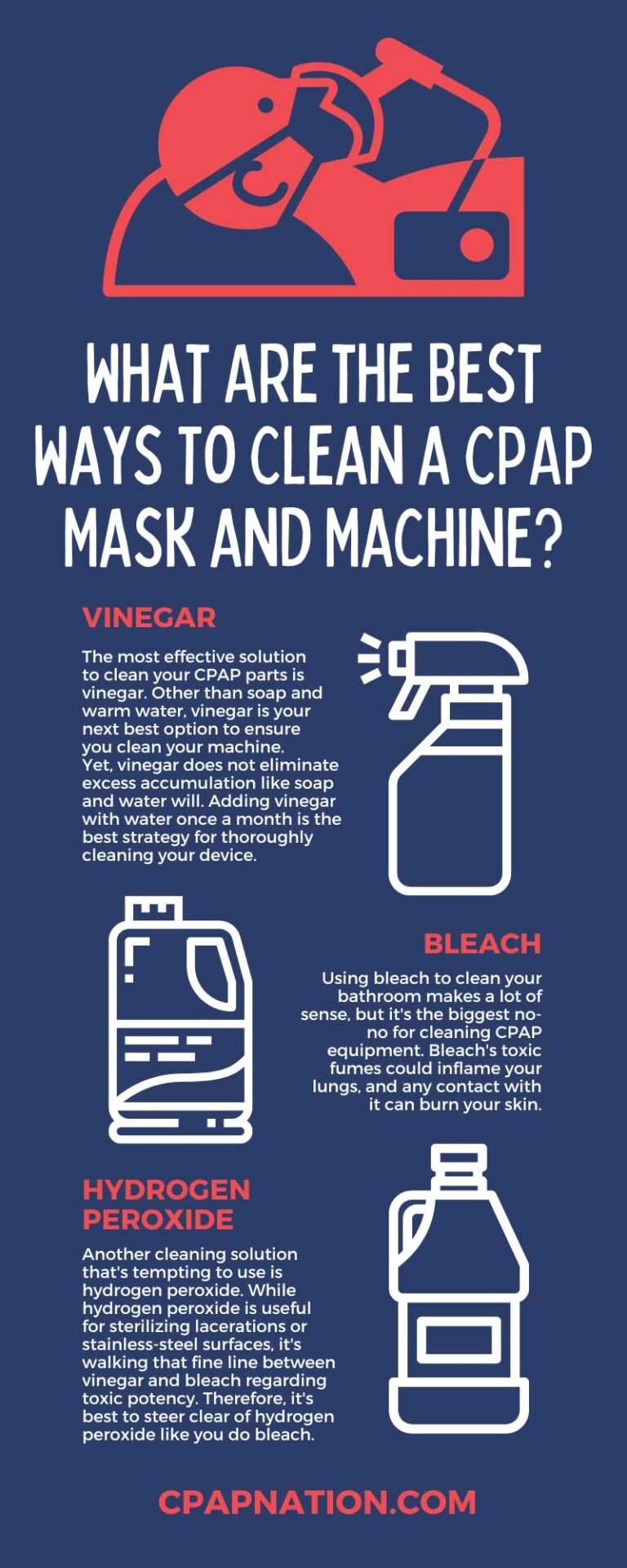
Many users prefer homemade CPAP cleaning solutions. A mild mix of white vinegar and water (1 part vinegar to 3 parts water) works well. This solution disinfects and removes mineral buildup in the water chamber and tubing.
Soak parts in the vinegar solution for 15-30 minutes, then rinse thoroughly with clean water. Avoid strong chemicals or bleach, as they can harm CPAP materials.
Homemade solutions are budget-friendly and safe if used properly. Always check your CPAP machine’s user manual for specific cleaning guidelines.
For those interested in cleaning other household appliances, our guide on how to clean casabrews espresso machine offers useful tips on maintaining delicate devices.
- ✅ Mix 1 part vinegar with 3 parts water
- ✅ Soak CPAP parts for 15-30 minutes
- ✅ Rinse thoroughly with clean water
- ✅ Air dry completely before use
Preventing Mold and Bacteria in CPAP Machines
Mold grows in damp, dark places like CPAP water chambers and hoses. To prevent this, clean parts daily and always use distilled water in the humidifier.
Empty the water chamber after each use and let it dry fully. Store the CPAP machine in a clean, dry place. Avoid leaving water in the tubing overnight.
Using CPAP dryer cleaning devices or UV light sanitizers can help kill microbes. However, these should not replace regular cleaning with soap and water.

Keeping your CPAP machine dry and clean is crucial for infection control and therapy success.
| Prevention Tip | How It Helps |
|---|---|
| Use distilled water | Reduces mineral deposits and bacteria growth |
| Dry parts after each use | Prevents mold and mildew |
| Store in dry place | Avoids moisture buildup |
| Clean daily | Stops bacteria buildup |
Following these tips lowers risks associated with CPAP machine bacteria removal and mold prevention.
Tools and Products for Safe CPAP Cleaning
Choose safe CPAP cleaning products designed for medical devices. Mild soap, CPAP cleaning wipes. And alcohol wipes are common choices. Avoid harsh chemicals that can damage the machine.
Specialized CPAP cleaning devices like UV sanitizers and ozone cleaners are popular. The FDA advises users to combine these with manual cleaning for best results.
Always consult your CPAP machine’s user manual for approved cleaners. Proper drying processes are also important to avoid damage.
For more on cleaning household items safely, check our advice on how to clean mop head without washing machine.
- Pros: Kills bacteria and viruses quickly
- Cons: Does not remove dirt. needs manual cleaning first
Alcohol Wipes
- Pros: Easy and fast for mask parts
- Cons: Can degrade soft silicone if overused
| Cleaning Product | Use | Notes |
|---|---|---|
| Mild Soap | Daily washing of mask and chamber | Safe and effective |
| Alcohol Wipes | Mask frame and straps | Use sparingly on cushions |
| UV Sanitizer | Supplemental sanitization | Do not replace manual cleaning |
| Vinegar Solution | Weekly hose and chamber cleaning | Rinse thoroughly |
Conclusion: CPAP Machine Care Tips for 2026
Cleaning your CPAP machine is vital for safe breathing therapy and device longevity. Daily washing of the mask and water chamber, weekly hose and filter care. And regular sanitization prevent bacteria and mold buildup.
Using safe CPAP cleaning products, homemade solutions. And approved devices supports this care. Always follow your user manual and maintain a drying routine.
Consistent CPAP equipment hygiene reduces infection risk and ensures your machine works well for years. This expert advice helps you keep your CPAP machine clean and your sleep apnea therapy effective.
For further tips on keeping devices clean, explore our full guide on how to clean my CPAP machine.
Frequently Asked Questions
How often should I clean my CPAP machine parts?
Daily cleaning of the mask and humidifier chamber is recommended. The tubing and filter should be cleaned weekly to prevent bacteria buildup.
Can I use alcohol wipes to disinfect my CPAP mask?
Yes, alcohol wipes are safe for disinfecting the mask frame and parts, but avoid using them on soft silicone cushions as it may damage them.
What is the best method to clean CPAP hoses?
Soaking the CPAP tubing in warm soapy water, rinsing well, and air drying is the best method to keep hoses clean and free of mold.
Are UV light sanitizers effective for CPAP cleaning?
UV light sanitizers can reduce bacteria on CPAP parts but should be used alongside regular soap and water cleaning for full hygiene.
Can homemade CPAP cleaning solutions be safe?
Yes, mild solutions like diluted vinegar and water can be effective for cleaning CPAP parts but must be used carefully and rinsed thoroughly.

Michael Peterson is a home appliance writer focused on practical washing machine care, maintenance, and troubleshooting. He shares simple, reliable tips to help readers keep their washing machines running efficiently, avoid common problems, and extend appliance life.