Why Cleaning Your Nespresso Machine Matters
Keeping your Nespresso machine clean is key to great coffee. Coffee oils and coffee residue build up inside, affecting taste and hygiene. Mineral deposits from hard water also gather in the system’s pressure parts and thermal block. These can block water flow and damage the machine.
Cleaning ensures your machine stays fresh and lasts longer. Industry experts agree that regular cleaning helps keep the machine’s pressure system working well. This preserves the rich espresso flavor you expect from models like the Nespresso Vertuo or Essenza Mini.
For a broader understanding of this mechanic, analyzing resources on how to clean and descale your coffee machine provides excellent foundational context.
Daily Nespresso Cleaning Routine
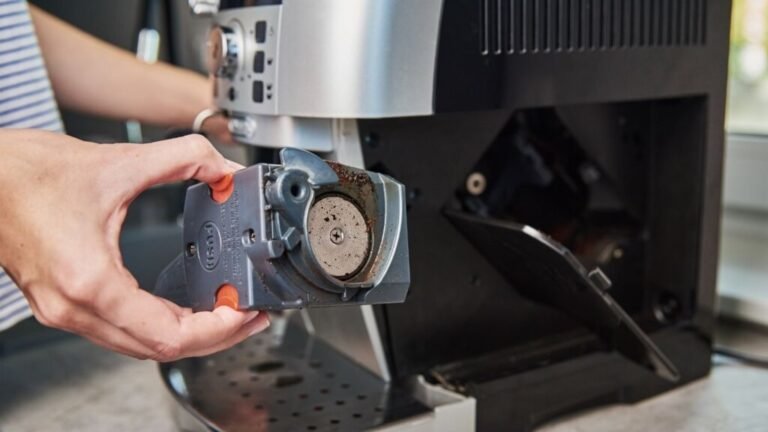
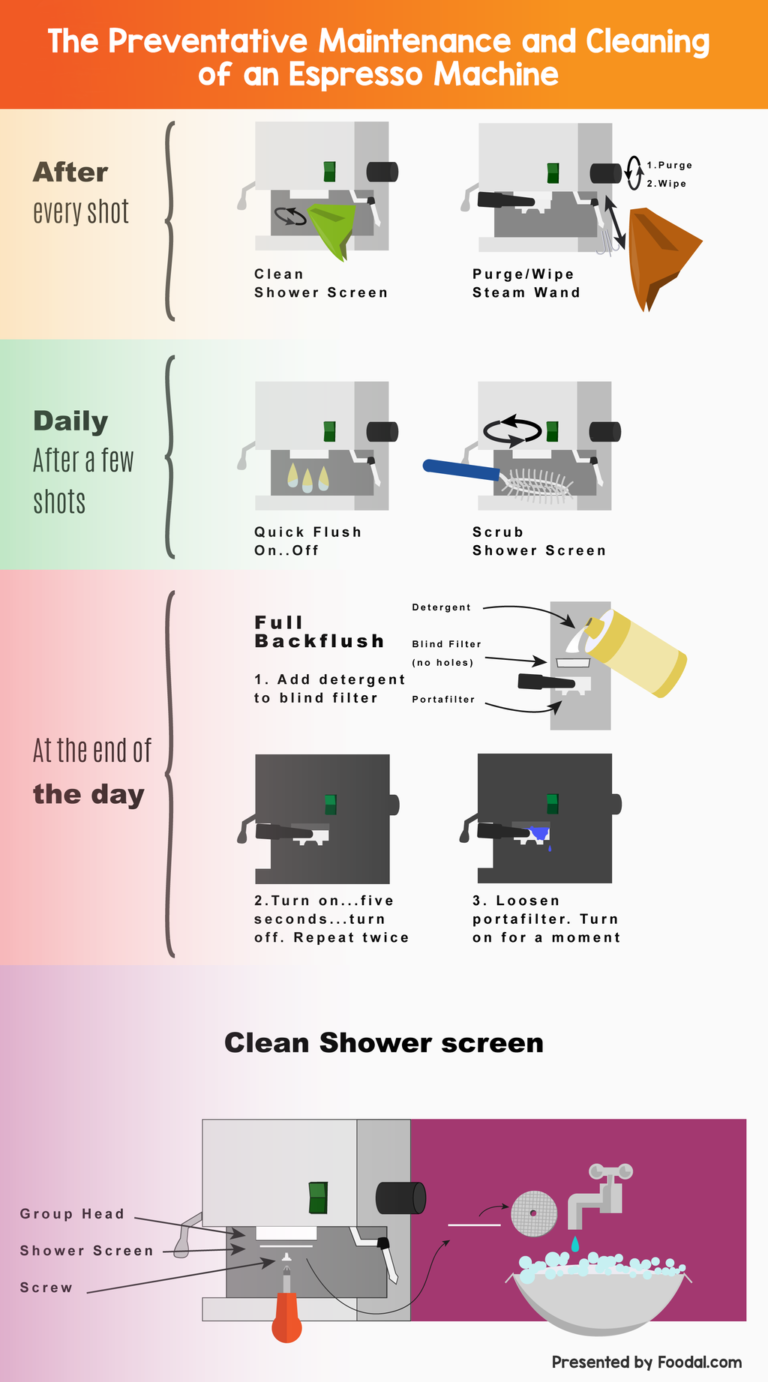
Each day, empty the drip tray and used capsule container. These collect coffee residue and water drips that can become moldy. Wipe the brew head and the machine’s outer parts with a soft cloth. This removes coffee oils and dust.
Running a quick water-only cycle helps flush leftover coffee grounds. Press the flow stop button to stop water flow when clear. If your model has an automatic cleaning Nespresso feature, use it daily for convenience. This simple daily routine prevents buildup and keeps coffee taste fresh.
Remember, keeping your Nespresso machine fresh starts with small daily steps.
Weekly Nespresso Cleanse
Once a week, do a deeper clean. Remove the water tank and clean it with warm soapy water. Check the water filter if your machine has one and rinse it. Clean the drip tray and capsule container thoroughly to remove coffee oils and residue.
Use a soft brush to clean the brew head and steam nozzle on models with a milk frother. This clears any stuck coffee grounds or milk residue. Regular weekly cleaning helps prevent mold in coffee machines and keeps your espresso machine hygienic.
These steps also reduce the risk of carbonate buildup from mineral deposits. This buildup can harm the pressure system and affect coffee flow.
Monthly Machine Descaling
Descaling your Nespresso machine is crucial to dissolve mineral buildup inside. Mineral deposits form from hard water and can clog the thermal block and water lines. Experts recommend descaling every three months or after about 300 uses.
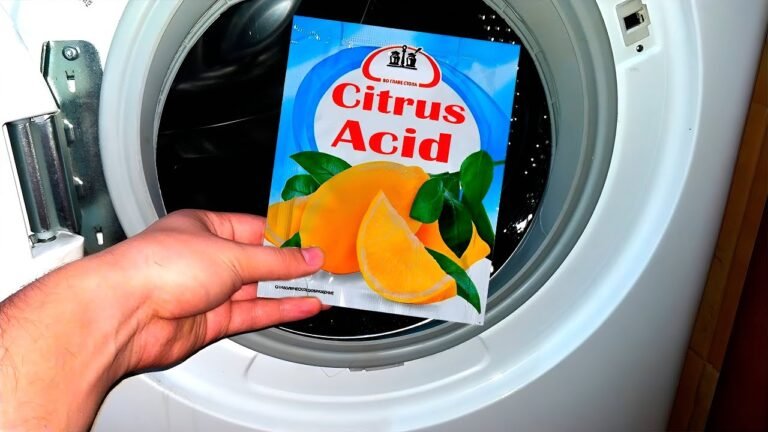
Use a Nespresso descaling kit for best results. It contains a food-safe solution that dissolves carbonate buildup without damaging your machine. Follow the official descaling steps carefully, activating the cleaning cycle. This keeps the pressure system working smoothly and maintains coffee taste and machine lifespan.
If you want to learn more about descaling frequency and methods, check the detailed insights on descaling your Nespresso machine every three months.
Remember, skipping descaling can cause permanent damage to your espresso machine’s thermal block and pressure system.
Best Cleaning Agents for Your Nespresso Machine
Choosing the right cleaning agents is important. Use the Nespresso descaling kit for mineral buildup. For general cleaning, mild dish soap and warm water work well for removable parts.

Avoid harsh chemicals or bleach. This can damage the machine or affect coffee taste. For cleaning coffee residue, specially designed cascade cleaners for espresso machines help remove stubborn oils.
Cleaning capsules are also available. This flush the machine with a cleaning solution. These are helpful for a deep cleanse without dismantling parts.
| Agent | Use | Effectiveness | Safe for Machine? |
|---|---|---|---|
| Nespresso Descaling Kit | Descaling | High | Yes |
| Mild Dish Soap | Parts Cleaning | Medium | Yes |
| Cascade Cleaner | Removing Coffee Oils | High | Yes |
| Bleach | Not Recommended | High | No |
Using the right agents ensures your Nespresso stays clean and tasting good without harm.
Preventing Mold and Maintaining Hygiene
Water and coffee residue create moist environments that can breed mold. To prevent this, always empty the drip tray and capsule container. Rinse the water tank weekly and leave it open to dry.
Clean the steam nozzle and milk frother after each use. This prevents milk buildup. This spoils fast. Mold in coffee machines harms flavor and can cause health risks.
Keep your Nespresso machine fresh by following these simple hygiene tips daily and weekly.
Using Machine Cleaning Indicators
Many Nespresso models have cleaning indicator lights. These alert you when it’s time to descale or clean the machine. Pay attention to these signals to avoid damage.
When the indicator lights up, start the descaling process using the Nespresso descaling kit. Ignoring these warnings can reduce your machine lifespan and affect coffee quality.
Monitoring these indicators helps you keep a monthly machine descaling schedule.
| Indicator Light | Action Required |
|---|---|
| Orange Light Flashing | Start Descaling |
| Green Light On | Machine Ready |
| Red Light Flashing | Machine Needs Cleaning |
Always refer to your model’s manual for exact meanings of indicator lights.
Impact on Coffee Taste and Machine Lifespan
Clean machines produce better coffee. Coffee oils and residue left in the brew head change the taste over time. Mineral buildup affects water flow, making espresso weak or uneven.

Regular cleaning and descaling protect the machine’s pressure system and thermal block. This extends your Nespresso machine lifespan and maintains consistent coffee quality.
Neglecting cleaning leads to costly repairs or replacement. The right maintenance keeps your investment brewing great coffee for years.
| Cleaning Task | Frequency | Benefit |
|---|---|---|
| Daily Cleaning | Every day | Prevents mold and residue buildup |
| Weekly Cleanse | Once a week | Removes coffee oils and milk residue |
| Monthly Descaling | Every 3 months | Prevents mineral buildup and damage |
Following this schedule optimizes your coffee experience and machine health.
Step-by-Step Guide to Cleaning Your Nespresso
Follow these steps to keep your machine clean and fresh:
- Empty drip tray and capsule container daily.
- Wipe brew head and machine exterior with a soft cloth.
- Rinse water tank and clean water filter weekly.
- Use a soft brush to clean brew head and steam nozzle weekly.
- Run a cleaning cycle with water or use cleaning capsules monthly.
- Descale using the official kit every 3 months.
Adhering to this simple routine prevents buildup and keeps coffee quality high.
🚀 Beginner Tip: Always use filtered water to reduce mineral deposits.
For detailed advice on maintaining your machine’s health, check this guide on how to clean your Nespresso Vertuo machine. It covers model-specific tips and cleaning techniques.
Also, learning how to clean out Nespresso machine parts helps you understand the full cleaning process.
Final Thoughts on Nespresso Machine Maintenance
Regular cleaning and descaling are essential in 2026 to enjoy fresh coffee and extend your Nespresso machine’s life. A daily routine prevents mold and residue. Weekly cleans remove oils and milk buildup. Monthly descaling stops mineral deposits from damaging the machine.
Use the right cleaning agents and follow the machine’s indicator lights for best results. This expert-approved approach keeps your espresso tasting rich and your machine running smoothly.
Investing a few minutes regularly saves you from costly repairs and poor coffee. Clean your Nespresso machine often to savor every cup with confidence.
Frequently Asked Questions
Why is regular cleaning important for a Nespresso machine?
Regular cleaning prevents buildup of coffee oils and mineral deposits. This keeps the coffee taste fresh and extends the machine lifespan.
How often should I descale my Nespresso machine?
Industry consensus recommends descaling every 3 months or after about 300 uses, depending on water hardness.
Can I use any cleaning agent for my Nespresso machine?
It is best to use recommended cleaning agents like the official Nespresso descaling kit or food-safe solutions.
What daily cleaning should I perform on my Nespresso machine?
Empty the drip tray and capsule container daily. Wipe the brew head and exterior to remove coffee residue.
How does water hardness affect Nespresso machine cleaning?
Hard water causes faster mineral buildup. Using a water filter and more frequent descaling helps prevent carbonate buildup.

Michael Peterson is a home appliance writer focused on practical washing machine care, maintenance, and troubleshooting. He shares simple, reliable tips to help readers keep their washing machines running efficiently, avoid common problems, and extend appliance life.