Introduction to Top Load Washer Cleaning
Keeping your top load washing machine clean is key to fresh laundry. Over time, dirt and grime build up in the drum and detergent dispenser. This can cause odors and mildew. A natural washing machine cleaner like white vinegar is a simple, eco-friendly solution. It helps remove buildup without harsh chemicals.
For a detailed guide on cleaning machine parts, visiting a trusted source like how to clean washing machine top loader offers excellent tips and safety advice. This article explains how to clean your washer using vinegar safely and effectively.
Regular maintenance keeps your washer working well and smelling fresh. Let’s explore the best way to clean your top loader with vinegar.
Why Clean Your Top Load Washer with Vinegar?
White vinegar is a natural disinfectant. It breaks down detergent residue, fabric softener buildup. And minerals from hard water. These cause a musty smell and mold growth in the washing machine tub. Cleaning with vinegar removes odors and mildew safely.
Vinegar also helps prevent buildup that can clog the washing machine detergent drawer and lint filter. Using vinegar in your washing machine cleaning cycle refreshes the drum naturally. This reduces the chance of washer mildew smell.
Industry consensus indicates vinegar is effective for odor elimination but should be used properly. Avoid mixing vinegar with bleach as it can cause harmful fumes.
Tools Needed for Cleaning
Prepare these items for your cleaning:
- • White vinegar (at least 2 cups)
• Hot water
• A clean cloth or sponge
• An old toothbrush or small brush
• Optional: Baking soda for extra cleaning power
These simple tools help you reach all parts of the washer, including the detergent dispenser and lint filter. For more on cleaning the outside, see how to clean washing machine outside.
Step-by-Step Guide to Clean Your Top Load Washer
Follow these steps to clean your washer safely and thoroughly with vinegar.
:max_bytes(150000):strip_icc()/clean-top-load-washing-machine-5073254-V1-4d57061f759a4c84a61cb797084649a7.png "How to Clean a Top-Load Washing Machine (Figure)")
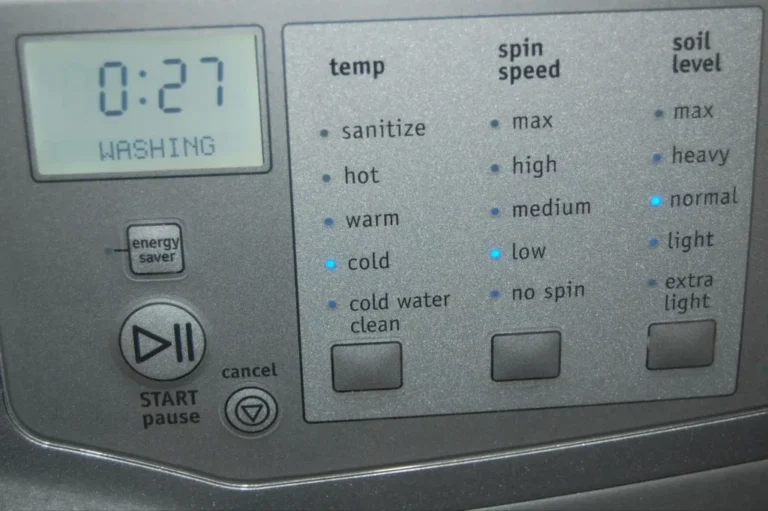
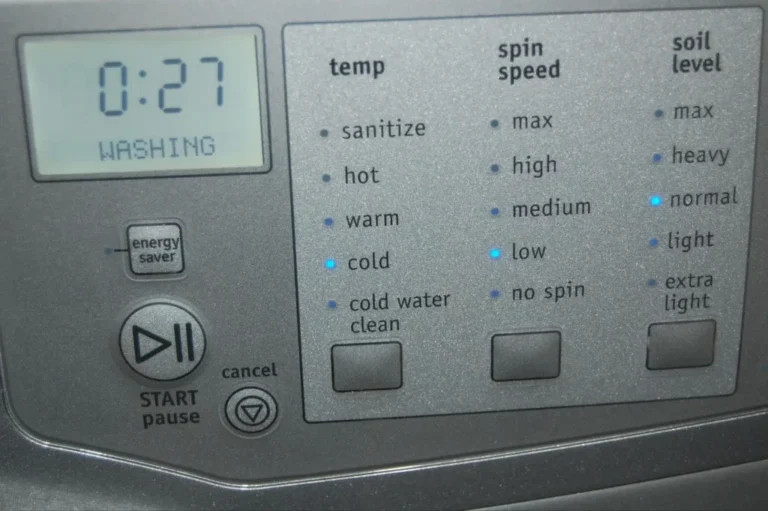
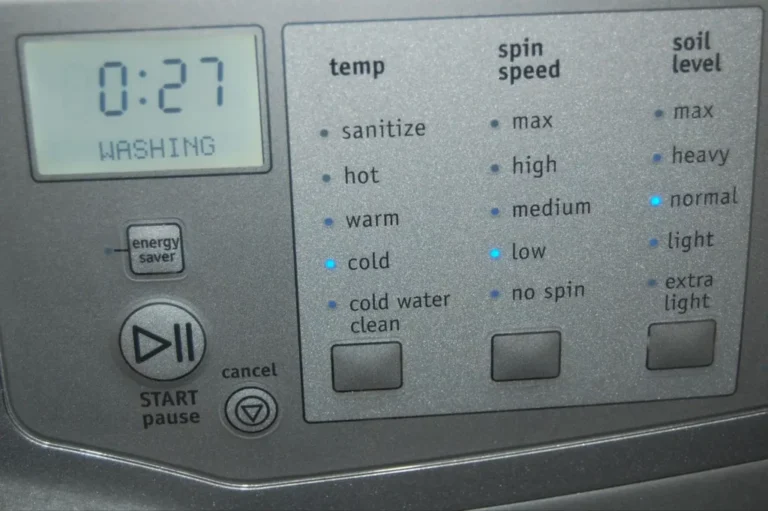
First, set your washer to the hottest and largest load setting available. Hot water helps dissolve buildup better.
Next, add 4 cups of white vinegar directly into the drum. Start the washing machine and let it fill with water. Then pause the cycle and let the washer soak for 1 hour. This soaking helps the vinegar break down dirt and mildew inside the drum.
After soaking, resume and complete the cleaning cycle.
Once finished, sprinkle 1 cup of baking soda inside the drum. Run another hot water cycle without clothes to freshen and deodorize the washer drum naturally.
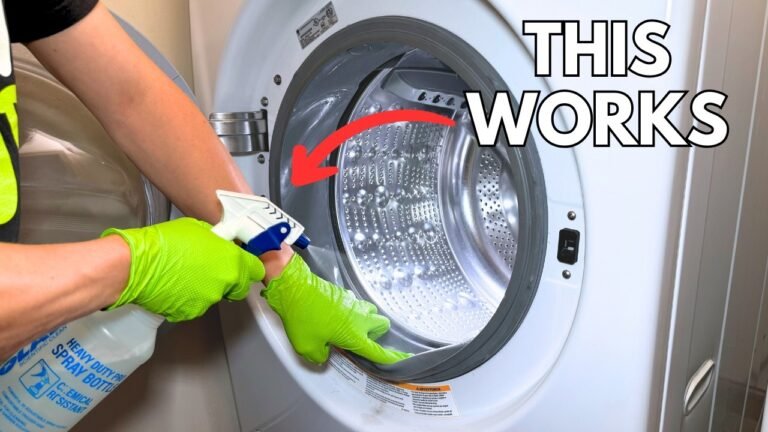
Finally, wipe down the inside of the drum and the detergent dispenser with a cloth dipped in vinegar and water. Use the brush to scrub any visible mold or buildup.
Open the lid after cleaning to allow the washer to air dry. This prevents mildew from returning.
This natural cleaning routine can be part of your washing machine maintenance routine to prevent buildup and odors over time.
Below is a simple table summarizing the cleaning steps:

| Step | Action | Purpose |
|---|---|---|
| 1 | Set washer to hot water, largest load | Maximize cleaning power |
| 2 | Add 4 cups white vinegar to drum | Break down dirt and mildew |
| 3 | Pause for 1-hour soak | Allow vinegar to work deeply |
| 4 | Complete cleaning cycle | Flush out residues |
| 5 | Add 1 cup baking soda, run cycle again | Freshen and deodorize drum |
| 6 | Wipe drum and detergent dispenser | Remove visible buildup |
Cleaning your washer this way prevents common problems and protects your clothes from odors.
How Often Should You Clean?
Cleaning every 1 to 3 months is ideal for most households. If you use your washer frequently, clean it monthly. This helps prevent detergent residue buildup and mold growth.
Regular cleaning also protects your machine from damage and keeps it running efficiently. It is a key part of top load washer maintenance.
Always check your washing machine manual for brand-specific cleaning advice to avoid voiding warranties or damaging parts.
Safety Tips When Using Vinegar
Vinegar is safe for washing machines but use it wisely. Avoid mixing vinegar with bleach or other strong cleaners. This can cause toxic fumes.
Use only white vinegar, not flavored or colored types. Rinse the drum well after cleaning to remove vinegar smell.
Consult your washing machine manual for any warnings about vinegar use. Some manufacturers discourage it due to potential rubber gasket damage.
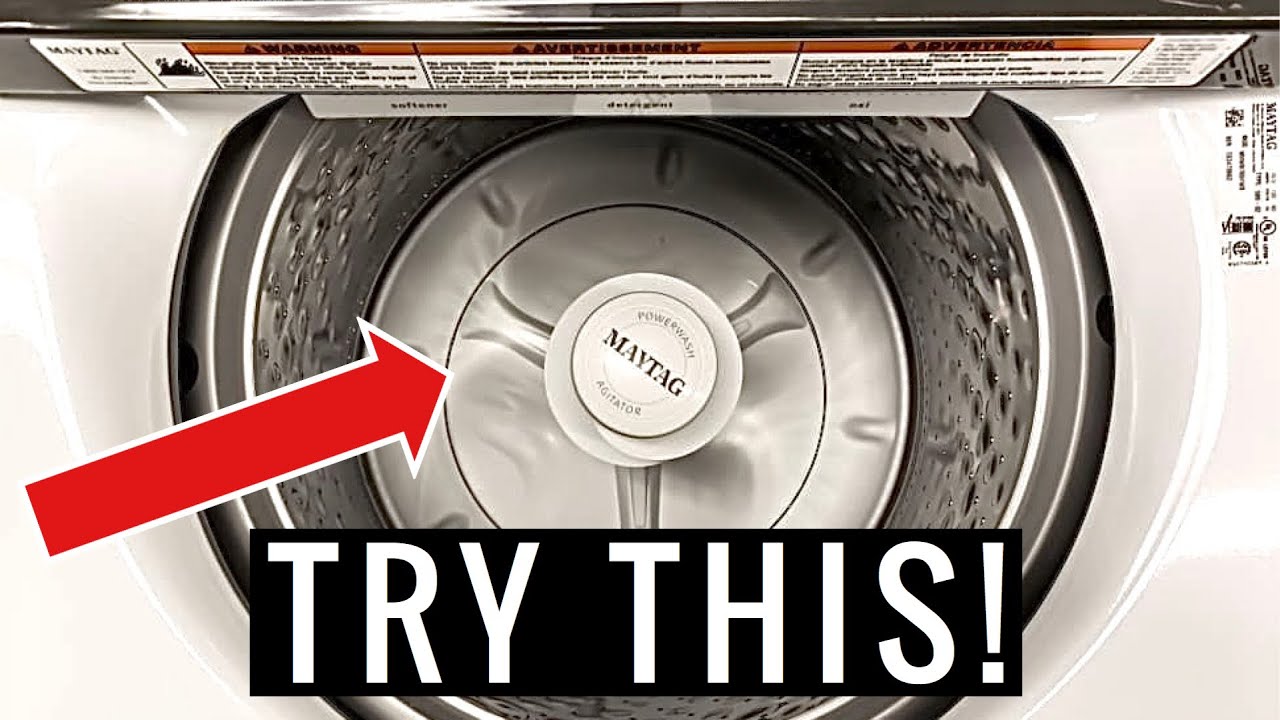
For expert advice on vinegar safety and alternatives, resources on Maytag’s vinegar washing machine safety are helpful.
Extra Washing Machine Cleaning Tips
Besides vinegar cleaning, keep your washer fresh with these tips:
- • Always leave the lid open after use to air dry
• Clean the lint filter regularly to avoid blockages
• Remove and clean the detergent dispenser to prevent buildup
• Avoid using too much detergent. This leads to residue
• Run a monthly cleaning cycle with natural supplements
These small steps help eliminate odors and keep your machine clean inside and out.
Below is a comparison table between vinegar and other common cleaning methods:
| Cleaner | Effectiveness | Safety | Eco-Friendly |
|---|---|---|---|
| White Vinegar | High for odors & buildup | Safe with precautions | Yes |
| Baking Soda | Good for deodorizing | Very safe | Yes |
| Commercial Cleaners | Very effective | Varies, check labels | Varies |
| Bleach | High for mold removal | Harsh, use carefully | No |
Choose the option that fits your needs and machine type best.
How to Prevent Washing Machine Buildup
Prevention is better than cure. To keep mold and odors from coming back, follow these steps:
- • Use the right amount of detergent
• Select proper water temperature based on fabric
• Avoid leaving wet clothes in the machine too long
• Run a maintenance cycle monthly with hot water and natural cleaners
• Clean detergent dispensers and lint filters regularly
Simple care helps your top load washer last longer and work better. For more on proper use, see how to use a washing machine top loader.
Conclusion
Cleaning your top load washing machine with vinegar is a safe, natural way to remove odors, mildew. And detergent buildup. It saves money and reduces harsh chemical use. Follow the steps outlined here every few months to keep your washer fresh and working well.
Remember to check your machine’s manual for specific advice and safety tips. Combine vinegar cleaning with good maintenance habits like wiping down the drum, cleaning the dispenser. And airing out the washer.
With regular care, your washer will stay fresh and your laundry will smell clean. Use vinegar wisely and enjoy a clean, healthy laundry routine!
Frequently Asked Questions
Is vinegar safe to use in a top load washing machine?
Yes, white vinegar is a natural disinfectant and safe for most top load washers when used in moderation. Always check your washing machine manual to confirm.
How often should I clean my top load washing machine?
For optimal maintenance, clean your washing machine every 1 to 3 months depending on usage to prevent mildew and odor buildup.
Can vinegar remove washing machine odors effectively?
Yes, vinegar helps eliminate odors caused by mildew and detergent residue, keeping your washer fresh.
What is the best way to descale a washing machine?
Running a cleaning cycle with hot water and white vinegar is an effective natural way to descale and remove mineral buildup.
Should I clean the detergent dispenser in my top loader?
Yes, cleaning the detergent dispenser regularly helps prevent fabric softener buildup and ensures proper detergent flow.

Keith Boyd Is A Seasoned Appliance Care Expert With Over A Decade Of Experience In Home Appliance Maintenance. His Authoritative Insights On Washing Machine Care And Upkeep Are Trusted By Homeowners Nationwide. With A Passion For Educating Others, Keith Shares Valuable Tips That Ensure Your Appliances Run Smoothly For Years To Come.