Introduction to Cleaning Memory Foam Pillows
Memory foam pillows are popular for comfort and support. They need special care to last long. Unlike regular pillows, cleaning memory foam requires gentle methods. This article covers safe washing, stain removal, and drying tips. For a deeper understanding of the best cleaning approach, analyzing resources on memory foam pillow cleaning techniques provides excellent foundational context.
It is important to protect the foam from water damage and heat. Using the right detergent and drying methods keeps pillows fresh and allergy friendly. Following manufacturer instructions ensures foam elasticity and hygiene.
Washing Guidelines for Memory Foam
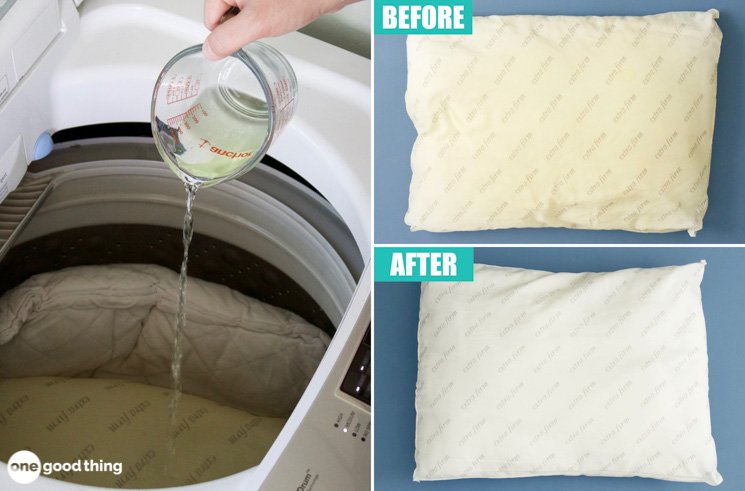
Memory foam pillows should never be machine washed. The washing machine’s agitation and water can break down the foam cells. Instead, remove the pillow cover and wash it separately. Use a gentle cycle and mild detergent for covers only.
Hand washing the foam is the safest way. Use a clean basin with cold water and a small amount of gentle detergent. Dip a soft cloth or sponge and dab the foam gently. Avoid soaking the pillow fully to limit water absorption and damage.
After spot cleaning, rinse with a damp cloth to remove detergent. Do not wring or twist the foam, as this can deform it. Memory foam pillow care focuses on minimal water use and gentle handling.
For information on washing pillow covers safely, see our guide on washing down pillow covers. It offers tips that apply to memory foam pillow covers too.
Removing Stains from Foam Pillows
Stains on memory foam pillows should be treated quickly. Use a mild detergent mixed with water. Apply the solution with a sponge or cloth directly on the stain. Blot gently without rubbing hard.
For tougher stains, a mixture of baking soda and water can help lift dirt. Let it sit for 15 minutes before wiping off with a damp cloth. Avoid harsh chemicals or bleach as they can harm foam and reduce lifespan.
Always test any cleaning solution on a small area first to check for foam color or texture changes. Keeping pillows clean helps prevent odors and allergens.
Drying Memory Foam Pillows
Drying memory foam pillows is critical. Wet foam can trap moisture and cause mold growth. After cleaning, press the pillow lightly with towels to soak up excess water. Never twist or wring the pillow.
Place the pillow in a well-ventilated spot out of direct sunlight. Avoid heat sources like radiators or dryers, as high temperatures degrade foam elasticity. Air drying can take 24 to 48 hours depending on humidity and ventilation.
Use a fan to speed up drying if needed. Some experts suggest occasional fluffing to keep the foam shape during drying. Proper drying prevents foam degradation and maintains pillow hygiene.
Memory Foam Pillow Maintenance
Regular maintenance extends memory foam pillow lifespan. Use a pillow protector to reduce stains and dirt buildup. Machine wash the protector regularly following the instructions on its label.
Avoid exposing pillows to moisture or heat. Rotate pillows weekly to distribute wear evenly. Cleaning frequency depends on use but washing foam every few months keeps it fresh. Pillow covers can be washed more often.
Proper care prevents foam breakdown, mold growth, and allergens. Follow manufacturer instructions and avoid machine washing foam to maintain comfort and support.
Common Washing Mistakes to Avoid
Many users try to machine wash memory foam, risking damage. Foam absorbs water deeply, making drying slow and mold likely. Using harsh detergents or bleach harms foam cells.
Drying foam in a dryer or direct heat causes foam to lose elasticity and break down. Also, not drying foam fully leads to mildew and odors. These mistakes shorten pillow life and reduce hygiene.
Stick to hand washing and air drying. Use mild detergents and avoid soaking. These steps protect your pillow and keep it allergy friendly.
/wash-latex-memory-foam-bed-pillows-2146358-04-d2dfbd9adc3e486589e419cbe15ddebb.jpg "How to Wash and Care for Latex and Memory Foam Bed Pillows (Figure)")
Memory Foam Pillow Care Comparison
Below is a table comparing cleaning methods for memory foam pillows, highlighting key pros and cons.
| Cleaning Method | Pros | Cons |
|---|---|---|
| Hand Washing | Gentle on foam; controls water use | Time-consuming; requires care |
| Machine Washing | Quick; easy for covers | Damages foam; not recommended for foam |
| Spot Cleaning | Targets stains; minimal water | Not for deep cleaning |
Hand washing and spot cleaning are best for foam. Machine washing is only safe for covers.
To protect your foam pillow, consider using a quality pillow protector. Washing the cover regularly helps keep dirt and oils off the foam.
For extra pillow hygiene, vacuuming the foam lightly can remove dust and allergens without moisture.
Step-by-Step Guide to Clean Memory Foam Pillows
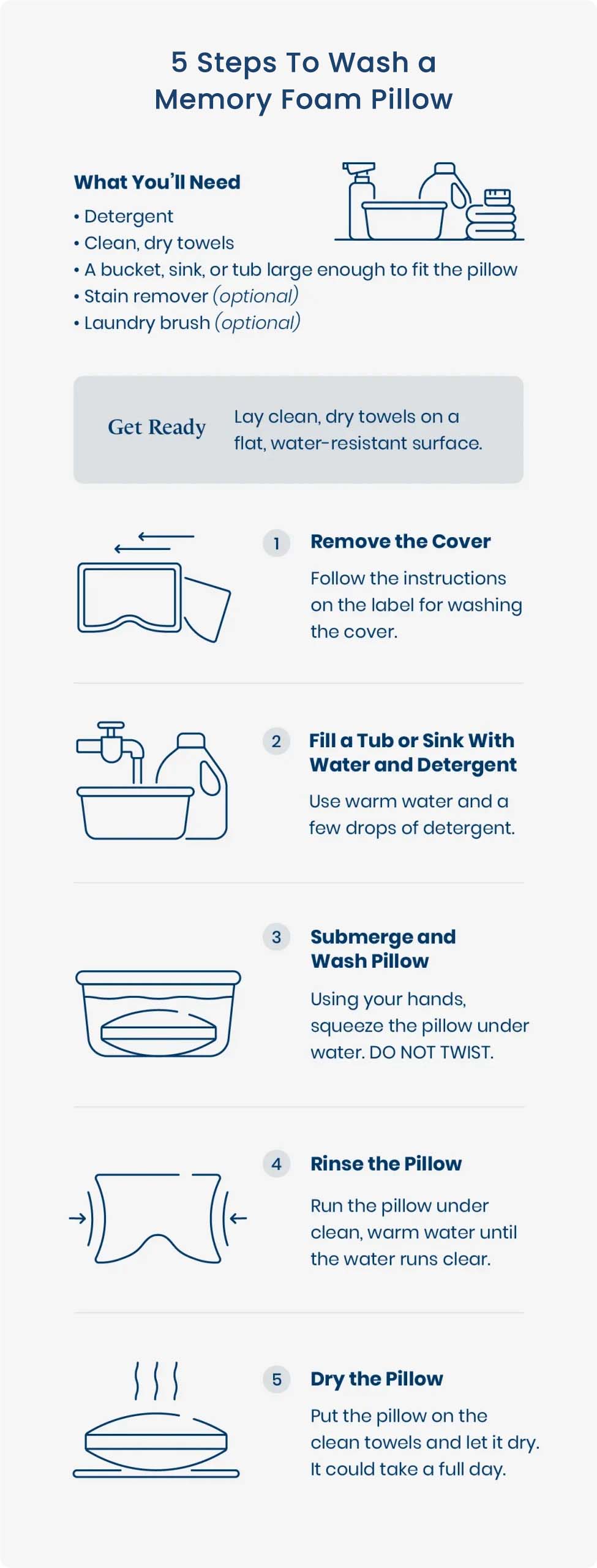
Follow these steps for safe cleaning:
- Remove pillow cover and wash it on a gentle cycle.
- Fill a basin with cold water and mild detergent.
- Use a sponge to dab stained areas gently.
- Rinse with a damp cloth to remove soap.
- Press pillow with towels to absorb water.
- Air dry in a shaded, ventilated area.
- Fluff pillow occasionally during drying.
This process ensures foam stays intact and fresh. Avoid machine washing the foam itself at all costs.
Allergy Friendly Pillow Cleaning
Memory foam pillows can trap allergens if not cleaned properly. Regular washing of covers and gentle cleaning of foam reduce dust mites.
Use fragrance-free, mild detergents to avoid skin irritation. Air pillows fully to prevent mold spores. Keeping pillows dry and clean promotes a healthy sleep environment.
Routine pillow cover washing, combined with spot cleaning the foam, is the best way to maintain pillow hygiene for allergy sufferers.
Effects of Water and Heat on Memory Foam
Memory foam absorbs water easily. When soaked, the foam can lose its shape and support. Water can linger inside foam cells, causing mold and odors.
Heat speeds drying but can damage foam. High temperatures break down foam structure, causing it to harden or crumble. Always avoid dryers or direct sunlight on foam pillows.
Controlling water exposure and drying time is key to preserving foam density and elasticity.
Final Considerations and Expert Advice
Industry consensus indicates hand washing and air drying are the safest methods for memory foam pillows. Protect foam with covers and avoid machine washing the foam itself.
Proper maintenance extends pillow life and keeps sleep healthy. Clean stains quickly and dry thoroughly to prevent mold and odors. Follow manufacturer guidelines closely.
For more detailed instructions and tips, exploring memory foam pillow cleaning resources is highly recommended.
Safe care results in fresh, supportive pillows that last for years.
Recommended Maintenance Schedule
The table below outlines suggested cleaning frequencies for memory foam pillows and covers.
| Item | Cleaning Frequency | Method |
|---|---|---|
| Pillow Cover | Monthly | Machine wash gentle cycle |
| Memory Foam Pillow | Every 3-6 months | Hand wash spot clean, air dry |
| Protective Pillowcase | Every 1-2 months | Machine wash |
Regular cleaning keeps pillows fresh and allergy free. Adjust frequency based on individual use and conditions.
Choosing the Right Detergent and Cleaning Products
Use mild, liquid detergents without bleach or brighteners for cleaning memory foam pillows. Powder detergents may leave residues that harm foam cells.
Fragrance-free and hypoallergenic products are best for sensitive skin and allergy prevention. Avoid fabric softeners which can coat foam and reduce breathability.
Spot cleaning with gentle soap or baking soda paste is effective for stains without soaking.
Drying Methods Comparison
Choosing the right drying method is vital for foam care. The table below compares common approaches.
| Drying Method | Advantages | Disadvantages |
|---|---|---|
| Air Drying | Preserves foam; prevents mold | Slow; depends on weather |
| Fan Assisted | Speeds drying; gentle | Needs power; still some wait time |
| Machine Drying | Fast drying | Damages foam; not recommended |
Air and fan drying are safe and maintain pillow integrity. Machine drying risks foam damage and should be avoided.
Maintaining proper drying practices prevents mold growth and keeps pillows fresh longer. Avoid high heat and direct sunlight exposure.
In summary, gentle hand washing, stain spot treatment, and air drying are the best practices to keep memory foam pillows clean and in good shape. Use protective covers and wash them often. Handle foam carefully to keep its shape and softness.
Following these tips ensures your pillows last longer and stay fresh, safe, and allergy friendly for a better night’s sleep.
Frequently Asked Questions
Can memory foam pillows be machine washed?
Memory foam pillows should not be machine washed as the agitation and water can damage the foam’s structure and elasticity.
What is the best way to remove stains from memory foam pillows?
Spot cleaning with mild detergent and cold water is best for removing stains without harming the foam.
How often should memory foam pillows be cleaned?
Cleaning frequency depends on use, but washing covers monthly and foam every 3-6 months helps maintain hygiene.
How do you dry memory foam pillows without damaging them?
Air drying in a well-ventilated area away from heat sources preserves foam integrity and prevents mold growth.
Can memory foam pillows develop mold?
Yes, if exposed to moisture and not dried properly, memory foam pillows can develop mold, so proper drying is crucial.

Keith Boyd Is A Seasoned Appliance Care Expert With Over A Decade Of Experience In Home Appliance Maintenance. His Authoritative Insights On Washing Machine Care And Upkeep Are Trusted By Homeowners Nationwide. With A Passion For Educating Others, Keith Shares Valuable Tips That Ensure Your Appliances Run Smoothly For Years To Come.