Understanding the Heavy Setting on Washing Machines
The heavy setting on a washing machine is designed for tough laundry jobs. This cycle uses more water and energy to clean clothes that have heavy soil or stains. It also runs longer than standard cycles. The goal is to give a deep clean to bulky or very dirty items.
Choosing the right washing machine settings matters. It helps preserve your clothes and saves energy. For more on managing bulky items, see our guide on what is bulky in washing machine.
Heavy wash cycles often use higher water temperatures. Warm water helps break down heavy soils and stains. The washing drum spins at higher speeds to shake out dirt. This cycle is ideal for fabrics like towels, jeans, or work clothes.
How the Heavy Wash Cycle Works
The heavy wash cycle adjusts several factors. It increases water levels and cycle duration. This means your washing machine fills more and washes longer. The motor runs the drum with more force to clean deeply.
Spin speed is also higher during the heavy cycle. This helps remove as much water and dirt as possible. Some machines have sensors to balance the load and reduce vibration. These features make the wash effective and safe.
Industry consensus indicates that detergent amount should be increased for heavy loads. Adding the right detergent amount helps fight tough stains. However, using too much can cause residue build-up. Always follow your washing machine user manual for guidance.
For a deeper understanding of this mechanic, analyzing resources on heavy duty cycle on washing machines provides excellent foundational context.
Choosing Load Size and Soil Level
Most washing machines let you select load size. This tells the machine how much water to use. Heavy loads need more water to soak and clean well. The laundry load weight should not exceed your machine’s capacity.
Soil level settings help the machine know how dirty your clothes are. Heavy soil wash means your clothes have tough stains or dirt. Setting this correctly avoids overusing water or detergent. It also prevents damage to fabrics.
Load size selection is key to energy efficiency. Overloading can cause poor cleaning and machine vibration. Underloading wastes water and energy. Balance your load size with fabric type and soil level for best results.
Water Levels and Heavy Wash Temperature
Heavy cycles typically use high water levels. This helps soak and loosen dirt. Water temperature also goes up. Hot water helps break down grease and tough stains.
However, some fabrics need cooler water to avoid shrinkage. Heavy fabric wash cycles must consider this. Always check clothing labels for temperature advice. Ignoring this can ruin clothes even if the wash cleans well.
Modern washing machines adjust water levels and temperature automatically. Drum sensors detect load size and fabric type. This smart tech saves water and power while cleaning deeply.
Detergent Amount for Heavy Loads
Detergent use must match load size and soil level. Heavy loads need more detergent. But too much detergent causes residue and can harm the washing drum.
Use detergents made for heavy wash cycles. These have enzymes to break down tough stains. Follow the instruction on detergent packaging and your washing machine manual. This avoids waste and keeps your machine clean.
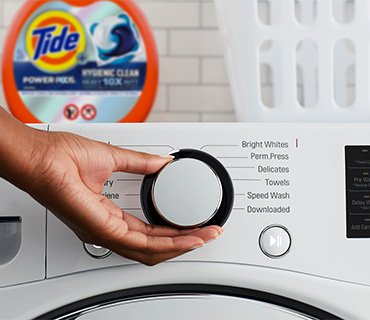
:max_bytes(150000):strip_icc()/how-to-select-the-correct-cycle-2145866_FINAL-10d1b95640284e0a8d01d4523455c7ee-25c018a4c0304212a13315b7ab181e33.png "How to Select Washer Settings for Clothes and Towels (Figure)")
Many washers now sense soil level and adjust detergent release. This tech improves cleaning and reduces energy usage.
Spin Speed and Energy Consumption
Higher spin speeds help remove water after washing. Heavy cycles spin faster to cut drying time. But very high speeds can damage delicate fabrics.
Energy consumption rises with heavy cycles. They run longer and use more water and heat. Choosing heavy wash only when needed saves power and water. For basic laundry, normal cycles use less energy.
Energy-efficient washers balance spin speed and cycle duration. This reduces costs while cleaning well.
Common Washing Machine Error Codes
Heavy cycles can sometimes trigger error codes. These warn about load imbalance or motor strain. If your washer shows an error, consult the washing machine user manual.
Errors may mean the load is too heavy or uneven. Redistribute clothes or reduce load size. This prevents machine wear and improves wash quality.
Knowing error codes helps you quickly fix issues without calling repair service.
Summary of Heavy Wash Cycle Features
| Feature | Description | Benefit |
|---|---|---|
| Water Level | Higher | Better soaking and dirt removal |
| Cycle Duration | Longer | Deeper cleaning of heavy soil |
| Water Temperature | Hotter | Breaks down grease and stains |
| Spin Speed | Faster | Removes more water, cuts drying time |
| Detergent Amount | Increased | Improved stain removal |
Using the heavy wash cycle is smart when dealing with bulky or dirty laundry. Follow fabric care labels and machine instructions. This keeps clothes safe and machines lasting longer.
For effective care, learn how to clean washing machines regularly. Proper maintenance supports all wash cycles. You can find tips on how to clean laundry machine to keep your washer fresh.
Pros & Cons of Heavy Wash Cycle
• Pros: Deep cleaning, removes tough stains, good for bulky fabrics.
• Cons: Uses more water and energy, longer cycle times, possible fabric wear if misused.
Choosing the heavy wash cycle wisely saves resources and protects clothes. It’s best for heavy soil and durable fabrics. For light or delicate items, choose gentler settings.
Step-by-Step Guide to Using the Heavy Cycle
- Sort laundry by fabric type and soil level.
- Load the washing machine without overfilling.
- Select the heavy wash cycle on the panel.
- Adjust water temperature according to care labels.
- Add detergent recommended for heavy loads.
- Start the cycle and monitor for error codes.
- Remove clothes promptly to avoid wrinkles and odor.
Following these steps ensures your laundry comes out clean and fresh. Avoid overloading to prevent machine vibration issues. If you face problems, check troubleshooting in the washing machine manual.
Modern washers with smart sensors make heavy load washing easier. They balance water, detergent, and spin to optimize results every time.
Frequently Asked Questions
What is a heavy wash cycle on a washing machine?
A heavy wash cycle uses more water, longer wash time, and higher spin speeds to clean large or heavily soiled loads.
When should I use the heavy setting on my washing machine?
Use the heavy setting for bulky items, tough stains, or large laundry loads that need deep cleaning.
Does the heavy wash cycle use more energy?
Yes, heavy cycles use more water and energy due to longer wash times and higher water temperatures.
How does fabric type affect the heavy wash cycle choice?
Delicate fabrics should avoid heavy cycles to prevent damage. Heavy cycles suit sturdy fabrics like denim or towels.
What does soil level mean on a washing machine?
Soil level tells the machine how dirty your clothes are, helping it adjust wash time and water usage.

Michael Peterson is a home appliance writer focused on practical washing machine care, maintenance, and troubleshooting. He shares simple, reliable tips to help readers keep their washing machines running efficiently, avoid common problems, and extend appliance life.