Understanding the Roles: Plumber vs Appliance Technician
Many people wonder if a plumber can fix a washing machine. The truth is, both plumbers and appliance repair technicians play roles in washing machine repair. But their skills and tools differ. Plumbers mainly handle water supply lines, valves. And leaks related to the machine. Appliance repair technicians focus on the internal parts like the motor, drum. And electrical wiring.
Knowing these differences helps you get the right repair service. For example, if your washing machine is not filling with water, a plumber might be needed. For a washing machine not spinning or electrical issues, an appliance technician is best. If you want to learn more about washing machine care, check out our guide on cleaning rugs in washing machines.
This article will cover what plumbers can fix, when to call an appliance technician. And tips for DIY washing machine repair. It also explains appliance repair costs and tools used by plumbers for washing machines.
What Washing Machine Problems Do Plumbers Fix?
Plumbers are experts in water flow and pipes. When it comes to washing machines, they handle plumbing services like:
- ✅ Fixing or replacing the washing machine water supply line
- ✅ Repairing or changing washing machine hoses to stop leaks
- ✅ Clearing clogs in the washing machine drain hose
- ✅ Checking and fixing valve leaks that cause water damage
- ✅ Installing washing machines and connecting water lines properly
These tasks require plumber tools such as wrenches, pipe cutters. And leak detection devices. If you have a washing machine water supply issue or a leak, a plumber is the right professional to call.
However, problems with the washing machine drum, motor, or electrical wiring usually need an appliance repair technician.
When to Call an Appliance Repair Technician
Appliance repair technicians specialize in the machine’s mechanics and electronics. They fix common washing machine problems like:
- Washing machine not spinning
- Electrical issues in the control panel or wiring
- Drum or motor failure
- Faulty detergent drawer or internal leaks
These repairs need specialized knowledge of home appliance maintenance and access to replacement parts. Appliance technicians often provide professional washing machine servicing to keep your washer and dryer repair needs covered.
For a deeper understanding of this mechanic, analyzing resources on who to call to fix washing machine provides excellent foundational context.
Plumber vs Appliance Technician: Tools and Responsibilities
Plumbers use tools like pipe wrenches, pliers. And leak detectors. Their main responsibility is to ensure a safe, leak-free water supply and drainage system for washing machines.
Appliance repair technicians carry multimeters, screwdrivers. And part testers. They focus on the washing machine drum, motor. And electrical wiring to diagnose and fix mechanical and electronic faults.
This distinction means you might need to contact both professionals if your washing machine has multiple issues.
Washing Machine Installation and Plumbing Services
Installing a washing machine involves plumbing steps like connecting the water supply line, securing the drain hose. And checking valves for leaks. Plumbers usually perform this installation to avoid water damage risks.
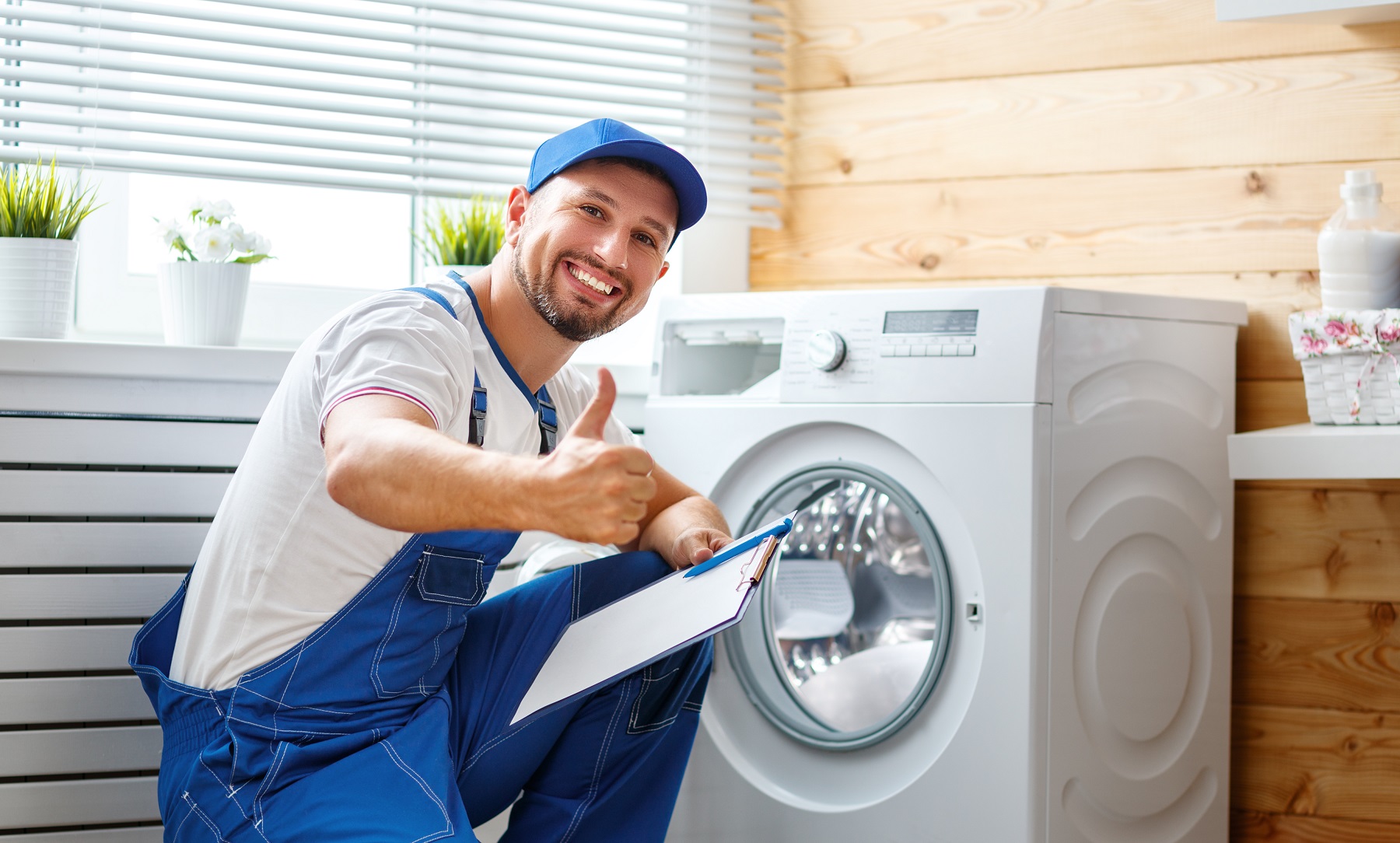
Proper installation also includes making sure the washing machine is level and stable. Incorrect setup can cause drainage problems or noisy wash cycles.
After installation, regular professional washing machine servicing can prevent common washing machine problems and keep your appliance running smoothly.
Common Washing Machine Problems Plumbers Can Fix
Plumbers are well-equipped to fix these common washing machine issues:
- Washing machine water supply issues like no water or low water flow
- Fixing washing machine leaks at hoses or valves
- Unclogging washing machine drainage problems caused by blocked drain hoses
These problems often cause flooding or damage if not repaired quickly. Timely plumber repairs reduce risk and cost.
Washing Machine Hose Replacement: Spotting Leaks
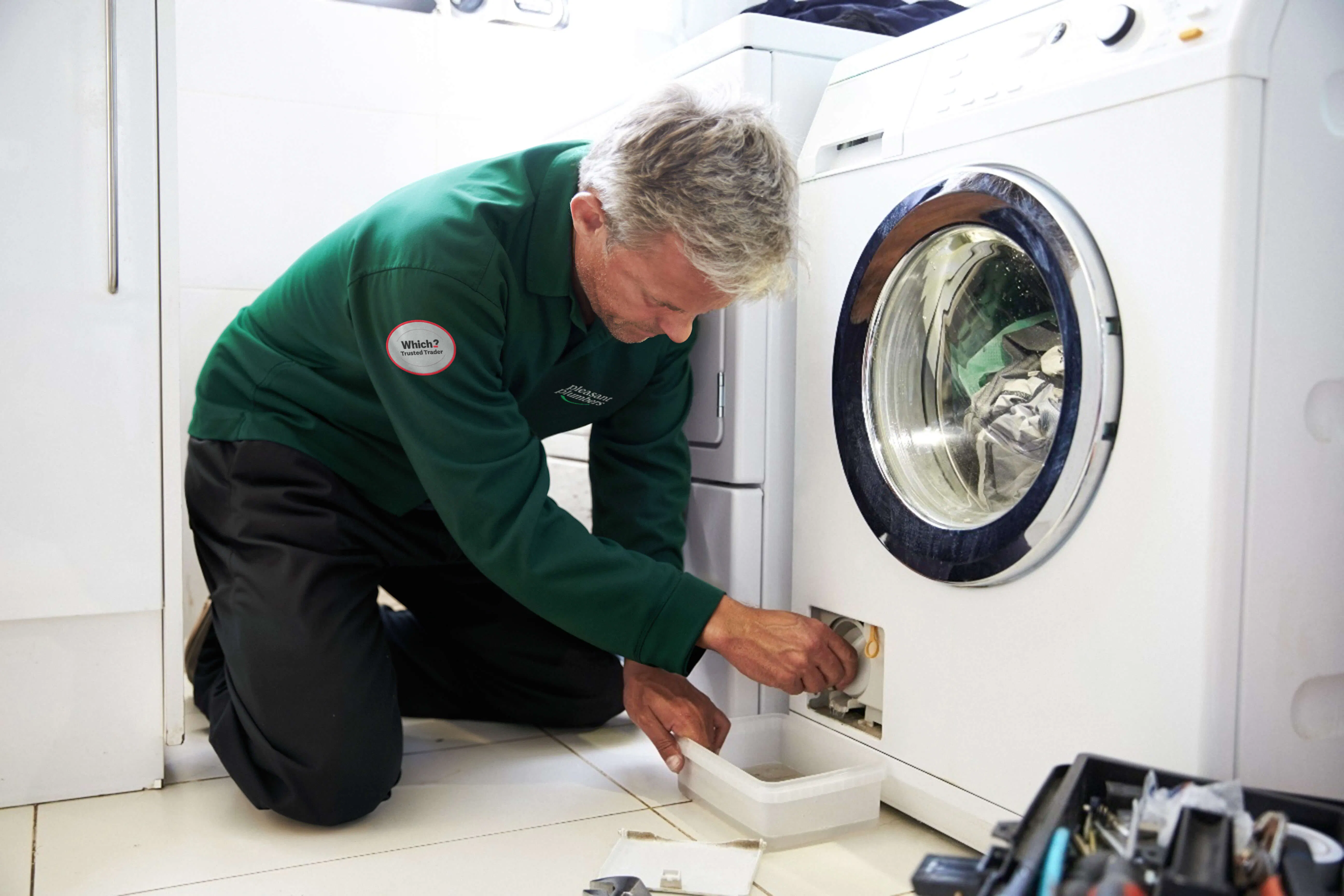
Hoses are a common source of washing machine leaks. Plumbers inspect hoses for cracks, bulges, or loose fittings. Replacing a washing machine hose is usually quick and affordable.
For DIY washing machine repair tips, always turn off the water supply before removing hoses. Using the right plumbing tools for washing machines makes the job safer and easier.
Here is a quick checklist for hose replacement:
- Turn off water supply
- Disconnect old hose
- Inspect hose and fittings
- Install new hose securely
- Turn on water and check for leaks
DIY Washing Machine Troubleshooting Guide
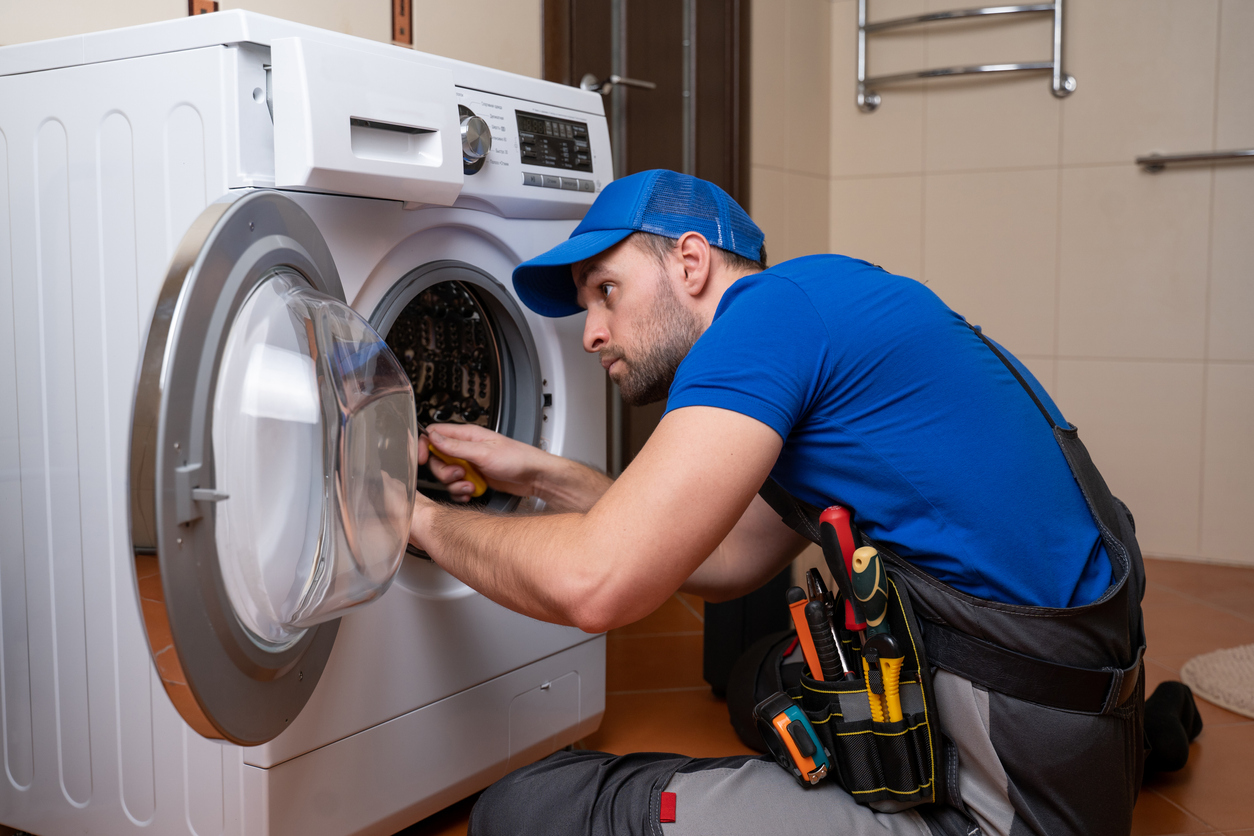
Before calling a professional, try these simple steps:
- Check if the water supply valve is fully open
- Inspect hoses for leaks or kinks
- Clear the drain hose of any clogs
- Reset the washing machine by unplugging it for a few minutes
- Ensure the detergent drawer is clean and not blocked
If these steps don’t help, contact a plumber or appliance technician depending on the issue.
For more repair tips, see our article on washing shoes in a washing machine for safe practices.
Appliance Repair Cost and When to Hire Professionals
Washing machine repair costs vary by problem. Plumbing fixes like hose replacement or unclogging drains can cost between $100 and $200. More complex appliance repairs may cost $200 to $300 or more.
Hiring a professional ensures proper diagnosis and reduces the chance of repeat issues. Many local appliance repair services offer warranties on their work for peace of mind.
Essential Plumbing Tools for Washing Machines
Plumbers use several key tools when fixing washing machines:
- Adjustable wrenches for tightening fittings
- Pipe cutters to remove old or damaged pipes
- Leak detection devices to find hidden water leaks
- Drain snakes to clear clogs in drain hoses
Having the right tools helps plumbers fix washing machine water supply problems quickly and safely.
Fixing Washing Machine Leaks: Tips and Tricks
Leaks can damage your home if left unchecked. To fix leaks, plumbers first identify the source—usually hoses or valves. They may replace old hoses or tighten fittings to stop leaks.
Regular inspection and maintenance reduce leaks. Consider scheduling professional washing machine servicing yearly to catch issues early.
Washing Machine Drainage Problems and Solutions
Drainage issues often cause water to back up or the machine to stop mid-cycle. Plumbers clear clogged drain hoses or check drainage pipes for blockages.
Sometimes, drainage problems relate to improper hose installation. Plumbers ensure the drain hose is correctly vented and secured during washing machine installation.
Conclusion: Choosing the Right Expert for Washing Machine Repairs
In 2026, knowing who to call for washing machine repair saves time and money. Plumbers fix water supply lines, leaks. And drainage problems. Appliance repair technicians handle mechanical and electrical faults inside the machine.
For common washing machine problems, start with simple DIY fixes. If plumbing issues persist, call a plumber. For motor or wiring problems, an appliance technician is best.
Regular professional washing machine servicing helps keep your appliance in good shape. Understanding plumber responsibilities versus appliance repair roles improves home maintenance and customer service experiences.
For broad context on when to call a plumber for washing machine issues, explore the discussion on plumber for washing machine problem.
| Role | Focus Area | Common Tasks | Tools Used |
|---|---|---|---|
| Plumber | Water supply, valves, drainage | Fix leaks, replace hoses, clear clogs | Wrenches, pipe cutters, leak detectors |
| Appliance Technician | Mechanical and electrical parts | Repair motor, wiring, drum issues | Multimeters, screwdrivers, part testers |
Understanding these roles helps you hire the right expert for washing machine repair. Plumbers and appliance repair technicians often work together to solve complex issues.
Always prioritize safety and proper tools when attempting any DIY washing machine repair.
| Issue | Cause | Plumber Fix |
|---|---|---|
| Water not filling | Closed valve or blocked water line | Open valve, clear line |
| Leak under machine | Cracked hose or loose fitting | Replace hose, tighten fitting |
| Drainage problem | Clogged drain hose or pipe | Clear clog, install vented hose |
When facing these issues, calling a plumber quickly prevents water damage and costly repairs.
If you plan to move your washing machine, proper disconnection and connection are essential. Learn more about this in our detailed guide on moving washing machine safely.
| Step | Action | Tools Needed |
|---|---|---|
| 1 | Check water supply valve is open | None |
| 2 | Inspect hoses for leaks or damage | Flashlight, wrench |
| 3 | Clear drain hose of blockages | Drain snake or wire hanger |
| 4 | Reset machine power | None |
| 5 | Clean detergent drawer | Warm water, cloth |
Following these steps can solve minor problems and save repair costs.
In summary, plumbers fix water-related washing machine issues. Meanwhile, appliance repair technicians handle mechanical and electrical repairs. Understanding each professional’s role helps maintain your washing machine effectively and avoid unnecessary service calls.
Frequently Asked Questions
Do plumbers fix washing machines?
Plumbers can handle washing machine plumbing issues like water supply and leaks, but appliance repair technicians usually fix mechanical and electrical problems.
What is the difference between a plumber and an appliance repair technician?
Plumbers focus on water lines, valves, and leaks, while appliance repair technicians specialize in the washing machine motor, drum, and electrical wiring.
Can I fix washing machine leaks myself?
Simple leaks from hoses or valves can be fixed with basic plumbing tools, but complex repairs should be done by professionals.
How much does professional washing machine repair cost?
Costs vary by issue but expect $100 to $300 for common repairs. Plumbing services and full appliance servicing may cost more.
What are common washing machine problems plumbers can fix?
Plumbers usually fix washing machine water supply issues, clogged drain hoses, and valve leaks.

Keith Boyd Is A Seasoned Appliance Care Expert With Over A Decade Of Experience In Home Appliance Maintenance. His Authoritative Insights On Washing Machine Care And Upkeep Are Trusted By Homeowners Nationwide. With A Passion For Educating Others, Keith Shares Valuable Tips That Ensure Your Appliances Run Smoothly For Years To Come.