Understanding Rotten Egg Smell in Washing Machines
The rotten egg smell often comes from hydrogen sulfide gas. This gas is produced by anaerobic bacteria living in dark, wet areas inside your washer. It usually builds up in the washing machine drum, drain pipe, or rubber gasket. This smell is a sign of bacterial buildup or trapped water that becomes stale over time. Knowing where the smell comes from helps you fix it properly.
Different washing machines like front load washers or top load washers may develop this odor due to mildew or detergent residue. Proper cleaning and maintenance are key to stopping this smell from returning. For a deeper understanding of this mechanic, analyzing resources on Washing Machine Smells Like Rotten Eggs provides excellent foundational context.
Also, checking our guide on how to clean my top loader washing machine can offer specific tips for your machine type.
Common Causes and Odor Sources
The rotten egg smell often comes from these causes:
- ✅ Bacterial buildup in the drain pipe or trap.
- ✅ Mildew growth in the rubber gasket or drum.
- ✅ Detergent residue that traps water and bacteria.
- ✅ Low washing machine water temperature that does not kill germs.
- ✅ Poor ventilation around the washer area.
The washing machine drain odor is a strong sign that your plumbing trap may be clogged or dry. Keeping the drain pipe clean and ensuring a plumbing trap is working well helps prevent the hydrogen sulfide smell.
Proper washing machine filter cleaning is also essential. Filters can trap lint and dirt, which can lead to bacterial growth and odors if not cleaned regularly.
How to Fix a Smelly Washing Machine
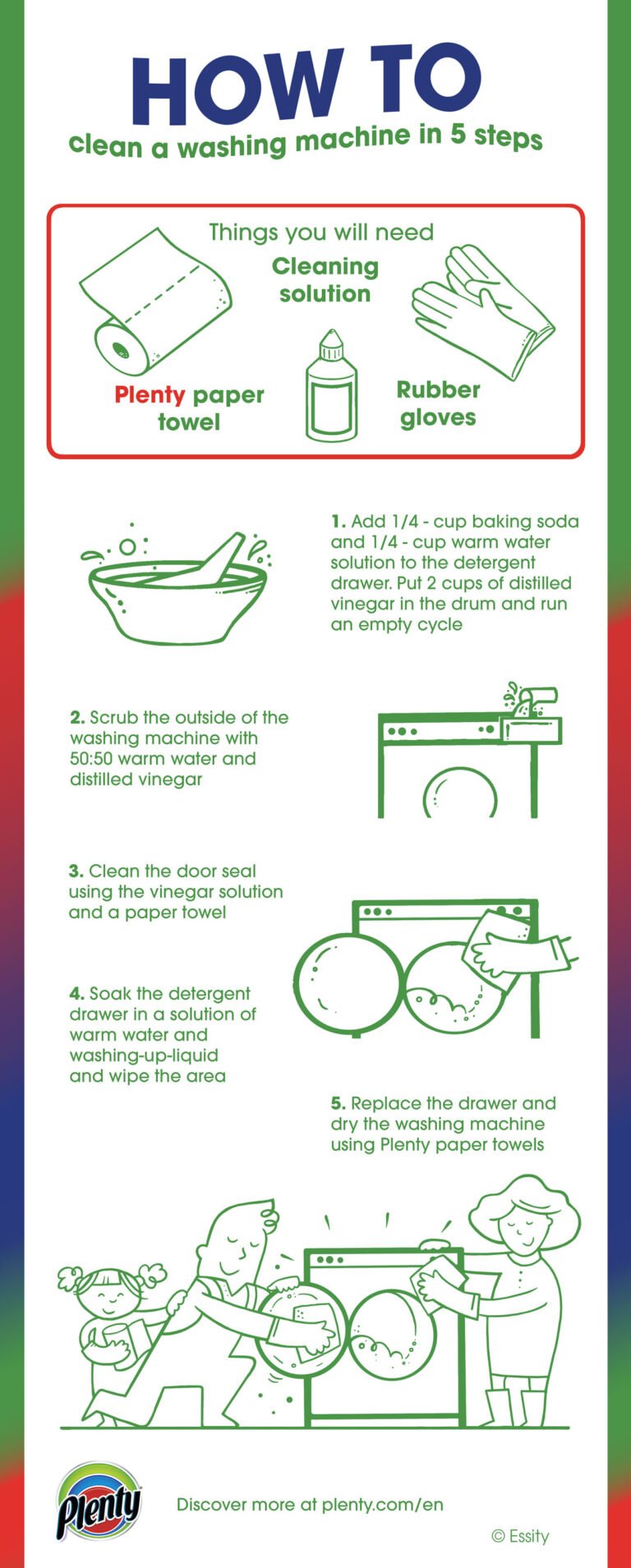
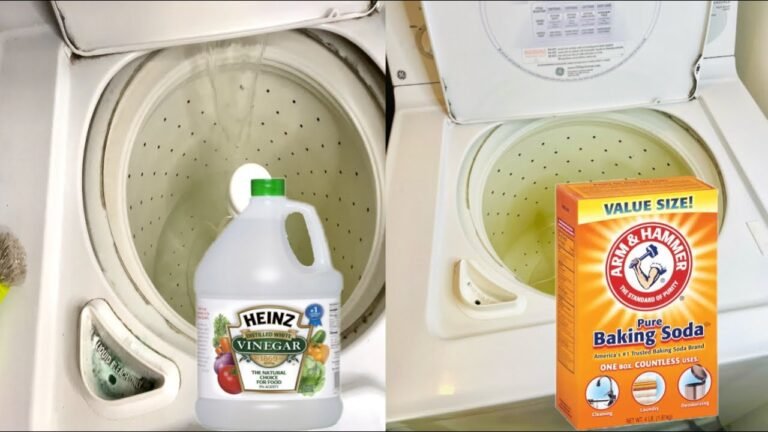
Fixing a smelly washing machine involves cleaning parts that trap moisture and bacteria. Start by running a cleaning cycle using washing machine cleaning agents or natural cleaners. White vinegar and baking soda are popular natural washing machine cleaners that deodorize and remove buildup.
Follow these steps to fix the smell:
- Run an empty hot water cycle with two cups of white vinegar inside the drum.
- After the vinegar cycle, run another cycle with half a cup of baking soda.
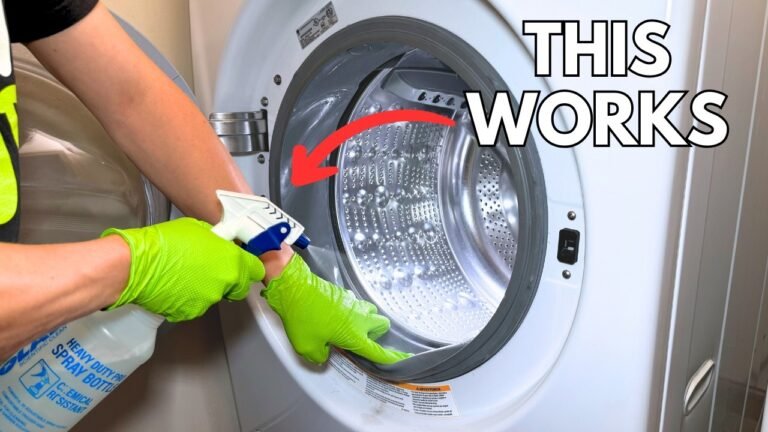
- Wipe the rubber gasket and door seal with a vinegar-water mix.
- Clean the detergent dispenser to remove residue.
- Check and clean the machine filter and drain hose.
- Leave the door open after washing to allow air circulation.
Using the right water temperature is key. Hot water kills bacteria better and prevents mildew. Adjust your washing machine water temperature to ‘hot’ for cleaning cycles to eliminate rotten egg smell effectively.

Preventing Future Odor in Washing Machines
Prevention is better than cure. Regular washing machine maintenance tips help avoid smelly odors. Clean your washer monthly using natural or commercial cleaning agents. Use enzyme cleaner products occasionally to break down organic buildup.
Maintain good ventilation in your laundry area. Keep the washing machine door open when not in use to prevent moisture build-up. Avoid overusing detergent to reduce residue. Regularly clean the washing machine filter and drain pipe to keep water flowing well.
Remember to check that the plumbing trap is always filled with water. A dry trap can let sewer gases into your home, causing smells.
Natural Cleaners for Washing Machine Deodorizing
Natural household odor solutions like white vinegar and baking soda are safe and effective. Vinegar is acidic and kills many bacteria. Baking soda neutralizes bad smells and breaks up residue.
Here is how to use them:
- Pour two cups of white vinegar into the drum and run a hot washing cycle.
- Sprinkle half a cup of baking soda in the drum and run another cycle.
- Mix equal parts white vinegar and water in a spray bottle and clean the rubber gasket and door seal.
These natural washing machine cleaners help remove the washing machine mildew smell and deodorize the drum and seals.
Smelly Washer Drum Cleaning and Rubber Seal Maintenance
The washing machine drum and rubber gasket are common spots for bacterial buildup. Front load washers especially can trap water in the rubber seal. This causes mold and mildew to form, leading to bad odors.
To clean these parts:
- Use a soft cloth soaked in vinegar-water solution to wipe the rubber seal carefully.
- Remove any visible mold or debris from the seal folds.
- Run a cleaning cycle with a washing machine cleaning agent designed for mold removal.
- Dry the rubber seal and drum well after cleaning.
Regular cleaning of these parts prevents the washing machine rubber seal smell and keeps your washer fresh.
Washing Machine Daily Routine and Maintenance Tips
Keeping your washing machine odor-free requires a good daily routine. After each wash, leave the door or lid open to let air dry inside. Wipe any wet spots on the rubber gasket or drum.

Use the right amount of detergent. And avoid using fabric softener too often as it can leave residue. Run a cleaning cycle monthly. And clean the machine filter every two to three months.
Also, check the drain pipe and plumbing trap for blockages to stop odors from sewer gases. For more detailed filter care, see our guide on does washing machines have filters.
Summary of Effective Washing Machine Odor Solutions
Removing the rotten egg smell requires cleaning and maintenance. Use natural cleaners like vinegar and baking soda, clean the rubber seal and drum. And maintain the drain and filter. Proper water temperature and ventilation are also key. Following these tips keeps your washing machine fresh and odor-free.
Regular care stops bacterial buildup and mildew. This prevents hydrogen sulfide gas production, which causes the rotten egg smell. Use enzyme cleaners occasionally for deeper cleaning and always allow your washer to dry between uses.
| Cause | Location | Effect |
|---|---|---|
| Bacterial Buildup | Drain Pipe, Filter | Hydrogen sulfide gas smell |
| Mildew | Rubber Gasket, Drum | Musty, rotten smell |
| Detergent Residue | Detergent Dispenser | Traps moisture, bacteria growth |
| Low Water Temp | Washing Cycle | Germs survive, odor forms |
Maintaining your washing machine includes regular cleaning and correct use. Following the steps above ensures a fresh laundry routine free of smelly washer drum cleaning worries.
For more on cleaning tough parts of your washer, check our guide on how to clean rubber gasket on washing machine.
| Agent | Use | Benefits |
|---|---|---|
| White Vinegar | Cleaning cycle, wiping seals | Kills bacteria, deodorizes |
| Baking Soda | Cleaning cycle | Neutralizes odors, breaks residue |
| Enzyme Cleaner | Monthly deep cleaning | Breaks down organic buildup |
| Commercial Washing Machine Cleaner | Cleaning cycle | Removes mold and mildew |
Remember, the key to avoid smelly washing machines is regular attention. Use cleaning cycles, wipe seals. And keep the machine dry.
Sometimes plumbing issues cause odors. If the smell persists, check the drain and plumbing trap. Proper venting and trap water seals block sewer gases from entering your home. Our article on washing machine drain need trap explains this better.
| Task | Frequency | Notes |
|---|---|---|
| Run Cleaning Cycle | Monthly | Use vinegar/baking soda or commercial cleaner |
| Clean Rubber Gasket | Weekly | Wipe with vinegar solution |
| Clean Machine Filter | Every 2-3 Months | Remove lint and debris |
| Ventilate Laundry Area | Daily | Keep door/lid open after use |
| Check Drain & Trap | Every 6 Months | Ensure trap water seal intact |
Following this checklist helps prevent odor and keeps your washing machine working well for years. Regular maintenance is the best defense against the rotten egg smell and other common washer odors.
In conclusion, removing and preventing the rotten egg smell in your washing machine is simple with the right steps. Clean your machine often, use natural or commercial cleaners, keep the drum and rubber seals dry. And maintain your drain and filters. This approach ensures clean laundry and a fresh-smelling home appliance. Start your odor-free washing routine today and keep your washer fresh for 2026 and beyond!
Remember, if you want to learn more about how to clean smelly laundry machine, we have detailed guides to help you maintain all types of washers.
Happy washing and fresh smelling laundry!
Frequently Asked Questions
What causes the rotten egg smell in washing machines?
The rotten egg smell is mainly caused by hydrogen sulfide gas, which forms due to bacterial buildup and anaerobic conditions in the washer’s drum, drain, or rubber gasket.
Can I use natural cleaners to remove washing machine odors?
Yes, natural cleaners like white vinegar and baking soda are effective in deodorizing washing machines and removing mildew smells.
How often should I clean my washing machine to prevent odors?
Cleaning your washing machine once a month using a cleaning cycle or natural agents helps prevent bacterial buildup and odors.
Is the rotten egg smell harmful?
Hydrogen sulfide gas in small amounts can be unpleasant but is not usually harmful. However, long exposure to high concentrations can be dangerous.
What is the best way to clean the rubber seal in front load washers?
Use a mixture of white vinegar and water to wipe the rubber gasket regularly and remove mold, mildew, and trapped detergent residue.

Keith Boyd Is A Seasoned Appliance Care Expert With Over A Decade Of Experience In Home Appliance Maintenance. His Authoritative Insights On Washing Machine Care And Upkeep Are Trusted By Homeowners Nationwide. With A Passion For Educating Others, Keith Shares Valuable Tips That Ensure Your Appliances Run Smoothly For Years To Come.