Why Does My Washing Machine Smell?
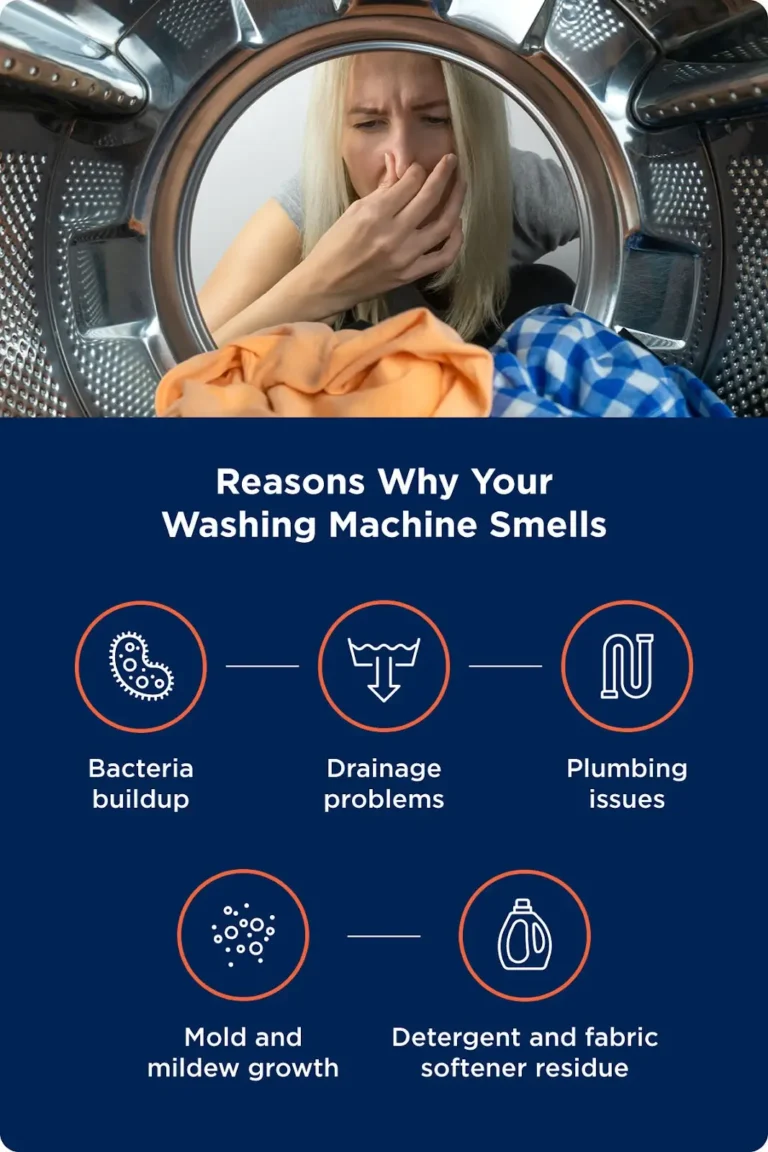
Many washing machines develop a bad smell over time. This often comes from mold and mildew buildup inside the washer. The warm, damp environment is perfect for bacterial growth. Detergent residue can also build up and cause odors.
Front-loading washing machines are more prone to odors because their gasket seal traps moisture. Top-loading washers can also get smells from the drain or lint trap. Knowing the cause helps you pick the right cleaning method.
For a deeper understanding of this mechanic, analyzing resources on products to remove funky smell from washing machine provides excellent foundational context.
It’s important to follow washing machine maintenance routines to keep your washer fresh and clean.
How To Clean Your Washing Machine Effectively
Cleaning a smelly washer involves several steps. First, remove any visible dirt or mold. Check the dispenser drawer, gasket, and lint trap for buildup. Next, run a cleaning cycle using the best cleaning agents for washers.
White vinegar and baking soda are popular natural cleaners. Vinegar kills bacteria and dissolves detergent buildup. Baking soda deodorizes and scrubs away residue. For stubborn mold, enzyme cleaners or antimicrobial agents can help.
It’s best to use hot water cycles for washing machine tub cleaning. The heat kills mold spores and bacteria more effectively than cold water.
Learn more about how to clean my front loader washing machine for detailed steps on tackling odors in front-load models.
Cleaning Tips for Front-Load and Top-Load Washers
Front-load washers often smell due to water trapped in the gasket seal. Wipe the gasket regularly with a vinegar solution. Leave the door open after use to improve machine ventilation and prevent mildew.
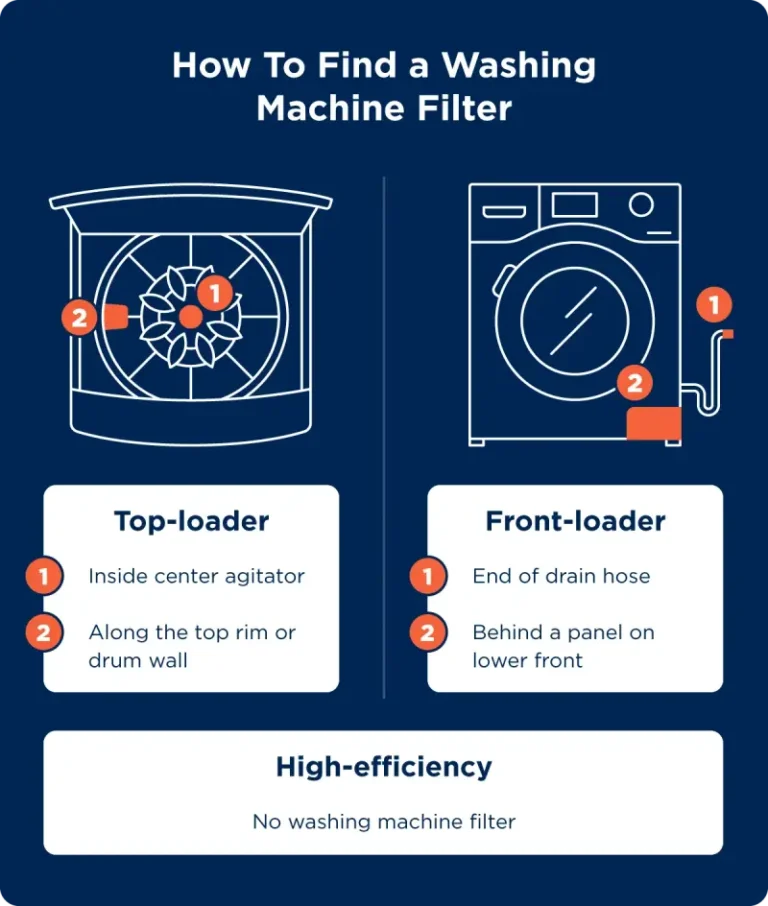
Top-load washers can develop odors in the drain or filter. Clean the washing machine filter and drain hose often. Use a hot water cycle with vinegar and baking soda monthly to remove detergent residue and bacterial growth.
Both types benefit from frequent cleaning of the dispenser drawer and lint trap to avoid buildup.
Below is a comparison table showing common odor sources and cleaning solutions for front-load versus top-load washers.
| Washing Machine Type | Common Odor Causes | Cleaning Solutions |
|---|---|---|
| Front-Load Washer | Gasket seal mold, detergent residue, trapped water | Wipe gasket with vinegar, leave door open, hot cycle cleaning |
| Top-Load Washer | Drain buildup, filter clog, detergent residue | Clean filter and drain, monthly hot water cycle with vinegar |
Regular maintenance prevents the need for deep cleaning. Check for odors every few weeks and act quickly.
Natural Cleaning Agents for Washing Machine Odor Removal
Using natural cleaners is a safe way to remove musty smells from washers. White vinegar is acidic and kills mold spores. Baking soda is a mild abrasive that absorbs odors.
To clean, add 2 cups of white vinegar to the detergent dispenser. Run a hot water cycle without clothes. Then add half a cup of baking soda directly to the tub and run another hot cycle.
This method removes bacterial growth, detergent buildup, and mildew. Avoid harsh chemicals that damage the machine or leave residues.
Essential oils can be added to vinegar for a fresh scent. Tea tree oil has natural antimicrobial properties. Just add a few drops to your vinegar solution.
Below is a simple step-by-step guide to natural washing machine cleaning.
📌 Step-by-Step Guide: Natural Washing Machine Cleaning
- Pour 2 cups white vinegar into dispenser drawer.
- Run a hot water cycle with no clothes.
- Sprinkle half a cup baking soda into the tub.
- Run another hot water cycle.
- Wipe gasket and door seal with vinegar solution.
- Leave door open to air dry.
Natural cleaning keeps your washer fresh without toxic chemicals. Repeat monthly for best results.

How to Prevent Washing Machine Smells
Prevention is better than cure. After every wash, leave the door or lid open. This allows the machine to dry and reduces mildew. Wipe the gasket regularly to prevent biofilm buildup.
Use the right amount of detergent. Too much detergent leads to residue buildup, causing odors. Choose high-efficiency detergents for front-load washers to avoid excess suds.
Run a maintenance hot water cycle monthly. Clean the filter and drain hose often. Ventilate the laundry space to reduce humidity.
Below is a checklist to help prevent washing machine odors.
✅ Washing Machine Odor Prevention Checklist
- ✅ Use correct detergent amount.
- ✅ Leave door open after use.
- ✅ Wipe gasket and seals weekly.
- ✅ Run hot water cleaning cycle monthly.
- ✅ Clean filter and drain regularly.
- ✅ Ensure good laundry room ventilation.
Following these tips protects your machine and keeps laundry smelling fresh.
Common Areas to Clean in Your Washing Machine
Odors often start in hidden parts of the washing machine. Focus cleaning on these spots:
- Gasket seal: Wipe inside the rubber seal with a vinegar solution.
- Dispenser drawer: Remove and clean detergent and fabric softener trays.
- Filter and lint trap: Clean monthly to avoid clog buildup.
- Washing machine tub: Run hot water cycles with cleaning agents.
- Drain hose: Check and clean to prevent clog odors.
Neglecting these areas can cause persistent smells and bacterial growth.
Refer to detailed advice on cleaning front loaders for guidance on gasket and dispenser cleaning.
Summary of Effective Washing Machine Cleaning Agents
Choosing the right cleaning agent helps remove odor safely and efficiently. Below is a table summarizing popular agents, their uses, and pros and cons.
| Cleaning Agent | Use Case | Pros | Cons |
|---|---|---|---|
| White Vinegar | Kills mold, dissolves residue | Natural, safe, cheap | Strong smell, may corrode rubber if overused |
| Baking Soda | Deodorizes, scrubs buildup | Natural, gentle, affordable | Less effective alone on mold |
| Enzyme Cleaner | Breaks down biofilm and mold | Targets organic buildup | More expensive, chemical-based |
| Antimicrobial Agents | Kills bacteria and spores | Effective on stubborn odors | May damage seals, must rinse well |
Natural options like vinegar and baking soda are best for regular use. Use stronger chemicals only if needed and follow instructions carefully.
Final Thoughts on Maintaining a Fresh Washer
Industry consensus indicates that regular cleaning and preventive maintenance are key to stopping washing machine smells. Use natural cleaning agents monthly and keep machine parts dry between uses.
Good ventilation and proper detergent use help prevent mold and mildew. Clean all hidden spots like the gasket, filter, and dispenser drawer. This keeps your washer fresh, safe, and working well for years.
For more about energy use and proper machine care, exploring advice on washing machine wattage and power offers useful insights.
Following these expert tips will help you eliminate and prevent washing machine odors in 2026 and beyond.
Frequently Asked Questions
Why does my washing machine smell bad?
Washing machines can smell due to mold, mildew, detergent residue, and bacterial growth, especially in damp areas like the gasket and drain.
How often should I clean my washing machine to prevent smells?
Cleaning the washing machine once a month helps prevent buildup of mold, mildew, and detergent residue that cause odors.
Can I use vinegar and baking soda to clean my washer?
Yes, white vinegar and baking soda are natural cleaning agents that help remove odors, dissolve buildup, and kill mold spores safely.
How do I clean the gasket to get rid of washing machine smell?
Wipe the gasket with a vinegar solution or an enzyme cleaner to remove mold and mildew buildup that often cause musty smells.
Is it better to use hot water for cleaning a smelly washing machine?
Running a hot water cycle helps kill bacteria and dissolve detergent buildup, making it more effective for deep cleaning.

Michael Peterson is a home appliance writer focused on practical washing machine care, maintenance, and troubleshooting. He shares simple, reliable tips to help readers keep their washing machines running efficiently, avoid common problems, and extend appliance life.