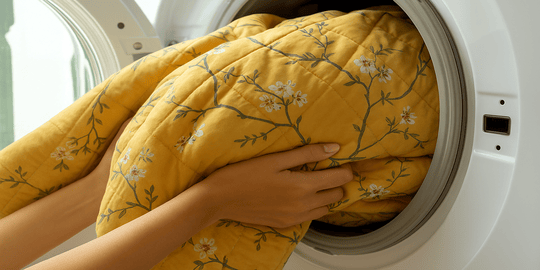
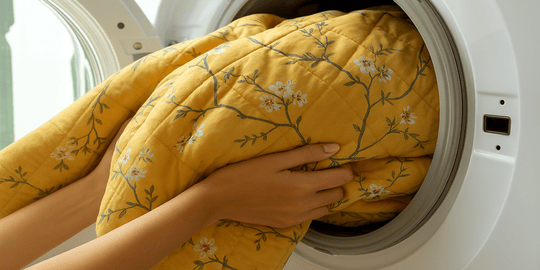
Introduction to Washing Quilts in a Machine
Washing quilts in a machine is possible but needs care. Many quilts are made from delicate fabrics or fills. Following proper quilt washing instructions helps keep your quilt fresh and long-lasting. Using the right machine wash quilt settings and detergent is key. For a deeper understanding of quilt washing, analyzing resources on quilt care and maintenance provides excellent foundational context.
Before washing, read the quilt’s care label. This label guides the water temperature and washing cycle you should use. Also, consider your washing machine’s capacity to handle large quilts safely.
Quilt Material Washing Guidelines
Quilts come in many materials like cotton, feathers, or synthetic fills. Each needs different care. For example, washing a cotton quilt is simpler than cleaning feather quilts. Cotton quilts can handle gentle machine washing with cold water. Feather quilts require extra care to avoid clumping.
Checking the quilt fibers is essential. Use a mild detergent made for delicate fabrics to protect the material. Avoid harsh chemicals that can weaken fibers or cause fading. Fabric softener is optional but can help keep the quilt soft.
Many modern washers have a delicate cycle that works well for quilts. This cycle uses gentle agitation and a slow spin cycle to prevent damage.
Machine Wash Quilt Settings
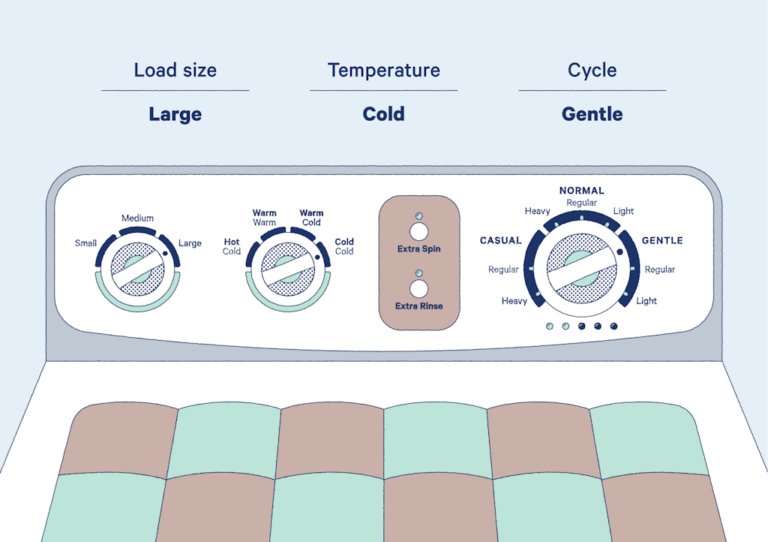
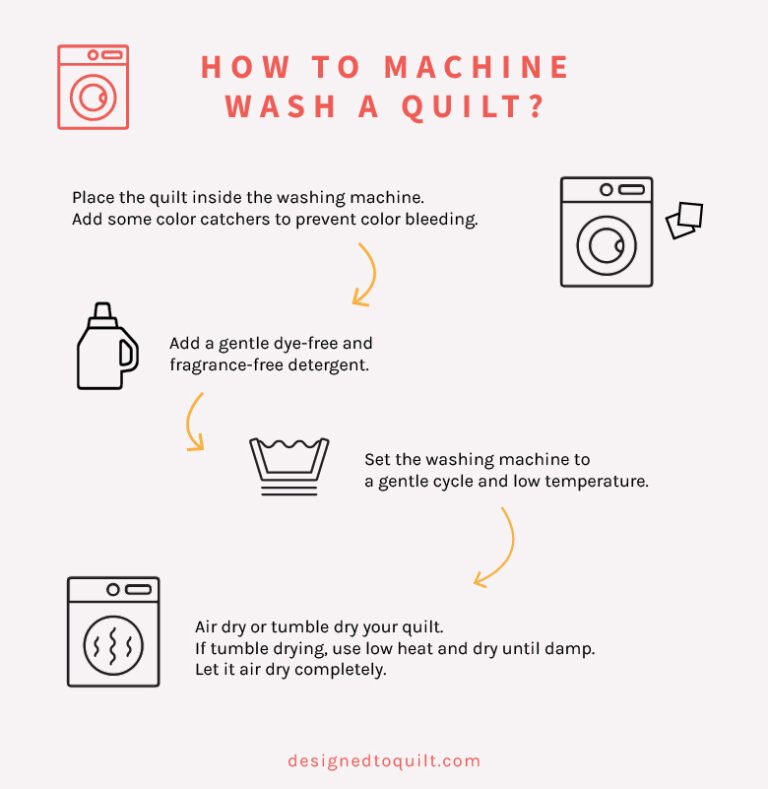
Selecting the right washing machine settings is crucial. Use a delicate or gentle cycle to reduce stress on the quilt. Keep water temperature cold or lukewarm to avoid shrinking and color loss. Hot water can harm quilt fibers and fill materials.
For large quilts, a large capacity washer is best. It allows more room, reducing fabric rubbing and wear. Overloading your machine is a common mistake that can cause damage.
Using a mild detergent designed for quilts or delicate fabrics is important. Avoid bleach unless the quilt’s care label says it’s safe.
Washing Large Quilts Safely
Large quilts can be tricky to wash in home machines. Choose a washer with enough space to let the quilt move freely. A too-full machine causes uneven cleaning and can strain the quilt seams.
Separate your quilt from other laundry items to avoid damage. If your quilt is very large, consider washing it at a laundromat with commercial machines. You can also hand wash in a large tub if no proper machine is available.
Remember that wet quilts are heavy. Handle with care when moving to the dryer or drying area to avoid tearing.
Removing Stains from Quilts
Stains on quilts can be tough but removing them carefully is possible. Use a gentle stain remover made for delicate fabrics. Test it on a small hidden area first to check for colorfastness.
Apply the stain remover gently, then wash the quilt on a delicate cycle. Avoid scrubbing hard, which can damage the fabric.
For natural stains like food or dirt, pre-soaking the affected area in cold water can help lift stains before washing.

How to Prevent Quilt Damage
To keep your quilt in good shape, follow simple care tips. First, always read the care label before washing. Use mild detergent and avoid bleach unless allowed.
Choose the delicate cycle and avoid high heat in washing or drying. Do not overload the washing machine. If possible, use a mesh laundry bag for smaller quilts to reduce friction.
After washing, air dry or use low heat in the dryer. High heat can shrink or weaken quilt fibers.
How to Dry Quilts
Drying quilts properly is as important as washing them. Air drying is the safest method. Lay the quilt flat on a clean surface or hang it evenly to avoid stretching.
If you use a dryer, select the lowest heat or air fluff cycle. Add clean tennis balls or dryer balls to help keep the fill fluffy. Check the quilt often to prevent overheating.
Make sure the quilt is completely dry to avoid mold or mildew growth.
Hand Washing vs Machine Washing Quilts
Hand washing is gentler but takes more time and effort. It is best for very delicate or antique quilts. Use cool water and mild detergent. Gently press water through the fabric without wringing.
Machine washing with proper settings is safe for many modern quilts. It saves time and provides good cleaning. Always choose a delicate cycle and proper water temperature.
For large or heavily soiled quilts, machine washing in a large capacity washer is more practical.
Common Quilt Washing Mistakes
Many mistakes can damage quilts during washing. Overloading the machine causes poor cleaning and stress on fibers. Using hot water or harsh detergents can shrink or fade fabric.
Ignoring the care label or skipping stain treatment can also harm quilts. Drying quilts on high heat or leaving them damp leads to shrinkage or mildew.
:max_bytes(150000):strip_icc()/how-to-wash-down-filled-bedding-350482-81ec2947d5144bdca738bcefa5eb1fa9.png "How to Clean and Care for a Down Comforter or Duvet (Figure)")
To avoid these problems, follow quilt washing tips carefully and check the quilt often during washing and drying.
Quilt Washing Frequency
Quilts do not need frequent washing. Washing every few months or when visibly dirty is enough. Overwashing can wear out fabric and fill.
For daily maintenance, spot clean stains and air out your quilt regularly. This keeps it fresh without heavy washing.
Proper care extends the life of your quilt and keeps it comfortable for years.
Top Quilt Washing Tips 🚀
Here are key tips for washing quilts safely:
- ✅ Always check the care label first.
- ✅ Use a large capacity washer for bulky quilts.
- ✅ Select the delicate cycle and cold or lukewarm water.
- ✅ Choose a mild detergent made for delicate fabrics.
- ✅ Treat stains gently before washing.
- ✅ Air dry or use low heat in the dryer.
- ✅ Do not overload the washing machine.
Following these tips helps maintain your quilt’s quality and appearance.
For additional insight on washing bulky items, visit our guide on washing bulky items in machines.
Detergent Comparison for Quilts
Choosing the right detergent affects quilt care. Mild, liquid detergents without bleach are best. They clean well and protect fibers.
Powder detergents may leave residue and can be harsher. Avoid fabric softeners if the quilt has water-resistant layers.
Below is a table comparing common detergents for quilt washing.
| Detergent Type | Best For | Pros | Cons |
|---|---|---|---|
| Mild Liquid | Delicate fabrics | Gentle, no residue | May cost more |
| Powder | Regular fabrics | Effective on dirt | Can leave residue |
| Free & Clear | Sensitive skin | Hypoallergenic | Less stain power |
| Specialty Quilt | Handmade quilts | Formulated for fibers | Limited availability |
Choosing the right detergent supports quilt longevity and comfort.
Always use detergent amounts as recommended on the label to avoid buildup.
Washing Machine Capacity and Quilts
Machine capacity is key when washing quilts. Too small a machine can cause damage by squeezing the quilt too tight. Large capacity washers allow the quilt to move freely and get cleaner.
Front-loading washers often have bigger drums and gentler cycles suited for quilts. Top loaders with agitators can be harsh and may tear the fabric.
Check your washer’s capacity before washing and consider a commercial machine for very large or heavy quilts.
Quilt Care and Maintenance After Washing
After washing, store your quilt in a cool, dry place. Avoid plastic bags that trap moisture. Instead, use breathable cotton storage bags or pillowcases.
Regularly airing your quilt keeps it fresh. Avoid direct sunlight during drying or storage to prevent fading.
Inspect your quilt for loose threads or tears and repair promptly to prolong its life.
Conclusion
Washing quilts in a washing machine can be safe and easy with the right steps. Always check the care label, choose the delicate cycle, and use cold water and mild detergent. Large capacity washers and gentle drying methods help prevent damage.
Removing stains carefully and avoiding common mistakes keeps your quilt fresh and soft. Regular cleaning every few months is enough, with spot cleaning in between.
By following these expert tips, your quilt will last for many cozy nights to come.
Frequently Asked Questions
Can all quilts be washed in a washing machine?
Not all quilts are suitable for machine washing. Always check the care label and fabric type before washing to avoid damage.
What is the best water temperature for washing quilts?
Cold or lukewarm water is best to prevent shrinking and color fading. Hot water may damage delicate fibers.
How often should I wash my quilt?
Wash your quilt every few months or as needed. Frequent washing can wear out the fabric, so spot cleaning is often better.
Is hand washing better than machine washing for quilts?
Hand washing is gentler but not always practical. Using a delicate cycle on a large capacity washer can safely clean most quilts.
How should I dry my quilt after washing?
Air drying is safest. If using a dryer, select a low heat or air fluff cycle to prevent damage and keep the quilt fluffy.

Keith Boyd Is A Seasoned Appliance Care Expert With Over A Decade Of Experience In Home Appliance Maintenance. His Authoritative Insights On Washing Machine Care And Upkeep Are Trusted By Homeowners Nationwide. With A Passion For Educating Others, Keith Shares Valuable Tips That Ensure Your Appliances Run Smoothly For Years To Come.