Understanding Laundromat Washing Time
Laundromats offer a handy way to do laundry quickly. But many ask: how long does a typical laundromat washing machine take? The average wash cycle duration varies by machine type and settings. Commercial washing machines are built for speed and power. They often run faster than home washers but still depend on several factors. Knowing these can help you plan your laundry trips better and save time.
Industry consensus indicates that wash cycle length at laundromats is generally between 25 to 45 minutes. This timing covers washing, rinsing. And spinning. For a deeper understanding of this mechanic, analyzing resources on how long laundromat washing machines take provides excellent foundational context. Let’s explore what affects this timing.
Key Factors Affecting Wash Cycle Duration
Several elements impact the total laundromat machine cycle time. First, load size plays a big role. Larger loads need more water and time to clean well. Laundromat washers have bigger load capacities, which can mean longer or shorter cycles depending on the machine’s efficiency.
Fabric type also matters. Delicate or heavily stained items often require longer or specialized cycles. Machine settings like temperature and spin speed adjust the wash process. For instance, higher temperatures can shorten wash time but may not suit all fabrics. Energy-efficient washing cycles aim to save power while keeping wash duration reasonable.
Detergent choice affects cleaning but usually not cycle length. Using the right detergent amount prevents over-sudsing, which can delay rinses. Commercial washing machine speed varies by brand, with some offering quick wash options that can cut down laundry cycle length by up to 15 minutes.
Types of Laundromat Washing Machines
Laundromats use mainly two washing machine types: top-loaders and front-loaders. Top-loaders tend to have shorter wash cycles, often around 25 to 35 minutes. Front-loaders are more energy-efficient and use less water but may take 35 to 45 minutes per cycle.
Commercial washers in laundromats are designed for heavy use. Brands like Speed Queen and Whirlpool offer machines with fast spin speeds to reduce drying time. The washer capacity and washing time are balanced to handle large loads efficiently.
Many laundromats also feature wash and dry combo machines. These all-in-one units simplify the process but typically take longer, with total service time around 90 to 120 minutes.
| Machine Type | Average Wash Time | Spin Speed (RPM) | Capacity (lbs) |
|---|---|---|---|
| Top-Load Commercial Washer | 25-35 mins | 700-900 | 18-25 |
| Front-Load Commercial Washer | 35-45 mins | 800-1200 | 20-30 |
| Wash & Dry Combo Machine | 90-120 mins (combined) | 700-900 | 15-20 |
Choosing the right machine depends on your laundry needs and time constraints. For quick washes, top-loaders with quick wash options are ideal.
Typical Laundry Process Steps and Timing
The laundry cycle consists of several key steps. First is the wash phase where detergent and water clean the clothes. This usually takes 10 to 20 minutes. Next is the rinse phase that removes detergent residues, lasting about 5 to 10 minutes. Finally, the spin cycle extracts water, which can take 5 to 15 minutes depending on spin speed.
Some machines include pre-wash or soak options for heavily soiled items, adding extra time. Quick wash programs shorten or skip some steps for lightly soiled fabrics. Understanding these steps helps you pick the best washing machine settings at the laundromat.
Waiting time at laundromats can add to your overall laundry turnaround time. Peak laundromat hours cause queues, so visiting during off-peak times saves waiting. Peak hours are often early evenings and weekends.
How Load Size Impacts Wash Time
Larger laundry loads usually mean longer washing times. Overloading a machine reduces cleaning effectiveness and can increase cycle length as the washer struggles. Conversely, too small a load wastes water and energy.
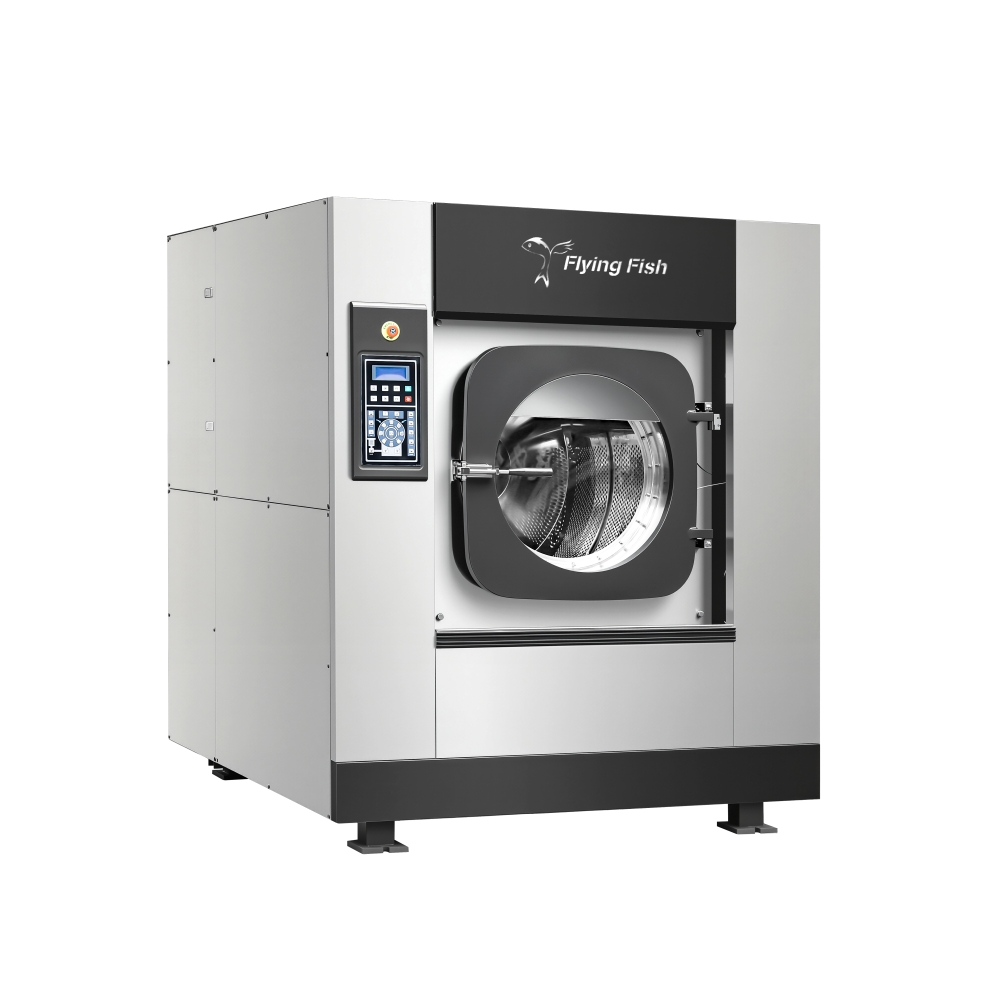
Many laundromats have clear guidelines on maximum load sizes per machine type. Following these helps keep wash times predictable and efficient. For example, filling a commercial washer to about 75-80% capacity is best for fabric wash time and energy consumption.
Energy-Efficient Cycles and Detergent Effects
Modern laundromat washers offer energy-efficient washing cycles. These use less water and power by extending wash duration at lower temperatures. While this saves energy, the laundry cycle length may increase slightly.
Detergent impact on washing time is minor but important. Using the right detergent type and amount avoids extra rinses caused by excess suds. High-efficiency (HE) detergents are common in front-loaders and commercial washers. They clean well without foaming too much.
| Cycle Type | Energy Use | Typical Duration | Ideal Use |
|---|---|---|---|
| Quick Wash | Low | 20-30 mins | Lightly soiled clothes |
| Normal Cycle | Medium | 30-45 mins | Everyday laundry |
| Energy-Saving Cycle | Very Low | 40-60 mins | Eco-friendly washing |
Choosing the right cycle depends on your clothes’ dirt level and time available. Energy-efficient cycles suit those who value lower energy consumption over speed.
Laundromat Turnaround Time and Cost vs. Wash Time
Besides washing time, consider total laundromat turnaround time. This includes waiting for machines, wash cycle, drying time. And folding. Peak hours can extend your visit significantly.
Cost versus wash time is also a factor. Faster cycles may cost more per load but save your time. Some laundromats charge by cycle length or machine type. Balancing cost and time depends on your priorities.
Many laundromats now feature newer machine brands with smart controls. These machines optimize wash and dry combo time for faster service. Checking the laundromat location’s busiest times can help schedule visits when machines are free.
Conclusion
Understanding how long laundromat washing machines take in 2026 requires knowing the average wash cycle duration and the factors involved. Load size, fabric type, machine settings. And detergent all affect wash time. Commercial washing machine speed and energy-efficient cycles also play a role.
Laundromat machines vary between top-loaders and front-loaders, with wash cycles typically between 25 and 45 minutes. Quick wash options can reduce time for light loads. Total laundromat turnaround time includes waiting, drying. And folding, so choosing the right time to visit is key.
By balancing cost versus wash time and understanding the laundry process steps, you can make smarter choices at the laundromat. For more tips on managing your laundry efficiently, explore advice on laundromat machine timing and safe fabric washing.
Frequently Asked Questions
What is the average wash cycle duration in a laundromat?
The average wash cycle in a laundromat usually lasts between 25 to 45 minutes, depending on the machine type and settings.
Do load size and fabric type affect washing time?
Yes, larger loads and delicate fabrics often require longer or specialized cycles, which can increase overall washing time.
How does detergent impact washing time?
Using the correct detergent amount can optimize wash efficiency, but it does not significantly change the wash cycle length.
What are peak laundromat hours?
Peak hours are typically evenings and weekends when many people use the machines, leading to longer waiting times.
Can quick wash options at laundromats save time?
Yes, quick wash options reduce laundry cycle length but are best for lightly soiled clothes.

Michael Peterson is a home appliance writer focused on practical washing machine care, maintenance, and troubleshooting. He shares simple, reliable tips to help readers keep their washing machines running efficiently, avoid common problems, and extend appliance life.