Understanding When to Add Fabric Softener
Fabric softener makes clothes soft and fresh. Knowing the best time to add softener is key to getting great laundry results. Most washing machines have a special softener compartment. This helps release the softener at the right moment in the wash cycle.
Adding softener at the wrong time can reduce its benefits. It may also leave marks on clothes or build up in your machine. For a clear guide on using fabric softener properly, this article explains timing and tips for all wash types.
For a deeper understanding of this mechanic, analyzing resources on how to use fabric softener provides excellent foundational context.
What Is the Fabric Softener Dispenser and How It Works
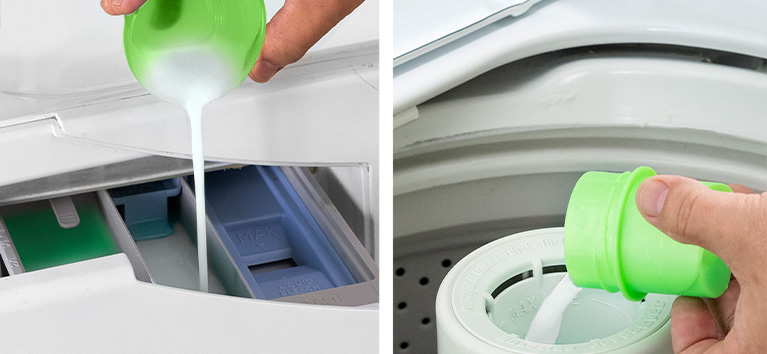
The fabric softener dispenser is usually a small compartment in the washing machine’s drawer. It holds liquid softener until the rinse cycle starts. At this time, the machine automatically releases the softener into the washing machine drum.
This setup means you don’t have to add softener manually. It also avoids mixing softener with detergent. This can reduce softener effectiveness. Make sure you only pour softener in the correct compartment marked for it.
Using the softener compartment correctly follows your washing machine setup instructions. It helps keep your laundry routine easy and efficient.
Best Time to Add Fabric Softener in the Wash Cycle
The best time to add fabric softener is during the washing machine rinse cycle. This is the last cycle phase before spinning. Adding softener here ensures it coats fabrics well without being washed away.
If your machine does not have an automatic softener dispenser, you must add fabric softener manually at the right moment. That means waiting until the rinse cycle starts. Adding it too early, during the wash phase, mixes it with detergent and reduces its benefits.
Some modern washing machines offer a softener delay feature. This lets you set when softener is released. It is helpful if you want to control the timing more precisely for different fabric types.
Manual Softener Addition vs Automatic Dispenser
Manual softener addition means you pour fabric softener directly into the drum or during the rinse cycle. This method requires timing skills to avoid softener residue or stains.
The softener automatic dispenser is easier and more precise. It releases softener exactly during the rinse cycle. This ensures softener effectiveness and protects fabrics better.
Manual addition can work but risks uneven softener use. Automatic dispensers are best for consistent laundry softening and easy care.
Correct Softener Dosage for Washing Machines
Using the right amount of fabric softener matters. Too much can leave residues on clothes and inside the machine. Too little may not soften fabrics well.
Check the softener bottle for dosage instructions. Most washing machines’ softener compartments show a max fill line. Never exceed this line to avoid spills or buildup.
Adjust softener dosage based on your water temperature and wash load type. For example, cold water may need a bit more softener for good results.
Fabric Softener Benefits and Effects on Clothes
Fabric softener has many benefits. It makes clothes feel soft and smooth. It reduces static cling, making clothes easier to iron and wear. It also helps protect fabric fibers from damage during washing.
Softener is especially good for delicate clothes. It helps keep their shape and texture. However, overusing softener can harm some fabrics. So use it wisely.
Using fabric softener properly is part of good washing machine fabric care. It extends the life of your clothes and keeps them fresh.
Top Laundry Softener Tips for 2026
To get the best from your fabric softener, follow these tips:
- ✅ Always add softener to the softener compartment or during rinse cycle.
- ✅ Do not mix softener with detergent. it lowers effectiveness.
- ✅ Use the right dosage as per your washing machine and softener brand.
- ✅ Choose softeners suited for your fabric types, especially for delicate clothes.
- ✅ Clean the softener compartment regularly to prevent buildup and residue.
Proper timing and use protect your washing machine and keep laundry soft and clean.
For more on handling tough laundry stains, explore this expert advice on heavy soil washing machine techniques.
Common Mistakes in Adding Fabric Softener
Many people add fabric softener too early in the wash cycle. This causes softener to rinse away with detergent. Some also pour softener directly onto clothes, causing stains.
Another mistake is overfilling the softener compartment. This leads to residue buildup inside the washing machine and on clothes.
To avoid these issues, follow your machine’s instructions and add softener only during the rinse cycle or use the automatic dispenser.
How Fabric Types Affect Softener Use
Different fabrics react differently to softener. Cotton and synthetic blends usually benefit the most. Delicate fabrics like silk or wool require special softeners or none at all.
Always read garment care labels before using softener. Some may warn against softener use to protect fabric integrity.
Choosing the right softener and timing helps maintain the look and feel of your clothes over time.
📌 Step-by-Step Guide: Using Fabric Softener Correctly
Follow these steps for perfect softener use:
- Check your washing machine for a softener compartment in the dispenser drawer.
- Measure the correct amount of fabric softener according to the bottle instructions.
- Pour the softener into the softener compartment, not the detergent compartment.
- Select your desired wash settings on the machine.
- Start the machine. it will release softener automatically during the rinse cycle.
- If your machine lacks a dispenser, wait for the rinse cycle to start, then add softener manually.
Following these steps ensures softener works as intended and clothes come out soft and fresh.
:max_bytes(150000):strip_icc()/when-to-use-fabric-softener-5323511-02-ef9beb06c982455b9a70641b57c236dd.jpg "When and How to Use Fabric Softener in Your Laundry (Figure)")
Knowing timing fabric conditioner use well is key for laundry success.
Softener vs Detergent: Timing Differences
Detergent is added at the start of the wash to remove dirt. Fabric softener is added later during the rinse to soften fabrics. Mixing the two reduces the softener’s effect.
Using the correct compartment in your washing machine helps keep detergent and softener apart. This timing difference is a key part of washing machine setup instructions.
Proper timing protects clothes and improves laundry results.
Understanding Softener Residue and Machine Maintenance
Softener residue can build in your washing machine softener compartment and drum. This can cause smells and stains on clothes.
Clean the dispenser drawer and softener compartment regularly. Use a mild cleaning agent or vinegar solution. This keeps your machine working well and avoids residue buildup.
Maintaining your machine is part of good laundry maintenance and helps softener work effectively every wash.
🆚 Fabric Softener Use: Manual vs Automatic Dispenser
| Feature | Manual Softener Addition | Automatic Softener Dispenser |
|---|---|---|
| Timing Control | Requires user to add at rinse cycle | Machine releases softener automatically |
| Ease of Use | Less convenient. needs attention | Easy. no user action after start |
| Effectiveness | Risk of early addition reduces effect | Consistent and optimal softening |
| Residue Risk | Higher if added too early or excess | Lower with proper dosage |
Using the automatic dispenser is the best way to get softener benefits without hassle or risk.
⚖️ Pros & Cons of Using Fabric Softener
| Pros | Cons |
|---|---|
| Makes clothes soft and smooth | Can cause buildup in machines if overused |
| Reduces static and wrinkles | May not suit all fabric types |
| Protects fabric fibers | Improper timing reduces effectiveness |
Understanding these pros and cons helps use fabric softener wisely for best laundry care.
Conclusion: Mastering When to Put Softener in Washing Machine
Adding fabric softener at the right time is key to soft, fresh clothes. The rinse cycle is the best moment to add softener, either manually or via the automatic dispenser.
Following your washing machine setup instructions and softener dosage guidelines protects clothes and your machine. Proper timing prevents residue and maximizes benefits.
By applying these tips, including for delicate clothes, you improve your laundry routine and keep fabrics in top shape. For further laundry advice and tips, exploring the wide range of washing machine care topics is highly recommended.
Frequently Asked Questions
When is the best time to add fabric softener in a washing machine?
The best time to add fabric softener is during the rinse cycle of your washing machine. Most machines have a softener compartment in the dispenser drawer that releases the softener automatically at this stage.
Can I add fabric softener manually during the wash?
It is not recommended to add fabric softener manually during the wash cycle because it can reduce its effectiveness and may stain clothes. Always add it during the rinse cycle or use the softener automatic dispenser.
What is the role of the washing machine softener compartment?
The softener compartment in your washing machine dispenser drawer holds fabric softener and releases it automatically during the rinse cycle. This timing helps the softener work best without interfering with detergent.
Is fabric softener safe for delicate clothes?
Yes, when used properly, fabric softener can be safe for delicate clothes. It helps keep fibers soft and reduces static. However, always check garment care labels and use softeners designed for delicate fabrics.
What happens if I add fabric softener at the wrong time?
Adding fabric softener too early, like during the wash cycle, can cause it to wash away with detergent. This lowers its softening effect and might leave residues on clothes or the washing machine drum.

Keith Boyd Is A Seasoned Appliance Care Expert With Over A Decade Of Experience In Home Appliance Maintenance. His Authoritative Insights On Washing Machine Care And Upkeep Are Trusted By Homeowners Nationwide. With A Passion For Educating Others, Keith Shares Valuable Tips That Ensure Your Appliances Run Smoothly For Years To Come.