Introduction to Washing Feather Pillows
Feather pillows offer great comfort but need special care. Many wonder if you can wash feather pillows in a machine without damage. Industry experts agree that machine washing is possible if done correctly. This article shares feather pillow washing tips to keep your pillows fresh and fluffy.
Before washing, always read the fabric care label and manufacturer instructions. This ensures you follow the best steps for your pillow type. For a deeper understanding of this mechanic, analyzing resources on washing down and feather pillows provides excellent foundational context.
Choosing the right washer and setting is key. Let’s explore how to wash feather pillows safely at home.
Can Feather Pillows Be Machine Washed?
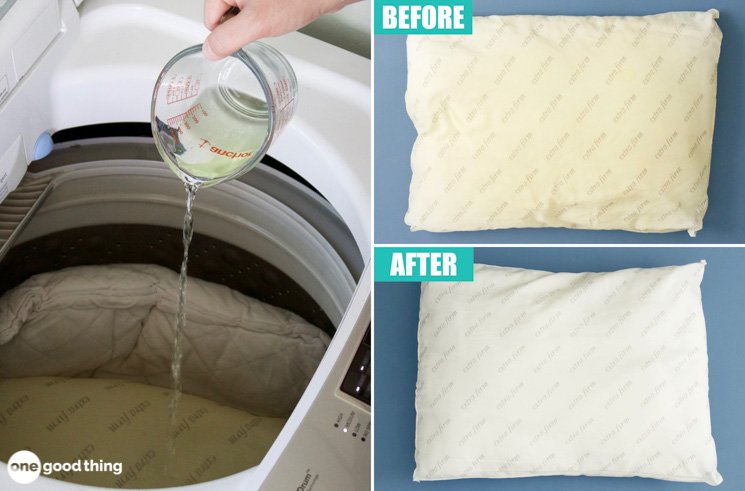
Yes, feather pillows can be machine washed, but with care. Use a gentle cycle and cold water to avoid feather damage. Avoid harsh detergents and high heat. Using a washer with a large drum helps pillows move freely, reducing stress on the feathers.
Front load washers are often recommended over top load washers. They use less water and have no agitator, which protects pillows better. However, some top load washers with a gentle cycle can work well too. For guidance on washer types, you may find this article on can you wash duvet machine useful, as duvets and feather pillows share similar care.
Always protect feather pillows in a pillowcase or laundry bag before washing. This prevents feathers from escaping and protects the pillow fabric.
Best Washer Settings for Feather Pillows
Setting the washing machine correctly is crucial. Use the delicate or gentle cycle with a slow spin speed. This prevents feathers from clumping or tearing the fabric.
Cold water is best to avoid shrinking or damaging the down filling. Add a mild detergent made for delicate fabrics. Avoid bleach and fabric softeners as they can harm feathers and fabric.
Check your washer’s lint filter before and after washing. Feather dust can clog it, reducing washer efficiency.
Choosing the Right Detergent
Use a mild, gentle detergent designed for delicate items. Detergents labeled for wool or silk often work well with feather pillows.
Harsh chemicals can strip natural oils from feathers, making them brittle. Avoid bleach and strong stain removers unless the pillow is heavily stained and the care label says it is safe.
Using too much detergent can leave residue, so use the recommended amount. If using a front load washer, consider a detergent that works well in low water.
Effective Feather Pillow Drying Methods
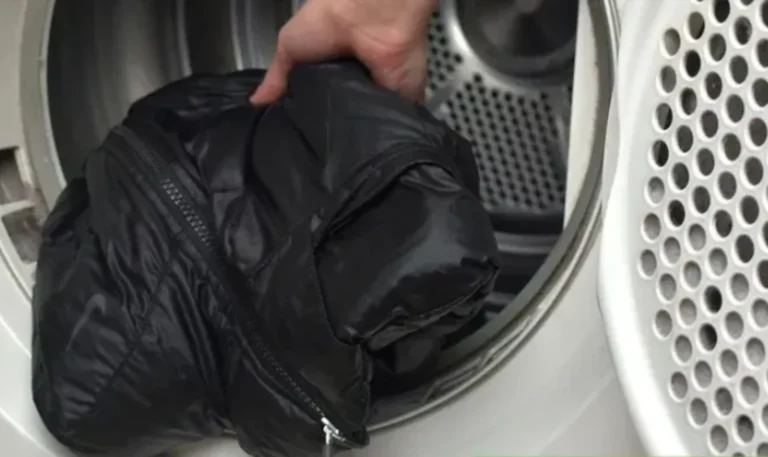
Drying feather pillows properly is key to maintaining fluff and preventing mildew. Machine drying is safe if done on low heat or air fluff settings.
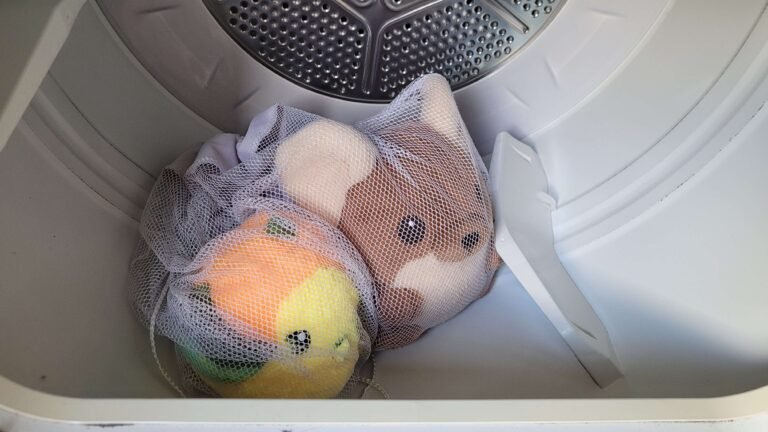
Add dryer balls or clean tennis balls to the dryer. They help break up clumps and restore fluffiness. Check pillows often to avoid overheating.
Alternatively, air drying on a drying rack in a well-ventilated area works well. Shake and fluff the pillow every few hours to maintain shape.
Never use high heat or leave pillows damp, as this causes water damage and mold.
Hand Wash Alternative
If your pillow is delicate or the label advises against machine washing, hand wash it instead. Use cold water, mild detergent, and gently squeeze the pillow without wringing.
Rinse thoroughly and press out excess water with towels. Dry as described above to keep the feathers safe.
Feather Pillow Maintenance Guide
Regular care keeps feather pillows fresh longer. Use pillowcases to reduce dirt and oils. Wash pillowcases weekly and pillows every 6 to 12 months.
Fluff pillows daily to keep feathers evenly spread. This helps maintain comfort and supports pillow shape.
If allergies are a concern, wash pillows regularly and use allergen-proof covers. For allergy cleaning tips specifically, see the section below.
Feather Pillow Allergy Cleaning Tips
Feather pillows can trap dust mites and allergens. Washing helps remove these irritants. Use hot water if your pillow care label allows. Otherwise, use cold water and a gentle detergent with allergen removing properties.
Dry pillows thoroughly to prevent mold growth. Use allergen-proof pillow covers to reduce future buildup.
Regular washing combined with covers forms an effective allergy cleaning routine.
Protecting Feather Pillows in the Washer
To protect feather pillows during machine washing, place them in a mesh laundry bag or pillowcase. This keeps feathers inside and reduces fabric wear.
Wash two pillows at once for balance. If washing only one, add towels to balance the load and reduce washer strain.
:max_bytes(150000):strip_icc()/how-to-clean-and-care-for-feather-bed-pillows-9367-6452c5048fd846389285b71b6c59e559.jpg "How to Wash a Down Pillow at Home (Figure)")
Use a gentle cycle and avoid overloading the machine. This helps protect both the pillow and the washer.
Feather Pillow Fluffing Techniques
After washing and drying, fluffing is essential. Shake the pillow vigorously to loosen feathers. Pat and punch the pillow to redistribute filling evenly.
Use your hands to shape the pillow back to its original form. This keeps the pillow comfortable and supportive.
Repeat fluffing regularly as part of your pillow maintenance guide for best results.
Top Load vs Front Load Pillow Washing
Choosing between top load and front load washers affects feather pillow care. Front load washers have no central agitator, which is gentler on pillows.
Top load washers with agitators can be rougher, but using a gentle cycle and laundry bag can help protect pillows.
Front load washers typically use less water and energy, which benefits delicate items like feather pillows.
| Washer Type | Pros for Feather Pillows | Cons for Feather Pillows |
|---|---|---|
| Front Load | Gentle on fabric, no agitator, uses less water | Longer cycle times, may require careful balancing |
| Top Load | Shorter wash cycles, easier to load/unload | Agitator may damage feathers, can be rougher |
Overall, front load washers are preferred for feather pillow care. But either type works if used properly.
Water Temperature and Cycle Settings
Cold water is safest for washing feather pillows. It prevents shrinking and fabric damage. Use the gentle cycle to avoid harsh agitation.
High heat or hot water can dry out feathers and cause clumping. Low spin speed helps keep feathers intact.
Some pillows can handle warm water if the label says so. Always follow manufacturer instructions closely.
Stain Treatment Before Washing
Treat stains gently before washing. Use a mild stain remover safe for down and feathers. Apply it carefully to avoid wetting the entire pillow.
Spot clean stains and let them sit for a few minutes. Rinse or blot before placing the pillow in the washer.
Harsh stain treatments can harm feathers, so choose products made for delicate fabrics.
Preventing Water Damage to Feather Pillows
Water damage can ruin feather pillows by causing clumps and mold. Avoid soaking pillows for long periods.
Use gentle washing cycles and quick, thorough drying methods. Do not leave pillows wet or damp after washing.
Dry pillows fully in a dryer on low heat or air dry with regular fluffing to prevent damage.
| Step | How to Prevent Water Damage |
|---|---|
| 1 | Use gentle wash cycle with cold water |
| 2 | Protect pillow in laundry bag or pillowcase |
| 3 | Dry pillow completely using dryer balls on low heat |
| 4 | Fluff pillow regularly during drying |
| 5 | Store pillow in dry place after washing |
Conclusion: Washing Feather Pillows Safely at Home
Washing feather pillows in a machine is safe if done right. Use the gentle cycle, cold water, and mild detergent. Protect pillows in a pillowcase or laundry bag to keep feathers inside.
Dry pillows fully using low heat and dryer balls or air dry while fluffing often. Regular washing every 6 to 12 months keeps pillows fresh and allergen-free.
Choose a front load washer if possible, but top load washers can work with care. Follow washing machine settings and manufacturer instructions closely for best results.
For more on pillow care and washing machine tips, check out our guides on can pillows be machine washed and can you machine wash feather pillows.
With these tips, your feather pillows will stay clean, cozy, and long-lasting in 2026 and beyond. 🚀
Frequently Asked Questions
Can down pillows be machine washed safely?
Yes, down pillows can be machine washed on a gentle cycle using cold water and mild detergent to avoid damage.
What washing machine settings are best for feather pillows?
Use a gentle or delicate cycle with cold water and a low spin speed to protect feather pillows during washing.
How often should feather pillows be washed?
Feather pillows should be washed every 6 to 12 months to keep them clean and allergen-free.
Can feather pillows be dried in a machine dryer?
Yes, but use low heat and add dryer balls to maintain fluff and avoid clumping of feathers.
What is the best detergent type for washing feather pillows?
Use a gentle, mild detergent designed for delicate fabrics to protect the feathers and pillow fabric.

Keith Boyd Is A Seasoned Appliance Care Expert With Over A Decade Of Experience In Home Appliance Maintenance. His Authoritative Insights On Washing Machine Care And Upkeep Are Trusted By Homeowners Nationwide. With A Passion For Educating Others, Keith Shares Valuable Tips That Ensure Your Appliances Run Smoothly For Years To Come.