Introduction to Sleeping Bag Care
Cleaning a sleeping bag is key to keeping it warm and fresh. Proper sleeping bag maintenance helps preserve its insulation and fabric. Whether your bag has down insulation or synthetic fill, knowing how to wash and dry it right matters. For a deeper understanding of this mechanic, analyzing resources on sleeping bag care provides excellent foundational context.
In 2026, washing techniques have advanced. But many still make mistakes that harm their gear. This guide covers expert tips on machine wash sleeping bag, hand washing sleeping bag, drying techniques. And storage tips to extend your bag’s life.
Choosing the Right Washing Method
Washing down sleeping bags demands care. Most experts recommend using a front-loading washing machine to avoid damage from agitators found in top loaders. Synthetic sleeping bags are often more durable and can handle gentle machine washes better than down-filled ones.
Hand washing sleeping bags remains a safe option, especially for bags with delicate water-resistant fabric. Use cold water wash and a mild detergent to protect fabric integrity and insulation. Always avoid harsh chemicals or fabric softener. This can break down fibers and reduce water resistance.
Below is a table summarizing washing methods and their suitability for sleeping bag types.
| Washing Method | Down Sleeping Bag | Synthetic Sleeping Bag | Notes |
|---|---|---|---|
| Machine Wash (Front-Loader) | Recommended with mild detergent | Recommended with gentle cycle | Use cold water, no fabric softener |
| Hand Wash | Safe and gentle | Safe and gentle | Best for spot cleaning |
| Dry Cleaning | Not recommended | Not recommended | Harsh chemicals harm insulation |
Cleaning your sleeping bag with the right method prevents damage and keeps insulation fluffy. For additional tips on washing delicate items, see our guide on how wash sweater washing machine which shares gentle washing insights.
Detergent Choice and Stain Removal
Choosing detergent is vital for sleeping bag hygiene. Mild detergent made for down or synthetic fabric works best. These detergents clean without stripping natural oils that keep down insulation lofted and synthetic fills resilient.
For stain removal, use a gentle stain remover applied carefully to avoid spreading the stain. Avoid bleach or harsh chemicals. A cold water rinse cycle after washing ensures all detergent and residues are removed, preventing fabric damage.
Here is a checklist for detergent and stain care:
- ✅ Use mild, eco-friendly detergent
- ✅ Pre-treat stains gently
- ✅ Avoid fabric softeners and bleach
- ✅ Choose cold water rinse cycles
- ✅ Test stain remover on a small patch first
Drying Your Sleeping Bag Safely
Proper drying is just as important as washing. Air drying is the safest method, especially for down insulation. Lay the sleeping bag flat or hang it in a breathable fabric area out of direct sun to prevent UV damage.
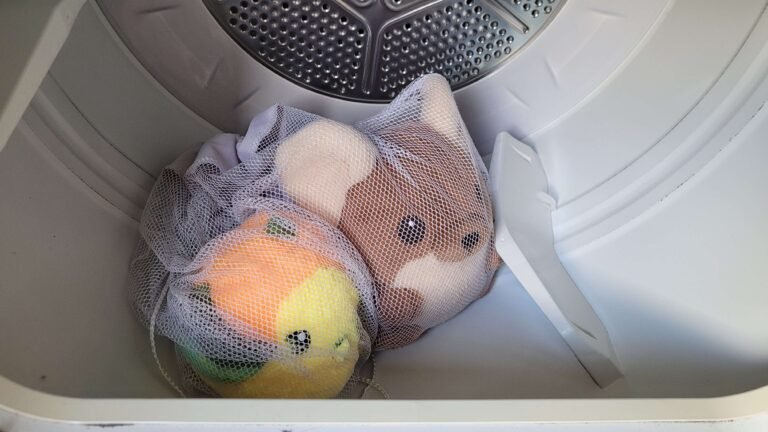
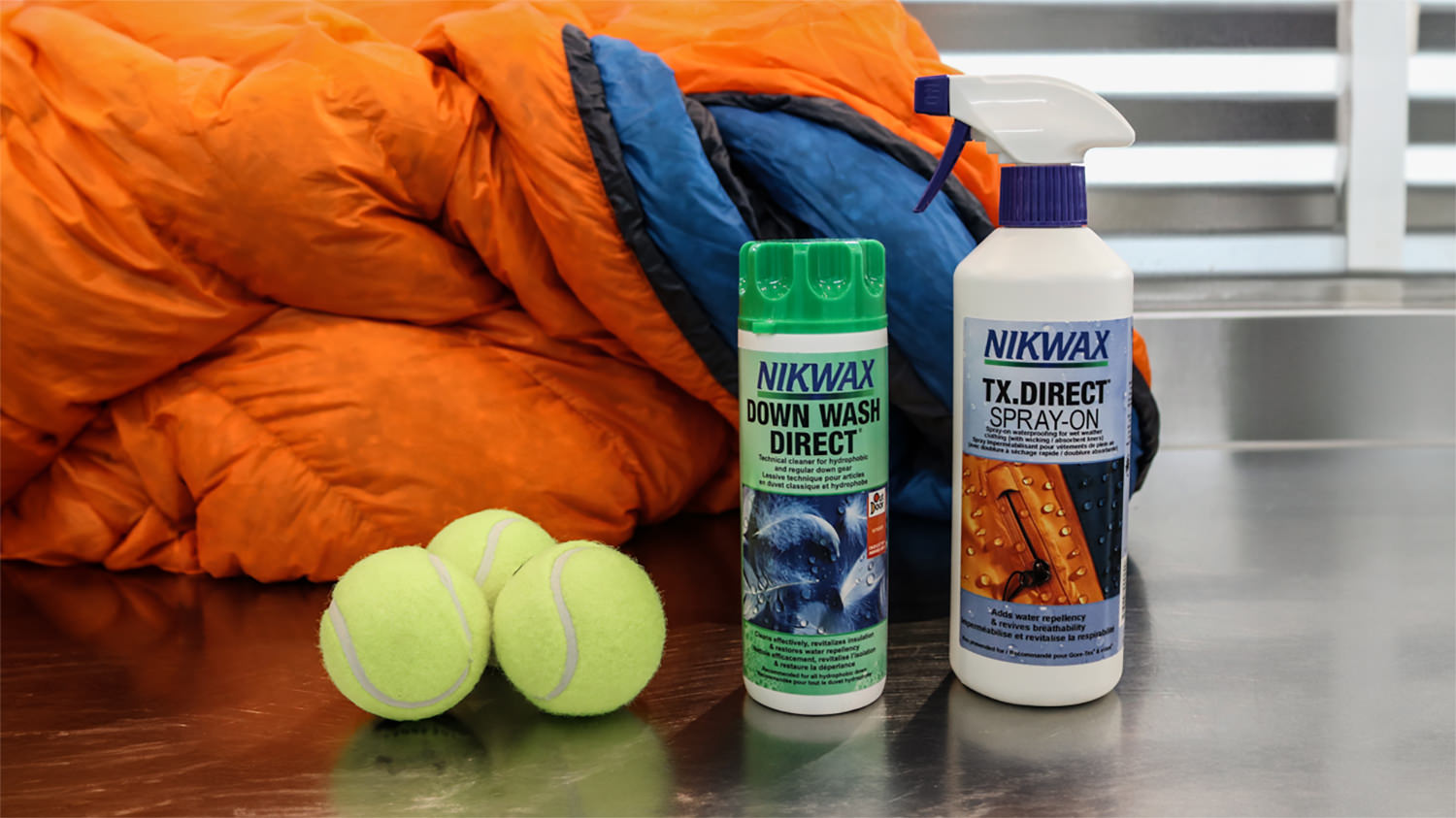
Using a gear dryer on a low heat setting is also effective. Add clean tennis balls or dryer balls to help break up clumps in the insulation. Avoid high heat to prevent melting synthetic fibers or shrinking fabric.
💬
Expert Insight: To preserve your sleeping bag’s loft and warmth, ensure it dries completely before storage to avoid mildew.
Below is a table comparing drying techniques.
| Drying Method | Suitability | Pros | Cons |
|---|---|---|---|
| Air Drying | All types | Gentle, no heat damage | Slow drying time |
| Gear Dryer (Low Heat) | Down and synthetic | Fluffs insulation, faster | Risk if temperature too high |
| High Heat Dryer | Not recommended | Fast drying | Can damage insulation, fabric |
Compressing and Storing Your Sleeping Bag
After washing and drying, compressing sleeping bags properly preserves their shape. Use a large compression sack rather than a tight stuff sack. This prevents crushing insulation fibers.
For storage, keep the bag in a cool, dry place, preferably hanging or loosely packed in a breathable storage sack. This prevents mildew and damage to fabric integrity.
Here are key sleeping bag storage tips:
- Store dry and clean
- Use breathable storage bags
- Avoid tight compression for long periods
- Hang if possible to maintain loft
- Keep away from direct sunlight and moisture
Common Washing Mistakes to Avoid
Many users make errors that reduce sleeping bag life. Using hot water wash or high heat drying can ruin insulation. Fabric softeners and bleach harm water-resistant fabric and fill.
Overloading the washing machine or skipping rinse cycles leaves detergent residues, causing odors and fabric damage. Also, neglecting zipper care can lead to tears or malfunctions.
✅ Essential checklist to prevent damage during washing:
- Use cold water wash
- Choose gentle cycle
- Use mild detergent only
- Do not use fabric softener or bleach
- Ensure full rinse cycles
- Handle zippers carefully before washing
Repairing and Maintaining Post-Wash
After washing, inspect your sleeping bag for any tears, worn fabric, or broken zippers. Minor holes can be patched with fabric repair kits to keep insulation intact.
Regular maintenance extends sleeping bag life. Clean zippers with gentle brush and lubricant made for outdoor gear. Check seams and reinforce weak spots before they get worse.

⭐ Expert Insight: Maintaining your sleeping bag after cleaning is as important as the wash itself. This preserves warmth and comfort for many seasons.
Integrating these repair tips helps avoid costly replacements and keeps your gear ready for adventure.
Eco-Friendly Cleaning Practices
In 2026, sustainability is key. Many choose eco-friendly sleeping bag cleaning methods to reduce environmental impact. Use biodegradable mild detergents and avoid harsh chemicals.
Hand washing with cold water saves energy. Line drying outdoors uses no electricity and prevents heat damage. These steps protect nature and your gear.
🌿 Beginner Tip: Try mixing natural odor neutralizers like baking soda with your detergent for safe, fresh results.
Conclusion
Washing a sleeping bag right takes care and knowledge. Use gentle washing methods suited for your bag’s insulation. Choose mild detergent and avoid harmful additives. Dry carefully with air or low heat gear dryers. Store your bag loosely in a dry, cool place to keep insulation fluffy and fabric strong.
Avoid common mistakes like hot water, harsh chemicals. And tight compression sacks. Regularly repair and maintain zippers and fabric after washing. Consider eco-friendly cleaning to protect the planet and your gear. Following these tips will keep your sleeping bag ready for many adventures ahead.
For more on caring for delicate gear, exploring how to clean a leather jacket in the washing machine offers useful parallels in gentle cleaning techniques and fabric care, available here.
Frequently Asked Questions
Can I machine wash my down sleeping bag?
Yes, but use a front-loading washing machine with a gentle cycle and a mild detergent made for down. Avoid agitators to prevent damage.
How often should I wash my sleeping bag?
Wash your sleeping bag only when dirty or every few trips to preserve insulation and fabric integrity.
What detergent is best for washing sleeping bags?
Use a mild detergent designed for sleeping bags or down products. Avoid fabric softeners and bleach.
How do I dry my sleeping bag after washing?
Air dry or use a gear dryer on low heat. Add clean tennis balls in the dryer to help fluff insulation.
Is dry cleaning recommended for sleeping bags?
Dry cleaning is generally not recommended as harsh chemicals can damage insulation and waterproof fabrics.

Keith Boyd Is A Seasoned Appliance Care Expert With Over A Decade Of Experience In Home Appliance Maintenance. His Authoritative Insights On Washing Machine Care And Upkeep Are Trusted By Homeowners Nationwide. With A Passion For Educating Others, Keith Shares Valuable Tips That Ensure Your Appliances Run Smoothly For Years To Come.