Understanding Sewer Smells in Washing Machines
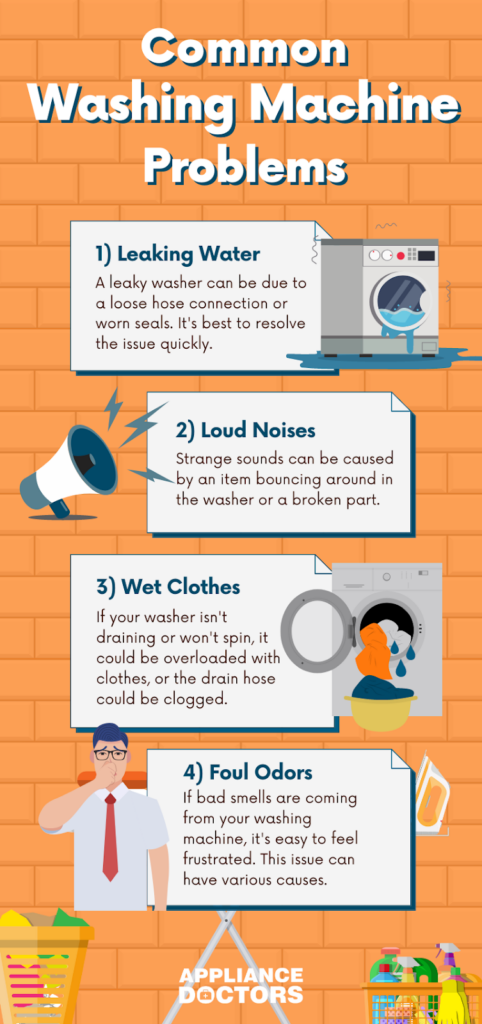
A sewer smell in your washing machine is unpleasant. It often means sewer gas or mold is inside the machine or drain. This odor can come from several issues. Common causes include a dry drain trap, clogged drain pipes, or mold in the gasket. Knowing the source helps you fix it well.
Washing machines rely on a plumbing system to drain water. The drain pipe and P-trap work together to block sewer gas. If the trap dries out or the hose clogs, sewer smells can rise into your home. Mold and mildew inside the machine also add to bad odors.
For a deeper understanding of this mechanic, analyzing resources on why your washing machine smells like sewage provides excellent foundational context.
Industry consensus indicates regular washing machine maintenance is critical. This includes cleaning the drain hose and gasket often. Mold grows in damp, dark spots like the wash tub and gasket. It creates a mildew smell that mixes with sewer gas if drainage is poor.
Proper washing machine ventilation also helps stop odors. Vent pipes must be clear to let air flow. Without good ventilation, smells build inside your home and laundry area.
Common Causes of Sewer Smell in Washers
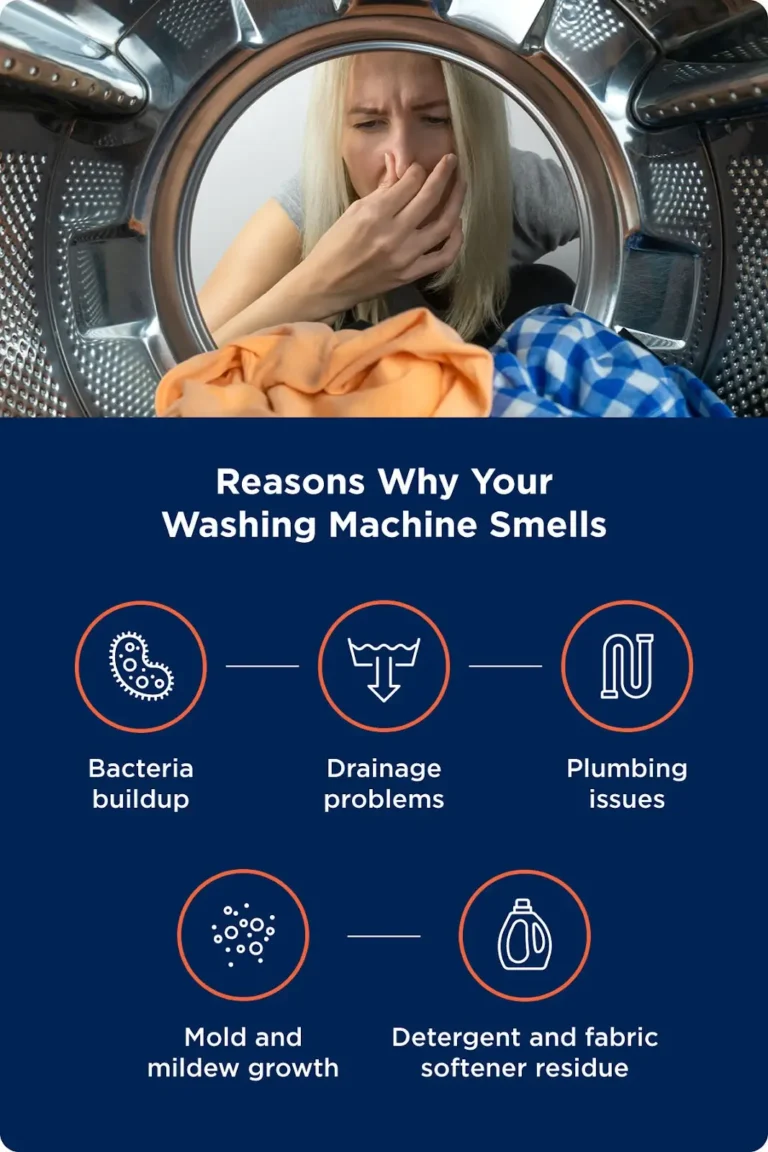
Several issues cause sewer smells in washing machines. The most common are:
- ✅ Dry Drain Trap: The P-trap holds water to block sewer gas. If it dries, the seal breaks and odors escape.
- ✅ Clogged Drain Hose or Pipe: Dirt, lint, and soap build up in pipes and hoses. This slows drainage and causes smells.
- ✅ Mold in Gasket: The rubber gasket around the door traps water and debris. Mold grows here and smells bad.
- ✅ Poor Ventilation: A blocked vent pipe stops sewer gas from escaping outside. It builds up inside.
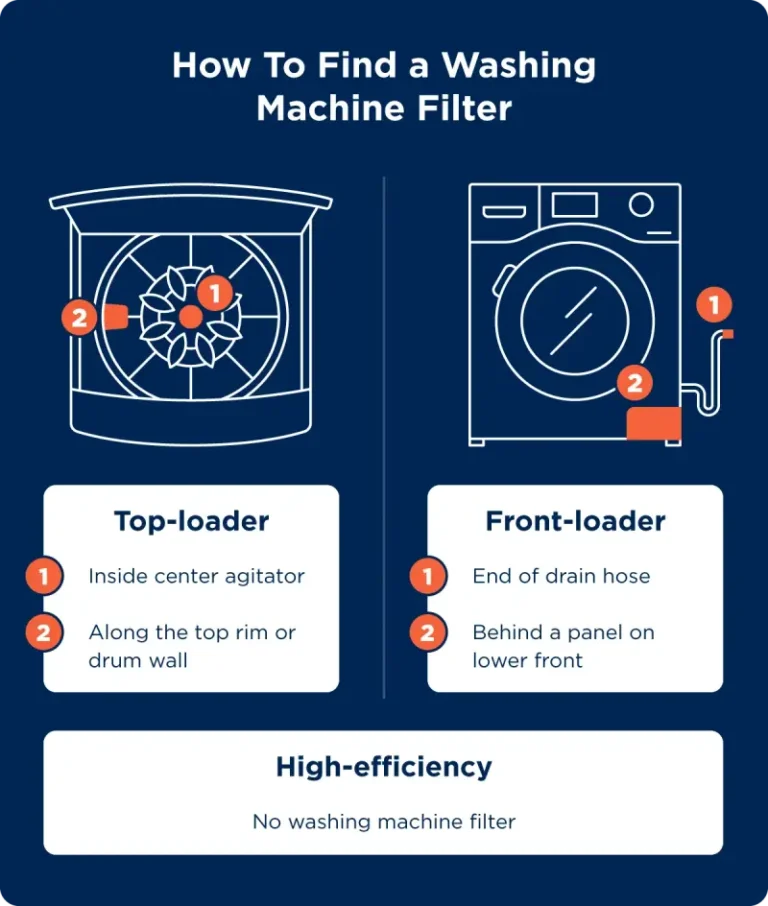
- ✅ Washing Machine Filter Clog: Filters catch dirt but can clog and cause drainage problems and odors.
Each cause needs a different fix. Fixing drain issues stops sewer gas. Cleaning mold and mildew removes the mildew smell. Ventilation keeps air fresh.
Analyzing the data reveals that a mix of these problems often causes odor. Fixing one may not solve the issue if others remain.
How to Check the Drain Trap and Pipes
The P-trap is a U-shaped pipe under your sink or washing machine drain. It holds water that blocks sewer gas. If the trap dries or is missing, smells come into the room.
To check the trap, look under the drain pipe. Make sure it has water in it. If dry, run water through the drain to refill. If you don’t see a trap, you may need to add one to your plumbing.
Drainage problems also cause sewer smells. Lint, soap, and grime clog the washing machine drain pipe or hose. This slows water flow and lets odors build.
Cleaning the drain hose regularly is a good maintenance tip. Remove it and flush with hot water and a mild cleaner. You can also use a snake tool to clear clogs in the drain pipe.
Neglecting these steps leads to plumbing odors in home that can be hard to remove.
Cleaning and Maintenance Tips
Cleaning your washing machine is key to removing odors. Mold and biofilm build up inside the gasket and wash tub. This creates a mildew smell that lasts.
Start by wiping the rubber gasket with a mix of water and sanitizer. Make sure to reach all folds and crevices. Leaving the door open after washing helps dry this area.
Run a hot wash cycle with a washing machine cleaner or vinegar to sanitize the wash tub. This removes biofilm and kills mold spores. Cleaning detergent dispensers and filters also helps.
Proper washing machine ventilation reduces moisture and odors. If your laundry room lacks ventilation, install a vent pipe or use a dehumidifier.
Regular washing machine maintenance keeps odors away. Clean the drain hose and filter monthly. Check the drain trap water seal often. These small steps prevent sewer smell and mildew.
Visualizing Causes and Fixes
Understanding the parts involved helps fix sewer smells. The table below shows common causes, their signs, and fixes.
| Cause | Signs | Fix |
|---|---|---|
| Dry P-Trap | Strong sewer gas smell | Pour water into drain to refill trap |
| Clogged Drain Hose | Slow draining water, foul smell | Remove and clean hose with hot water |
| Mold in Gasket | Musty, mildew odor | Wipe gasket with sanitizer and keep dry |
| Poor Ventilation | Trapped odors in laundry area | Ventilate room or install vent pipe |
| Filter Clog | Water backup, bad smell | Clean washing machine filter regularly |
Regular checks on these parts prevent odors. Knowing what to look for saves time and money on repairs.
Using the right cleaning products and methods is also important. Avoid harsh chemicals that damage rubber parts. Mild sanitizers and vinegar are effective and safe.
Step-by-Step Odor Removal Guide 📌
Follow this quick guide to remove sewer and mildew smells from your washer:
- Check the P-trap and pour water if dry.
- Remove and clean the drain hose with hot water.
- Wipe the door gasket with sanitizer solution.
- Run a hot wash cycle using washing machine cleaner or vinegar.
- Clean or replace the washing machine filter.
- Ensure laundry room ventilation is good.
- Leave the door open after washing to dry the tub and gasket.
Repeat this routine monthly to maintain washing machine hygiene. This keeps your laundry smelling fresh and your machine lasting longer.
⭐ Expert Insights on Sewer Smell Prevention
Experts agree that the best way to avoid sewer smells is to focus on plumbing and mold control. Ensuring the P-trap always holds water is a simple fix that works well. They also stress regular cleaning of the gasket and filter to stop mold growth.
Proper washing machine ventilation is often overlooked. Experts say it is critical in humid spaces. If you want to learn more about maintaining your washing machine, check out tips on how to clean my top loader washing machine. This guide is a great resource for keeping machines fresh and odor-free.
Also, cleaning the rubber gasket is essential. Mold grows fast there. For detailed advice, see the article on how to clean washing machine with mold.
🆚 Comparing Odor Causes and Solutions
| Cause | Source | Solution | Maintenance Needed |
|---|---|---|---|
| Dry P-trap | Plumbing trap dries out | Refill trap with water | Check monthly |
| Mold in Gasket | Moisture and dirt buildup | Sanitize and dry gasket | Clean weekly |
| Clogged Drain Hose | Lint and soap buildup | Flush hose with hot water | Clean monthly |
| Poor Ventilation | Blocked vent pipe or none | Improve airflow or venting | Inspect seasonally |
| Filter Clog | Trapped dirt in filter | Clean or replace filter | Clean monthly |
Knowing these differences helps you target the right fix fast. Combine fixes for best results.
Bad odors in washing machines are common but manageable. Regular care and checks stop most problems before they start.
Conclusion
Sewer smells in washing machines come from plumbing and mold issues. Dry drain traps, clogged hoses, and mold in the gasket are top causes. Fixing these requires cleaning and proper maintenance. Regularly cleaning the drain hose, filter, and gasket keeps odors away. Ensuring the P-trap has water and the laundry area is well ventilated also helps.
Following simple steps like running hot cleaning cycles and leaving the door open after use greatly improves washing machine hygiene. These tips prevent mildew and sewer gas smells. For more cleaning tips, exploring advice on washing machine sewer gas causes helps deepen your knowledge.
Good washing machine care keeps your clothes fresh and your home free from foul odors. Stay proactive with maintenance to enjoy a clean, odorless laundry experience in 2026 and beyond.
Frequently Asked Questions
What causes a sewer smell in washing machines?
A sewer smell often comes from clogged drain pipes, mold buildup, or dried-out drain traps that let sewer gas enter the machine.
How can I prevent mold and mildew in my washing machine?
Keep the door open after use, clean the gasket regularly, and run sanitation cycles to prevent mold and mildew growth.
Does every washing machine have a drain trap or P-trap?
Most washing machines connect to a drain with a P-trap, which blocks sewer gas. If missing or dry, odors can escape into your home.
Can clogged washing machine filters cause bad smells?
Yes. Filters can trap debris and biofilm that cause odors. Regular cleaning of the washing machine filter helps keep smells away.
What is the best method to remove sewer odors from a washing machine?
Cleaning the gasket, drain hose, and drain pipe, using sanitizers, and ensuring proper ventilation are key steps to remove sewer odors.

Michael Peterson is a home appliance writer focused on practical washing machine care, maintenance, and troubleshooting. He shares simple, reliable tips to help readers keep their washing machines running efficiently, avoid common problems, and extend appliance life.