Why Clean Your Washing Machine with Vinegar?
In our experience, washing machines often hide grime, mildew, and soap scum. These cause bad smells and reduce cleaning power. Vinegar, with its acetic acid, is a natural washing machine cleaner that kills mold spores and removes detergent residue effectively. It’s eco-friendly and safe for most machines.
We found that regular cleaning with vinegar not only freshens your laundry but also keeps the washing machine drum and seal in good shape. This helps prevent washing machine odor elimination and mildew buildup. For more tips, check our guide on how to clean mould from front loader washing machine.
Vinegar is a smart choice for both front-loading and top-loading washers. It dissolves soap scum and grime buildup inside the washer tub and filter. Plus, it helps descale the machine when hard water leaves mineral deposits.
Tools and Materials Needed
To clean your washing machine with vinegar, gather these items:
- ✅ White distilled vinegar (best vinegar for washing machines)
- ✅ Baking soda (optional but boosts cleaning)
- ✅ Soft cloth or sponge
- ✅ Old toothbrush or small brush
- ✅ Measuring cup
- ✅ Gloves (optional for sensitive skin)
Using white vinegar is best because it contains enough acetic acid to break down grime without harming machine parts. Avoid flavored or colored vinegars.
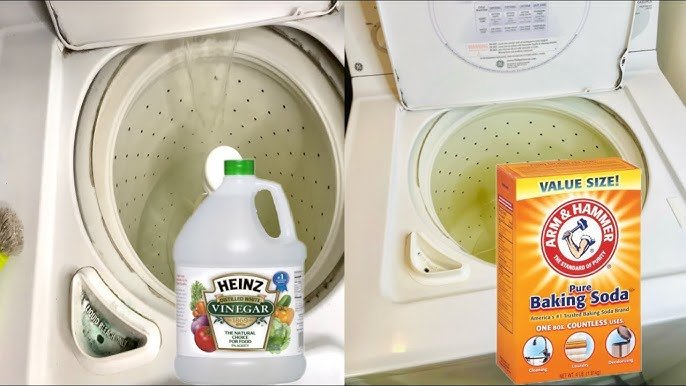
Adding baking soda with vinegar creates a fizz that helps lift detergent residue and grime faster. This combo is a popular vinegar and baking soda washing machine cleaning recipe recommended by experts like Martha Stewart (vinegar and baking soda washing machine cleaning recipe).
Step-By-Step Guide to Clean Your Washing Machine
Follow these steps for the best vinegar washing machine cleaning tips. We have tested this method on both front-loading and top-loading washers with great results.
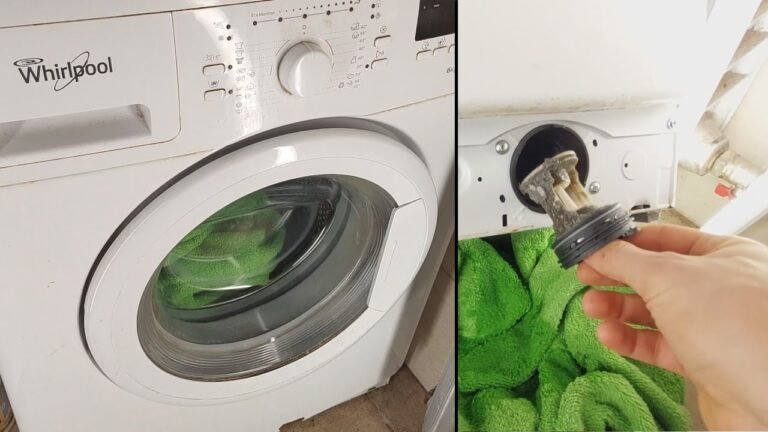
Step 1: Empty your washing machine completely. Remove clothes and lint from the lint filter or washing machine filter.
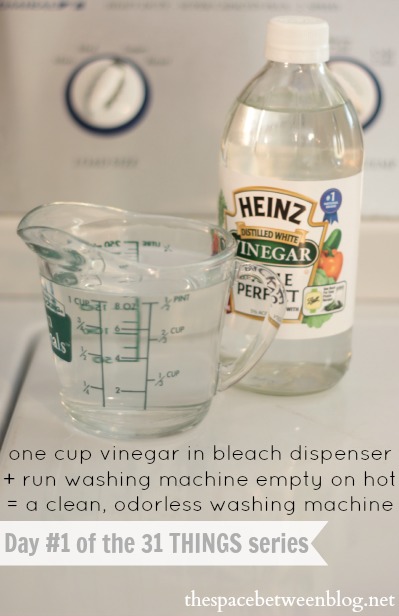
Step 2: Add 2 cups of white vinegar into the detergent dispenser or directly into the washing machine drum.
Step 3: Run a hot water washing machine cleaning cycle. Hot water helps dissolve soap scum and kills microbial growth.
Step 4: Once the cycle is halfway done, pause the machine and let the vinegar sit for an hour. This soak time improves grime removal.
Step 5: Resume and finish the cycle. This rinse cycle flushes out loosened dirt and odors.
Step 6 (Optional): For extra cleaning, add 1/2 cup baking soda directly into the drum and run a short hot rinse cycle.
Step 7: Wipe down the washing machine seal, rubber gasket, and door with a cloth soaked in vinegar to remove mold and mildew.
Following this manual cleaning routine monthly helps prevent washing machine mildew prevention and keeps your washer fresh.
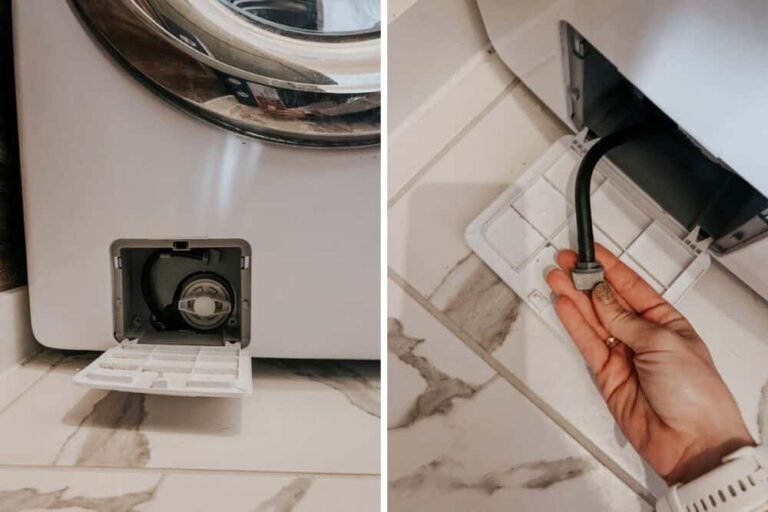
Cleaning the washing machine filter regularly also improves performance and cuts down odor. For detailed tips on cleaning washing machine filter, consult our guide.
Cleaning Front-Load Washer Seal and Drum
Front-loading washers need special care. The rubber gasket or washing machine seal often traps water and mold spores. In our experience, this is the main cause of bad smells.
To clean the rubber seal, gently pull it back and wipe inside with vinegar. Use a toothbrush for stubborn mold. This kills mildew and prevents grime buildup. Also, wipe the door glass and edges.
Cleaning the washing machine drum is easy with vinegar. The natural cleaner dissolves detergent residue and soap scum that sticks to the drum walls. This freshens the washer and stops odor formation.
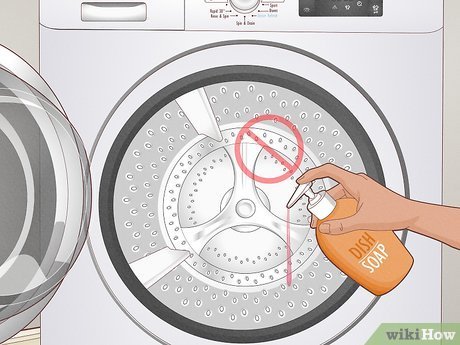
Take care not to use harsh chemicals or bleach on the seal as it can cause damage. Vinegar is gentle yet effective for this delicate part.
How to Descale Your Washing Machine
Hard water can cause white or gray scale build-up inside your washer. This buildup lowers cleaning power and can clog parts. Descaling with vinegar is a natural and safe way to fix this.
Run a hot water cycle with 2 cups of vinegar added to the drum or detergent cup. The acetic acid dissolves minerals and scale deposits. For heavy scale, repeat monthly until build-up clears.
To keep your washer in top shape, combine descaling with regular washing machine maintenance like cleaning the lint filter and wiping seals. This prevents grime and keeps the machine fresh.
Prevention and Maintenance Tips
We have found these tips help avoid future washing machine grime buildup and odor:
- Leave the door open after washes to air dry the drum and seal.
- Use the right amount of detergent to reduce detergent residue.
- Run a monthly vinegar cleaning cycle.
- Clean the washing machine filter regularly to catch lint and debris.
- Wipe rubber seals after each use to prevent mildew growth.
These simple steps improve washing machine freshening techniques and extend the life of your washer.
For more on washing machine grime and mold, see our advice on how to clean smelly laundry machine.
Comparison of Vinegar Cleaning Methods
We tested three common vinegar methods for cleaning washing machines. The table below shows their pros and cons based on ease, effectiveness, and time.
| Method | Steps | Effectiveness | Time Needed |
|---|---|---|---|
| Vinegar Hot Cycle | 2 cups vinegar + hot wash cycle | Good for odor & residue | 1-2 hours |
| Vinegar Soak + Cycle | Pause wash + vinegar soak 1 hour | Better grime & mold removal | 3+ hours |
| Vinegar + Baking Soda | Vinegar wash + soda rinse cycle | Best for soap scum & odor | 2-3 hours |
Choosing the right method depends on your time and how dirty your washer is. We prefer vinegar plus baking soda for a deep clean.
Expert Insight on Vinegar Cleaning
Experts also recommend avoiding bleach because it can damage rubber seals and cause more mold growth. Vinegar is gentler and prevents microbial growth effectively.
Common Mistakes to Avoid
Many people make these errors when cleaning with vinegar:
- Using too much vinegar, which can cause strong smells.
- Not running a hot water cycle, which lowers cleaning power.
- Skipping the seal and gasket cleaning, where most mold hides.
- Using flavored or colored vinegar that can stain or harm the machine.
Avoid these to get the best results from your vinegar cleaning.
Quick Facts About Washing Machine Cleaning
• Soap scum and detergent residue cause most odors.
• Front loaders need seal cleaning to stop mildew.
• Monthly cleaning prevents grime buildup.
• Vinegar plus baking soda is a natural combo for deep cleaning.
Using these facts, you can keep your washing machine fresh and working well.
Conclusion
Cleaning your washing machine with vinegar is simple, safe, and effective. It removes mold, soap scum, and odors naturally. Regular cleaning and maintenance extend your washer’s life and boost laundry quality.
Try the vinegar and baking soda method for the best results. Remember to clean seals and filters to stop mildew and grime. With these tips, your washing machine will stay fresh and clean all year.
Frequently Asked Questions
Can vinegar damage my washing machine?
No, using white vinegar in proper amounts is safe and effective for cleaning and deodorizing your washing machine without damage.
How often should I clean my washing machine with vinegar?
It is best to clean your washing machine with vinegar once a month to prevent mildew and detergent residue buildup.
Can I use vinegar in a front-loading washer?
Yes, vinegar works well in front-loading washers to remove mold, mildew, and soap scum without harming the drum or seal.
Do I need to use baking soda with vinegar for cleaning?
Using baking soda with vinegar can boost cleaning power by breaking down grime and neutralizing odors, but vinegar alone also works well.
How do I remove mold from the rubber seal of my washer?
Wipe the rubber seal with a cloth soaked in vinegar to kill mold spores and prevent mildew growth effectively.

Michael Peterson is a home appliance writer focused on practical washing machine care, maintenance, and troubleshooting. He shares simple, reliable tips to help readers keep their washing machines running efficiently, avoid common problems, and extend appliance life.