Understanding Heavy Soil on Washing Machines
Heavy soil on a washing machine means your clothes have a lot of dirt or stains. This setting is for laundry that needs a stronger clean. It changes how the machine works by using longer wash times and more water. Many machines also raise the water temperature to help break down tough stains.
Knowing how to use the heavy soil cycle can save you time and keep your clothes cleaner. Many washing machines now include a soil sensor. This sensor senses how dirty your laundry is and adjusts the cycle automatically.
For a deeper understanding of this mechanic, analyzing resources on washing machine soil levels provides excellent foundational context.
Washing Machine Soil Level Options Explained
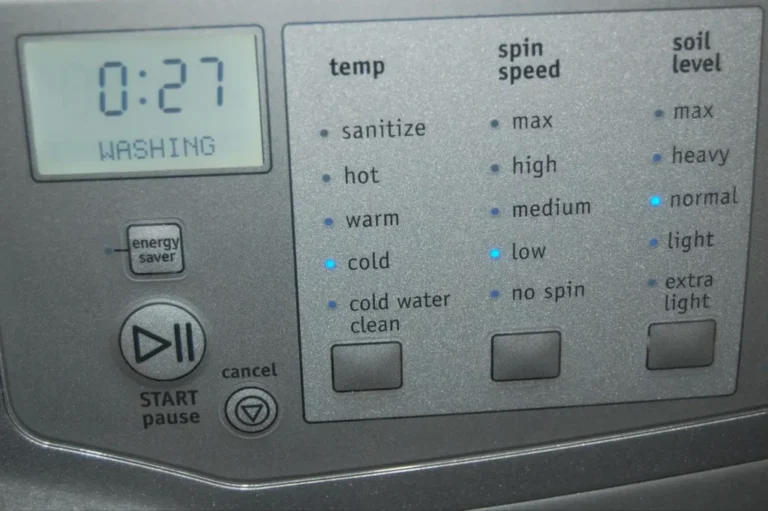
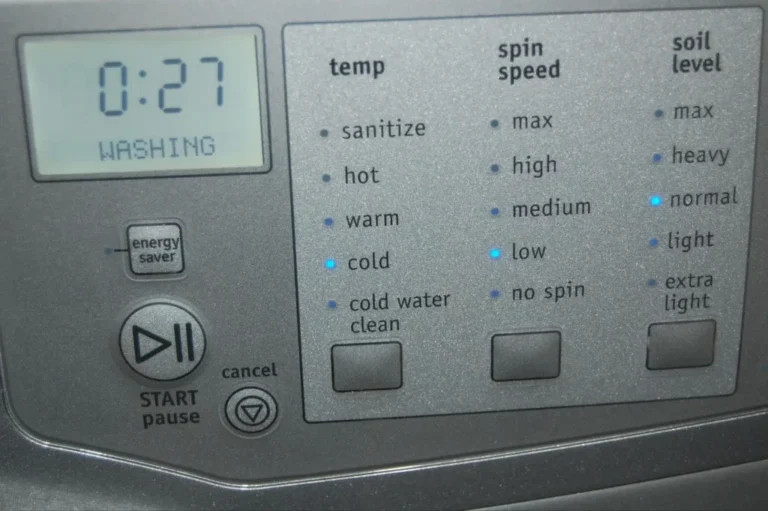
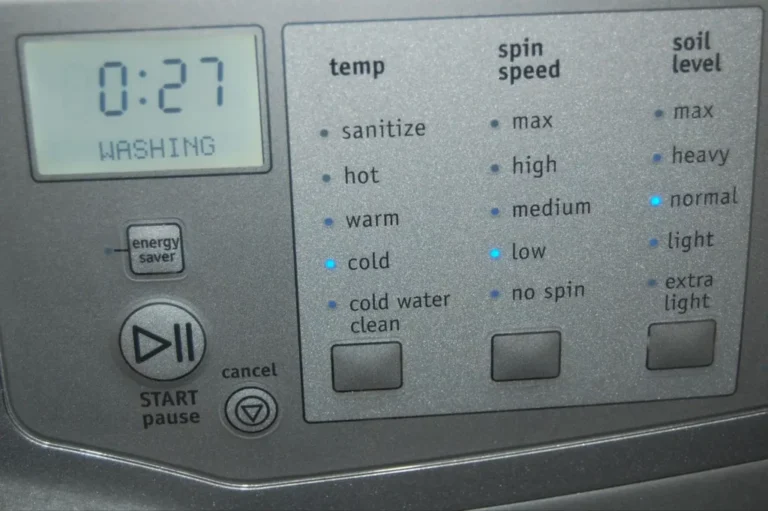
Most washers offer soil level options like light, normal, or heavy soil. Choosing the right level helps the machine clean better and saves water and energy. Heavy soil is used for very dirty clothes or strong stains. Normal is for everyday washing. Light soil is for clothes that need a gentle clean.
Using the right soil level can improve stain removal. When heavy soil is selected, the washer may add a prewash option. This step loosens dirt before the main wash. It also often uses a longer wash cycle duration to give detergent time to work.
Heavy soil cycles may also adjust spin speed to protect fabric while cleaning deeply.
Choosing the correct soil level is key for fabric care. Overusing heavy soil settings can wear out clothes.
Benefits of the Heavy Duty Wash Cycle
Heavy duty wash cycles are designed to tackle tough jobs. They use strong agitation and longer wash times to remove heavy soil stains. The cycle often heats water to improve cleaning power. This setting is especially useful for work clothes, sportswear, and items with ground-in dirt.
While heavy duty cycles use more water and energy, they can save you from rewashing. This makes them efficient for heavily soiled loads.
Modern machines with soil sensors can balance cleaning power and resource use. They detect soil load and adjust the heavy duty wash cycle accordingly.
Energy use heavy soil cycle is higher, but the improved cleaning reduces overall laundry time.
Washing Machine Cleaning Cycles and Maintenance
Besides washing clothes, heavy soil cycles help clean the machine itself. Some washers have special cycles for cleaning detergent buildup and mold. Running these cleaning cycles keeps the machine fresh and working well.
Regular cleaning prevents smells and improves washing performance. Use recommended detergents and avoid overloading to reduce soil buildup inside the drum.
Cleaning the detergent dispenser and filters also helps maintain the machine.
Learn more fabric care heavy soil cycles in your washing machine manual soil levels section.
Heavy Soil Laundry Tips for Best Results
To get the most from heavy soil cycles, use the right detergent dosage. Heavy soil detergent recommendations suggest using more detergent for tough stains. Pre-treat stains with stain removers before washing.
Sort laundry by fabric type and soil level. Use heavy soil cycles only when needed to protect delicate fabrics. Check washing machine cycle customization options to tailor wash time and water temperature.
Load size also matters. Overloading can reduce cleaning power. Fill the drum to about 70-80% for best results.
For tough stains, a prewash or soak helps loosen dirt.
Difference Between Heavy Soil and Normal Wash Cycles
Heavy soil cycles are longer and stronger than normal wash cycles. They use more water and energy to clean deep stains. Normal wash is quicker and gentler, suitable for everyday dirt.
The heavy soil wash meaning involves more intense agitation and higher temperature. This breaks up dirt better but can be rougher on clothes.
Choosing the right cycle depends on your laundry needs. Use normal wash for lightly soiled clothes and heavy soil for tough jobs.
This balance helps save energy and extends fabric life.
How to Customize Washing Machine Cycles
Modern washers offer cycle customization for soil level, wash time, water temperature, and spin speed. This lets you match the cycle to your fabrics and soil load. Customizing cycles improves cleaning and fabric care.
Some models allow saving custom settings for heavy soil cycles. You can increase wash time or add extra rinse cycles for better stain removal.
Adjusting water temperature can also boost cleaning. Hot water helps with heavy soil but may shrink or fade some fabrics.
Spin speed affects drying time and fabric damage. Lower speeds protect clothes but leave them wetter.
Explore how to wash sunbrella fabric for tips on caring for specific materials.
Energy and Water Use in Heavy Soil Cycles
Heavy soil cycles use more water and energy than standard ones. The longer wash time and higher temperatures increase consumption. However, this is balanced by better cleaning, reducing the need for multiple washes.
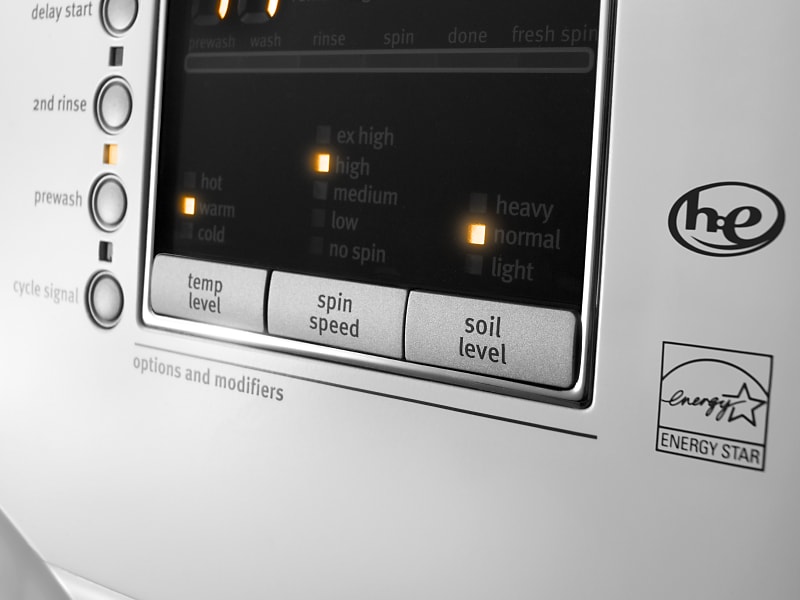
Washing machine water usage heavy soil setting depends on load size and machine model. Newer washers are more efficient and adjust usage based on soil sensors.
Using heavy soil cycles wisely can save resources over time. Avoid using heavy settings for lightly soiled clothes.
Energy-efficient detergents designed for heavy duty wash cycles can also reduce environmental impact.
How to Remove Heavy Soil Stains Effectively
Heavy soil stains need special care. Pre-treat stains with stain removers or soak in detergent before washing. Use heavy soil cycles with suitable detergent for best results.
For tough stains like mud or grease, use hot water if fabric care allows. Repeat washing if stains persist. Avoid overusing bleach which can damage fabrics.
Choosing the right wash cycle and detergent is key to stain removal without harming clothes.
For more stain removal tips, see washing machine stain removal guides.
Advantages of Washing Machine Soil Sensors
Soil sensors make washing smarter. They measure how dirty clothes are and adjust the wash cycle automatically. This means less water and energy are used for lightly soiled laundry.
For heavy soil loads, the sensor extends the wash time and increases agitation to clean better. This saves you time and effort.
Soil sensors improve cleaning efficiency and reduce wear on fabrics by avoiding over-washing.
They are a key feature in modern washing machine soil level options.
⭐ Expert Insight
Industry consensus indicates that using the heavy soil cycle correctly improves cleaning without wasting resources. Overusing this setting can lead to faster fabric wear. Modern sensors help balance cleaning needs with energy use.
Choosing detergents designed for heavy duty washes enhances stain removal and protects your machine.
Heavy Soil Cycle Compared to Other Wash Cycles
| Cycle Type | Wash Time | Water Temp | Energy Use | Best For |
|---|---|---|---|---|
| Heavy Soil | Long | High | High | Heavily soiled clothes, tough stains |
| Normal | Medium | Medium | Medium | Everyday laundry |
| Light Soil | Short | Low | Low | Lightly soiled or delicate fabrics |
The heavy soil wash cycle duration is longer to give detergent time to work. This makes it more effective for tough dirt but uses more energy and water.
Choosing the right cycle helps save resources and care for fabrics better.
📌 Step-by-Step Guide to Using Heavy Soil Cycle
- Sort laundry by fabric type and soil level.
- Pre-treat heavy stains with stain remover.
- Load the washing machine without overfilling.
- Select the heavy soil setting on your machine.
- Choose the recommended detergent dosage for heavy soil.
- Adjust water temperature if your machine allows.
- Start the cycle and wait for completion.
- Check clothes after washing; repeat if needed.
Following these steps ensures clothes come out clean and fresh without damage.
For detailed fabric care, review how to wash sunbrella fabric.
Heavy Soil Detergent Recommendations
Detergents for heavy soil cycles usually have strong enzymes and cleaning boosters. They break down proteins, oils, and dirt better than regular detergents. Look for labels like “heavy duty” or “tough stain remover.”
Using the right detergent dosage is key. Too little won’t clean well; too much can leave residue. Follow package instructions and your washing machine manual soil levels guide.
High-efficiency (HE) detergents are best for modern washers with soil sensors. They produce fewer suds and improve washing performance.
⚖️ Pros & Cons of Heavy Soil Cycles
- ✅ Pros: Effective stain removal, cleans tough dirt, saves rewash time.
- ✅ Cons: Higher water and energy use, longer cycle time, may wear fabrics faster.
Use heavy soil cycles only when needed for best balance.
Conclusion
Heavy soil in washing machines means laundry needs a stronger clean. Using heavy soil cycles helps remove tough stains with longer wash times, higher temperatures, and more water. Modern machines with soil sensors adjust cycles for better cleaning and efficiency. Choosing the right detergent and cycle customization protects fabric and lowers energy use.
By understanding washing machine soil level options and following heavy soil laundry tips, you can keep clothes clean and fresh in 2026. For a well-rounded laundry routine, explore more guides on stain removal and fabric care to extend your clothes’ life and save resources.
Remember, smart washing protects your fabrics and the planet.
Frequently Asked Questions
What is a heavy soil cycle on a washing machine?
A heavy soil cycle is a washing machine setting designed for clothes with tough dirt or stains. It uses longer wash times, stronger agitation, and sometimes higher temperatures to clean heavily soiled fabrics.
How does a washing machine soil sensor work?
A soil sensor detects how dirty your laundry is by measuring the water’s turbidity during the wash. It adjusts the wash cycle’s length and intensity to match the soil level, saving water and energy when clothes are less dirty.
Does the heavy soil cycle use more energy and water?
Yes, heavy soil cycles generally use more water and energy because they run longer and may use hotter water. However, these settings help remove tough stains effectively.
Can I customize the heavy soil wash cycle?
Many modern washing machines allow cycle customization, so you can adjust soil levels, wash time, water temperature, and spin speed to fit your laundry needs, including heavy soil loads.
What type of detergent is best for heavy soil washing?
Detergents formulated for heavy duty or tough stains work best for heavy soil cycles. They often contain stronger enzymes and cleaning agents to break down dirt and grime.

Keith Boyd Is A Seasoned Appliance Care Expert With Over A Decade Of Experience In Home Appliance Maintenance. His Authoritative Insights On Washing Machine Care And Upkeep Are Trusted By Homeowners Nationwide. With A Passion For Educating Others, Keith Shares Valuable Tips That Ensure Your Appliances Run Smoothly For Years To Come.