Understanding Washing Machine Cycle Duration
Washing machines have many settings that affect the total wash cycle duration. The wash cycle length depends on factors like load size, fabric type. And chosen program. Knowing how long a wash cycle takes helps plan laundry and save energy.
Modern washing machines often include sensor technology that adjusts cycle time automatically. For more details on machine functions, see our guide on bed bug removal in washers.
Industry consensus shows the average wash time varies widely but usually falls between 30 and 60 minutes for a standard load.
Normal Wash Cycle Length vs Quick Wash Cycle Time
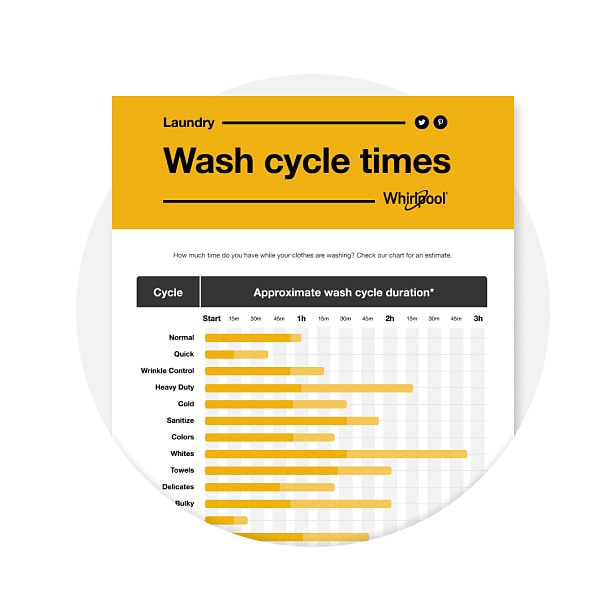
The normal wash cycle length is designed for everyday laundry and balances thorough cleaning with time. It generally lasts about 45 to 60 minutes.
Quick wash cycles are shorter, typically lasting 15 to 30 minutes. They suit lightly soiled clothes when speed matters most. However, quick cycles may use more energy per minute.
Choosing between these cycles depends on how dirty the clothes are and time availability.
| Cycle Type | Duration (minutes) | Best For |
|---|---|---|
| Normal Wash | 45 – 60 | Regular laundry |
| Quick Wash | 15 – 30 | Lightly soiled clothes |
| Heavy-Duty | 60 – 90 | Heavily soiled items |
| Delicate Cycle | 30 – 45 | Fragile fabrics |
Heavy-duty cycles take longer to clean tough stains and dirt. Delicate cycles reduce agitation and time to protect fabrics.
For a deeper understanding of this mechanic, analyzing resources on washing machine wash times provides excellent foundational context.
How Load Size and Fabric Type Affect Cycle Duration
Load size impacts cycle time because machines must adjust water and energy use. Larger loads need longer wash durations to clean well.
Fabric type also matters. Delicate fabrics require gentler and shorter cycles to avoid damage. Heavy fabrics need longer wash and spin times.
Washing program choices often include settings for cotton, synthetics, wool. And others, each with specific cycle lengths.
Spin speed and rinse cycles are also tailored to fabric care. Higher spin speeds reduce drying time but can stress delicate clothes.
| Fabric Type | Recommended Cycle Length | Spin Speed |
|---|---|---|
| Cotton | 45 – 60 minutes | High |
| Synthetics | 30 – 45 minutes | Medium |
| Delicates | 30 minutes | Low |
| Wool | 30 – 40 minutes | Very Low |
These settings help protect clothes while ensuring cleanliness.
Cycle Time and Water Usage: Energy-Efficient Wash Cycles
Energy-efficient wash cycles reduce water and power use by adjusting cycle time. Machines with sensor-based washing cycles detect load size and soil level to optimize duration.
Eco wash cycle length is often longer but uses less water and energy overall. This helps lower bills and environmental impact.
Timing for soaking clothes can extend the wash but improves stain removal without harsh chemicals.
Choosing the right cycle can balance time with energy savings.
Smart washing machines now allow cycle time adjustment through apps, offering more control over energy use.
Front Load vs Top Load Wash Time Comparison
Front load washers usually have longer wash cycles than top load washers. This is due to their design. This uses less water and relies on tumbling action.
Top load washers tend to use more water and have shorter cycle times but may be rougher on clothes.
Front load models often include advanced washing programs and sensor technology to adjust cycle duration automatically.
Each has pros and cons related to wash time, energy use. And fabric care.
| Washer Type | Average Cycle Duration | Water Usage | Fabric Care |
|---|---|---|---|
| Front Load | 50 – 70 minutes | Low | Gentle |
| Top Load | 35 – 50 minutes | High | Moderate |
Choosing between front and top load washers depends on your priorities for time, energy. And fabric care.

Rinse and Spin Cycle Duration Explained
The rinse and spin cycle duration is shorter than the main wash. It typically lasts 10 to 15 minutes.
This cycle removes detergent and excess water from clothes. Spin speed during this cycle affects drying time.
Some machines allow separate rinse and spin cycles to refresh clothes without washing.
Adjusting rinse cycle temperature settings can improve cleaning for sensitive fabrics.
Understanding this cycle helps optimize laundry routines.
Conclusion: Choosing the Right Cycle Duration in 2026
Washing machine cycle duration depends on many factors: load size, fabric type, machine type. And chosen program. Advances in sensor technology and smart machines help users save time and energy by adjusting cycle length automatically.
Knowing the differences between normal, quick, heavy-duty. And delicate cycles helps pick the right setting. Front load washers usually take longer but use less water and treat clothes gently compared to top load models.
Energy-efficient wash cycles with smart controls are now common, making it easier to balance clean clothes with sustainability goals.
For more tips on laundry care and machine maintenance, check out how to clean mold from your front load washing machine. This can keep your machine running efficiently and smelling fresh.
In 2026, understanding wash cycle duration is key to smart, eco-friendly laundry habits that fit your lifestyle.
Frequently Asked Questions
What is the average wash time for a normal cycle?
The normal wash cycle length usually ranges from 45 to 60 minutes depending on the washing machine model and load size.
How does load size impact washing machine cycle duration?
A larger wash load size often increases cycle duration because the machine adjusts to clean all clothes effectively.
What is the quick wash cycle time in modern machines?
Quick wash cycle times typically last between 15 to 30 minutes, designed for lightly soiled clothes.
Do front load washers take longer than top load washers?
Front load washers usually have longer wash times than top load washers due to their energy-efficient and gentle wash cycles.
Can smart washing machines adjust cycle time automatically?
Yes, smart washing machines use sensor technology to adjust cycle duration based on fabric type, soil level, and load size.

Michael Peterson is a home appliance writer focused on practical washing machine care, maintenance, and troubleshooting. He shares simple, reliable tips to help readers keep their washing machines running efficiently, avoid common problems, and extend appliance life.