Understanding Warm Temperature on Washing Machines
The warm cycle on a washing machine usually means water heated between 90°F and 110°F (32°C to 43°C). This range is warm enough to help dissolve laundry detergent and remove dirt better than cold water. It also helps kill some bacteria, improving hygiene. However, it is not as hot as the hot cycle. This can reach up to 140°F (60°C).
Modern washing machines use a water heater element and temperature control sensors to keep the water in this warm range. This control helps protect fabrics and save energy. For more details, exploring a washing machine temperature guide offers excellent foundational context on this topic.
Choosing the right warm water temperature depends on what you are washing and the fabric type. Warm water is a good middle ground between cleaning power and fabric care.
Warm Water Temperature Range and Benefits
Industry consensus indicates warm water between 90°F and 110°F is ideal for many laundry needs. This range is warm enough to activate laundry detergent well. This helps break down grease and grime. It also reduces color fading compared to hot water.
The benefits of a warm wash cycle include:
- ✅ Better stain removal than cold water
- ✅ Improved hygiene by killing some germs
- ✅ Less energy use than hot water cycles
- ✅ Less damage to clothes than hot water
Warm water is especially good for washing everyday fabrics like cotton, polyester. And blends. It also suits lightly soiled clothes that need a good clean without risking shrinkage.
Optimal Washing Temperature for Fabric Types
Different fabric types need different washing temps to avoid damage. Delicate fabrics like silk and wool generally require cold or cool water, avoiding warm or hot cycles. Synthetic fabrics like nylon and polyester handle warm water well.
:max_bytes(150000):strip_icc()/laundry-and-water-temperature-1900646-FINAL-5baa47d946e0fb0025b1cda9.png "A Washing Machine Temperature Guide (for Most Brands) (Figure)")
Here is a simplified washing machine temperature chart showing common fabrics and their best water temps:
| Fabric Type | Recommended Temp |
|---|---|
| Cotton | Warm (90°F–110°F) |
| Polyester/Blends | Warm (90°F–110°F) |
| Silk/Wool | Cold (Below 80°F) |
| Microfiber | Cold or Warm (Avoid Hot) |
| Delicates | Cold (Below 80°F) |
Using the right temperature helps protect fabric fibers and colors. Always check clothing care instructions for best results.
Cold vs Warm Wash: Which Is Better?
Cold water washing is more energy efficient and gentle on clothes. It is best for delicate fabrics and colors that may bleed. However, cold water may not clean greasy stains well.
Warm water offers better stain removal and hygiene benefits. It helps activate detergents and kills some bacteria. But it uses more energy than cold water and can cause slight shrinkage or fading on some fabrics.
Consider the soil level and fabric care when choosing your washing machine heat levels. For lightly soiled, everyday clothes, warm water is often the best balance.
Energy Use and Environmental Impact of Wash Temperatures
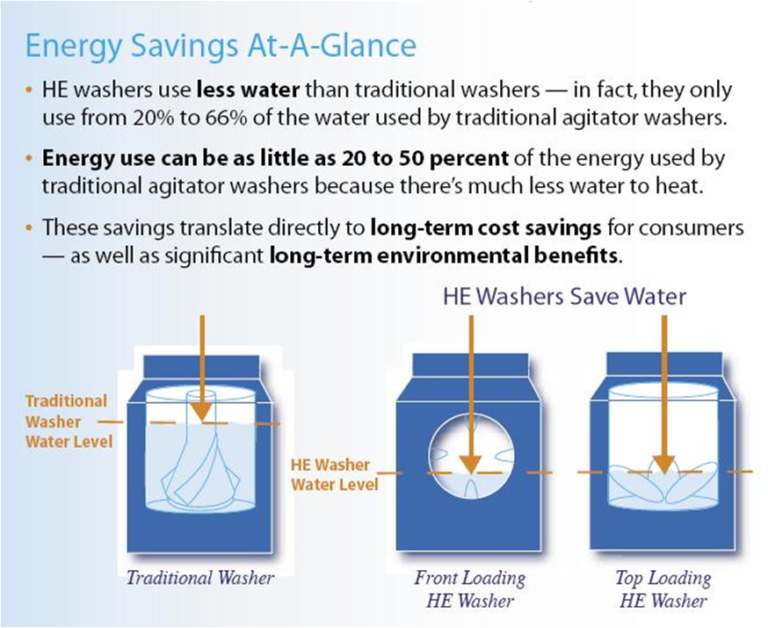
Heating water accounts for most energy use in washing machines. Warm water cycles use less energy than hot water but more than cold cycles. Choosing warm instead of hot water can save significant energy.
Some advanced washing machines feature temperature control and water temperature sensors to optimize energy use. Using the warm cycle wisely can reduce environmental impact without losing cleaning power.
:max_bytes(150000):strip_icc()/wash-with-the-right-water-temperature-2146348_FINAL-5bb51fb24cedfd0026d1752b.png "The Best Washing Machine Temperature for Laundry (Figure)")
For those wanting to reduce energy use further, cold water washing with modern detergents is a good option. However, warm water remains popular for its cleaning and hygiene benefits.
Temperature Control and Machine Settings Tips
Most washing machines let you select water temperature manually. Some have preset warm cycles with fixed heat levels. Others allow precise temperature settings. Reading your machine manual helps understand these settings.
To get the best from the warm cycle, consider these laundry tips:
- Use detergents designed for warm water.
- Sort clothes by fabric type and soil level.
- Use fabric softeners if recommended.
- Avoid overloading to allow proper cleaning.
Modern machines may also have a soil level or stain removal setting. These can work with warm water to improve cleaning efficiency.
How to Wash Delicate Fabrics with Warm Water
Delicate fabrics like silk, wool, or microfiber often need special care. While cold water is safer, some may allow a warm wash at the lower end of the temperature range. Always check clothing care labels first.
When using a warm wash for delicates, select a gentle cycle with slow agitation. Use mild detergent and avoid fabric softeners that can harm fibers. Washing delicate fabrics warm can remove light stains without harsh damage.

For detailed care on delicate items, check guides on how to wash a rug in washing machine. This shares good tips on gentle washing methods.
Washing Machine Temperature Chart Summary
Understanding washing machine temperature settings helps you choose the best for your laundry. Here’s a quick chart summarizing common heat levels and their uses:
| Temperature Setting | Approx. Temp (°F) | Best For | Energy Use |
|---|---|---|---|
| Cold | 60–80 | Delicates, colors, energy saving | Lowest |
| Warm | 90–110 | Everyday clothes, moderate stains, hygiene | Medium |
| Hot | 130–140 | Heavy stains, whites, sanitizing | Highest |
Choosing the right temperature controls cleaning power and fabric care. Warm water is the best all-around choice for many loads.
Conclusion: Choosing the Best Warm Temperature Setting
In 2026, washing machine temperature control is smarter and more efficient than before. Warm water, between 90°F and 110°F, offers a great balance between cleaning, fabric care. And energy use.
It helps remove stains better than cold water and reduces bacteria for cleaner clothes. At the same time, it uses less energy and causes less damage than hot water. Always check fabric care labels and use washing machine settings wisely.
For further tips on washing machine use and fabric care, reading about how to wash towels washing machine and related topics can expand your laundry skills.
By understanding the warm wash cycle benefits and temperature control on your washing machine, you can keep your clothes clean, fresh. And long-lasting while saving energy and protecting the planet.
Frequently Asked Questions
What is the warm water temperature range in washing machines?
Warm water in washing machines usually ranges from 90°F to 110°F (32°C to 43°C). This temperature is moderate, not too hot or cold.
Is warm water better than cold water for laundry?
Warm water often cleans better than cold water, especially for oily stains and some bacteria. However, cold water saves energy and protects delicate fabrics better.
Can washing clothes in warm water cause damage?
Washing in warm water can cause some fabrics to shrink or fade color. It is best to check clothing care instructions to avoid damage.
How does water temperature affect energy use in washing machines?
Heating water uses most of the energy in washing. Warm water uses less energy than hot water but more than cold water.
What is the best washing temperature for clothes?
The best temperature depends on fabric type and soil level. Warm water around 90°F to 110°F is good for most everyday clothes without heavy stains.

Michael Peterson is a home appliance writer focused on practical washing machine care, maintenance, and troubleshooting. He shares simple, reliable tips to help readers keep their washing machines running efficiently, avoid common problems, and extend appliance life.