Introduction to Natural Washing Machine Cleaning
In our experience, washing machines need regular care to stay clean and odor-free. Over time, mold and mildew can grow, especially in damp spots. Using harsh chemicals is not always safe or eco-friendly. We have found that baking soda and vinegar make a great natural cleaning duo. They help remove residue, fight mold, and deodorize your washer without harm.
If you want to learn how to clean your washing machine with these simple ingredients, this guide is for you. We also include tips for both front load and top load washers. For more on washing machine mold removal, check our detailed advice on how to clean washing machine with mold.
Let’s dive into the steps and understand why this method works so well in 2026.
Why Use Baking Soda and Vinegar for Your Washer?
Baking soda, also called bicarbonate of soda, is a natural cleaner. It breaks down grime and helps remove odors. Vinegar, especially white vinegar, is acidic and kills bacteria and mold. When combined, they create a fizzing action that lifts dirt and residue.
This mix is safe for most washing machines and doesn’t leave toxic chemicals behind. It also helps remove scale deposits and detergent residue that cause bad smells and mildew. We always prefer these natural cleaning agents to keep our home and planet safe.
For a detailed look at the science behind this cleaning reaction, you can explore the discussion on baking soda and vinegar cleaning.
Cleaning a Front Load Washer
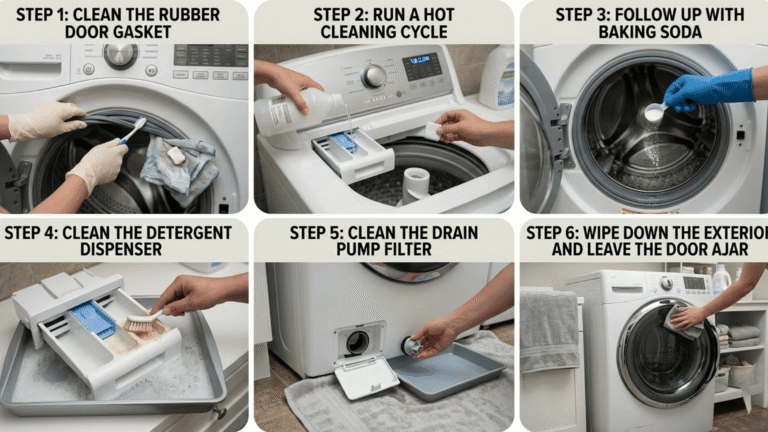
Front load washers often trap water in seals, causing mold and odors. We have found a simple routine works well to keep them fresh. Start by wiping the rubber door seal with a cloth soaked in vinegar. This helps kill mold spores.
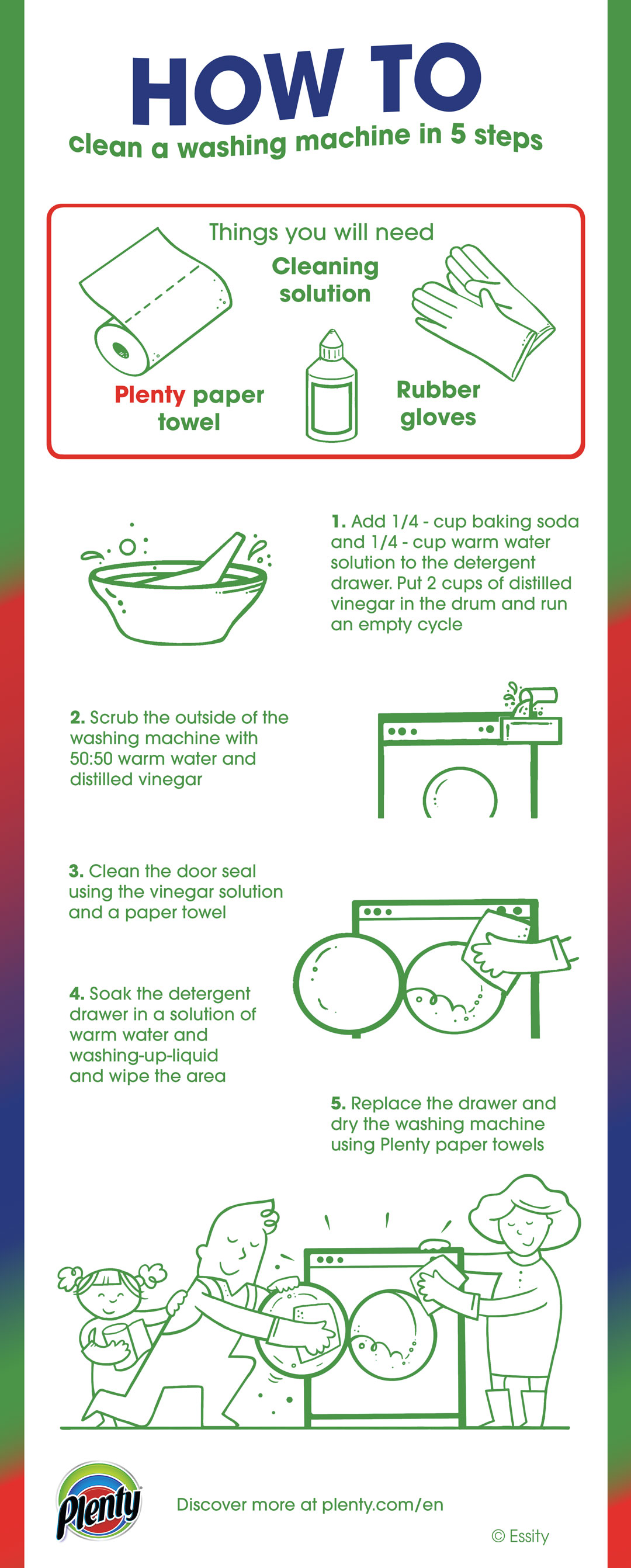
Next, add 1 cup of baking soda directly into the drum. Then pour 2 cups of white vinegar into the detergent drawer. Run the machine on its hottest and longest cleaning cycle. The vinegar and baking soda will react inside to clean the drum and pipes deeply.
After the cycle, leave the door open to let the drum dry fully. This stops mildew from growing back. Repeat this cleaning every 1-2 months for best results.
For more tips about front loaders, see our guide on cleaning front load washer.
Cleaning Top Load Washing Machines
Top load washers are easier to clean since you can see inside the drum. We start by filling the drum with hot water on the largest load setting. Then add 1 cup of baking soda and 2 cups of white vinegar.
Let the mixture soak for about an hour. This soak helps break down scale and residue buildup. After soaking, run the washer on a full cycle to rinse the drum and pipes.
Don’t forget to clean the washing machine filter regularly. It traps lint and debris that cause odors. Cleaning the filter once a month prevents buildup and keeps your machine running well.
You can learn more about top load washer care at how to clean top loading washing machine.
Removing Mold and Odor Effectively
Mold and mildew are common in washing machines because of moisture. We use vinegar as a natural disinfectant to tackle this problem. The acidic nature helps kill mold spores on seals, drums, and pipes.
Sometimes residue from detergent builds up and traps odors. Baking soda neutralizes these smells with its deodorizing power. Using both together is a powerful way to keep your washer smelling fresh.
Remember to run a rinse cycle after the cleaning to clear out any leftover vinegar smell. In our experience, this final step makes a big difference in odor elimination.
The table below shows the key benefits of vinegar and baking soda in washing machine cleaning.
| Cleaning Agent | Main Benefit | Effect on Washer |
|---|---|---|
| Baking Soda | Deodorizes and lifts dirt | Removes smell and residue buildup |
| White Vinegar | Disinfects and removes scale | Kills mold and dissolves deposits |
Always handle vinegar carefully. Too much acid can wear some rubber parts over time. Use the recommended amounts for safe appliance cleaners.
Washing Machine Maintenance Tips
Besides regular cleaning, we follow some simple steps to keep our machines in top shape. First, use the correct amount of detergent. Too much soap creates residue that causes odors.
Second, always leave the door or lid open after using the washer. This helps dry the drum and prevents mildew growth. Cleaning the filter often also keeps the drain pump working well.
Lastly, run a cleaning cycle with vinegar and baking soda every few weeks. This keeps scale and bacteria from building up inside. We also recommend checking water temperature settings; hot water helps reduce bacteria better.
Here is a quick checklist for easy maintenance:
- ✅ Use correct detergent dose
- ✅ Leave door open to dry
- ✅ Clean filter monthly
- ✅ Run vinegar and baking soda cleaning cycle regularly
- ✅ Use hot water settings when possible
Following these tips extends your washer’s life and keeps clothes clean and fresh.
Step-by-Step Cleaning Guide
We created this simple guide to clean your washing machine naturally with baking soda and vinegar.
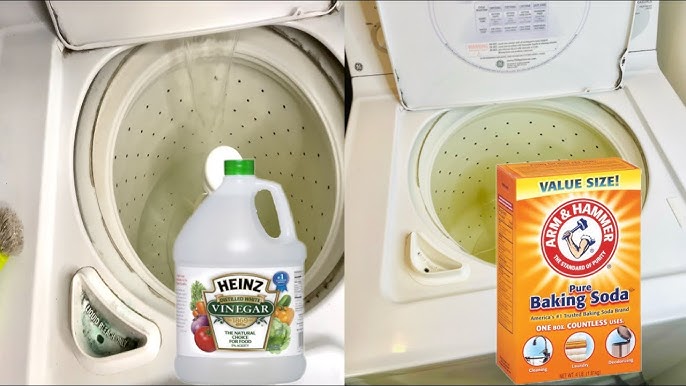
- Remove any clothes and debris from the drum.
- Wipe seals and door edges with vinegar-soaked cloth to kill mold.
- For front load: add 1 cup baking soda to drum, 2 cups vinegar to detergent drawer.
- For top load: fill drum with hot water, add 1 cup baking soda and 2 cups vinegar, soak 1 hour.
- Run the longest, hottest cleaning cycle available.
- After cycle ends, leave door open to air dry completely.
- Clean the washing machine filter if needed.
- Repeat every 1-2 months to maintain freshness.
We have found this routine works best to eliminate mold, residue, and odors naturally without damage.
For more natural cleaning methods for appliances, you can read our tips on how to clean dishwashing machine as well.
Comparison of Cleaning Methods
To help you decide, we compared the natural bicarb and vinegar method with commercial washing machine cleaners.
| Method | Effectiveness | Safety | Eco-Friendliness | Cost |
|---|---|---|---|---|
| Baking Soda & Vinegar | High for mold & odor | Safe for parts | Very eco-friendly | Low cost |
| Commercial Cleaners | High but varies by brand | May contain harsh chemicals | Less eco-friendly | Higher cost |
We prefer the natural method for its safety and low environmental impact. It’s also easy to do at home without extra expense.
Common Mistakes to Avoid
We have seen people make some errors when cleaning with these ingredients. Avoid mixing vinegar and baking soda in a closed container — the fizz can build up pressure and cause spills.
Also, don’t use too much vinegar often because its acidity might wear out rubber seals. Stick to the recommended amounts and cleaning frequency to keep your machine safe.
Lastly, never forget to run a rinse cycle after cleaning to wash away residues. This prevents any leftover smell or buildup.
Following these tips helps you clean effectively and safely.
Final Thoughts
Cleaning your washing machine with baking soda and vinegar is a smart, natural way to remove mold, odors, and residue. We have found this method easy, safe, and effective in our home care routines.
Regular cleaning and maintenance keep your washer fresh and working well for years. Remember to wipe seals, clean filters, and air out the drum after each use. This helps prevent mold and keeps your laundry smelling great.
With simple household items like bicarb and vinegar, you can say goodbye to harsh chemicals and enjoy fresh, clean clothes every wash.
Try this natural routine today and see the difference yourself!
Frequently Asked Questions
Can I use baking soda and vinegar to clean both front load and top load washers?
Yes, baking soda and vinegar are safe and effective for cleaning both front load and top load washing machines. They help remove mold, residue, and odors naturally.
How often should I clean my washing machine with baking soda and vinegar?
Cleaning your washing machine every 1-2 months with baking soda and vinegar helps prevent mold, mildew, and residue buildup, keeping your appliance fresh and efficient.
Will using vinegar damage my washing machine parts?
Using white vinegar in proper amounts during cleaning cycles is safe and will not harm your washing machine parts. It acts as a natural disinfectant and scale remover.
What is the best way to remove mold from a washing machine?
Running a cleaning cycle with vinegar and baking soda helps eliminate mold and mildew inside the drum, seals, and filters effectively and naturally.
Can baking soda and vinegar remove washing machine odors completely?
Yes, the combination of baking soda’s deodorizing power and vinegar’s acidic cleaning action works well to remove foul odors from the washing machine drum and filter.

Michael Peterson is a home appliance writer focused on practical washing machine care, maintenance, and troubleshooting. He shares simple, reliable tips to help readers keep their washing machines running efficiently, avoid common problems, and extend appliance life.