Introduction to Washing Machine Temperatures
Washing machines use different water temperatures to clean clothes well. The temperature you pick can affect how clean your clothes get. It also changes how much energy the machine uses.
Modern washers have built-in heating systems. These include a heating element, thermostat, and sensors that keep the water at the right heat level. Understanding these parts helps you use your washer better.
For a deeper understanding of this mechanic, analyzing resources on washing machine temperature guide provides excellent foundational context.
How Washing Machines Heat Water
Most washers have a heating element inside the drum. This element warms the water as the machine fills. Temperature sensors check the water heat and send info to the machine control board.
The thermostat works with the sensors to keep the water from getting too hot. If the water passes the set temperature, the board cuts power to the heater. This keeps clothes safe and stops energy waste.
Some washers also use a heat exchanger. It can warm water using other heat sources, improving energy efficiency. But most home washers rely on the heating element for hot cycles.
Temperature Ranges in Washers
Washing machines usually offer several temperature settings. These include cold, warm, and hot. In 2026, many machines allow custom temperature control for better fabric care.
The typical hot wash cycle temperature is about 130°F to 140°F (54°C to 60°C). Warm cycles range from 90°F to 110°F (32°C to 43°C). Cold washes stay below 80°F (27°C).
Choosing the right heat level helps remove stains and dirt without harming clothes. Some machines show the actual temperature on a digital gauge or user interface.
:max_bytes(150000):strip_icc()/laundry-and-water-temperature-1900646-FINAL-5baa47d946e0fb0025b1cda9.png "A Washing Machine Temperature Guide (for Most Brands) (Figure)")
| Temperature Setting | Temperature Range (°F) | Purpose |
|---|---|---|
| Cold | 50-80 | Delicate fabrics, colors that bleed |
| Warm | 90-110 | Normal loads, mixed fabrics |
| Hot | 130-140 | Heavy stains, whites, sanitizing |
Using the proper temperature can improve washing results. It also extends your clothes’ life and saves energy.
Maximum Washing Machine Heat and Safety
Industry consensus indicates that washing machines rarely heat water above 140°F. This limit prevents damage to most fabrics and reduces safety risks. The thermostat and temperature sensors ensure this threshold is not crossed.
Thermal protection features in modern washers stop overheating. The machine control board may pause heating or shut the washer if unsafe heat levels occur.
Users should avoid manually bypassing these controls. Proper temperature regulation in washing machines protects both clothes and users.
Temperature Impact on Fabrics
Hot water helps remove tough stains and kills germs. It can also cause fading and shrinkage if used incorrectly. Natural fibers like wool and silk are sensitive to heat.
Cold washes are gentler but may not clean heavy stains well. Warm water often gives a good balance between cleaning and fabric care.
Adjusting washer temperature based on fabric type is best. This prevents hot water damage to clothes while keeping them clean.
Energy Consumption and Cycle Duration
Hot wash cycles consume more energy due to water heating. The heating element is one of the largest power users in a washing machine.
:max_bytes(150000):strip_icc()/wash-with-the-right-water-temperature-2146348_FINAL-5bb51fb24cedfd0026d1752b.png "The Best Washing Machine Temperature for Laundry (Figure)")
Cycle duration can increase with higher temperature settings. This is because the machine waits for water to reach the set heat level before starting the wash.
Saving energy is possible by using cold or warm cycles for lightly soiled clothes. Some models have eco-friendly heat levels and faster cycles to reduce energy use.
Understanding the balance between heat levels and energy efficiency helps you choose the best cycle.
| Cycle Type | Energy Use | Duration |
|---|---|---|
| Cold Wash | Low | Short |
| Warm Wash | Medium | Medium |
| Hot Wash | High | Long |
Measuring and Adjusting Temperature
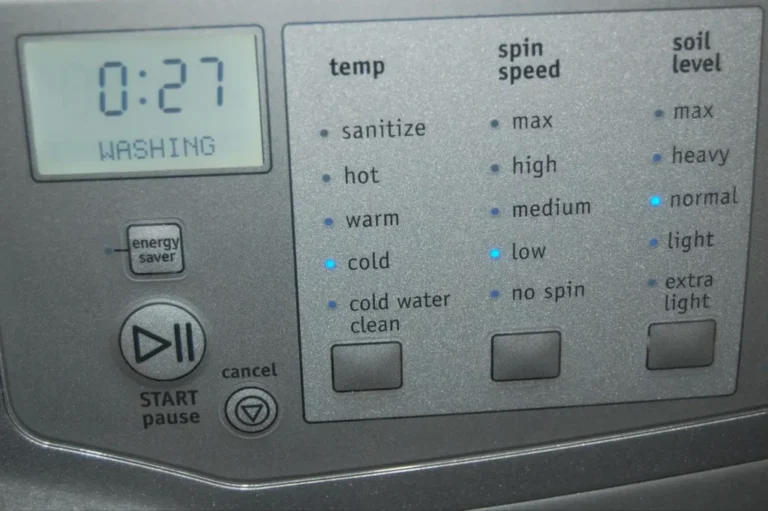
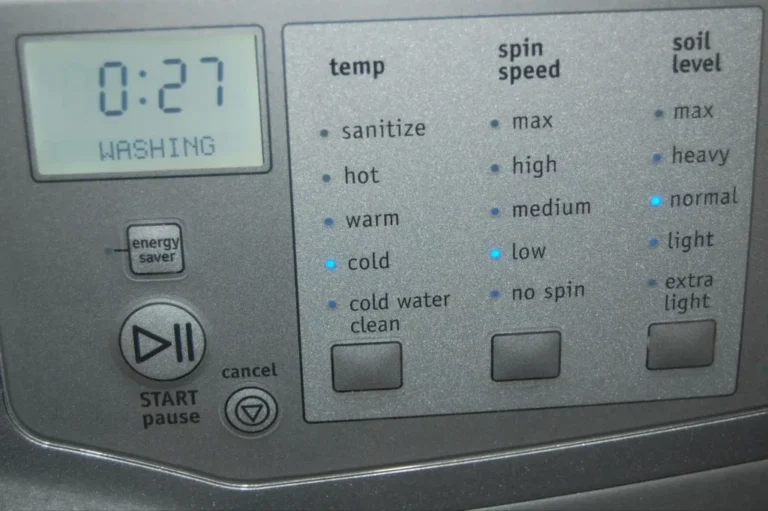
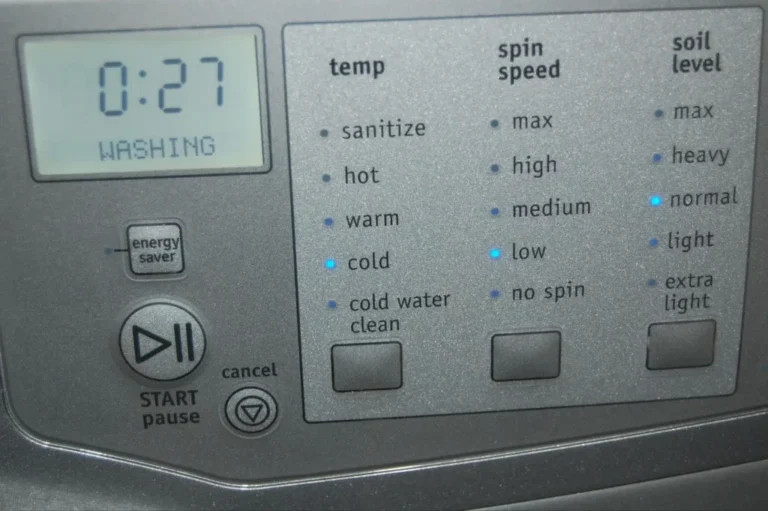
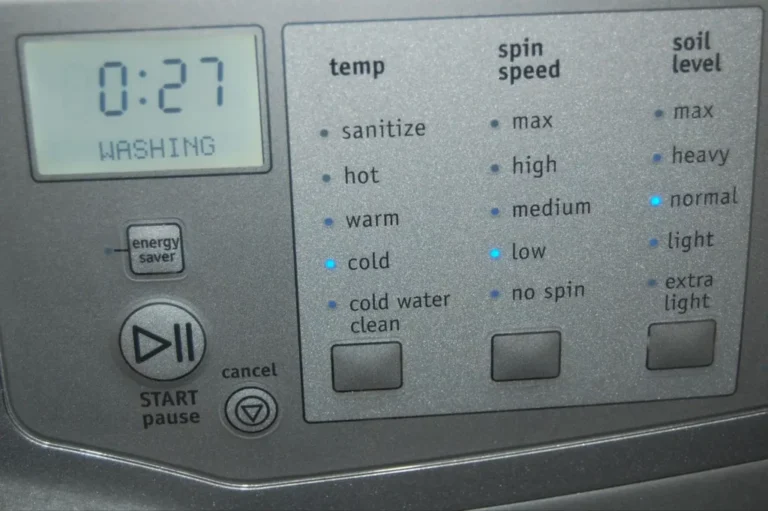
Some washers have built-in temperature sensors and displays. These show the current water heat for user reference. Sensor calibration ensures accurate temperature control.
To adjust temperature, use the machine’s user interface. Many washers let you pick exact heat levels or choose preset cycles.
Water inlet valves control water flow and mix hot and cold water. This helps reach the desired temperature before washing begins.
:max_bytes(150000):strip_icc()/wash-with-the-right-water-temperature-2146348-04-1142c45a379c4304a9f9ab32f7ca468a.jpg "The Best Washing Machine Temperature for Laundry (Figure)")
For tips on machine care, see our guide on how winterize washing machine.
Benefits and Risks of Hot Washing
Hot water washing offers several benefits. It kills bacteria, removes oils, and breaks down tough stains. This is why hot cycles are common for whites and heavily soiled items.
However, hot water can damage some clothing fibers. It may cause colors to fade or shrinkage in delicate fabrics.
⚖️ Pros & Cons of Hot Water Washing
- ✅ Pros: Better stain removal, kills germs, cleans deeply.
- ✅ Cons: Higher energy use, risk of fabric damage, longer cycles.
Choosing the right heat balance is key for effective and safe washing.
Conclusion
Washing machines in 2026 typically heat water up to 140°F for hot wash cycles. This temperature is safe for many fabrics and cleans well. The heating element, thermostat, and temperature sensors work together to control heat.
Hot water helps remove tough stains and sanitize clothes but uses more energy. It can also harm delicate fabrics if used wrongly. Warm or cold cycles offer energy savings and gentler care.
Modern washers give users control over heat levels through their interface. Understanding these controls helps you pick the best setting for your laundry needs.
For more on machine maintenance, visit our tips on how disconnect washing machine safely.
| Key Component | Role in Temperature Control | Effect |
|---|---|---|
| Heating Element | Warms water inside the drum | Raises water to set temperature |
| Thermostat | Monitors water temperature | Prevents overheating |
| Temperature Sensors | Detect water heat level | Send info to control board |
Frequently Asked Questions
What is the maximum temperature a washing machine can reach?
Most washing machines can heat water up to around 140°F (60°C) during hot wash cycles. This is the typical maximum to clean effectively without damaging fabrics.
How does a washing machine heat the water?
Washing machines use a heating element controlled by a thermostat and temperature sensor, which heats water inside the drum to the set temperature.
Can hot water damage clothes in the washing machine?
Yes, washing at too high a temperature can shrink, fade, or weaken fabric fibers. It’s important to choose the right heat level for the fabric type.
Does using hot water increase energy consumption?
Hot wash cycles use more energy because heating water requires power. Cold or warm washes are more energy efficient.
How can I adjust the washing machine temperature settings?
Most machines have a user interface or dial to set the temperature. Some models also allow custom temperature regulation via the control board.

Keith Boyd Is A Seasoned Appliance Care Expert With Over A Decade Of Experience In Home Appliance Maintenance. His Authoritative Insights On Washing Machine Care And Upkeep Are Trusted By Homeowners Nationwide. With A Passion For Educating Others, Keith Shares Valuable Tips That Ensure Your Appliances Run Smoothly For Years To Come.