Introduction to Washing Machine Filters
Many people wonder, “Do washing machines have lint traps?” The answer is yes, most modern washers have filters, but their type and location differ. These filters play a key role in keeping your machine clean and working well. Understanding how washing machine filters work helps you keep your laundry fresh.
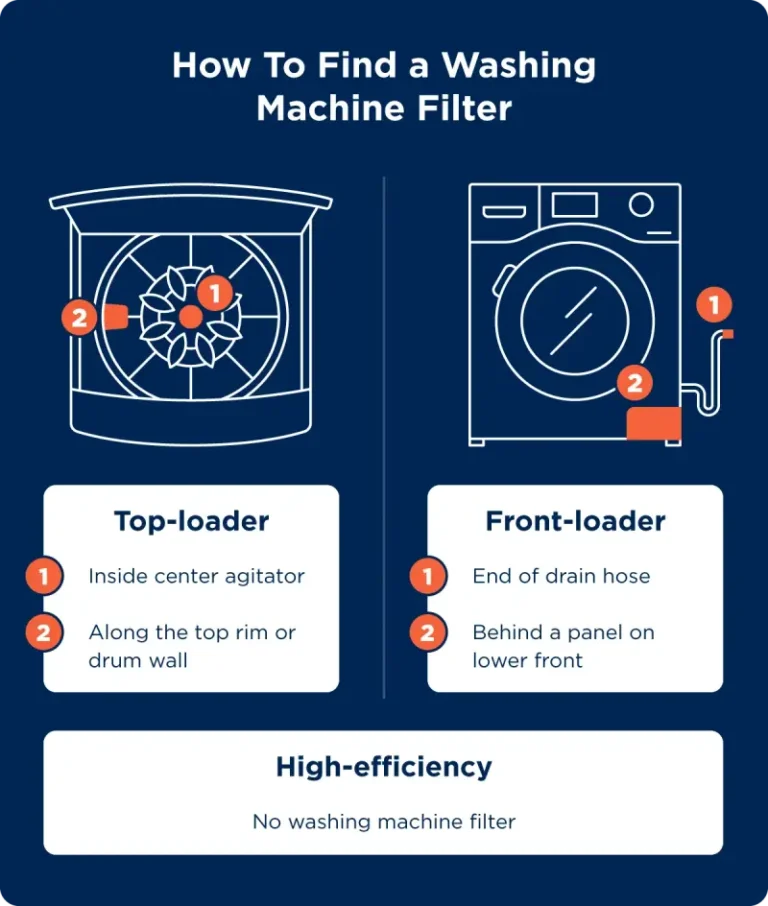
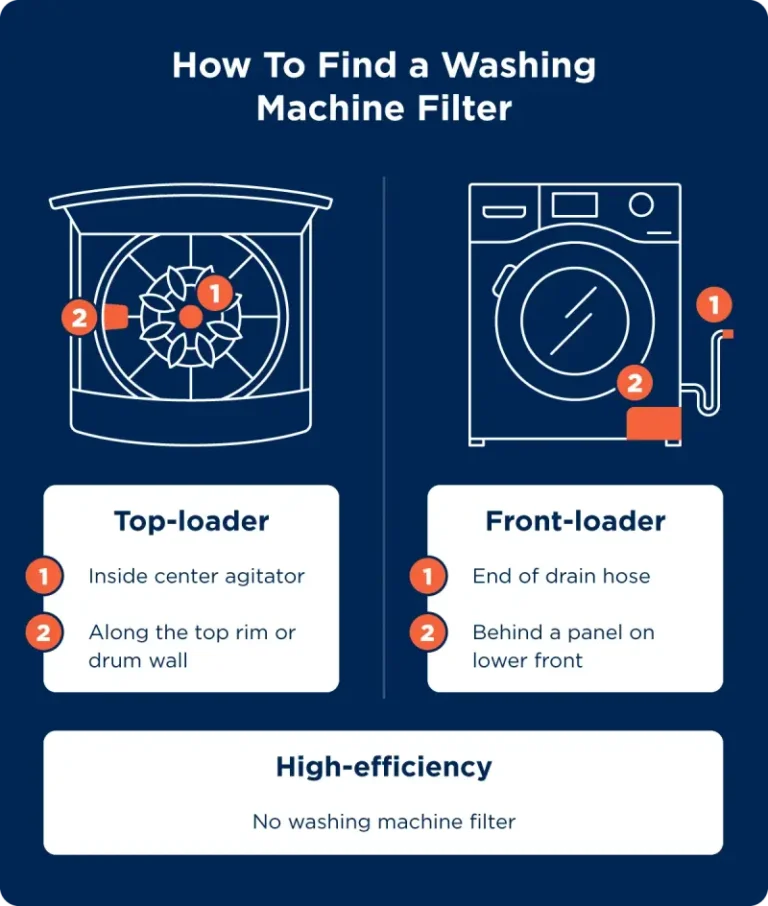
Filters catch lint, hair, and other debris that come off clothes during washing. Without them, these particles could block the drainage system. This can lead to poor performance and costly repairs. For a deeper understanding of this mechanic, analyzing resources on how to find and clean a washing machine filter provides excellent foundational context.
Proper filter maintenance washing machine routines also extend the appliance’s life. We will explore different washing machine filter types and why they matter.
Types of Washing Machine Filters
Washing machines have various filters and traps. They differ mainly by the machine’s type: front load or top load washer. Each uses filters suited to its design and water flow system.
Front load washer filters often include a pump filter. This filter catches debris before water leaves the machine. Top load washer lint filters are usually built inside the drum or near the agitator. They trap lint as water circulates.
Some washing machines also have washing machine water filters. These remove impurities from incoming water to protect the machine’s parts. A washing machine drainage filter helps stop blockages in the drain hose.
| Filter Type | Machine Type | Location | Function |
|---|---|---|---|
| Pump Filter | Front Load Washer | Front bottom panel | Catches debris in drain water |
| Lint Filter | Top Load Washer | Inside drum or agitator area | Traps lint and fibers |
| Water Filter | Both types | Water inlet valve | Filters incoming water |
| Drainage Filter | Both types | Drain hose | Prevents drain blockages |
Knowing the filter location in washing machines helps with regular checks and cleaning. This is important because the impact of missing washing machine filter parts can be severe.
Missing filters can allow debris to enter pumps and hoses, causing damage or leaks. Regular washing machine filter cleaning is essential to avoid this.
How Washing Machine Filters Work and Their Benefits
Filters work by trapping particles that come off clothes during cycles. They stop these materials from reaching the pump or drainage system. This maintains cycle performance and prevents blockages.
Filters differ from traps but both protect the machine. Filters catch small particles, while traps may collect larger debris. Both are needed for smooth operation.
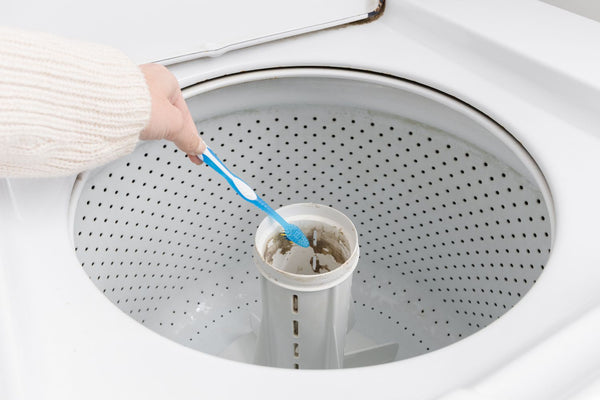
Proper filter maintenance washing machine routines reduce wear on parts and keep water flowing freely. This leads to better washing machine filter benefits like longer lifespan and fewer repairs.
Pros of Washing Machine Filters
- ✅ Protect pump and hoses from damage
- ✅ Improve washing efficiency
- ✅ Reduce water drainage issues
- ✅ Extend machine lifespan
Cons of Washing Machine Filters
- Need regular cleaning and replacement
- Can clog if neglected
Ignoring filters risks signs of clogged washing machine filter problems such as slow drainage, strange noises, or leaking. These issues should prompt immediate cleaning or replacement.
Washing machine filter lifespan depends on usage and water quality. Most filters last several years but need checking every few months.
Filter Maintenance and Cleaning Tips
Cleaning your washing machine filter regularly is key. Most filters can be accessed easily for cleaning. This keeps your machine working well and avoids costly repairs.
Start by turning off the machine and unplugging it. Locate the filter which is often behind a small door or panel near the bottom front for front loaders. For top loaders, check inside the drum or near the agitator for a lint filter.
Remove the filter carefully. Clean it under running water to clear lint and debris. Avoid harsh tools that may damage the filter. Dry it before putting it back.
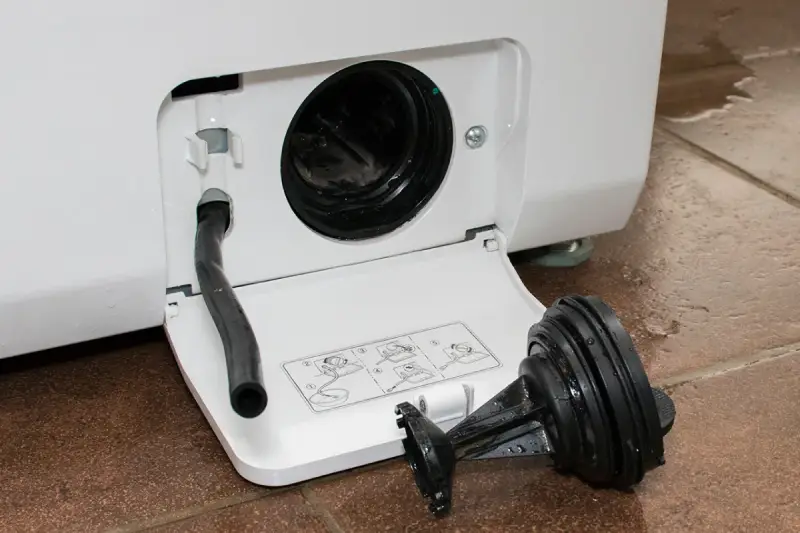
Replacing worn or damaged filters is also important. Follow your washing machine’s manual for the correct part and replacement steps.
For detailed guidance on cleaning filters, see the expert advice on how to clean filter on Samsung washing machine.
Regular filter cleaning also ties into general washing machine care. For example, learning how to clean my washing machine with vinegar helps keep the drum and hoses fresh.
Signs of a Clogged or Failing Filter
Knowing when your washing machine filter is clogged is vital. Common signs include slow drainage, water leaks, or unusual sounds during cycles.
Clogged filters can cause water to back up and damage the pump. You might also see lint or debris on your clothes after washing. These problems reduce the washing machine’s efficiency and may lead to full breakdowns.
Prevent these issues by checking and cleaning filters regularly. If cleaning doesn’t help, consider washing machine filter replacement.
| Symptom | Possible Cause | Action |
|---|---|---|
| Slow water drainage | Clogged pump filter | Clean or replace filter |
| Water leaks | Damaged filter seal | Check and replace seal |
| Lint on clothes | Blocked lint filter | Clean lint trap |
| Strange noises | Debris in pump | Inspect and clean pump filter |
Acting early saves money and keeps your laundry routine smooth. If unsure, contact a professional for help with filter issues.
Comparison of Front Load and Top Load Washer Filters
Front load and top load washers have different filter designs. Front loaders often have a pump filter accessible from outside the machine. Top loaders tend to use lint filters inside the drum or agitator.
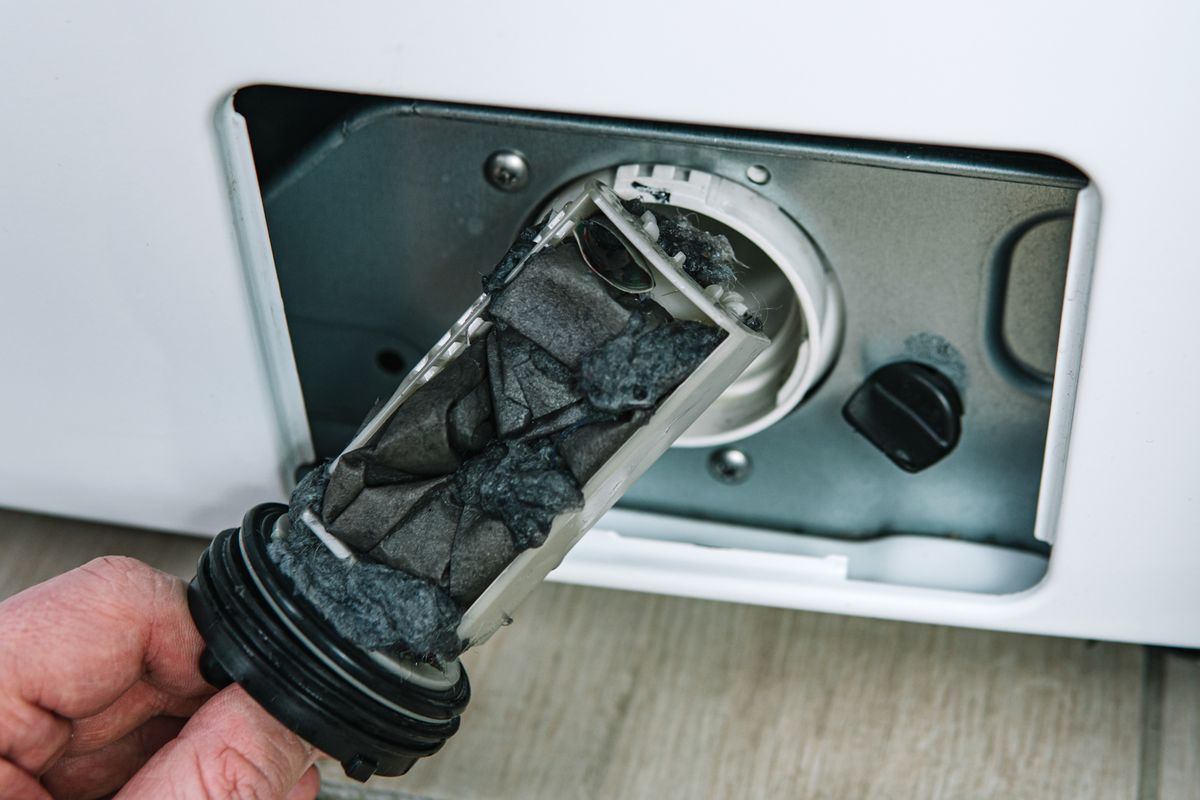
Both filter types do the same job but require different maintenance. Front load washer filters usually need more frequent cleaning due to their location near water pumps. Top load washer lint filters can get clogged with lint but are often easier to check during wash cycles.
Choosing between the two depends on your washing machine model and how easy you want filter access to be.
| Feature | Front Load Washer Filters | Top Load Washer Filters |
|---|---|---|
| Filter Type | Pump filter | Lint filter inside drum or agitator |
| Location | Front bottom panel | Inside drum or agitator area |
| Access | External panel removal needed | Open drum and inspect |
| Maintenance Frequency | Every 1-2 months | Every 2-3 months |
| Common Issues | Blocked pump, leaks | Lint buildup, drainage slow |
Understanding these differences helps you pick the right care routine. For more on caring for specific models, see the guide on LG top load washing machine.
Conclusion
In 2026, washing machines almost always have filters or traps that catch lint and debris. These parts are vital for good washing results and machine health. Different machines use various filter types and locations.
Knowing how washing machine filters work, where they are, and how to clean or replace them is key to keeping your washer running well. Regular maintenance prevents clogs and damage, saving you time and money.
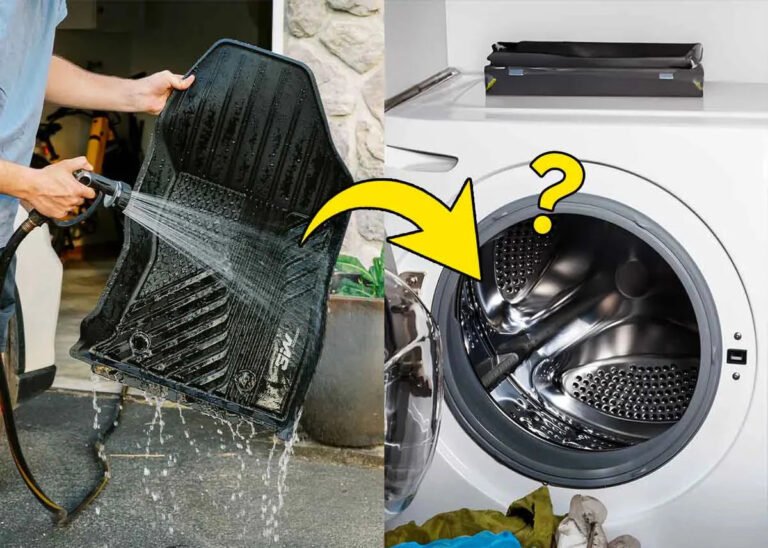
Always check your machine’s manual and stay on top of filter care. If you want to learn more about safe washing practices, you might find helpful tips on washing floor mats in a washing machine.
Proper filter care is a simple step that leads to cleaner clothes and a longer-lasting washing machine.
Beginner Tip: Set a reminder every 2 months to clean your washing machine filter. This keeps your washer working smoothly and avoids unexpected repairs.
Frequently Asked Questions
Do all washing machines come with a filter?
Most modern washing machines have some type of filter or lint trap to catch debris. However, the design and location of these filters vary by model and type.
Where is the filter located in washing machines?
Filters are often found near the pump or drainage hose. Front load washers usually have a pump filter at the front bottom, while top loaders might have lint filters inside the drum or near the agitator.
How often should I clean my washing machine filter?
Cleaning frequency depends on usage and water quality. Typically, every 1 to 3 months is recommended to avoid clogs and maintain wash performance.
What happens if the washing machine filter is missing or clogged?
A missing or clogged filter can cause water drainage problems, poor washing results, and even damage to the pump or hoses.
Can I replace my washing machine filter myself?
Yes, many filters are user-serviceable and can be replaced. It’s important to consult your washing machine manual for the correct filter type and replacement steps.

Michael Peterson is a home appliance writer focused on practical washing machine care, maintenance, and troubleshooting. He shares simple, reliable tips to help readers keep their washing machines running efficiently, avoid common problems, and extend appliance life.