Understanding Machine Wash Permanent Press
Machine wash permanent press is a setting on washing machines. It is made to clean clothes gently while lowering wrinkles. Clothes marked with this care label need warm water and a slow spin.
This cycle uses medium heat and reduces agitation. It helps keep fabrics smoother and less creased. Clothes with this label often have treatments to resist wrinkles, known as wrinkle resistance fabric.
For a deeper understanding of this mechanic, analyzing resources on permanent press cycle from Whirlpool provides excellent foundational context.
Many people confuse permanent press with delicate. But permanent press vs delicate cycles differ mainly in washing temperature and spin speed. Delicate cycles use cold water and slow spins for fragile fabrics.
In contrast, permanent press cycles use warm water to clean better yet still protect the clothes. This balance helps keep synthetic fibers and blends in good shape.
When choosing a cycle, always check the fabric care label on your clothes. The label shows laundry symbols meaning, such as washing temperature and cycle type.
Ignoring fabric care instructions can damage clothes or cause more wrinkles. For example, washing permanent press clothes on a regular or heavy cycle may harm the fabric.
Fabric Types for Permanent Press
Permanent press fabrics are usually blends of synthetic and natural fibers. Polyester blends are common. These fabrics hold their shape and resist wrinkles well.
Wrinkle resistance fabric keeps clothes neat without ironing much. This is helpful for workwear or casual clothes needing low maintenance.
Some cotton fabrics also have permanent press finishes. These finishes stop wrinkles from setting in during drying.
Choosing the right wash cycle for fabric type extends clothing life. Always check clothing fabric types before washing. For example, silk or wool need delicate cycles, not permanent press.
Using the wrong cycle can cause shrinking, fading, or damage to the fibers.
Below is a table showing common permanent press fabric types and their care tips:
| Fabric Type | Description | Recommended Wash Cycle |
|---|---|---|
| Polyester Blend | Durable, wrinkle resistant | Permanent Press |
| Cotton with Finish | Soft, less wrinkling | Permanent Press or Gentle |
| Nylon | Strong, quick dry | Permanent Press |
| Silk | Delicate, smooth | Delicate |
| Wool | Warm, soft | Delicate |
Always follow the fabric care label’s laundry care instructions to keep clothes in good shape. This helps avoid laundry myths permanent press, like thinking you can wash all clothes on the same cycle.
Washing Machine Settings for Permanent Press
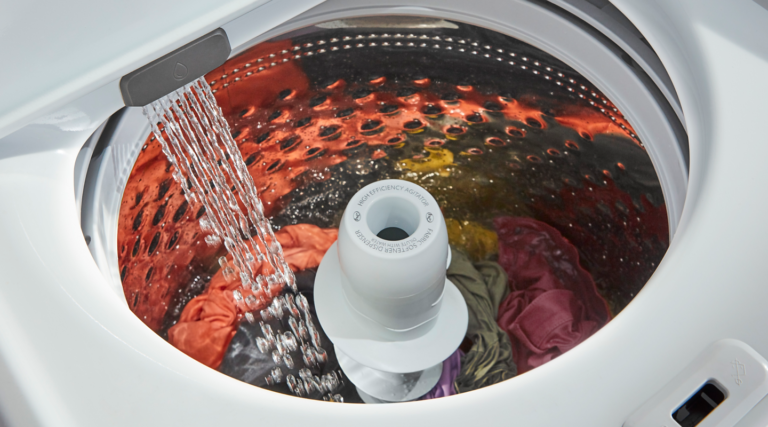
The permanent press cycle uses specific machine wash settings. It runs a warm wash and a slower spin speed. This reduces wrinkles and protects the fabric.
Water temperature is usually warm, about 80°F to 90°F. This is warm enough to clean well but not too hot to damage fibers.
Spin speed is slower than regular cycles to avoid creasing. The wash time is medium length to clean dirt without harsh agitation.
Using fabric softener in washing helps keep permanent press clothes soft. It also reduces static and wrinkles.
Here is a quick guide to common washing machine settings for permanent press:
- ✅ Water Temperature: Warm (80°F-90°F)
- ✅ Spin Speed: Medium to Low
- ✅ Agitation: Gentle
- ✅ Cycle Length: Medium
- ✅ Fabric Softener: Recommended
Overloading the machine lowers washing and rinsing quality. It can cause more wrinkles. Adjust load size and water level for best results.
For more on machine functions, see how to use the washing machine manual for your model. Also, check the soil level on your washing machine to adjust cycle strength.
Dryer Settings for Permanent Press
Drying permanent press clothes on the right setting is key to avoiding wrinkles. The dryer permanent press setting uses medium heat and a cool-down phase.
This cool-down helps relax the fabric and lowers crease formation. High heat can damage wrinkle-resistant finishes and cause shrinkage.
Remove clothes from the dryer promptly to keep them smooth. Hanging clothes when still damp can also prevent wrinkles.
Using dryer sheets or fabric softener in washing can help reduce static and keep clothes soft.
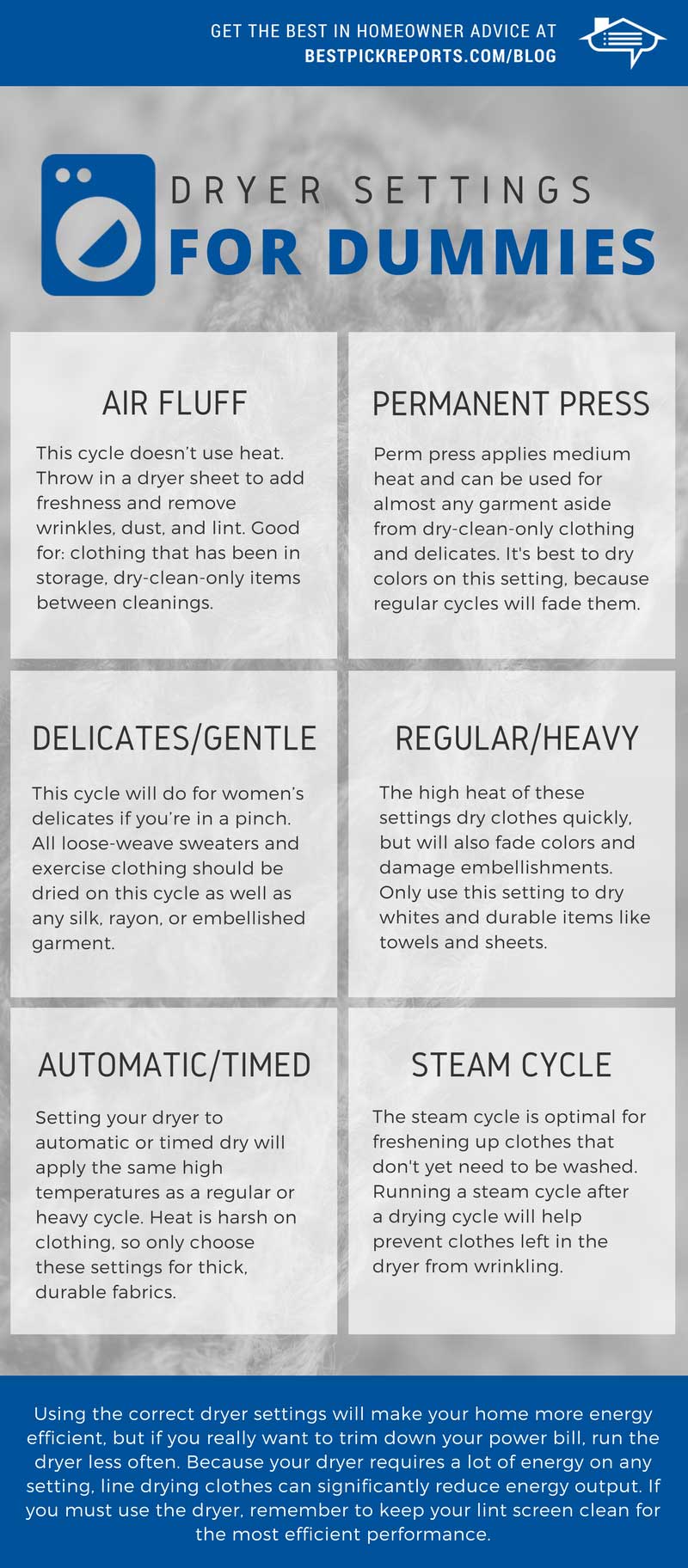
Here is a simple checklist for drying permanent press clothes:
- Dryer Setting: Permanent Press
- Heat Level: Medium
- Cool-Down Time: Yes
- Remove Promptly: Yes
- Use Dryer Sheets: Optional
Following these steps helps maintain the wrinkle resistance fabric and extends clothing life.
Common Laundry Myths About Permanent Press
Many believe permanent press clothes need no care. But they still need careful washing and drying. Using regular or heavy cycles can ruin the finish.
Another myth is that fabric softener is not needed. For wrinkle prevention, fabric softener plays a useful role.
Some think permanent press means no ironing. While it reduces wrinkles, a light iron may still be needed for a neat look.
It is also false to assume permanent press cycles use hot water. Hot water can damage synthetic fibers and finishes.
Understanding these myths helps you care for permanent press clothes properly.
Here is a table summarizing myths vs facts:
| Myth | Fact |
|---|---|
| Permanent press needs no special care | Use warm water and gentle cycles |
| Fabric softener is not needed | Softener helps reduce wrinkles |
| Permanent press means no ironing | Light ironing may be needed |
| Hot water is good for permanent press | Hot water can damage fabrics |
To keep your washing machine in good condition, learn about related maintenance topics. For example, black mould washing machine dangerous effects can harm your laundry and machine.
Using eco friendly wash cycles when possible also benefits your clothes and environment.
How to Avoid Wrinkles in Permanent Press Clothes
Wrinkle prevention starts with using the correct wash and dry settings. Use the permanent press cycle and dryer setting for best results.
Do not overload the washer or dryer. Clothes need room to move freely to avoid creases.
Use fabric softener in washing to keep fibers soft and reduce static.
Remove clothes quickly after drying and fold or hang them right away.
Here is a step-by-step guide for washing and drying permanent press clothes:
- Sort clothes by fabric type and color.
- Set washing machine to permanent press cycle.
- Add fabric softener during wash.
- Use warm water temperature.
- Do not overload the washer.
- Set dryer to permanent press setting.
- Remove clothes promptly after drying.
- Fold or hang clothes to avoid wrinkles.
Following these steps reduces wrinkles and keeps clothes looking new longer.
For more tips on fabrics and care labels, check clothing care labels carefully before washing. These show the best wash and dry permanent press instructions.
In conclusion, machine wash permanent press means using a gentle warm cycle with slower spinning. This cycle helps protect wrinkle-resistant fabrics and keeps clothes neat.
Following fabric care instructions, using fabric softener, and drying right are key to wrinkle prevention. Avoid laundry myths and always check your washing machine manual for the correct cycle.
Maintaining your washing machine also helps. Learn how to clean washing machine mold and keep filters clear for best performance.
With these tips, you can enjoy fresh, wrinkle-free clothes and extend your wardrobe’s life.
Frequently Asked Questions
What is the permanent press cycle on a washing machine?
The permanent press cycle is a washing machine setting designed to reduce wrinkles by using warm water and a slower spin speed.
Can I machine wash clothes labeled permanent press together with delicate fabrics?
No, permanent press fabrics need a different cycle than delicate fabrics, which require gentler washing and cooler water.
Is fabric softener recommended for permanent press clothes?
Yes, fabric softener helps reduce wrinkles and static in permanent press clothes during washing.
What dryer setting should I use for permanent press clothes?
Use the dryer’s permanent press setting which uses medium heat and a cool-down period to avoid wrinkles.
How can I avoid wrinkles when washing permanent press clothes?
Use the permanent press cycle, avoid overloading, use fabric softener, and remove clothes promptly after drying.

Michael Peterson is a home appliance writer focused on practical washing machine care, maintenance, and troubleshooting. He shares simple, reliable tips to help readers keep their washing machines running efficiently, avoid common problems, and extend appliance life.