Understanding Washing Machine Lifespan
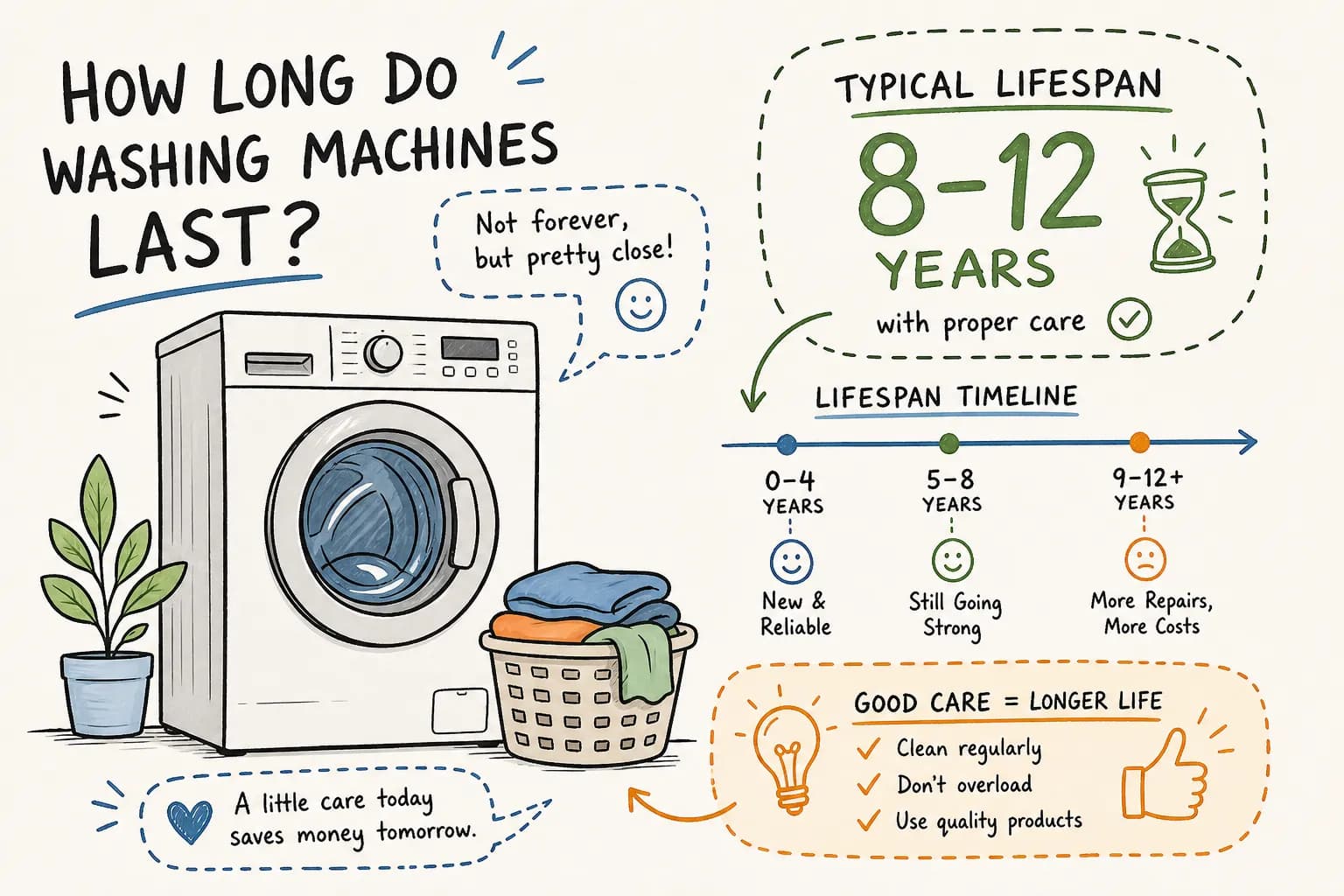
The average washing machine durability in 2026 is about 10 years. This lifespan depends on the brand, type, and how often the machine is used. Top load washers and front load washers have different wear patterns. Generally, front load washers last a bit longer but need more care to avoid mold buildup.
Industry experts agree that frequent use shortens lifespan. For example, families who wash daily may see their machine wear out faster than those who wash weekly. Proper maintenance is key to extending washing machine life. Simple tips like cleaning filters and using the right cycle settings matter.
For a deeper understanding of appliance lifespan, analyzing resources on how long washing machines last provides excellent foundational context.
Knowing the washing machine warranty period can also guide your expectations. Most brands offer 1 to 3 years warranty, but parts like the motor or drum may last much longer if maintained well.
Top Load vs Front Load Lifespan
Top load washers typically have a shorter average lifespan than front load washers. This is because top loaders often use an agitator, which creates more wear and tear on clothes and the machine. Front loaders use a drum that tumbles clothes gently, causing less stress on parts.
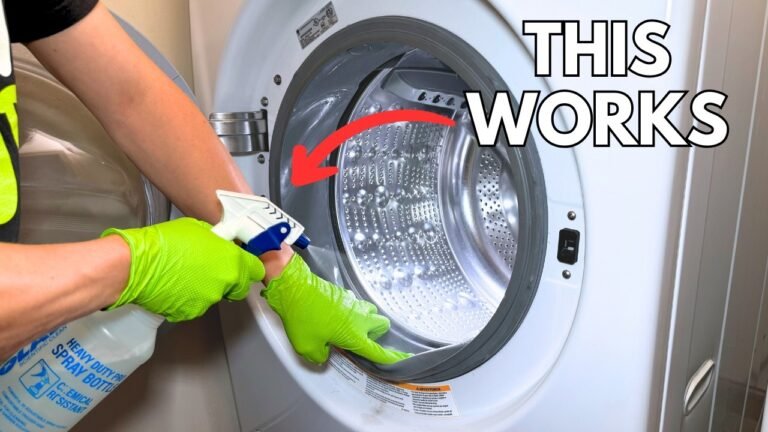
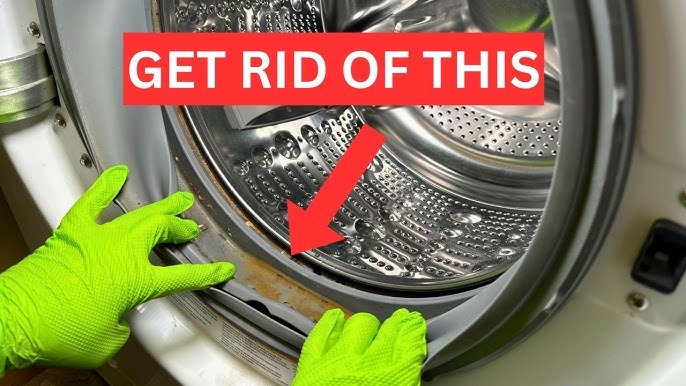
However, front load washers may face issues with mold or odor if not cleaned regularly. Both types benefit from regular washing machine maintenance tips like wiping seals and running cleaning cycles. Choosing between them should consider your laundry habits and available space.
Smart washing machines are gaining popularity in 2026. These models have tech upgrades for energy efficiency and control via apps. Their durability is generally good, but repairs can be costly due to complex parts.
One should also consider washing machine capacity and lifespan. Larger capacity machines handle more clothes but may wear faster if overloaded often. Using the correct load size is important for long-term use.
Washing Machine Maintenance Tips and Troubleshooting
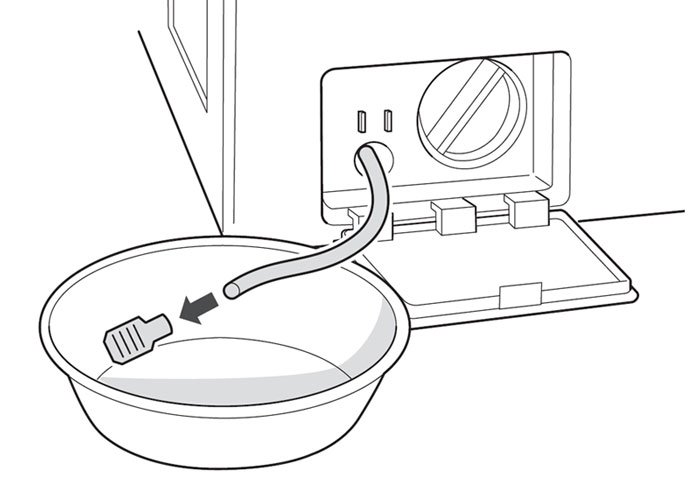
Regular maintenance is the best way to extend your washing machine’s life. Check hoses for leaks, clean filters monthly, and use the right detergent type. Avoid overloading and follow your user manual’s cycle settings.
If your washer shows signs of failure like strange noises or leaks, troubleshooting early can save money. Common washing machine problems often relate to the motor, pump, or drum. Simple fixes include cleaning debris or resetting the machine. For complex issues, professional repair might be needed.
Knowing how to troubleshoot washing machines helps avoid full replacements. For example, a noisy spin cycle may mean worn bearings, which can be replaced. Understanding these signs washing machine failing can keep your machine running longer.
For detailed repair steps, see our guide on how to reset GE washer machine. This internal resource explains simple resets that fix common errors.
:max_bytes(150000):strip_icc()/how-long-does-a-washing-machine-last-5272534-hero-cd6f5ea24aa240d989148c9ab7cbbdc6.jpg "How Long Does a Washing Machine Last? (Figure)")
Washing Machine Repair Cost and Replacement Guide
Repair costs vary based on the problem and brand. Small fixes like replacing belts or hoses cost less than motor or control board repairs. In 2026, average repair costs range from $100 to $400. High-end smart washers may incur higher labor charges.
When repair costs approach the price of a new washer, replacement is wise. Signs include frequent breakdowns, rising water or energy use, and poor wash quality. The washing machine replacement guide suggests buying models with better energy efficient washing machines ratings to save money long term.
Choosing the best washing machine brands 2026 means considering durability, warranty, and repair support. Brands like Speed Queen and Whirlpool remain top choices for lifespan and service. Our article on are Speed Queen washing machines good explores this brand’s strengths in detail.
Environmental impact is another factor. New washers use less water and power. Replacing an old, inefficient machine helps reduce your home’s footprint.
🚀 Quick Facts: Washing Machine Lifespan by Type
| Washer Type | Average Lifespan (Years) | Maintenance Needs |
|---|---|---|
| Top Load Washer | 8 – 10 | Moderate |
| Front Load Washer | 10 – 12 | High (mold risk) |
| Smart Washer | 9 – 12 | Moderate to High |
Maintaining your washer regularly can match or exceed these lifespans. Avoiding overuse and keeping parts clean is key.
Understanding the impact of water quality on washer performance is also important. Hard water causes mineral buildup, reducing part longevity. Using water softeners or cleaning cycles can help.
Quality parts like the washer drum, motor, and pump determine durability. Some brands use stainless steel drums that last longer than plastic.
Washing Machine Usage Frequency and Parts Longevity
How often you use your washing machine affects its lifespan. Families with heavy laundry loads may need to replace machines sooner. Conversely, light users might enjoy longer appliance lifespan.
Parts like the motor and pump have lifespans measured in cycles or years. Pumps can wear faster if foreign objects clog them. Regularly checking and cleaning helps avoid damage.
Using proper cycle settings based on soil level and fabric type reduces wear. This not only protects clothes but also the washer itself. For example, running heavy soil cycles only when needed saves energy and parts.
For tips on managing loads and cycle settings, see our internal post on how hot washing machines get. This explains how temperature affects washer parts and cleaning power.
⚖️ Top Load vs Front Load: Usage Impact
| Factor | Top Load Washers | Front Load Washers |
|---|---|---|
| Typical Lifespan | 8-10 years | 10-12 years |
| Energy Use | Higher | Lower |
| Water Consumption | More | Less |
| Maintenance Needs | Lower | Higher (mold prevention) |
The choice depends on your priorities: cost, space, or maintenance effort.
In 2026, many households prefer front load washers for their energy savings despite the extra upkeep needed.
Extending Washing Machine Life
Simple actions extend your washing machine’s life. Clean the detergent drawer regularly to avoid clogs. Run a monthly cleaning cycle with vinegar to remove buildup and odors. Check hoses for cracks and replace them every five years to prevent leaks.
Do not overload your washer as this strains the motor and drum. Use recommended detergents for your machine type. Over time, technology upgrades like smart sensors help monitor machine health and alert users to problems early.
Following these washing machine maintenance tips reduces the chance of costly repairs. It also keeps your laundry fresh and clean.
Replacing your washer at the right time avoids energy waste and repair headaches. Signs your washer needs replacement include persistent leaks, rust, or failure to spin. For guidance on these warning signs, visit this resource on signs your washer needs replacement.
✅ Checklist: Washing Machine Care Tips
| Maintenance Task | Frequency |
|---|---|
| Clean lint filter | Monthly |
| Inspect hoses | Every 6 months |
| Run cleaning cycle with vinegar | Monthly |
| Check for leaks or strange noises | Regularly |
| Use proper load size | Every wash |
Keeping to this checklist helps your washer last longer and perform well.
In conclusion, washing machines in 2026 have an average lifespan of about 10 years. Your machine’s durability depends on type, brand, water quality, and how you treat it. Regular maintenance and mindful usage extend life and cut repair costs. When repairs become frequent and costly, replacing with an energy efficient model is best for your wallet and the environment.
Choosing top-rated brands and smart washers can help future-proof your laundry. Remember, a well cared-for washer saves water and power, making your home greener. Keep an eye on early signs of failure and act fast to avoid bigger problems. With these tips, your washing machine will serve you well for many years.
Frequently Asked Questions
What is the average lifespan of a washing machine?
Most washing machines last between 8 to 12 years depending on brand, usage, and maintenance.
How can I extend the life of my washing machine?
Regular maintenance like cleaning filters and checking hoses can help extend your washer’s lifespan.
When should I replace my washing machine?
Replace it if repair costs are high, it shows signs of failure, or efficiency drops significantly.
Do front load washers last longer than top load washers?
Front load washers often have a slightly longer lifespan but need careful maintenance to avoid mold.
What are common washing machine problems indicating failure?
Leaks, strange noises, failure to spin, and error codes often signal that a washer might be failing.

Keith Boyd Is A Seasoned Appliance Care Expert With Over A Decade Of Experience In Home Appliance Maintenance. His Authoritative Insights On Washing Machine Care And Upkeep Are Trusted By Homeowners Nationwide. With A Passion For Educating Others, Keith Shares Valuable Tips That Ensure Your Appliances Run Smoothly For Years To Come.