Introduction to Washing Whites
Washing white clothes right keeps them bright and fresh. Many make mistakes that dull white fabrics or cause stains. Knowing the right washing machine settings and detergents helps. This guide covers expert white laundry washing tips you can trust. For more on washing machine care, check out our guide on how to clean front load washing machine.
White clothes need special care. Using the correct wash cycle and temperature is key. You also need to avoid mixing whites with colors to keep them bright. Let’s dive into the best methods for washing whites in your machine.
Washing Machine Settings for Whites
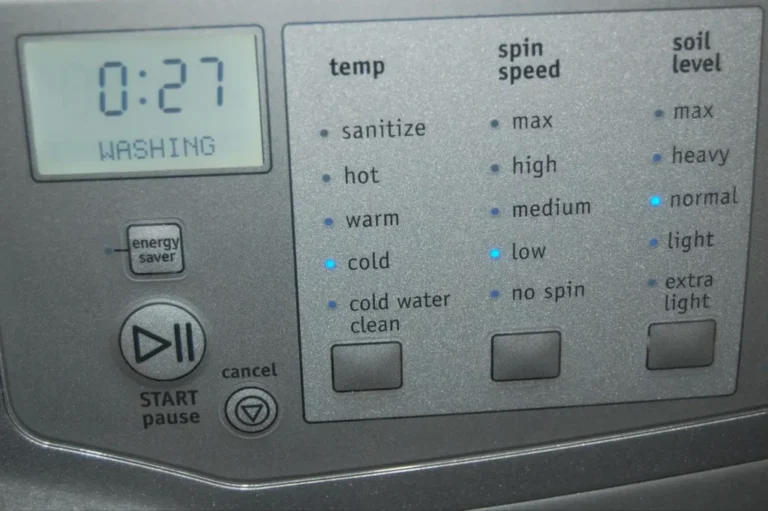
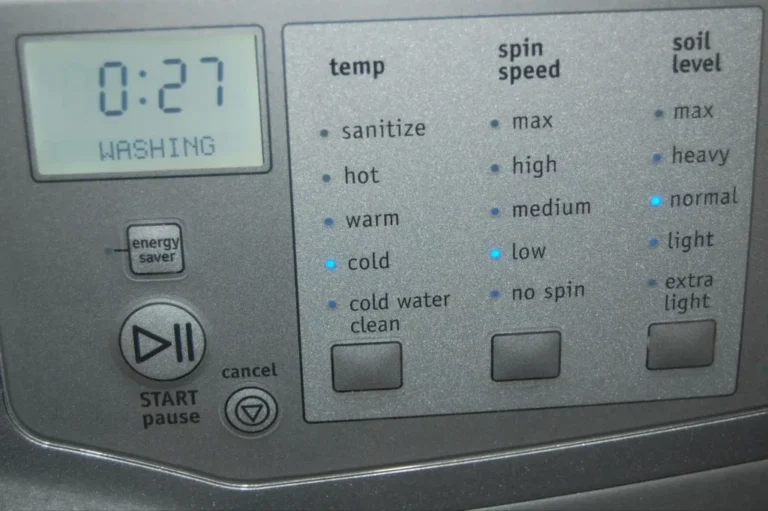
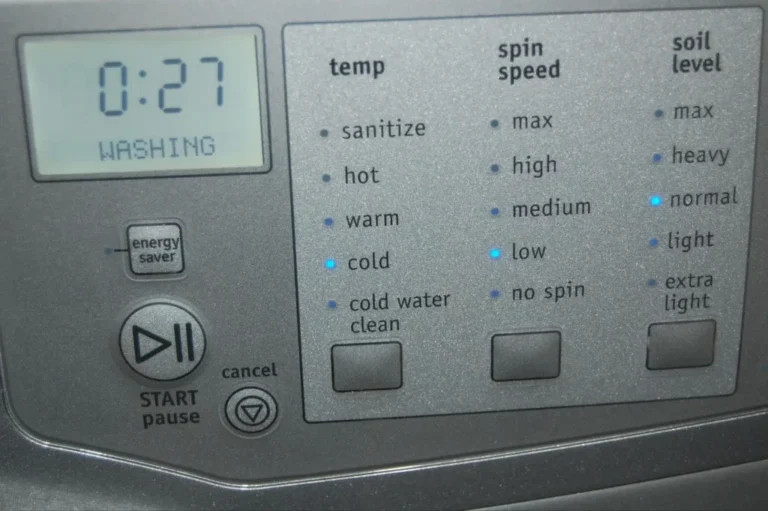
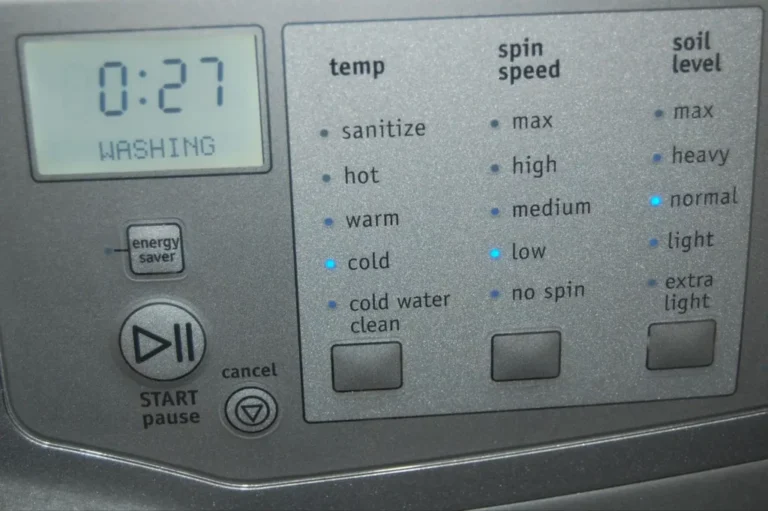
Choosing the right washer settings for whites is crucial. Use the whites washing cycle if your machine has one. This cycle uses hot water and a longer wash time to remove dirt and stains. Hot water wash whites help kill bacteria and brighten fabrics.
Temperature control is important; set water temperature to about 60°C for cotton whites. For delicate white fabrics, use warm or cold water to avoid damage. High spin cycle settings help remove more water, reducing drying time but may harm delicate fibers.
Modern energy-efficient washing machines often adjust water use and temperature automatically. They balance energy consumption with fabric care to keep whites clean without excess power use.
| Setting | Recommended Use | Notes |
|---|---|---|
| Whites Cycle | Heavy cotton whites | Uses hot water and longer wash time |
| Delicate Cycle | Light fabrics, synthetics | Lower temperature, gentle spin |
| Spin Speed | Adjust per fabric | Higher speeds for towels, lower for delicate fabrics |
Use the washing machine lint filter regularly to remove lint and keep whites spotless. Clean your filter monthly to avoid deposits.
Best Detergents for White Clothes
Choosing the best detergent helps keep whites bright. Look for eco-friendly laundry detergents with fabric brightening methods. These detergents use mild whitening agents that avoid harming fabrics.
Avoid detergents with harsh bleach unless you want to use them carefully. Oxygen-based bleach alternatives work well to remove stains from white clothes. Laundry additives like linen brightener also help maintain whiteness.
Detergents designed for sportswear or gym whites are good for synthetic fibers. They remove sweat and odors without fading fabric color or strength.
Removing Stains from White Clothes
Stains can ruin white garments if not treated quickly. Use a stain remover before washing. Apply it directly on spots and let it sit for 10-15 minutes.
For tough stains, a paste of baking soda and water or diluted vinegar can help. Avoid mixing whites with colored clothes as this can cause color transfer and dull whites.
Always check fabric care labels for stain treatment advice. Some fabrics need gentle care to avoid damage.
💬 Expert Insight: “Using oxygen bleach alternatives is safer for whites and better for the environment than regular chlorine bleach.”
Washing Whites Sportswear and Gym Clothes
Sports whites like gym clothes need special care. They often contain synthetic fibers that trap sweat and odors. Use detergents made for activewear with effective stain removers.
Set the washing machine to a gentle whites washing cycle with warm water. Hot water can damage synthetic fibers and reduce garment life. Avoid fabric softeners as they can reduce fabric breathability.
Dry sports whites in fresh air or low heat to avoid shrinkage and fabric wear.
Whitening Agents in Laundry
Whitening agents help restore brightness to white fabrics. Common agents include oxygen bleach, sodium percarbonate, and fabric brighteners. These work by breaking down stains and enhancing fabric whiteness.
They are safer than chlorine bleach and better for eco-friendly laundry routines. Use whitening agents as directed to avoid fabric damage.
Combining whitening agents with hot water wash whites improves stain removal and fabric brightness.
Washing Machine Maintenance for Whites
Maintaining your washing machine improves performance and keeps whites clean. Clean the drum and detergent dispenser regularly to avoid mold and residue buildup.
Check and clean the washing machine lint filter to remove fibers and lint. This helps prevent redepositing lint on white clothes.
For a clean machine, learn how to clean laundry machine with vinegar. It removes odor and buildup safely.
:max_bytes(150000):strip_icc()/SPR-how-to-keep-white-clothes-white-2146392-FINAL-c6e05515b700408ba5c765daa072fe5d.jpg "How to Wash and Care for White Clothes (Figure)")
| Maintenance Task | Frequency | Benefits |
|---|---|---|
| Clean Drum | Monthly | Prevents mold, keeps clothes fresh |
| Clean Filter | Monthly | Improves spin, removes lint |
| Check Detergent Dispenser | Every 2 months | Prevents residue buildup |
Common White Clothes Washing Mistakes
Many people make errors that dull whites. Washing whites with colors is a big mistake that causes discoloration. Using too much detergent leaves residue that attracts dirt.
Overusing chlorine bleach can weaken fabric fibers and cause yellowing. Using cold water for heavily soiled whites reduces cleaning power.
Ignoring washing machine maintenance leads to mold and odors that stain whites.
Drying Techniques for Whites
Proper drying keeps whites bright. Sunlight naturally whitens fabrics and kills bacteria. Dry whites outside when possible.
If using a dryer, select a low heat setting to avoid damage. Avoid over-drying which weakens fabric fibers.
Shake out whites before drying to reduce wrinkles and lint.
🚀 Beginner Tip: Always separate whites from colors and use the whites cycle for best results.
Is It Okay to Wash Whites with Colors?
Washing whites with colors is risky. Colors may bleed and dull white fabrics. If you must, wash whites with light or colorfast clothes on a gentle cycle.
Use color catcher sheets to trap loose dyes. However, for best care and whiteness, wash whites separately.
For a deeper understanding of this mechanic, analyzing resources on washing white clothes provides excellent foundational context.
Energy-Efficient Washing Machines and Whites
Energy-efficient washers reduce water and power use without losing cleaning quality. These machines use sensors to adjust water levels and temperature based on the load.
Using the right cycle for whites helps save energy. Hot water washes consume more energy, so use them only when needed.
Maintaining your washer keeps it running efficiently and protects your white clothes over time.
| Feature | Benefit | Effect on Whites |
|---|---|---|
| Load Sensing | Adjusts water use | Prevents over-washing |
| Temperature Control | Optimizes heat use | Protects fabric fibers |
| Eco Mode | Reduces energy | May require longer cycles |
Conclusion
Washing whites well takes care and the right machine settings. Use the whites washing cycle with proper temperature and detergents made for white clothes. Treat stains early and avoid common mistakes like mixing colors or overusing bleach.
Maintain your washing machine by cleaning the drum and lint filter regularly. This protects your whites and keeps your washer working well. Dry whites in sunlight when possible for natural brightening.
Following these tips ensures your white clothes stay bright, clean, and fresh in 2026 and beyond.
For more tips on fabric care and maintenance, explore our guide on how to wash stuffed toys washing machine.
Frequently Asked Questions
What is the best temperature for washing white clothes?
The best temperature for washing whites is usually hot water around 60°C (140°F), but check fabric care labels to avoid damage.
Can I wash white clothes with colors?
It’s best to wash whites separately to prevent color transfer. However, if colors are colorfast, washing with whites on a gentle cycle can work.
How do I avoid yellowing of white clothes?
Avoid overusing bleach, wash whites regularly, use fabric brighteners, and dry in sunlight to keep whites bright and avoid yellowing.
What detergents work best for white clothes?
Eco-friendly detergents with whitening agents or oxygen bleach are best to clean and brighten white garments without harsh chemicals.
How often should I clean my washing machine?
Clean your washing machine’s drum and lint filter every 1-2 months to maintain laundry hygiene and prevent odors.

Keith Boyd Is A Seasoned Appliance Care Expert With Over A Decade Of Experience In Home Appliance Maintenance. His Authoritative Insights On Washing Machine Care And Upkeep Are Trusted By Homeowners Nationwide. With A Passion For Educating Others, Keith Shares Valuable Tips That Ensure Your Appliances Run Smoothly For Years To Come.