How Do Washing Machines Heat Water?
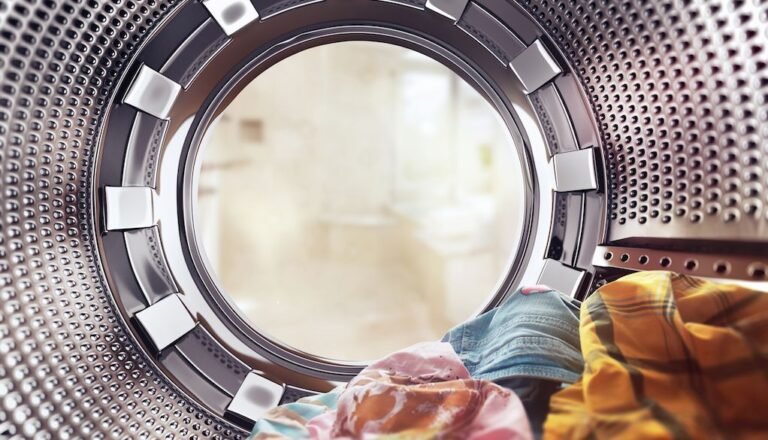
Some washing machines heat water inside the drum using a heating element. This part warms the water to the right temperature for the wash cycle. Others do not heat water internally but use hot water from the home supply.
Front-load washers often come with an internal water heater. It lets the machine control water temperature precisely. This system uses a heating element and a temperature sensor to keep water at the chosen heat level.
Top-load washers often connect to the home’s hot water. They mix hot and cold water to get the right temperature. However, some newer top-load models now include built-in heaters too.
For a deeper understanding of this mechanic, analyzing resources on washing machines manage water heating provides excellent foundational context.
Understanding the way machines heat water is key to choosing the right washer and cycle for your needs.
Heating Element and Temperature Control
The heating element is like a small electric heater inside the washing machine. It heats the water during hot cycles. A temperature sensor checks the water heat and tells the control panel to stop heating when the set level is reached.
This setup allows the washer to keep water at the best temperature for cleaning. It also helps save energy by not overheating the water. Some machines have an automatic water heater that adjusts power based on cycle needs.
New smart washing machines use heat pump technology to heat water more efficiently. Heat pumps recycle heat rather than creating it from scratch. This cuts down on energy use while keeping water warm enough for effective washing.
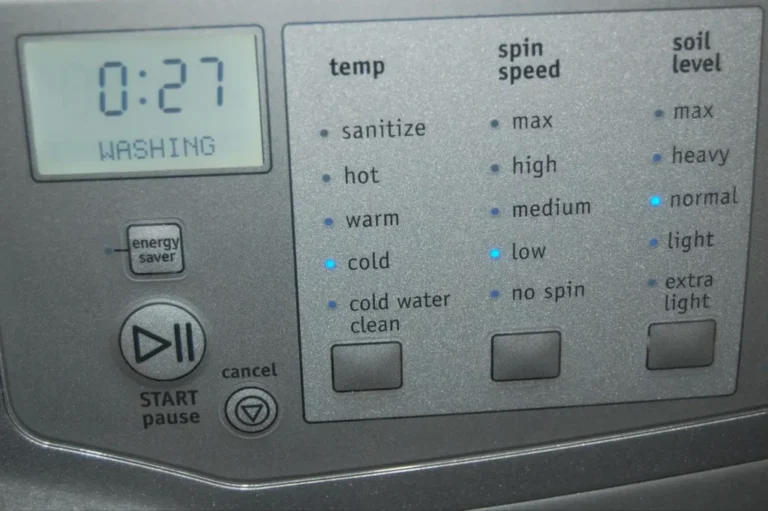
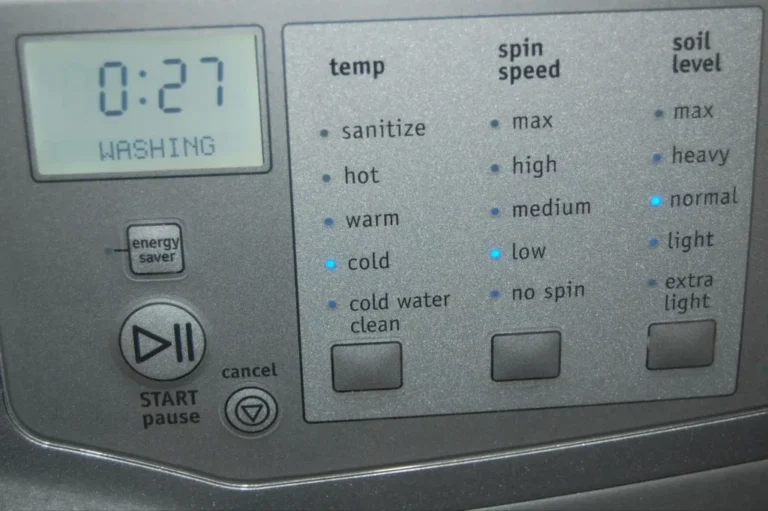
Water temperature control is important. It affects detergent effectiveness and fabric care. Choosing the right temperature setting is key to good laundry results.
Front Load vs Top Load Water Heating
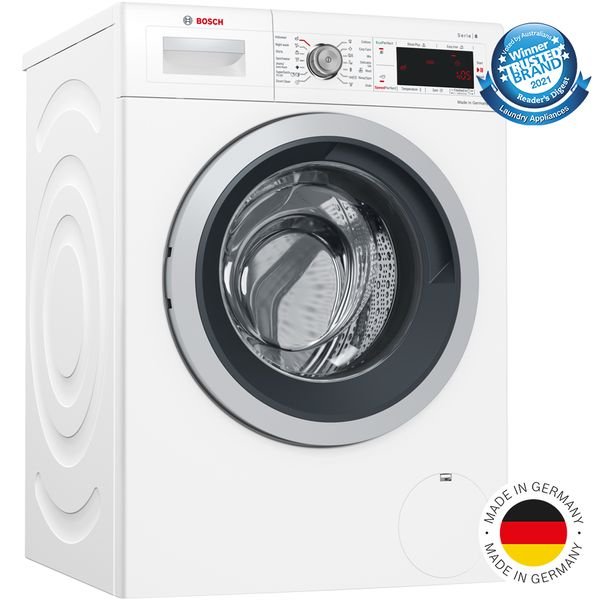
Front load washers usually have an internal water heater. This means they can heat water right inside the drum. This gives better control over hot water washing cycles and can improve cleaning.
Top load washers mostly rely on hot water from the home supply. They mix hot and cold water to get the temperature needed. This can be less precise and depends on the home’s water heater.
However, some modern top load washers now include internal heaters. This lets them offer hot water cycles even if the home supply is cold. This feature helps with energy savings and better wash results.
The choice between front load and top load machines may affect how water heating works and your energy bills.
| Type of Washer | Water Heating Method | Energy Efficiency |
|---|---|---|
| Front Load Washer | Internal heating element | High with heat pump tech |
| Top Load Washer | Home hot water supply or internal heater | Variable, depends on model |
Energy use varies by heating method. Internal heaters can be more precise but may use more electricity. Using home hot water depends on the water heater’s fuel and efficiency.
Choosing an eco-friendly washing machine cycle can reduce energy use. Many washers now offer eco modes that heat water only as needed.
Hot Water vs Cold Water Washing
Hot water washing cycles help remove tough stains and kill germs. The heat boosts detergent power. However, heating water uses more energy, increasing costs.
Cold water cycles save energy and protect clothes from damage. Modern detergents work well in cold water. Cold washing also helps colors last longer and reduces shrinkage.
Many users choose cold water cycles for everyday laundry and reserve hot water cycles for heavily soiled items.
:max_bytes(150000):strip_icc()/wash-with-the-right-water-temperature-2146348_FINAL-5bb51fb24cedfd0026d1752b.png "The Best Washing Machine Temperature for Laundry (Figure)")
Energy consumption washing machines show that heating water can account for over half of the total energy use. Choosing cold water cycles can cut this significantly.
| Benefit | Hot Water Cycle | Cold Water Cycle |
|---|---|---|
| Energy Use | High | Low |
| Cleaning Power | Strong on stains | Good with modern detergents |
| Fabric Care | Can wear fabrics | Gentle on clothes |
| Color Fading | More likely | Less likely |
Cold water washing benefits many households. It saves money and extends garment life. Still, hot water cycles remain important for hygiene and stain removal.
Common Heating Element Problems
Heating elements can fail over time. They may stop heating water or heat unevenly. This causes poor wash results or error codes on the control panel.
Problems often come from mineral buildup or electrical faults. Regular maintenance helps prevent issues. If a heating element breaks, it usually needs replacement by a technician.
Other parts like the water intake valve or temperature sensor might affect water heating. Troubleshooting can be complex and often needs expert help.
For tips on maintaining your washing machine and avoiding common faults, see our guide on washing machine filters and upkeep.
Energy Saving Tips for Water Heating
Heating water in a washing machine uses much energy. To save, use cold water cycles when possible. Choose eco-friendly cycles that heat water only as needed.
New heat pump washers offer better water heating efficiency. They use less power while keeping water hot enough to clean well.
Preheating water externally before the wash cycle is another option some smart washers support. This can cut energy use and cycle time.
Keep your washing machine clean and well maintained. This helps parts work efficiently and reduces energy waste.
For more on using your washer efficiently, check how to restart your washer machine properly after maintenance or error.
Conclusion
Many washing machines heat water inside the drum using a heating element. Front load washers usually have this feature. Top load washers often use home hot water but some models now include internal heaters.
Water heating affects energy use and laundry results. Hot water cycles clean better but use more energy. Cold water cycles save power and protect clothes.
Advances like heat pump technology improve water heating efficiency. Choosing the right cycles and maintaining your machine helps save energy and get clean clothes.
Knowing how your washer heats water lets you pick the best option for your home, budget, and laundry needs.
Remember, smart choices about washing machine water heating lead to cleaner clothes and a greener planet.
Frequently Asked Questions
Do all washing machines heat water internally?
No, not all washing machines have an internal heating element. Some rely on the home’s hot water supply while others heat water inside the machine.
What is a washing machine heating element?
It is a part inside some washing machines that heats the water to the selected temperature during a hot wash cycle.
Are hot water washing cycles better for cleaning?
Hot water cycles can improve detergent effectiveness and remove tough stains but may use more energy.
Do front load washers heat water differently than top load washers?
Front load washers often have built-in heaters, while many top load washers use the home’s hot water supply.
What are the benefits of cold water washing?
Cold water cycles save energy, reduce fabric wear, and work well with modern detergents.

Keith Boyd Is A Seasoned Appliance Care Expert With Over A Decade Of Experience In Home Appliance Maintenance. His Authoritative Insights On Washing Machine Care And Upkeep Are Trusted By Homeowners Nationwide. With A Passion For Educating Others, Keith Shares Valuable Tips That Ensure Your Appliances Run Smoothly For Years To Come.