Understanding Weighted Blanket Fabrics
Weighted blankets come in various fabric types. Common ones include cotton, polyester, and bamboo blends. Each fabric has unique care needs. Cotton is breathable and durable but may shrink if washed in hot water. Polyester is wrinkle-resistant and holds up well in machines. Bamboo blends are soft but need gentle cleaning. Knowing your blanket’s fabric guides the right washing method and detergent choice.
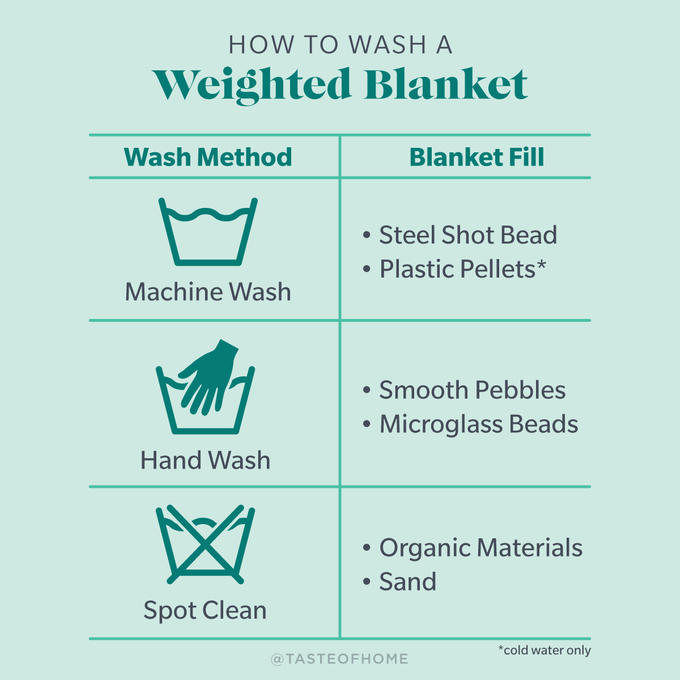
Besides fabric, the filling matters. Weighted beads or pellets inside the blanket add weight. These beads can be glass, plastic, or metal. They impact the blanket’s durability and how it reacts to washing. For example, glass beads are heavier and can break if washed roughly. Machine washing might be risky for some bead types, so checking care labels is key.
For a deeper understanding of fabric types and cleaning methods, analyzing resources on washing weighted blankets provides excellent foundational context.
Weighted blankets labeled as machine washable usually have durable fabric and bead filling. These blankets can handle gentle machine cycles without damage. However, very heavy blankets (over 15 pounds) may strain your washing machine or get damaged during washing.
Beginner Tip: Always check the care label first. It tells you if your weighted blanket is machine washable and what settings to use.
Machine Washing Weighted Blankets Safely
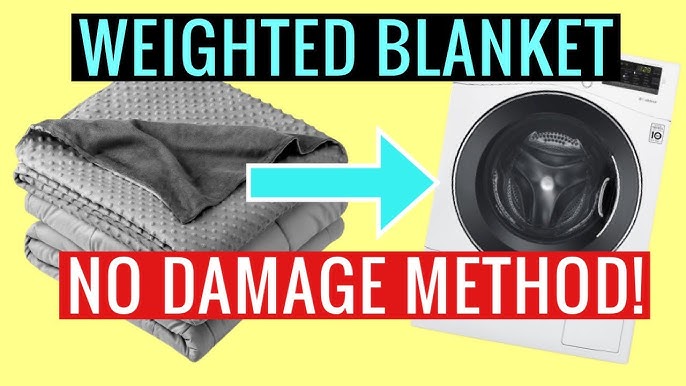
Before machine washing, confirm your blanket fits in your washer. Most home washers have a weight limit around 15 to 20 pounds. Heavy blankets that exceed this can cause damage to the machine or the blanket. If your weighted blanket is too heavy, consider hand washing or a professional cleaner.
Use a front-loading washer if possible. They are gentler because they use a tumbling action instead of an agitator. Plus, front-loaders usually have larger drums, which help wash bulky items like weighted blankets more safely.
Set your washing machine to a gentle or delicate cycle. Use cold water to prevent shrinking and preserve fabric softness. Avoid using bleach or harsh detergents, as they can break down fibers and damage the blanket’s filling.
Detergents that are mild and free of dyes or fragrances work best. They clean well without harming the fabric or weighted beads. Always use the recommended amount to avoid residue buildup.
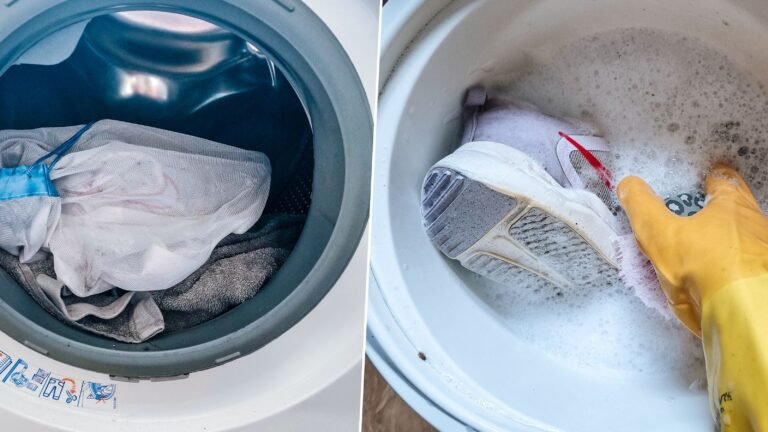
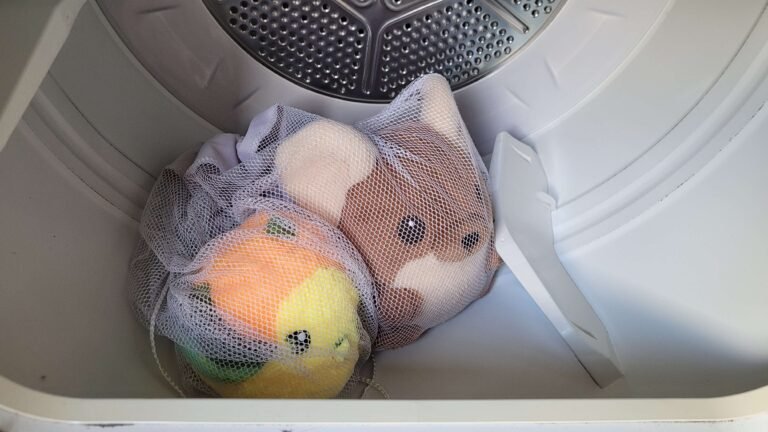
Expert Insight: Using a mesh laundry bag can protect your weighted blanket further. It reduces friction during the wash cycle, helping maintain the fabric’s look and feel.
After washing, avoid the high-spin cycle. It can damage the beads and fabric. A slow or no-spin option is safer and helps keep the blanket’s weight evenly spread.
For more on washer types and drum action, understanding what drum washing machine helps explain how washing machines handle heavy blankets gently.
Weighted Blanket Washing Tips
- ✅ Check care labels for washing instructions.
- ✅ Use cold water and mild detergent.
- ✅ Choose gentle or delicate wash cycles.
- ✅ Wash heavy blankets alone to prevent unbalancing the washer.
- ✅ Use mesh laundry bags for extra protection.
- ✅ Avoid bleach and fabric softeners to preserve material.
- ✅ Limit washing frequency to every 3-6 months unless heavily soiled.
Drying and Maintaining Weighted Blankets
Drying weighted blankets requires care to keep their shape and fabric soft. Air drying is the safest method. Spread the blanket flat on a clean surface or hang it evenly to prevent the weighted beads from shifting.
If you use a dryer, select a low heat or air fluff setting. High heat can melt or warp beads and shrink the fabric. Add dryer balls or clean tennis balls to help fluff the blanket during drying.
Do not overdry. Remove the blanket while it’s still slightly damp to avoid stiffness. Then finish drying flat in the air if needed.
Proper maintenance extends your blanket’s life. Regularly shake and fluff it to redistribute beads evenly. Spot clean stains promptly using gentle soap and cold water. Avoid harsh scrubbing to protect the fabric.
Weighted blankets have different durability levels based on fabric and bead quality. Investing in a good quality blanket with clear care labels ensures you can clean it easily and keep it fresh longer.
Checklist for Weighted Blanket Care:

- Follow care label instructions strictly.
- Spot clean when possible to reduce full wash cycles.
- Use gentle washing and drying methods.
- Handle with care to avoid bead leakage.
- Store in a dry, cool place away from direct sunlight.
Comparing Machine Wash and Hand Wash Methods
Both machine washing and hand washing have pros and cons. Machine washing is faster and convenient for machine washable blankets. It uses consistent water flow and agitation, reducing manual effort.
Hand washing is gentler. It suits delicate fabrics or heavy blankets that can’t fit in washers. You can control pressure and avoid damaging the weighted beads. It takes more time and effort but can extend the blanket’s life.
Choosing between the two depends on your blanket’s weight, fabric, and washing instructions. For machine washing, always use gentle settings and care labels. For hand washing, soak in cool water with mild detergent and rinse well.
⚖️ Pros & Cons of Washing Methods
| Method | Pros | Cons |
|---|---|---|
| Machine Wash | Fast, easy, consistent cleaning | Risk of damage if blanket too heavy or delicate |
| Hand Wash | Gentle on fabric and beads, better for delicate items | Time-consuming, requires effort |
Weighted blanket weight is a key factor in deciding the washing method. Heavier blankets may overload washers or break beads. For those, hand washing or professional cleaning is safer.
For more details on machine washing safety and options, review can you machine wash a weighted blanket on our site for expert guidance.
Removing Stains from Weighted Blankets
Stains on weighted blankets need gentle spot cleaning. Use a mild detergent mixed with cold water. Apply the solution with a soft cloth or sponge and dab the stain carefully. Avoid rubbing harshly, as it can damage the fabric and push stains deeper.
After treating stains, rinse the area with clean cold water and blot dry with a towel. Repeat if needed before washing the whole blanket. Quick stain removal helps keep the blanket fresh and reduces the need for frequent full washes.
Persistent stains might require specialized fabric cleaners suited for your blanket’s material. Always test any cleaner on a small hidden spot first to check for colorfastness.
📌 Step-by-Step Stain Removal Guide
- Mix mild detergent with cold water.
- Dab the stain gently with a cloth.
- Rinse with cold water.
- Blot dry with a towel.
- Repeat if necessary before washing.
Weighted Blanket Washing Frequency and Durability
The right washing frequency depends on your use and environment. If you use your blanket daily or have allergies, washing every 3 months is ideal. For lighter use, every 6 months is fine.
Overwashing can harm the fabric and beads, reducing durability. Follow manufacturer care labels to balance cleanliness and longevity. Regular spot cleaning and airing out help maintain freshness between washes.
Durability also depends on fabric type and bead quality. High-quality cotton or polyester with durable glass beads lasts longer with proper care. Avoid harsh detergents and hot water to keep the blanket soft and intact.
Maintenance tips include fluffing the blanket regularly, repairing any tears promptly, and storing it properly. These steps preserve the blanket’s weight distribution and fabric softness.
| Care Aspect | Key Point |
|---|---|
| Washing Frequency | Every 3-6 months or as needed |
| Water Temperature | Cold water preferred |
| Detergent Type | Mild, fragrance-free |
| Drying Method | Air dry or low heat tumble dry |
| Maintenance | Regular fluffing, spot cleaning |
Weighing the blanket’s size and weight against your washing machine’s capacity is essential. If unsure, consult your washer’s guidelines to avoid damage. For advice on washing machine setup and safety, see how you can can you lay washing machine side for proper handling.
Conclusion
Machine washing weighted blankets is possible but needs care. Check the blanket’s fabric type, weight, and care labels first. Use gentle cycles, cold water, and mild detergent to protect the fabric and weighted beads. Avoid harsh chemicals and high heat drying to maintain softness and durability.
For heavier or delicate blankets, hand washing may be safer. Regular spot cleaning and proper drying extend the blanket’s life. Balancing washing frequency with maintenance keeps your weighted blanket fresh and comfortable for years.
Expert care and attention to your blanket’s needs ensure you enjoy its benefits fully. Follow these tips to keep your weighted blanket clean, soft, and long-lasting.
Frequently Asked Questions
Can all weighted blankets be machine washed?
Not all weighted blankets are machine washable. It depends on the fabric type and the weight of the blanket. Always check the care label before washing.
What washing cycle is best for weighted blankets?
Use a gentle or delicate cycle with cold water to protect the fabric and weighted beads.
How often should I wash my weighted blanket?
Washing frequency depends on use, but generally every 3-6 months is recommended to maintain freshness without wearing out the material.
Is it better to hand wash or machine wash a weighted blanket?
Hand washing is gentler and recommended for delicate fabrics or heavier blankets, while machine washing is suitable for light to medium weight, machine washable blankets.
How should I dry a weighted blanket?
Air drying is best to keep the blanket’s shape and fabric soft. If using a dryer, select a low heat setting and check regularly.

Michael Peterson is a home appliance writer focused on practical washing machine care, maintenance, and troubleshooting. He shares simple, reliable tips to help readers keep their washing machines running efficiently, avoid common problems, and extend appliance life.