Why Proper TENS Machine Pad Maintenance Matters
In our experience, keeping TENS machine pads clean is key to good therapy. Dirty pads lose stickiness fast and can irritate skin. We found that regular cleaning extends pad life and keeps electric pulses strong. Proper care also helps avoid infections from microbial contamination. Let’s share tips for electrode pad cleaning methods that work well.
We noticed pads can wear out if not cleaned right. So, knowing how to clean and store them safely is a must. This guide covers reusable TENS pads care from cleaning to drying and storing.
Most TENS units come with gel pads. These pads stick to skin and deliver pulses. Over time, oil and dirt build up on pads, reducing stickiness. Cleaning pads removes this residue and keeps them working longer.
Best Cleaning Solutions for TENS Pads
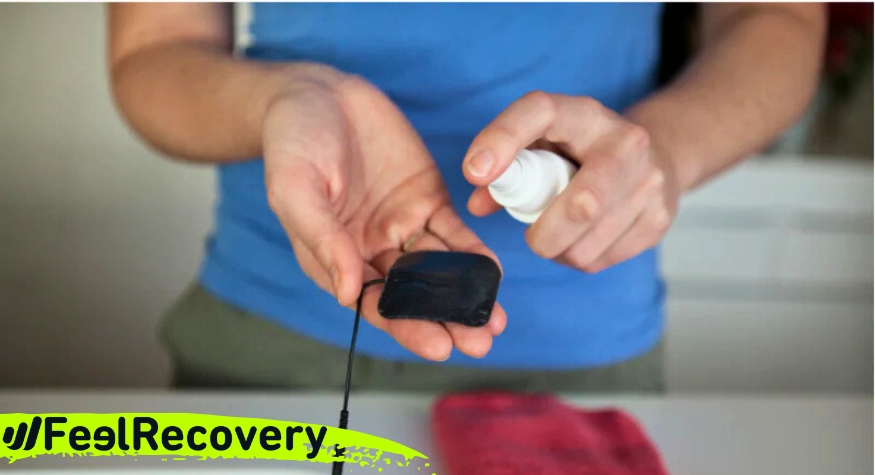
We always start cleaning with just water and mild soap. This mix is gentle and removes dirt well without harming the adhesive gel. Use a soft cloth or your fingers to wipe pads gently. Avoid scrubbing hard, as it can tear the gel.
Isopropyl alcohol is a common cleaning agent, but we use it sparingly. Alcohol dries out the pads and cuts stickiness if used too much. If you need to disinfect, lightly dab the edges only. This helps reduce microbes without damage.
For stubborn residue, a tiny bit of white vinegar diluted in water can help. We rinse pads well afterwards to remove any acid trace. Avoid harsh chemicals like bleach or acetone, which ruin pads fast.
When cleaning, never soak pads for long. A quick gentle wipe and rinse work best. After cleaning, air dry pads away from direct heat or sunlight. This keeps the gel flexible and sticky.
We found UV sterilizers useful for killing germs on pads without wetting them. But avoid long UV exposure since it can weaken the gel layer over time.
How to Restore TENS Pad Adhesive
Sometimes pads lose stickiness after a few uses. We tested several ways to bring stickiness back. The best method is gently washing the pads with water and mild soap, then letting them dry flat. This removes dirt and refreshes the adhesive gel.
You can also check this detailed guide on how to restore the adhesive qualities of a TENS electrode patch. It explains simple steps that helped us a lot.
Some people try using a thin layer of conductive gel for extra stickiness. We found this works but can make pads messy and harder to clean later.
Remember, pads have a limited lifespan. Even with care, they wear out after 20 to 30 uses. Keep track of how many times you reuse them to avoid poor therapy or skin irritation.
Ideal Cleaning Frequency for TENS Pads
From our routine, cleaning pads after every 3 to 5 uses is good. If you use your TENS machine daily, clean pads once a week. This keeps residue low and stickiness high.
For occasional users, clean pads right after use and before storing. This stops dust and sweat from building up. Clean pads dry better and last longer when stored properly.
We made a simple checklist to track cleaning days and pad reuse. It helped keep pad hygiene sharp and avoid overusing old pads.
Top TENS Pad Storage Tips
We learned that good storage keeps pads sticky and clean. After drying, place pads in their original storage case or a sealed plastic bag. This stops dust and helps keep moisture balanced.
Store pads at room temperature. Avoid hot or cold places like cars or bathrooms. Extreme temps make the gel less sticky or brittle.
 Source: Feel Recovery
We keep pads on a flat surface inside the case to avoid bending or creasing. Bent pads break faster and stick unevenly.
Keep pads away from oils, lotions, or dirt. Touch them only with clean hands. This simple step cuts down on residue build-up.
Safe TENS Electrode Drying Techniques
We always let pads air dry naturally after cleaning. Laying them flat on a clean paper towel works best. Avoid rubbing pads dry, which harms the gel.
We never use hair dryers or heaters. Heat can melt or warp the gel layer and ruin stickiness. If you need faster drying, place pads in a cool, dry spot with good air flow.
Proper drying prevents microbial growth and keeps pads fresh for the next use. Damp pads lose stickiness and can irritate skin.
How to Avoid TENS Pad Damage
We learned to handle pads gently. Pull pads off skin slowly and evenly. Peeling pads too fast or at an angle can tear the gel.
Never share pads with others to prevent infections. Each user should have their own set.
Store pads away from sharp objects or pets. Pads can get punctured or scratched easily, ruining their function.
Using pads beyond their lifespan causes poor stickiness and skin irritation. We replace pads every 3 to 4 weeks or when stickiness fades.
Our TENS Unit Maintenance Routine
Besides pads, we clean the TENS unit accessories regularly. Wipe cables and connectors with a dry cloth to avoid dust or sweat build-up.
Check cables for cracks or damage. Damaged wires can reduce therapy effectiveness or cause shocks.
Store the unit and pads together in a clean case. This keeps everything safe and ready for use.

We recommend a weekly check-up of the whole system. This simple habit saves money and improves therapy results.
Below is a table summarizing our key cleaning steps and timing.
| Task | Frequency | Notes |
|---|---|---|
| Pad Cleaning | Every 3-5 uses | Use water & mild soap |
| Pad Drying | After each clean | Air dry flat, no heat |
| Storage | After drying | Use sealed case or bag |
| Unit & Cables Cleaning | Weekly | Dry cloth, check damage |
Following this routine keeps our TENS machine pads ready and safe to use.
Tips for Safe Pad Reuse
We found these tricks helpful when reusing TENS pads:
- ✅ Use a clean plastic film over pads during storage to keep them sticky.
- ✅ Wash pads gently before reuse if sticky feels less.
- ✅ Keep skin clean and dry before applying pads.
- ✅ Do not apply lotion or oil before use.
- ✅ Replace pads if skin irritation appears.
Using these tips, pads last longer and your skin stays safe.
Here is a quick guide to clean and reuse pads safely.
📌 Step-by-Step Pad Cleaning Guide
- Remove pads gently from skin.
- Rinse pads with lukewarm water.
- Apply mild soap; rub softly with fingers.
- Rinse off soap completely.
- Air dry pads on a clean towel away from sun.
- Store pads in sealed case or bag.
Reusable vs Single-Use TENS Pads
We compared reusable and single-use pads. Reusable pads save money but need care to last. Single-use pads are clean every time but cost more and add waste.
Reusable pads require proper cleaning and storage. If done well, they keep stickiness and safety for many uses.
Single-use pads avoid cleaning and risk of contamination but may not fit all users’ skin types well. They also add plastic waste.
Choose based on your needs, budget, and how often you use the TENS machine.
| Feature | Reusable Pads | Single-Use Pads |
|---|---|---|
| Cost | Lower long-term cost | Higher cost per use |
| Cleaning Needed | Yes, regular | No |
| Hygiene | Good if cleaned well | Always clean |
| Environmental Impact | Less waste | More waste |
| Convenience | Needs care | Use & toss |
Both types work well if used properly.
Final Thoughts on Prolonging TENS Pad Life
We learned that simple steps keep TENS pads clean and sticky longer. Regular cleaning, gentle drying, and proper storage are key. Avoid harsh chemicals and heat. Handle pads with care to avoid damage.
Following our maintenance routine keeps electric pulse therapy effective and skin safe. For more tips on adhesive restoration, check how to make TENS pads sticky again. It helped us understand pad care better.
Taking care of TENS pads saves money and ensures better pain relief. We hope our shared experience helps you get the most from your TENS machine.
| Tip | Benefit |
|---|---|
| Clean pads every 3-5 uses | Removes oils and dirt |
| Air dry pads flat | Preserves gel stickiness |
| Store in sealed case | Prevents dust and dryness |
| Use mild soap, avoid alcohol | Protects adhesive layer |
| Handle pads gently | Prevents tearing |
Frequently Asked Questions
How often should I clean my TENS machine pads?
You should clean your TENS pads after every 3 to 5 uses to remove skin oils and dirt. If you use them daily, clean them weekly.
Can I use alcohol to clean TENS electrode pads?
Isopropyl alcohol can dry out the pads and reduce stickiness. Use it sparingly and only on the edges, not directly on the adhesive gel.
How do I restore the stickiness of TENS pads?
Gently washing pads with water and mild soap and air drying can help. For detailed methods, see trusted guides on adhesive restoration.
Are reusable TENS pads safe to sterilize with UV light?
Yes, UV sterilizers can kill microbes without damaging the pads, but avoid overexposure to prevent pad wear.
What is the best way to store TENS pads between uses?
Keep pads in their original storage case or a sealed plastic bag at room temperature to preserve stickiness and prevent dust build-up.

Michael Peterson is a home appliance writer focused on practical washing machine care, maintenance, and troubleshooting. He shares simple, reliable tips to help readers keep their washing machines running efficiently, avoid common problems, and extend appliance life.