Why Clean Throw Pillows Without a Washing Machine?
Throw pillows add style and comfort to any room. But cleaning them can be tricky, especially without a washing machine. Many pillows have delicate fabric types like microfiber, cotton, or linen that require gentle cleaning methods. Using a washing machine may cause fabric shrinkage or damage.
Understanding how to care for throw pillows by hand helps keep them fresh and long-lasting. For a deeper understanding of cleaning pillows with no removable cover, analyzing resources on cleaning throw pillows with no removable cover provides excellent foundational context.
Let’s explore expert tips and easy methods for hand cleaning pillow inserts and covers, removing stains, and freshening up couch pillows naturally.
Hand Washing Pillow Inserts Safely
Many throw pillows have inserts filled with down, synthetic fibers, or foam. These require careful cleaning to preserve their shape and fluffiness. Start by filling a basin with lukewarm water and a small amount of mild soap or detergent made for delicate fabrics.
Submerge the pillow insert gently and press it softly to clean. Avoid harsh scrubbing or twisting, which can damage the stuffing. After rinsing thoroughly with clean water, press the pillow between towels to remove excess water without wringing.
Drying pillows without machine use is best done by laying them flat on a drying rack. Flip them regularly to help even drying and maintain loft.
For more on cleaning pillows without a washer, see our full guide on how to clean pillows without washing machine.
Spot Cleaning Pillow Covers
Cleaning throw pillow covers is often easier than washing entire pillows. Spot cleaning targets stains without soaking the entire fabric, which prevents shrinkage and color fading. Use a gentle stain remover or mild soap diluted in water.
Apply the solution with a soft cleaning brush or cloth and dab the stain carefully. Blot with a clean damp cloth to remove soap residue. It’s important to test any cleaner on a hidden fabric area first to avoid damage.
For fabrics like cotton or linen, gentle spot cleaner use preserves the weave while removing dirt. Microfiber covers respond well to mild soap and water.
Vacuuming and Natural Freshening
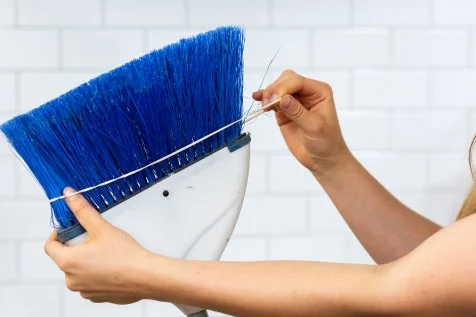
Regular vacuuming helps prevent dust buildup on throw pillows. Use a vacuum cleaner with a soft brush attachment. This method cleans the surface without harming the fabric or stuffing. Avoid strong suction, which can pull fibers or flatten pillow fluff.
:max_bytes(150000):strip_icc()/how-to-wash-throw-pillows-5409531-07-c5343219d7f645f59e16a91e8e26b00f.JPG "How to Wash Throw Pillows Without Ruining Them (Figure)")
Using baking soda on pillows is a proven home remedy for odor removal. Sprinkle baking soda generously over the pillow surface and let it sit for 30 minutes. Then vacuum the baking soda off. This deodorizes naturally without chemicals.
These gentle cleaning methods for pillows keep them fresh and inviting between washes.
| Cleaning Method | Best For | Key Tips |
|---|---|---|
| Hand Washing | Pillow Inserts (down, synthetic) | Use mild soap, lukewarm water, dry flat |
| Spot Cleaning | Decorative Covers | Test cleaner first, dab gently, avoid soaking |
| Vacuuming with Baking Soda | All Pillow Types | Soft brush attachment, baking soda for odors |
When cleaning, always consider the pillow fabric cleaning guide specific to your pillow type. This prevents damage and fabric shrinkage.
Dry Cleaning Throw Pillows at Home
Dry cleaning solvents can be an alternative for delicate pillow fabrics that cannot get wet. Use a home dry cleaning kit following the product instructions carefully. Spot test the solvent to avoid fabric damage.
Dry cleaning at home is useful for silk or velvet pillow covers. It removes oil-based stains and freshens fabric without water. Always air out pillows after dry cleaning to remove any solvent smell.
Preventing Damage in Pillow Cleaning
Pillows can lose shape or shrink if cleaned improperly. Avoid hot water and harsh detergents. Use mild soap and cold or lukewarm water to protect colors and fibers.
Dry pillows without machine heat to prevent shrinking. Too much pressure or twisting can flatten pillow stuffing. Gently fluff pillows after drying to restore loft.
Below is a quick checklist of pillow care tips to prevent damage:
- ✅ Use mild detergents for hand washing
- ✅ Avoid hot water and strong chemicals
- ✅ Dry flat in shade, not direct sun
- ✅ Test cleaners on small fabric areas
- ✅ Vacuum gently with brush attachment
Stain Removal for Decorative Pillows
Common stains like food, drink, or ink require targeted treatment. Start by blotting excess liquid or debris with a clean cloth. Avoid rubbing the stain deeper into fabric.
Apply a gentle stain remover or a mixture of water and mild soap. Let it soak briefly, then blot carefully until the stain fades. For tough stains, repeat the process or consult professional cleaning.
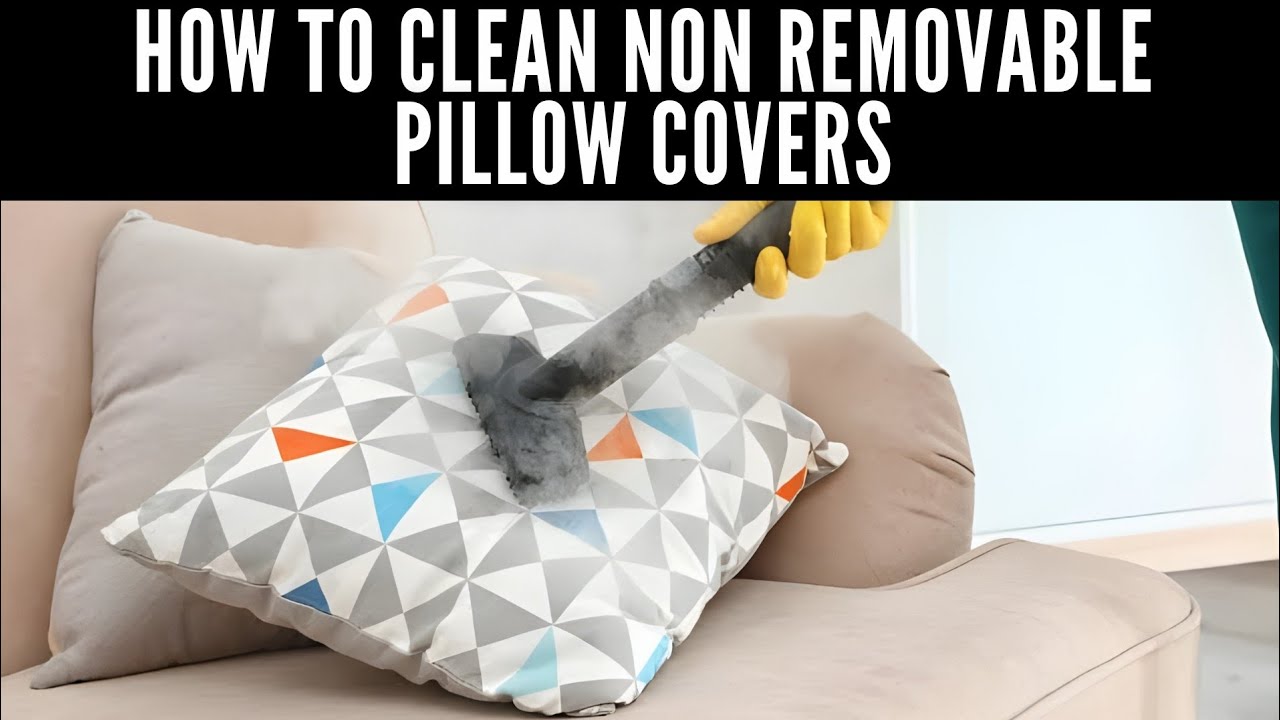
Some home remedies to clean pillows include diluted vinegar or baking soda paste. These act as odor neutralizers and gentle stain removers.
Drying Techniques for Throw Pillows
Drying is crucial to avoid mold and fabric shrinkage. Lay pillows flat on a clean towel or drying rack. Flip regularly to ensure air reaches all sides.
Never use hot dryer heat. Instead, use fan drying or place pillows in a shaded, well-ventilated area. For thick pillow inserts, allow longer drying time to reach the center.
After drying, fluff pillows by hand to restore shape and softness. This keeps pillows looking fresh and comfy.
| Drying Method | Fabric Type | Recommended Use |
|---|---|---|
| Air Dry Flat | All Fabrics | Prevents shrinkage, best for inserts |
| Shade Drying | Cotton, Linen, Microfiber | Protects colors, avoids sun damage |
| Low Heat Dryer | Cotton (If Label Allows) | Use with caution, avoid delicate fabrics |
Proper drying techniques work hand in hand with gentle cleaning methods for pillows to maintain quality and longevity.
Conclusion: Keep Throw Pillows Fresh with Gentle Care
Cleaning throw pillows without a washing machine is easy with the right approach. Hand washing pillow inserts, spot cleaning covers, and natural freshening with baking soda are effective methods. Vacuuming gently keeps dust at bay without damage.
Always consider the fabric types and pillow stuffing to choose mild soap, water temperature, and drying techniques that avoid shrinkage and loss of fluff. Dry cleaning solvents can help for delicate fabrics.
Following these throw pillow care tips preserves your pillows’ look and feel in 2026 and beyond. For more detailed home cleaning ideas, check our guide on how to clean stinking washing machine to keep your laundry fresh as well.
Frequently Asked Questions
Can I clean throw pillows without removing the cover?
Yes, you can clean throw pillows without removing the cover by spot cleaning or hand washing the pillow insert carefully. Using mild soap and gentle drying helps avoid damage.
What is the best way to remove stains from decorative pillows?
The best way involves spot cleaning with a mild detergent or stain remover suited for the pillow’s fabric. Test the cleaner on a small area first to prevent damage or shrinkage.
How can baking soda help in cleaning throw pillows?
Baking soda acts as a natural deodorizer and helps absorb odors. Sprinkling it on pillows before vacuuming freshens them and removes unwanted smells.
Is vacuuming safe for all pillow types?
Vacuuming is safe for most throw pillows if done gently with a brush attachment. Avoid strong suction to prevent damage to delicate fabrics like linen or microfiber.
How do I dry pillows without a machine to avoid shrinking?
Dry pillows by air drying them flat in a well-ventilated area. Use gentle pressing with towels to remove excess water and avoid direct sunlight to prevent fabric shrinkage.

Michael Peterson is a home appliance writer focused on practical washing machine care, maintenance, and troubleshooting. He shares simple, reliable tips to help readers keep their washing machines running efficiently, avoid common problems, and extend appliance life.