Why Clean Your Washing Machine With Vinegar?
Cleaning your washing machine is key to good laundry and longer machine life. Over time, mold and detergent residue build up inside the washer drum and gasket. This causes bad odors and can even harm your clothes. Using white vinegar is an eco-friendly way to clean and disinfect. It removes mold and soap scum, leaving your washer fresh and clean.
Industry consensus indicates vinegar is a safe, natural cleaner. It dissolves buildup and kills bacteria without harsh chemicals. This makes it ideal for regular washing machine maintenance. For a deeper understanding of this mechanic, analyzing resources on cleaning washers with white vinegar provides excellent foundational context.
Regular vinegar cleaning also helps prevent mold growth in the washing machine gasket and filter. This keeps your laundry appliance hygienic and odor-free.
How To Clean Washing Machine With Vinegar: Step-by-Step Guide
Follow these steps to clean your washer with vinegar and remove mold and detergent buildup. This routine works for both front load washer and top load washer models.
Before starting, check your manufacturer’s manual for any special instructions. Use distilled white vinegar for best results. Avoid using bleach at the same time as vinegar, as this can create harmful fumes.
Here is a simple cleaning schedule to keep your washing machine in top shape.
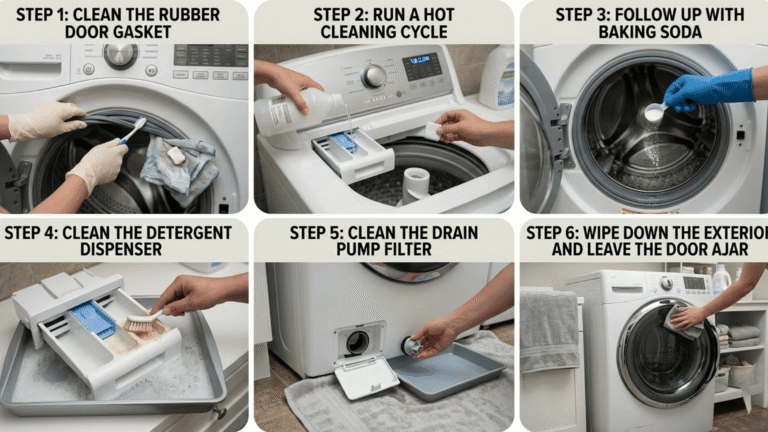
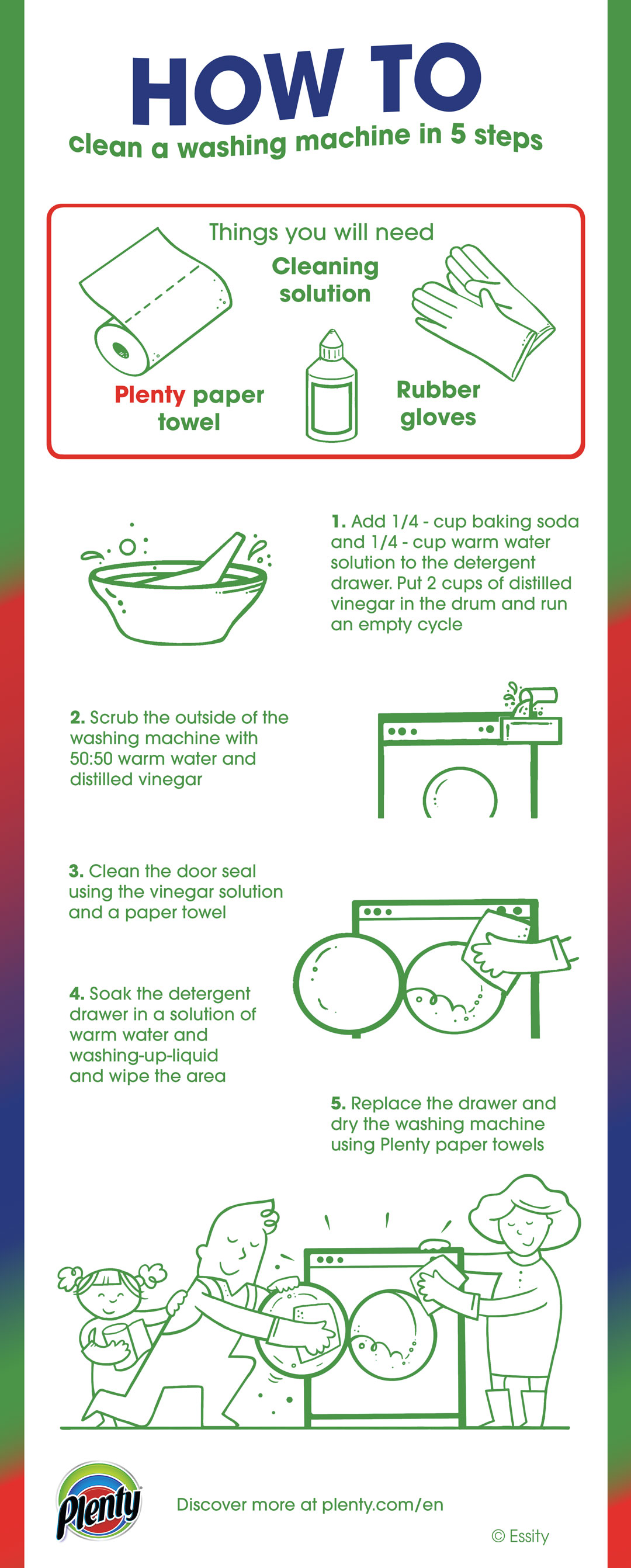
Step 1: Remove any clothes and clean the detergent drawer. Soak it in warm water mixed with vinegar if needed.
Step 2: Wipe the washing machine gasket and door seal with a cloth soaked in vinegar. Mold often hides here.
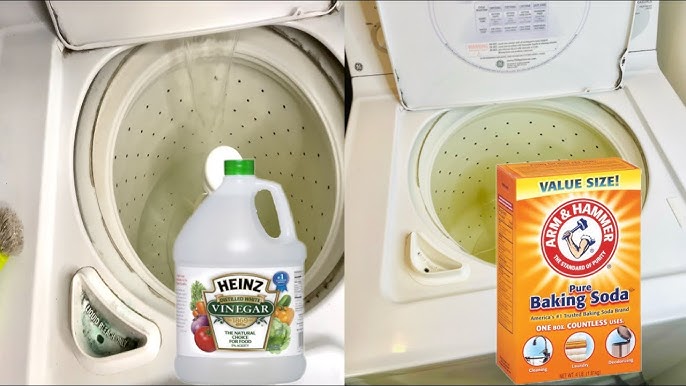
Step 3: Pour 2 cups of white vinegar directly into the washing machine drum.
Step 4: Run a hot water cycle or the cleaning cycle if your machine has one. The vinegar will break down soap scum and kill mold.
:max_bytes(150000):strip_icc()/how-to-wash-cloth-diapers-2146226-03-b8b4b7c954624ca98c049eec14a91570.jpg "Yes, You Can Clean Your Washing Machine Using Just Vinegar—Here's How (Figure)")
Step 5: After the cycle, wipe the drum and door with a dry cloth.
Step 6: For extra cleaning, sprinkle 1/2 cup of baking soda inside the drum and run another hot water cycle.
Repeat this cleaning routine monthly or more often if your washer has heavy mold or odor problems.
For detailed tips on cleaning front load washers, check this guide on front load washing machine filter cleaning. It explains how to keep filters and rubber seals mold-free.
Tips For Washing Machine Deep Cleaning And Maintenance
Deep cleaning your washer helps remove buildup that daily use causes. Vinegar is effective, but combining it with other steps boosts results.
Industry experts recommend these washing machine hygiene tips:
- ✅ Run monthly vinegar rinse cycle washing machine programs.
- ✅ Clean the washing machine filter regularly to prevent lint and debris buildup.
- ✅ Remove and clean the detergent compartment to avoid detergent residue.
- ✅ Keep the door and gasket open after use to dry and prevent mold growth.
- ✅ Use hot water cycles when possible for better cleaning and disinfection.
One challenge with front load washers is mold forming in the rubber gasket. Use vinegar-soaked cloths to clean this area weekly. This prevents washing machine mold removal from becoming a bigger task.
Maintaining a washing machine cleaning routine extends your appliance’s lifespan and improves laundry hygiene.
Learn more about cleaning detergent dispensers in washers at detergent dispenser cleaning tips.
Common Washing Machine Odor Causes And Solutions
Odors come from mold, mildew, and detergent buildup. Soap scum and laundry detergent residue trap water and grime. This creates a musty smell in the washer drum.
Vinegar is a natural deodorizer. It breaks down residue and neutralizes smells without chemicals. Use it regularly to keep your washer smelling fresh.
Also, check for these issues:
- Clogged washing machine filter that traps dirt.
- Wet clothes left too long inside the drum.
- Dirty rubber gasket harboring mold and mildew.
Fix these by cleaning parts regularly and leaving the washer door open after use.
💬 Expert Insight: “A clean washing machine drum means better washing results and no bad odors. Vinegar is a simple tool in your laundry care kit.”
Comparing Vinegar With Other Washing Machine Cleaners
Vinegar is popular for being cheap, safe, and eco-friendly. But how does it stack up against other cleaners?
Here is a quick comparison:
| Cleaner | Effectiveness | Safety | Environmental Impact |
|---|---|---|---|
| White Vinegar | Good for mold and odor | Non-toxic, safe | Eco-friendly |
| Bleach | Strong disinfection | Harsh, can damage seals | Harms environment |
| Commercial Cleaners | Varies by brand | Some harsh chemicals | Mixed impact |
Vinegar is best for routine cleaning and deodorizing. It is gentle on your machine and the planet. For stubborn mold, professional cleaners or bleach might be needed, but use with care.
For more ideas, see some of the best white vinegar cleaning recipes that mix vinegar with baking soda.
Washer Maintenance Checklist
Keep your washing machine running well with this simple checklist:
- Use the right amount of detergent to avoid residue.
- Run vinegar cleaning cycles monthly.
- Clean the detergent drawer and filter frequently.
- Wipe down rubber gaskets weekly.
- Leave the washer door open to dry after use.
- Inspect hoses and connections for leaks or mold.
This checklist helps prevent mold and odors. It also improves washing machine lifespan. For tips on cleaning parts like the filter, visit this guide on cleaning Samsung washing machine filters.
Conclusion
Cleaning your washer machine with vinegar is a smart, simple way to keep it fresh and working well. Vinegar cleans mold, mildew, and detergent buildup. It also removes bad smells and helps disinfect the washer drum and gasket.
Stick to a monthly cleaning schedule using vinegar and hot water cycles. Wipe seals and clean filters regularly. Leave the door open to dry after use. These small steps protect your laundry appliance and your clothes.
Remember, vinegar is safe for all washers and is an eco-friendly choice. Combining it with baking soda can boost cleaning power for stubborn buildup.
For those wanting to dive deeper into homemade washing machine cleaner methods, check this helpful guide on washing machine cleaning with vinegar. Together, these tips and tricks provide the best washer cleaning hacks for 2026 and beyond.
Frequently Asked Questions
Can white vinegar effectively clean a washing machine?
Yes, white vinegar is a natural cleaner that helps remove mold, mildew, soap scum, and detergent buildup from washing machines.
How often should I clean my washing machine with vinegar?
For best results, clean your washer with vinegar once a month to keep it fresh and free from mold and odors.
Is vinegar safe to use for both front load and top load washers?
Yes, vinegar is safe and effective for cleaning both front load and top load washing machines.
Can vinegar help eliminate musty smells from the washing machine?
Yes, vinegar breaks down odor-causing residues, helping to remove musty and foul smells from your washer.
Should I use vinegar alone or with other cleaners for washing machine maintenance?
Vinegar works well alone or combined with baking soda to boost cleaning power, especially for deep cleaning and deodorizing.

Michael Peterson is a home appliance writer focused on practical washing machine care, maintenance, and troubleshooting. He shares simple, reliable tips to help readers keep their washing machines running efficiently, avoid common problems, and extend appliance life.