Introduction to Washing Quilts Safely
Quilts add warmth and beauty to homes. But they need special care to last long. Many ask if you can machine wash quilts without harm. The answer depends on the quilt’s fabric, age, and filling. This guide covers how to wash quilts safely, whether by machine or hand.
Understanding quilt cleaning tips helps protect your quilt’s colors and fibers. For a deeper understanding of quilt care, analyzing resources on quilt washing and care provides excellent foundational context. Also, knowing the right quilt washing machine settings can save you from costly damage.
Machine Washing Quilts: When and How
Machine washing quilts is possible but not always safe. Modern quilts made from colorfast fabrics and sturdy batting often withstand machine washing. Use cold water to lower the risk of color bleeding or shrinking. The delicate cycle on your washing machine is best because it moves gently.
Before washing, check your quilt’s care instructions. If the label forbids machine wash, hand wash or dry cleaning is safer. If machine washing is allowed, use a mild detergent made for delicate fabrics. Avoid bleach and fabric softeners, which can weaken fibers over time.
It is also important to clean your washing machine’s lint filter and drum before washing quilts. Lint or rough surfaces inside the drum can snag quilt threads and cause damage. Maintaining your washing machine helps protect all delicate fabrics.
Best Washing Machine Settings for Quilts
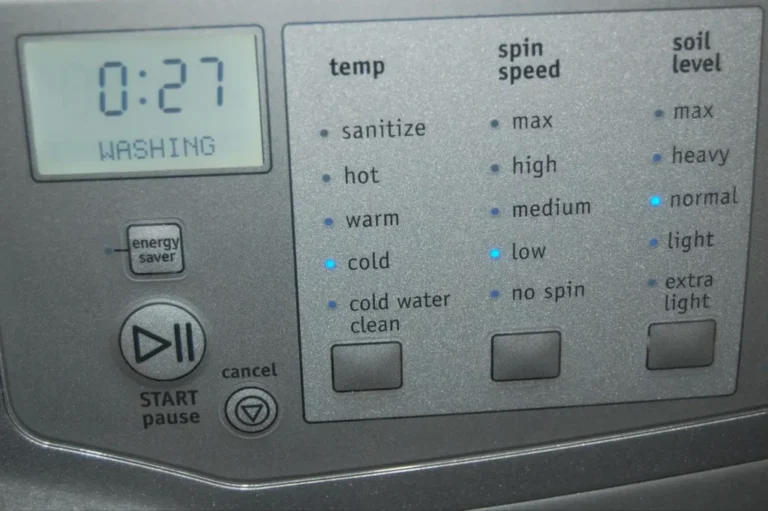
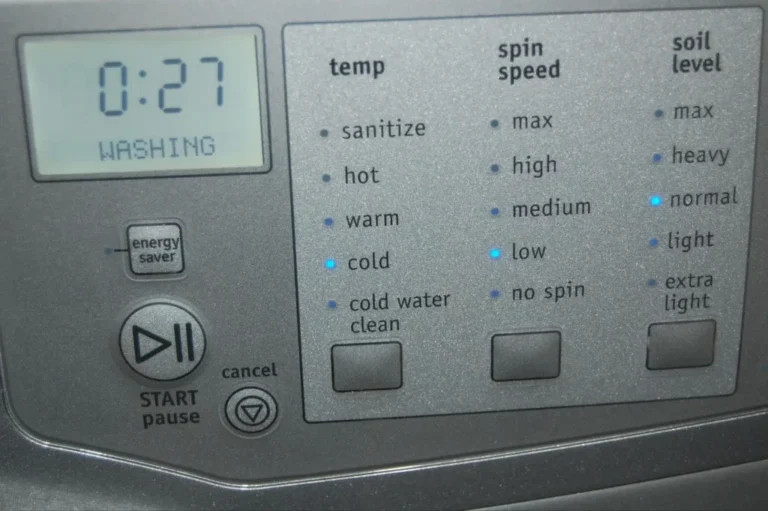
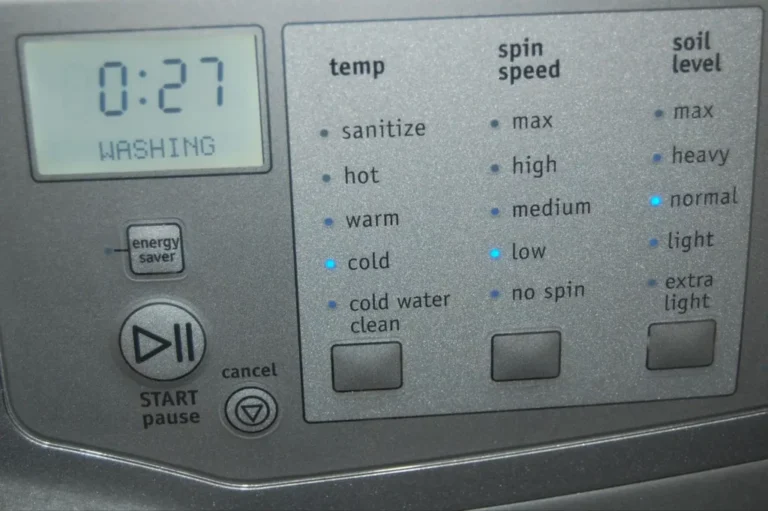
Setting your machine right is key for quilt preservation. Use cold water to keep colors bright and reduce fabric stress. Choose the delicate or gentle wash cycle to avoid harsh agitation. Slow spin speeds help prevent the batting from clumping.
Here is a simple table showing ideal machine settings for quilt washing:
| Setting | Recommended Option |
|---|---|
| Water Temperature | Cold |
| Wash Cycle | Delicate/Gentle |
| Spin Speed | Low |
| Detergent Type | Mild, liquid detergent |
Using these settings reduces wear and tear on quilts. Over time, gentle washing keeps fabric soft and colors vibrant.
Hand Wash vs Machine Wash: What’s Safer?
Hand washing is the safest method for vintage or delicate quilts. It uses less force and lets you treat stains carefully. Soaking quilts in cold water with gentle soap prevents fibers from breaking down.
Machine washing saves time but can be rough on delicate quilting fabrics. Quilts with delicate embroidery or loose stitching may unravel in the washing machine. For such quilts, hand washing or professional cleaning is best.
In summary, hand washing is the best for preservation, but machine washing with care works for many modern quilts. Choose based on your quilt’s material and condition.
Quilt Drying Methods: Keeping Your Quilt Safe
Drying quilts properly is as important as washing. Avoid high heat that may shrink or damage batting fibers. The best way is to air dry your quilt flat on a clean surface. This helps keep its shape and prevents stretching.
If you must use a dryer, select the lowest heat or air fluff setting. Adding dryer balls can help keep the batting evenly spread. Avoid over-drying, which can make the quilt stiff.
Proper quilt drying prevents mildew growth and fabric weakening. Always ensure quilts are fully dry before storing to stop mold and odors.
Removing Stains From Quilts
Treat stains on quilts gently to avoid damage. Use a mild detergent mixed with water and apply it to the stained area with a soft cloth. Avoid scrubbing harshly which can break fibers.
For tough stains, soak the quilt in cold water with a gentle stain remover safe for delicate fabrics. Test any stain remover on a small hidden area first to check colorfastness.
Early stain removal helps keep quilts looking fresh. Avoid bleach or harsh chemicals that can fade colors or weaken fabric.

Quilt Material Care and Preservation Techniques
Quilts come in many fabrics like cotton, silk, and wool. Each fabric needs special care. Cotton quilts handle machine washing better, while silk and wool quilts need hand washing or dry cleaning.
Preserving quilts includes storing them in cool dry places away from direct light. Use breathable bags instead of plastic to avoid moisture buildup. Rotate quilts regularly to prevent wear in one spot.
Here is a quick reference table for common quilt materials and their care methods:
| Fabric | Recommended Cleaning |
|---|---|
| Cotton | Machine or hand wash, cold water |
| Silk | Hand wash or dry clean |
| Wool | Hand wash or dry clean |
| Polyester | Machine wash, gentle cycle |
Follow fabric-specific instructions to keep your quilt strong and bright.
Dry Cleaning Quilts: When to Choose It
Dry cleaning is best for quilts that are old, fragile, or made from sensitive fabrics. It uses chemicals instead of water, so it avoids shrinking or dye bleeding.
If your quilt has a dry clean label or is very valuable, take it to a trusted cleaner. This method protects delicate fibers and intricate stitching. However, frequent dry cleaning is not recommended due to chemical exposure.
For occasional maintenance, dry cleaning is a safe choice to preserve quilt beauty over time.
Quilt Maintenance Guide for Long Life
Regular quilt care extends its life. Wash quilts only when needed to reduce wear. Spot clean small stains to avoid frequent full washes.
Store quilts properly by folding loosely and avoiding plastic covers. Air them out occasionally to prevent musty smells. Repair loose threads or seams early to stop damage from spreading.
Following this quilt maintenance guide helps keep your quilts cozy and attractive for years.
Conclusion
Machine washing quilts can be safe with the right steps. Use cold water, gentle cycles, and mild detergents to protect fabric and batting. For delicate or vintage quilts, hand washing or dry cleaning is better. Proper drying and stain removal are key to quilt preservation.
Understanding quilt fabric care and washing machine settings helps keep your quilts soft and bright. Remember, less frequent washing and careful handling go a long way in quilt maintenance. For more detailed laundry tips, exploring how to machine wash other delicate items like backpacks can offer useful parallels on fabric care can you machine wash North Face backpack.
With the right care, your quilt can stay a cherished part of your home for many years.
| Quilt Care Step | Key Tips |
|---|---|
| Before Washing | Check fabric and label, clean washing machine drum |
| Washing | Use cold water, delicate cycle, mild detergent |
| Stain Removal | Treat stains gently, avoid bleach |
| Drying | Air dry flat, low heat tumble dry if needed |
| Storage | Keep in dry, dark place, use breathable covers |
Frequently Asked Questions
Can all quilts be machine washed?
No, not all quilts are safe to machine wash. It depends on the fabric, batting, and age of the quilt. Always check care labels and fabric types.
What washing machine settings are best for quilts?
Use a gentle or delicate cycle with cold water and mild detergent. Avoid hot water and heavy spin cycles to prevent damage.
Is hand washing better than machine washing quilts?
Hand washing is safer for delicate or vintage quilts. Machine washing is okay for modern, sturdy quilts if done carefully.
How should I dry a quilt after washing?
Air drying flat is best to keep the quilt’s shape. Tumble drying on low heat can be done but may risk shrinking or wear.
Can dry cleaning help with quilt maintenance?
Dry cleaning is an option for quilts that are too delicate or old for water washing. It helps preserve fibers and colors.

Keith Boyd Is A Seasoned Appliance Care Expert With Over A Decade Of Experience In Home Appliance Maintenance. His Authoritative Insights On Washing Machine Care And Upkeep Are Trusted By Homeowners Nationwide. With A Passion For Educating Others, Keith Shares Valuable Tips That Ensure Your Appliances Run Smoothly For Years To Come.