Understanding Jansport Backpack Materials
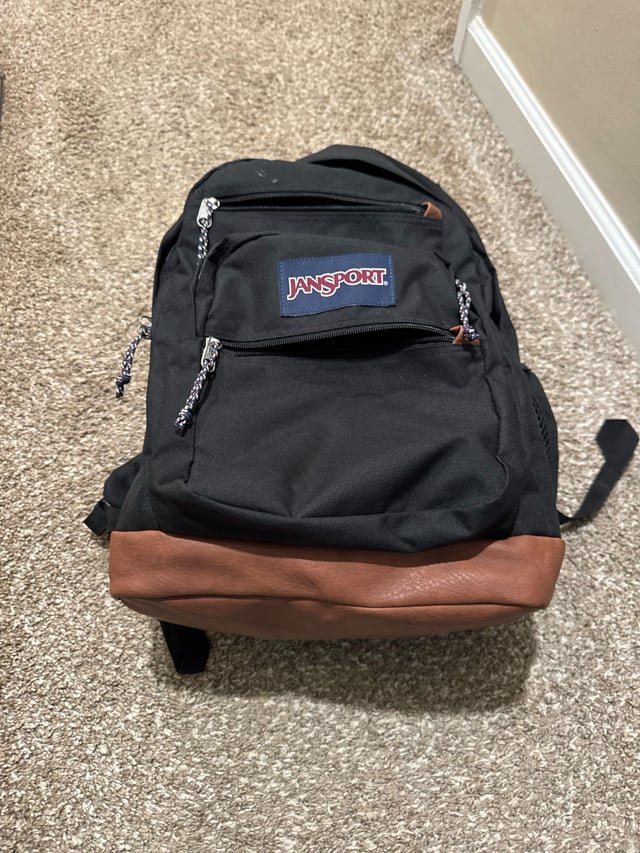
Jansport backpacks use various fabrics like polyester and nylon. These materials are durable and water-resistant. However, their care needs vary slightly. Knowing the fabric type helps choose the right cleaning method. Many Jansport backpacks come with a fabric liner that protects the inside and adds strength.
Checking the washing instructions backpack label is crucial. This label guides you on fabric care, washing temperature, and drying. Ignoring these steps may risk fabric damage or void the backpack warranty. For a deeper understanding of washing backpacks safely, resources on can you lay washing machine on its side provide excellent foundational context on washing machine handling and delicate items.
Jansport backpacks are built for durability, but improper washing can harm zippers and straps. Always consider the material before machine washing.
Machine Washing Jansport Backpacks: Pros and Cons
Machine washing is quick and handles tough stains well. It uses water and detergent to clean deep inside the fabric. However, backpacks have zippers and straps that may catch or tear during washing. This can lead to damage.
Industry consensus indicates that machine washing can cause color fading and wear on fabrics. The effects of machine washing backpacks depend on the wash cycle and water temperature used. Gentle cycles at cold temperatures reduce damage risk.
Experts suggest using mild detergents made for delicate fabrics. Avoid bleach or harsh chemicals that degrade fabric fibers. You should also protect the zippers by closing them before washing.
⚖️ Pros & Cons of Machine Washing Jansport Backpacks
- ✅ Pros: Efficient stain removal, deep cleaning, saves time
- ✅ Cons: Risk of strap damage, color fading, zipper wear
Machine washing is a good choice if you follow safe methods. It is best for backpacks labeled as machine washable backpacks. For others, hand washing may be better.
Hand Wash vs Machine Wash Backpack
Hand washing is gentler on the fabric and hardware. You control water temperature and scrub only dirty spots. This reduces wear and tear on the backpack straps and zippers.
Machine washing is faster and better for deep cleaning. But it can stress the fabric and cause damage if done wrongly. Hand washing is best for delicate backpacks or those with leather parts.
| Method | Advantages | Disadvantages |
|---|---|---|
| Hand Wash | Gentle on fabric, less risk of damage | Time-consuming, less thorough on stains |
| Machine Wash | Fast, effective stain removal | Risk of wear, color fading, zipper issues |
Choosing the right method depends on your backpack’s fabric and how dirty it is. Always check the care label before deciding.
Backpack Cleaning Tips and Stain Removal
To clean stains, use a mild detergent mixed with water. Apply the mixture gently using a soft brush or cloth. Avoid scrubbing hard, which can damage the fabric.
For tough stains, a gentle stain remover safe for synthetic fabrics works well. Test it on a small hidden spot first to check for color changes.
Removing odors requires airing out the backpack. Sprinkle baking soda inside, leave it overnight, then shake it out. This helps absorb smells without harsh chemicals.
📌 Step-by-Step Guide to Remove Stains from Jansport Backpacks
- Check the washing instructions backpack label.
- Mix mild detergent with warm water.
- Use a soft cloth or brush to dab the stain.
- Rinse with clean water carefully.
- Air dry completely before use.
These simple steps maintain the backpack’s look and extend its life.
Drying and Maintaining Jansport Backpacks
Drying Jansport backpacks properly is key to avoiding mold and fabric damage. Never use a dryer as heat can warp zippers and shrink fabric. Instead, air dry in a shaded spot with good airflow.
Keep zippers closed and straps loose to maintain shape. Avoid leaving backpacks wet for long periods. Regular cleaning and drying help prevent odors and fabric wear.
Backpack maintenance includes checking for loose threads and broken parts. Repair these early to keep the backpack functional and safe to use.
🚀 Beginner Tip: Always dry your backpack inside out to speed up drying and avoid sun damage.
Proper care ensures your Jansport backpack lasts many years, keeping it fresh and strong.
Recommended Backpack Wash Cycles and Detergents
Use the gentle or delicate wash cycle on your machine. This cycle uses slower agitation and lower spin speeds. It reduces stress on backpack fabric and hardware.
Cold water is best for washing backpacks. It prevents color fading and fabric shrinkage. Avoid hot water as it can weaken fabric fibers.
Choose mild, liquid laundry detergents free from bleach and additives. These clean without damaging synthetic materials common in Jansport backpacks.
| Wash Cycle | Water Temperature | Detergent Type |
|---|---|---|
| Gentle/Delicate | Cold | Mild liquid detergent |
Following these settings protects your backpack during machine washing.
Protecting Backpack Zippers and Straps
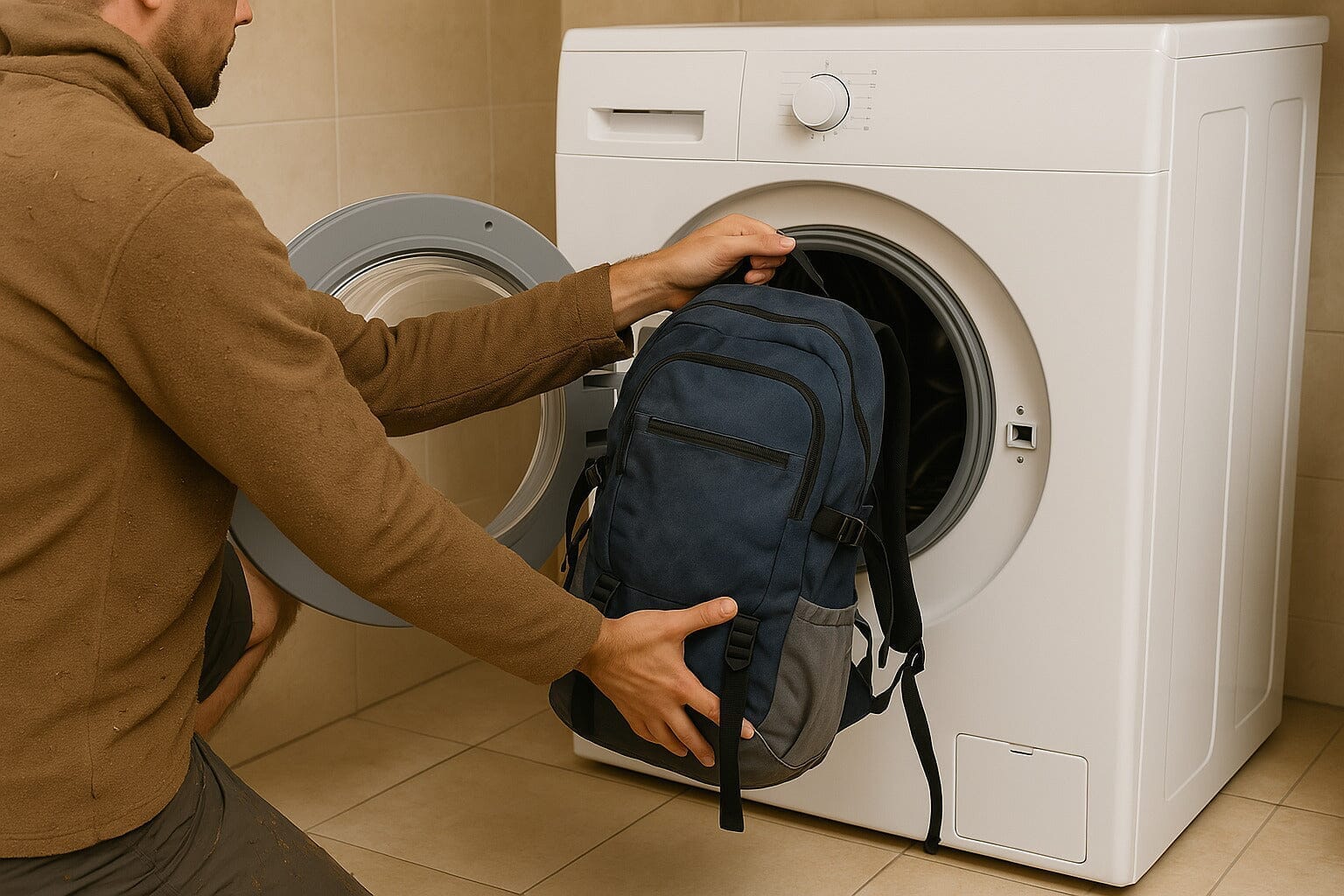
Backpack zippers and straps are vulnerable during washing. Close all zippers before washing to prevent snagging. Use a mesh laundry bag for extra protection.
Remove any detachable straps or accessories if possible. This prevents tangling and damage. Check straps regularly for wear and replace if needed to maintain safety.

Proper care of hardware extends backpack life and keeps it easy to use.
✅ Checklist for Protecting Zippers and Straps
- Close all zippers securely
- Use mesh laundry bag
- Remove detachable straps
- Inspect straps for damage
These small steps help avoid common washing machine damage.
Backpack Washing Frequency and Odor Removal
Washing frequency depends on use and environment. For daily or outdoor use, wash every 2-3 months. For light use, washing twice a year is enough.
Backpack odors come from sweat, dirt, and moisture. To remove odors, air out the backpack regularly and use baking soda inside. Machine washing helps if odors persist.
Do not overwash as frequent washing can degrade fabrics and zippers. Balance cleaning with care for best results.
| Use Case | Recommended Washing Frequency |
|---|---|
| Daily/Outdoor Use | Every 2-3 months |
| Light Use | Twice a year |
Regular maintenance keeps your Jansport backpack fresh and long-lasting.
Conclusion
Machine washing a Jansport backpack is possible if done carefully. Always check the washing instructions backpack label first. Use gentle cycles, cold water, and mild detergents to protect fabric and hardware.
Hand washing is safer for delicate fabrics and worn backpacks. Proper drying and care maintain durability and prevent damage. Protect zippers and straps by closing and using laundry bags during machine wash.
Washing frequency depends on use but avoid overwashing. Removing stains and odors with gentle methods keeps backpacks fresh longer. For more tips on backpack care and safe cleaning, exploring resources on cleaning Jansport backpacks offers detailed guidance.
Following these expert tips ensures your Jansport backpack stays clean, fresh, and durable for years to come.
Frequently Asked Questions
Is it safe to machine wash a Jansport backpack?
Machine washing a Jansport backpack can be safe if done correctly. However, always check the washing instructions on the backpack label before proceeding to avoid fabric damage or voiding the warranty.
What are the best detergents for cleaning backpacks?
Use mild laundry detergents without bleach or fabric softeners. These detergents clean well without harming the fabric or colors of the backpack.
How often should I wash my Jansport backpack?
Washing frequency depends on use, but generally, cleaning your backpack every few months or when it shows stains or odors is sufficient to maintain hygiene and durability.
What is the difference between hand washing and machine washing a backpack?
Hand washing is gentler and reduces the risk of damage to straps and zippers, while machine washing is more convenient but may cause wear if not done properly.
How should I dry my Jansport backpack after washing?
Air drying is best. Hang your backpack in a well-ventilated area away from direct sunlight to prevent color fading and fabric weakening.

Michael Peterson is a home appliance writer focused on practical washing machine care, maintenance, and troubleshooting. He shares simple, reliable tips to help readers keep their washing machines running efficiently, avoid common problems, and extend appliance life.