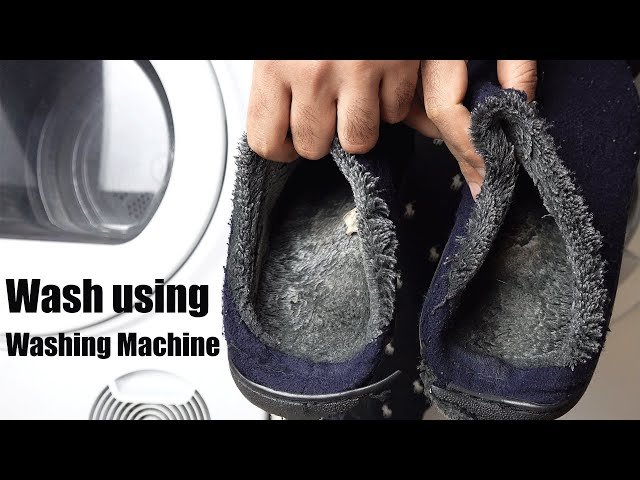
Can You Machine Wash Wool?
Wool is a soft, warm fabric made of natural fibers. Many people worry about washing wool in machines. The fear is that wool might shrink or get felted. However, modern washing machines have special settings to wash wool safely. Machine washable wool is now common in many garments. Still, some wool types need more care.
When washing wool in a machine, always check the garment’s label. It shows if the wool is machine washable or if it needs hand washing or dry cleaning. For a deeper understanding of this mechanic, analyzing resources on washing wool safely in machines provides excellent foundational context.
Knowing how to adjust your washing machine settings can save your wool clothes from damage.
Wool Washing Machine Guidelines
To wash wool fabric in a machine safely, use the following tips. First, choose the wool or delicate cycle on your washing machine. This cycle uses less agitation and a slower spin. Second, set the water temperature to cold or cool. Hot water causes wool shrinkage and felting. Third, use a detergent made for wool or delicate fabrics. Regular detergents can harm wool fibers.
Many washing machines now have a wool wash cycle setting. This setting controls temperature and movement to protect wool fibers. Place your wool garment inside a laundry net to reduce friction with other clothes. Avoid using fabric softeners as they can coat the wool fibers and reduce breathability.
Using these settings will help keep your wool garments soft and prevent damage.
For additional tips on caring for wool garments, you can reference expert advice on how to machine wash wool.
Hand Wash vs Machine Wash Wool
Hand washing wool is gentle and reduces the risk of shrinkage. It allows better control over water temperature and agitation. Use cold water and a wool detergent. Soak the wool gently, then rinse well. Avoid wringing the garment to prevent fiber damage.
Machine washing is faster and can be safe if done right. Use the wool or delicate cycle and cold water. Always use a laundry net to protect the garment. Check if the wool is labeled machine washable. If not, hand washing or dry cleaning is safer.
Both methods have pros and cons. Hand washing takes time but is safer. Machine washing saves time but needs careful settings and care.
Wool Shrinkage Prevention
Shrinkage is the biggest concern when washing wool. Wool fibers have scales that lock together when exposed to heat, water, and agitation. This causes felting and shrinkage. To prevent this, wash wool in cold water only. Use the delicate or wool cycle with gentle movement. Avoid long spin cycles or high speeds.
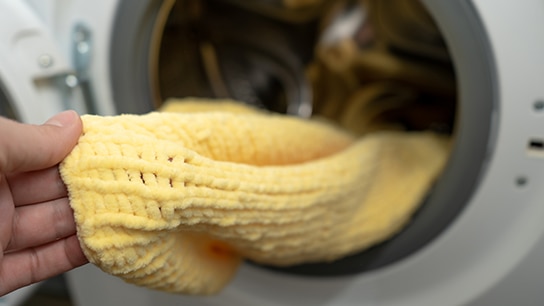
Dry wool flat on a towel, away from heat or direct sun. Never hang wet wool as it can stretch out. If tumble drying is allowed, use the lowest heat setting. Check wool care symbols on the label for drying instructions.
Taking these steps will keep your wool garments the right size and soft.
Wool Detergent Recommendations
Use detergents made for wool or delicate fabrics. These detergents have mild ingredients that clean without stripping natural oils. Avoid bleach or strong chemicals. Some brands even add lanolin to protect wool fibers.
Wool detergents also help prevent pilling and keep colors bright. Add the detergent to the machine’s detergent compartment before starting the wool cycle. Using the right detergent helps maintain your wool’s look and feel over time.
Always follow the detergent instructions for best results.
Drying Wool Garments
Drying wool correctly is key to keeping it in good shape. Air drying flat is the safest method. Lay the garment on a dry towel and reshape it while damp. Avoid hanging because wet wool can stretch and lose shape.
If you must use a dryer, select the wool or low heat tumble dry setting. High heat can shrink and damage wool fibers. Check the wool dryer instructions on your garment label. Some wool is machine washable but not dryer safe.
Patience is important when drying wool. Rushing with heat can ruin your favorite wool sweater.
Wool Fabric Types and Care
Wool comes in many types. Common ones include merino, lambswool, cashmere, and blended wool fabrics. Machine washable wool often has a special finish to prevent shrinkage. This finish allows safer machine washing but still needs gentle care.
Delicate wool types like cashmere or fine merino usually require hand washing or dry cleaning. Blended wool with synthetic fibers can be more durable and machine washable. Always check the care label for fabric type and washing advice.
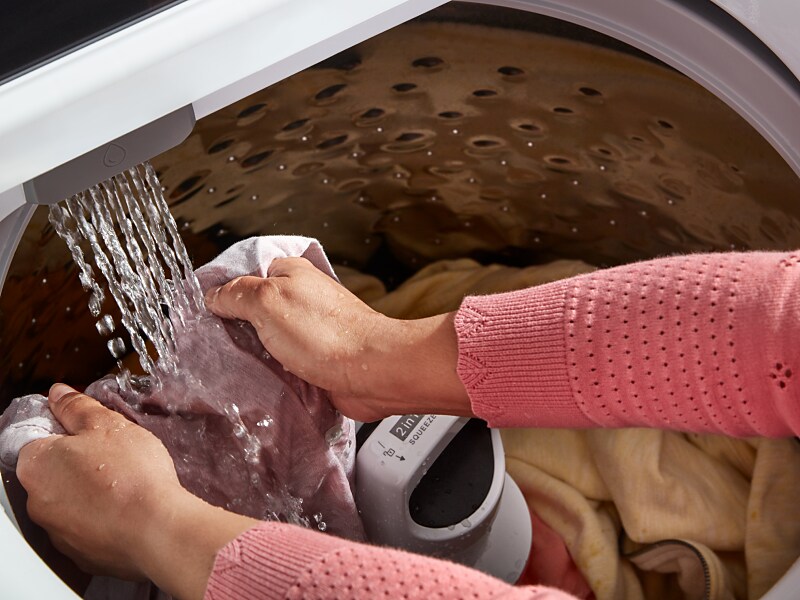
Understanding your wool fabric helps you choose the best washing method.
Wool Care Symbols and Meaning
Wool garments have care symbols that guide washing and drying. Look for these common wool care symbols on labels:
- ✅ Machine wash symbol with a hand: Hand wash only.
- ✅ Machine wash symbol with a tub and a line under it: Use delicate or wool cycle.
- ✅ Temperature dots: One dot means cold water, two dots warm, three dots hot (avoid hot for wool).
- ✅ Triangle with a cross: Do not bleach.
- ✅ Square with a circle and a dot: Tumble dry low heat allowed.
- ✅ Iron symbol with dots: Iron on low heat if needed.
Following these symbols helps maintain your wool’s quality. When in doubt, err on the side of gentler care.
Understanding wool care symbols complements your knowledge of wool washing machine guidelines.
Best Practices for Machine Washing Wool
Follow these steps for machine washing wool safely:
- Check the garment for a machine washable label.
- Use a laundry net to protect the wool from friction.
- Select the wool or delicate cycle on your washing machine.
- Set water temperature to cold or cool only.
- Use a wool-specific detergent.
- Avoid fabric softener and bleach.
- Use a low spin speed or skip spin if possible.
- Remove the garment promptly after the cycle ends.
- Dry flat on a towel away from direct heat or sun.
These steps help prevent wool felting causes and keep your garment looking new. If you’re curious about machine features, check out the can you put carpet washing machine guide for insights on machine types that handle delicate items well.
Wool Washing Tips Summary
Here is a quick reference table for washing wool safely:
| Step | Tip | Reason |
|---|---|---|
| Check Label | Follow garment instructions | Prevents damage |
| Cycle | Use wool or delicate | Gentle on fibers |
| Water Temp | Cold or cool only | Stops shrinkage |
| Detergent | Wool-specific | Protects fibers |
| Spin | Low speed or skip | Reduces felting |
| Drying | Air dry flat | Prevents stretching |
Following these tips is crucial for wool garment care in 2026. Advances in washer tech help, but wool remains a delicate fabric.

Machine Washable Wool vs Traditional Wool
Machine washable wool is treated to resist shrinkage and felting. Traditional wool lacks this treatment and is more fragile. Knowing the difference helps you pick the right washing method.
The table below compares these two types:
| Feature | Machine Washable Wool | Traditional Wool |
|---|---|---|
| Care Label | Machine washable symbol | Hand wash or dry clean only |
| Fiber Treatment | Anti-shrink finish | No treatment |
| Washing Method | Machine or hand wash | Hand wash or dry clean |
| Shrinkage Risk | Low if washed correctly | High |
| Durability | Good for everyday use | More delicate |
This comparison helps you decide how to wash your wool garment safely. If unsure, hand washing is always a safe choice.
Wool Drying Methods Comparison
Drying wool properly is as important as washing. Here is a quick comparison of drying methods:
| Method | Pros | Cons |
|---|---|---|
| Air Dry Flat | Preserves shape, no heat damage | Takes longer |
| Tumble Dry Low | Faster drying | Risk of shrinkage if not careful |
| Hang Dry | Easy | Can stretch wet wool |
Use this guide to pick the best drying method for your wool clothes. Most experts recommend air drying flat for best results.
For more on washing machine use, see the tips on machine wash wool best practices.
Conclusion
In 2026, washing wool in a machine is possible and safe if done correctly. Use the wool or delicate cycle, cold water, and a wool detergent. Always check garment labels and use a laundry net. Hand washing remains the safest for delicate wool types.
Prevent shrinkage and felting by avoiding heat and harsh agitation. Dry wool flat and avoid hanging wet items. Knowing wool care symbols helps you follow the best steps.
Machine washable wool gives you more freedom but treat your wool with care to keep it soft and lasting. Wool garment care is easier today thanks to better machines and detergents, making wool a durable choice for your wardrobe.
For a deeper dive into washing wool in machines, explore detailed discussions on washing wool sweaters in machines.
Frequently Asked Questions
Can all wool fabrics be machine washed?
Not all wool fabrics are safe for machine washing. Some wool types like fine merino or cashmere need hand washing or dry cleaning. Always check the garment’s care label.
What washing machine settings are best for wool?
Use a delicate or wool cycle with cold water and minimal spin to protect wool fibers and prevent shrinkage.
Does machine washing wool cause felting?
Felting can happen if wool is washed too hot or agitated too much. Using a gentle cycle and cold water helps avoid felting.
Is it better to hand wash or machine wash wool garments?
Hand washing is gentler but modern machines with wool cycles can safely wash wool. Choose based on the garment’s label and your machine’s features.
How should wool garments be dried after washing?
Air drying flat is best for wool. Avoid tumble drying unless the care label says tumble dry low.

Michael Peterson is a home appliance writer focused on practical washing machine care, maintenance, and troubleshooting. He shares simple, reliable tips to help readers keep their washing machines running efficiently, avoid common problems, and extend appliance life.