Introduction to Drum Washing Machines
A drum washing machine is a common laundry appliance in homes today. It uses a drum or tub to hold clothes while washing. Clothes are cleaned by the drum’s rotation and water flow inside it. This design differs from older agitator washing machines that use a center post to move clothes.
Understanding the drum’s role is key to knowing how these machines clean fabrics gently yet well. For a deeper understanding of this mechanic, analyzing resources on washing machine drums provides excellent foundational context.
Modern drum washers come in two main styles: front load and top load. Each uses different mechanisms but shares the rotating drum feature that defines this machine type.
What Is a Drum Washing Machine?
A drum washing machine uses a hollow drum that spins to wash clothes. Water and detergent enter this drum during washing. The drum rotates to tumble clothes, letting water clean them without harsh agitation. This process reduces fabric damage compared to agitator machines.
Drum machines often have a front loading mechanism or a top loading mechanism. Both types use drum rotation but differ in how clothes are loaded and washed. The drum design allows efficient washing cycles and spin speeds, improving cleaning quality and drying time.
History and Evolution of Drum Washers
Drum washing machines evolved from early manual and agitator washers. In the 20th century, front load drum washers gained popularity for their energy and water savings. Over time, top load drum washers improved with better drum design and motors.
Today’s drum washers feature stainless steel drums and inverter motors that boost efficiency. They also have smart controls and self-cleaning cycles. These advances make drum washers more user-friendly and eco-friendly in 2026.
Types of Drum Washing Machines
Front Load Drum Washers
Key Features of Front Load Machines
Front load drum washers have a horizontal drum and a door on the front. Clothes are loaded through this door. The drum rotates on a horizontal axis, tumbling clothes gently. This design uses less water and energy.
Front loaders often include advanced drum balancing systems and vibration control. These features reduce noise and wear. They also have inverter motors that adjust drum rotation speed for each cycle.
Pros and Cons of Front Loaders
Front load machines save water and energy, making them eco-friendly. They clean clothes well and protect fabric better. However, they tend to cost more upfront and have longer wash cycles.
Cleaning the drum and door seal regularly is important to prevent mold. Also, front loaders usually require bending to load and unload, which some may find less convenient.
- ✅ • Uses less water and energy
- ✅ • Gentle on clothes
- ✅ • Quieter operation with vibration control
- ✅ • Higher upfront cost
- ✅ • Longer wash cycles
- ✅ • Requires regular drum maintenance
Top Load Drum Washers
Characteristics of Top Load Machines
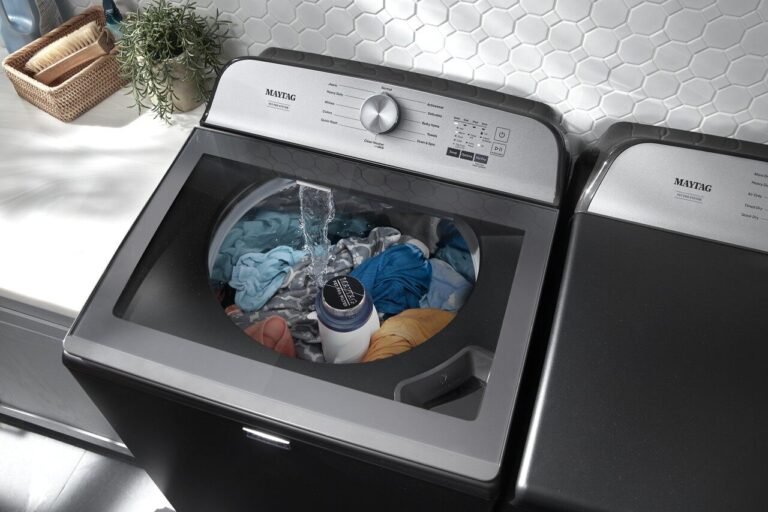
Top load drum washers have a vertical drum with a lid on top. Clothes are loaded from above. The drum rotates vertically, moving clothes through water. Some models use an agitator or impeller inside the drum.
These machines often have faster wash cycles and are easier to load. They can use more water than front loaders but newer high-efficiency models reduce this significantly.
Advantages and Disadvantages
Top load drum washers are usually less expensive and simpler to use. Their shorter cycles save time. However, they can be rougher on clothes if an agitator is present. They may also use more water and energy than front loaders.
Maintenance is easier since the drum is more accessible. But some users find them noisier and prone to vibration without good balancing systems.
- • Easier to load and unload
- • Usually lower cost
- • Faster wash cycles
- • Uses more water (in some models)
- • Can be rougher on fabrics with agitator
- • Potential for more noise and vibration
Components of Drum Washing Machines
Drum Materials
Stainless Steel vs Plastic Drums
Most drum washing machines use either stainless steel or plastic drums. Stainless steel drums are strong and resist rust. They handle high spin speeds well and last longer.
Plastic drums are lighter and often cheaper. But plastic may wear down or crack over time. For lasting performance, stainless steel drums are the top choice in 2026.
Drum Rotation Mechanism
The drum rotates during wash and spin cycles. Rotation speed varies by cycle type and fabric needs. Front load washers tumble clothes gently by rotating slower during wash and faster during spin.
Top load washers may use agitators or pulsators inside the drum to move clothes. Drum rotation is powered by motors connected through belts or direct drives. Proper rotation ensures good cleaning and less fabric damage.
Motor Types and Their Effects
Modern drum washers use inverter motors for smooth control. These motors adjust speed and torque based on load size and cycle. Inverter motors improve energy efficiency and reduce noise.
Older models use belt-driven motors that can wear out faster. Direct drive motors offer fewer parts and less vibration. Motor type affects drum rotation efficiency and machine lifespan.
How Drum Washing Machines Work
Washing and Spinning Cycles
Drum washers clean clothes by tumbling them in water with detergent. The drum rotates at a low speed during wash to mix clothes and soap. Then, it spins faster to remove water from clothes.
Spin cycle speeds vary, with higher speeds leading to drier clothes but more vibration. Drum balancing systems keep spinning smooth and quiet. Different washing cycles target fabric type and soil levels.
Water and Energy Usage
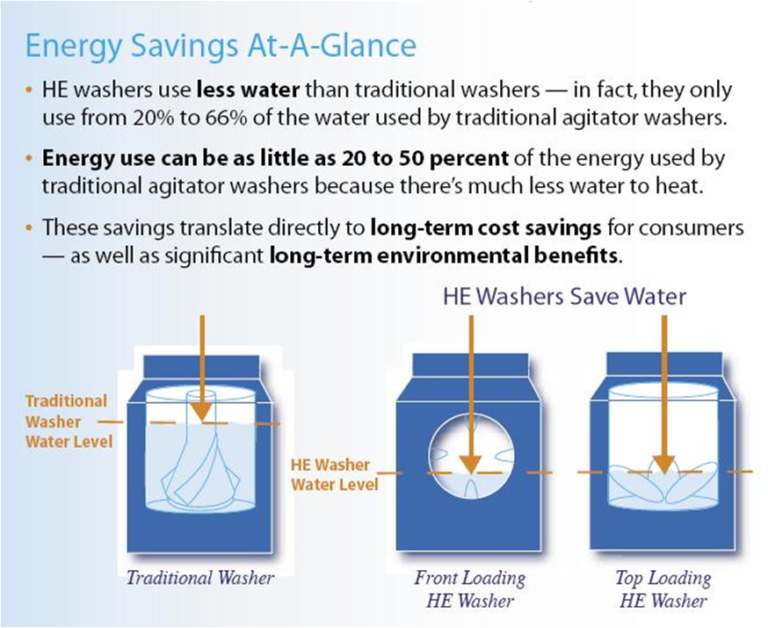
Front load drum washers are known for low water use. They fill the drum partially and rely on tumbling. Top load drum washers traditionally use more water but high-efficiency models reduce this.
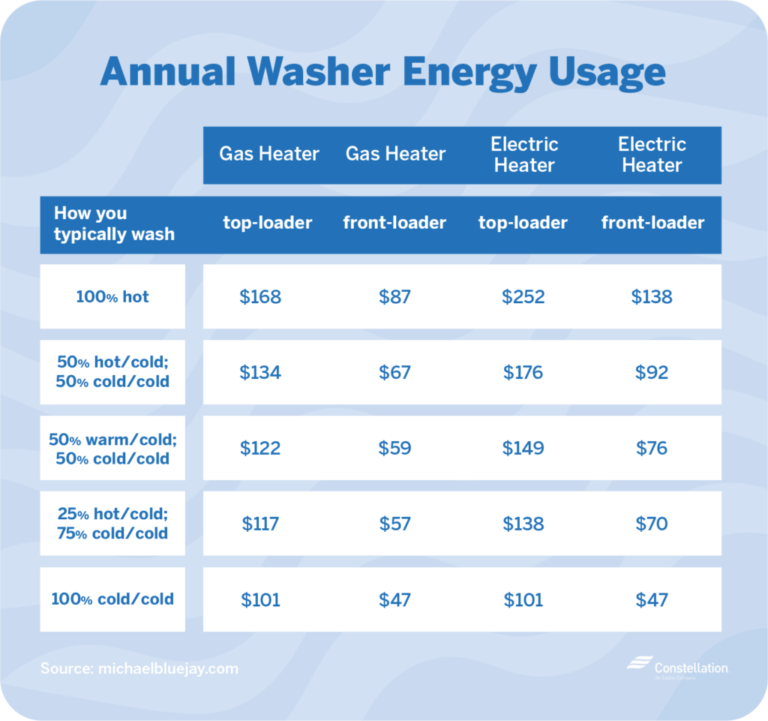
Energy use depends on motor efficiency, cycle length, and water heating. Many washers now have energy efficiency ratings that help buyers choose eco-friendly options.
Detergent Dispensing Process
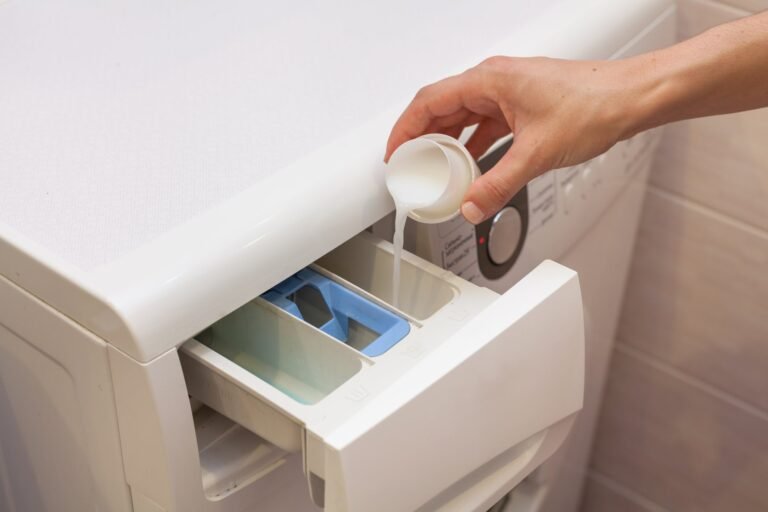
Most drum washers have detergent dispensers that release soap at the right time. Some models use smart dispensers that adjust detergent amount based on load size. Proper detergent use boosts wash quality and protects the drum.
Using the right detergent for front load or high-efficiency washers is important. Overuse can cause buildup inside the drum and lead to odor issues.
Benefits of Using Drum Washing Machines
Energy and Water Efficiency
Drum washing machines save water and energy compared to traditional agitator washers. Their tumbling wash action needs less water to soak clothes. Inverter motors and sensors optimize energy use.
These efficiencies lower utility bills and reduce environmental impact. High efficiency drum washers are now standard in many homes.
Fabric Care and Cleaning Performance
The gentle tumbling action protects fabrics better than agitator washers. Drum washers clean deeply while reducing wear on clothes. They offer multiple wash cycles to suit delicate or heavy fabrics.

Spin cycles remove more water, cutting drying time. This helps clothes last longer and stay fresh.
Noise and Vibration Control
New drum washing machines include drum balancing systems and vibration dampers. These reduce noise, especially during high-speed spin cycles. Some models have soundproofing features for quiet laundry rooms.
Inverter motors also cut noise by running smoothly without sudden speed changes. This makes drum washers ideal for homes where noise matters.
Maintenance and Troubleshooting
Common Drum Washing Machine Issues
Users may face drum noise issues, unbalanced spinning, or water leaks. These often come from worn pawl bearings or clogged filters. Drum rotation problems can signal motor or belt issues.
Regular inspections help catch problems early. Many washers show error codes to guide troubleshooting. Knowing how to balance laundry load and clean filters reduces faults.
Cleaning and Upkeep Tips
Clean the drum regularly using self-cleaning cycles or mild vinegar solutions. Remove detergent buildup from dispensers and door seals. Check for mold or rust, especially on plastic parts.
Keeping the drum dry between cycles prevents odors. Also, follow manufacturer guides for drum maintenance and replacement parts.
When to Repair or Replace
If a drum washing machine has frequent breakdowns or high repair costs, replacement may be best. New machines often have better drum design and energy ratings.
Consider upgrading if drum noise or vibration worsens despite maintenance. Choosing a model with improved drum technology ensures long-term satisfaction.
Choosing the Right Drum Washing Machine
Capacity Considerations
Washing machine drum capacity is key for your laundry needs. Small families may need 7-8 kg drums, while larger households require 10 kg or more. Choosing the right drum capacity saves energy and water.
Overloading a drum reduces cleaning and stresses the motor. For guidance on drum sizes, see this helpful drum capacity video.
Technology and Feature Options
Look for washers with inverter motors, smart sensors, and vibration control. Features like self-cleaning cycles and Wi-Fi connectivity add convenience. Detergent dispensers that adjust doses help avoid buildup.
Some models include steam wash for better fabric care and stain removal. The choice depends on your budget and laundry habits.
Budget and Brand Comparisons
Prices vary by drum material, motor type, and features. Stainless steel drums and inverter motors usually add cost but improve lifespan. Trusted brands offer warranty and service support.
Industry consensus indicates brands with proven drum technology provide better value. For insights on brand quality, reading reviews on Maytag washer quality can be helpful.
Future Trends in Drum Washing Machines
Smart and IoT-Enabled Washers
By 2026, smart drum washers with IoT features are common. These machines connect to apps for remote control and cycle monitoring. They alert users when maintenance is needed, improving drum lifespan.
Smart washers optimize water and energy use by learning laundry patterns. This tech makes washing easier and more eco-friendly.
Sustainable and Eco-Friendly Models
Manufacturers focus on reducing water consumption and using recycled materials. Stainless steel drums now often use recycled steel. New drum designs reduce friction and energy use.
Energy efficiency ratings guide buyers toward greener choices. Many models include biodegradable detergent systems and low-noise motors.
| Feature | Front Load Drum Washer | Top Load Drum Washer |
|---|---|---|
| Drum Orientation | Horizontal | Vertical |
| Water Usage | Low | Moderate to High (varies) |
| Energy Efficiency | High | Moderate |
| Wash Cycle Time | Longer | Shorter |
| Fabric Care | Gentle | Varies (agitator vs impeller) |
Choosing the right drum washing machine depends on your needs. Front load washers suit those seeking efficiency and fabric care. Top load washers appeal to users wanting quick cycles and easy loading.
Both types benefit from advances in drum design, motor technology, and smart features. Proper maintenance extends drum lifespan and keeps washing machines running smoothly.
| Drum Material | Advantages | Disadvantages |
|---|---|---|
| Stainless Steel | Durable, rust-resistant, high spin speed | Higher cost |
| Plastic | Lightweight, lower cost | Less durable, prone to wear |
Regular maintenance includes drum cleaning and checking seals. Following how to clean my Samsung washing machine guides helps keep drums fresh and odor-free.
Understanding drum washing machine technology leads to better choices and care. This knowledge supports efficient, lasting laundry solutions in 2026 and beyond.
| Maintenance Task | Frequency | Notes |
|---|---|---|
| Drum Cleaning | Monthly | Use self-cleaning cycle or vinegar solution |
| Check Bearings and Seals | Annually | Look for noise or leaks |
| Filter Cleaning | Every 3 months | Prevents clogging and odors |
In conclusion, drum washing machines offer a blend of efficiency, care, and evolving technology. Whether choosing a front load or top load model, knowing drum types and maintenance helps maximize value. Embracing smart and eco-friendly options keeps laundry simple and green in 2026.
For more on washing machine drum technology and care, visit our detailed guides on front loader washing machine cleaning and top loader washer maintenance.
Happy washing!
Frequently Asked Questions
What is the main difference between front load and top load drum washers?
Front load drum washers have a horizontal drum and a front door, while top load drum washers have a vertical drum with a top door. This leads to differences in water usage, efficiency, and washing action.
Why are stainless steel drums preferred over plastic drums?
Stainless steel drums last longer, resist rust, and handle higher spin speeds. Plastic drums are lighter and cheaper but may wear out faster.
How does a drum washing machine save water and energy?
Drum washing machines use a tumbling action to clean clothes, which needs less water. Many use inverter motors and smart sensors for efficient cycles, reducing energy use.
What are common maintenance tips for drum washing machines?
Regularly clean the drum using self-cleaning cycles, check for noise or vibration issues, and inspect seals and filters to keep the washer in good shape.
Are smart, IoT-enabled drum washers worth investing in?
Yes, smart washers offer remote control, cycle customization, and maintenance alerts, making laundry easier and more efficient in 2026.

Michael Peterson is a home appliance writer focused on practical washing machine care, maintenance, and troubleshooting. He shares simple, reliable tips to help readers keep their washing machines running efficiently, avoid common problems, and extend appliance life.