Introduction to Adding Vinegar in Washing Machines 🚀
Using vinegar in your washing machine is a popular laundry hack in 2026. It helps soften fabrics, remove odors. And clean the machine itself. But where exactly do you put vinegar in the washing machine? Understanding the right place and time for adding vinegar ensures you get the best results for your laundry and machine maintenance.
Industry consensus indicates that adding vinegar properly can extend your machine’s life. For a deeper understanding of this mechanic, analyzing resources on using vinegar in laundry provides excellent foundational context. This article explores the best spots and tips for vinegar use in washers.
Vinegar and Washing Machine Compartments
Most washing machines have separate compartments for detergent, bleach. And fabric softener. The fabric softener compartment is the best place to add white vinegar. This spot releases vinegar during the rinse cycle. This softens clothes and reduces odors.
Adding vinegar directly to the detergent drawer is possible but less ideal. Vinegar mixed with detergent can reduce detergent effectiveness because of chemical reactions. Avoid putting vinegar in the bleach compartment because it can cause unwanted reactions and damage.
Some newer washing machine models have a special vinegar compartment or a designated spot in the detergent drawer. Always check your washing machine manual for calibration settings and vinegar compatibility to prevent damage.
Best Way to Put Vinegar in Washer 📌 Step-by-Step Guide
Follow these steps to add vinegar correctly using the fabric softener compartment:
- Measure about half to one cup of white vinegar, depending on load size.
- Pour the vinegar into the fabric softener compartment or designated vinegar slot.
- Set your washing machine to a normal or delicate rinse cycle.
- Start the washing cycle. The vinegar will release during the rinse phase.
If your machine lacks a fabric softener slot, add vinegar manually during the rinse cycle pause. This ensures the vinegar works as a rinse aid, softening and deodorizing fabrics.
Using Vinegar to Clean Washing Machines
Vinegar is excellent for cleaning washing machines. It removes mold, mildew. And soap scum from the drum and detergent drawer. Most experts recommend running a hot water cycle with two cups of white vinegar in the detergent drawer or drum every month.
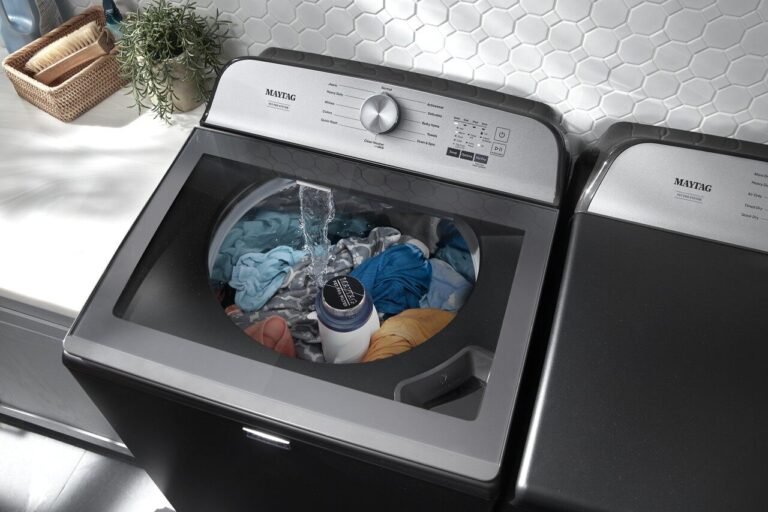
This vinegar cycle helps maintain laundry hygiene and prevents bad odors. For top loaders, adding vinegar directly to the drum works well. For front loaders, use the detergent drawer vinegar slot for even distribution.

Keep in mind that repeated vinegar use is safe but avoid overuse, as high acidity can harm rubber seals over time. Complement vinegar cleaning with occasional commercial washing machine cleaners for balance.
Vinegar vs Commercial Fabric Softener ⚖️ Pros & Cons
Using vinegar as a fabric softener has gained wide acceptance. Here is a clear comparison:
| Aspect | White Vinegar | Commercial Fabric Softener |
|---|---|---|
| Softening Effect | Softens naturally without residue | Softens but may leave build-up |
| Odor Removal | Neutralizes odors effectively | Masks odors with fragrance |
| Environmental Impact | Eco-friendly and biodegradable | Contains chemicals, less eco-friendly |
| Cost | Low cost, widely available | Higher cost, brand-dependent |
| Machine Safety | Safe in moderation for most machines | Safe if used as directed |
Vinegar is a smart choice for those wanting natural fabric care. However, commercial softeners offer fragrances and additional fabric care features.
Laundry Vinegar Usage Tips 🚀 Beginner Tip Boxes
Here are some quick tips for using vinegar in laundry:
- ✅ Use white vinegar only. other types can stain.
- ✅ Do not mix vinegar with bleach or ammonia.
- ✅ Test vinegar on delicate fabrics first.
- ✅ Use vinegar during rinse cycles to avoid detergent interference.
- ✅ Add essential oils to vinegar for a fresh scent.
Following these tips ensures safe and effective vinegar use in your laundry routine.
Vinegar for Mold and Odor Removal in Washing Machines
Mold and mildew build-up inside washing machines cause bad smells and stains on clothes. Vinegar’s acidity breaks down mold and bacteria. Add two cups of white vinegar to the detergent drawer and run a hot wash cycle monthly to prevent mold growth.
Cleaning the washing machine drum and detergent drawer with vinegar keeps your machine fresh. This practice supports overall washing machine maintenance vinegar experts recommend regularly.
For stubborn mold, soak a cloth in vinegar and wipe rubber seals and door gaskets. This spot cleaning is effective for front loaders.
:max_bytes(150000):strip_icc()/SPR-top-uses-for-vinegar-in-laundry-2147286-new-c3b7c79fafea440c8008c72efca5e32d.jpg "Top 11 Reasons to Use Vinegar in Laundry and Its Benefits (Figure)")
Dishwasher vs Washing Machine Vinegar Use 🆚 Comparison Table
Some wonder if vinegar use differs between dishwashers and washing machines. The main points are:
| Feature | Dishwasher Vinegar Use | Washing Machine Vinegar Use |
|---|---|---|
| Purpose | Remove limescale and spots | Clean mold, soften fabrics, remove odors |
| Placement | Bottom of dishwasher or detergent slot | Fabric softener compartment or drum |
| Caution | Avoid damage to rubber seals | Use moderate amounts to protect seals |
| Frequency | Monthly cleaning cycles | Monthly or as needed for maintenance |
Both machines benefit from vinegar but require different application methods. Avoid mixing vinegar with bleach in either appliance.
Related Reading
For more on maintaining your washer, see our guide on how to clean washing machine with vinegar. If you want to keep your bras in top shape, check how to machine wash bras. Also, learn about keeping your washer fresh in how to clean smelly laundry machine.
Conclusion: Mastering Vinegar Use in Your Washing Machine ✅
Knowing where to put vinegar in your washing machine is key for effective laundry care. The fabric softener compartment is the safest and most effective place to add vinegar during the rinse cycle. This method softens fabrics, removes odors. And helps maintain machine hygiene.
Using vinegar also supports mold removal and extends your washing machine’s life when used correctly. Always follow usage tips and avoid mixing vinegar with harsh chemicals.
By embracing vinegar as a natural laundry additive, you save money and promote a cleaner, fresher wash in 2026. Remember to check your washing machine model’s guidelines to ensure vinegar safety and optimal results.
Frequently Asked Questions
Can I put vinegar in the fabric softener compartment?
Yes, white vinegar can be safely added to the fabric softener compartment as a natural softener and rinse aid during the rinse cycle.
Is vinegar safe for all washing machine models?
White vinegar is generally safe for most washing machines, including front and top loaders, but it should be used in moderation to avoid damage.
How does vinegar help with mold in washing machines?
Vinegar helps remove mold and mildew by breaking down buildup and disinfecting the washing machine drum and detergent drawer.
Can I use vinegar instead of commercial fabric softener?
Yes, vinegar is a natural alternative that softens fabrics without leaving residues common in commercial softeners.
What is the best way to add vinegar to a washing machine?
The best way is to add white vinegar to the fabric softener compartment or during the rinse cycle, ensuring it is diluted and evenly distributed.

Michael Peterson is a home appliance writer focused on practical washing machine care, maintenance, and troubleshooting. He shares simple, reliable tips to help readers keep their washing machines running efficiently, avoid common problems, and extend appliance life.