Introduction to Portable Washing Machines
Portable washing machines are small, handy devices designed for easy use in limited spaces. They work much like full-size washers but with compact features. These machines are ideal for apartments, RVs, or places without dedicated laundry rooms. Understanding the portable washing machine mechanism helps users get the best results and care for their machine properly.
For those curious about the electrical needs of washers, examining questions like does a washing machine need a dedicated circuit reveals important safety and installation considerations.
How Portable Washing Machines Work
At the heart of a portable washer is its motor. This powers the drum or agitator. The washing machine motor types used are mainly electric motors that turn the drum to wash clothes. Some models use an agitator, a central post with fins, to move clothes and water. Others use an impeller, a low-profile disc that creates centrifugal force to clean clothes gently.
Water enters the machine through a water inlet valve, filling the wash tub to the needed level. Sensors like the water level sensor help adjust the water amount based on load size. The control panel lets users set the wash cycle, wash time. And spin speed. The detergent dispenser releases soap at the right time to clean clothes effectively.
After washing, the pump moves dirty water out through the drainage system using a drain hose. Then, the spin cycle uses high speed to squeeze water from clothes, reducing drying time. The spin cycle’s efficiency depends on the motor’s power and the drum’s design.
Key Features of Compact Washing Machines
Compact washers have unique features aimed at saving space and energy. Their size dimensions are smaller. This limits load capacity but makes them easy to move. Most portable washers have load capacities between 5 and 10 pounds, enough for small loads. Their power consumption, or energy use, is also lower than full-size models.
Many portable washers now include vibration reduction technology to reduce noise and shaking. This makes them suitable for quiet environments. User interfaces are simple, often with manual control knobs or basic digital displays to keep operation easy.
Installation is straightforward, usually requiring connection to a faucet and a drain. Some models come with special hoses and adapters for quick setup. Maintenance tips include regularly cleaning the detergent dispenser and drain hose to avoid clogs and odors.
For a deeper understanding of this mechanic, analyzing resources on how to use a portable washing machine provides excellent foundational context.
Motor Types and Energy Efficiency
Portable washing machines mainly use two motor types: brushed and brushless electric motors. Brushless motors are more efficient and quieter due to fewer moving parts. They also reduce energy consumption, helping portable washers meet energy-saving goals.
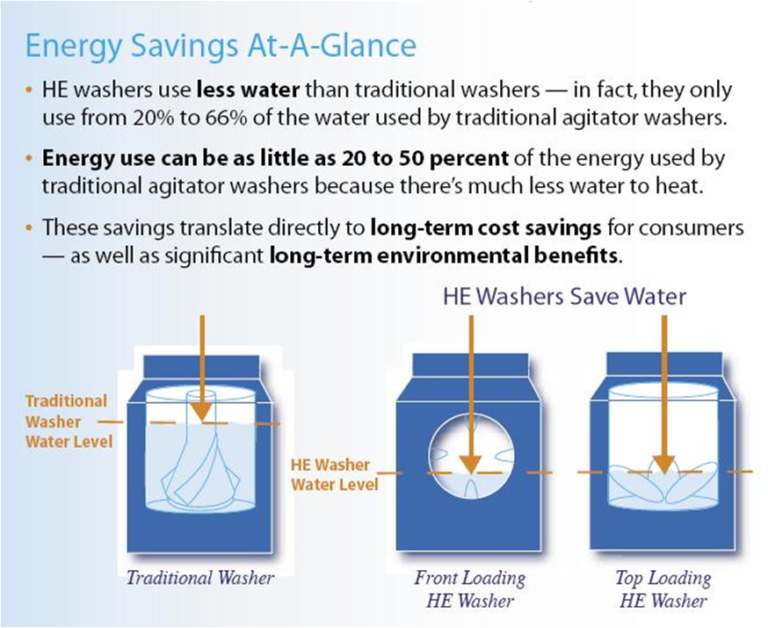
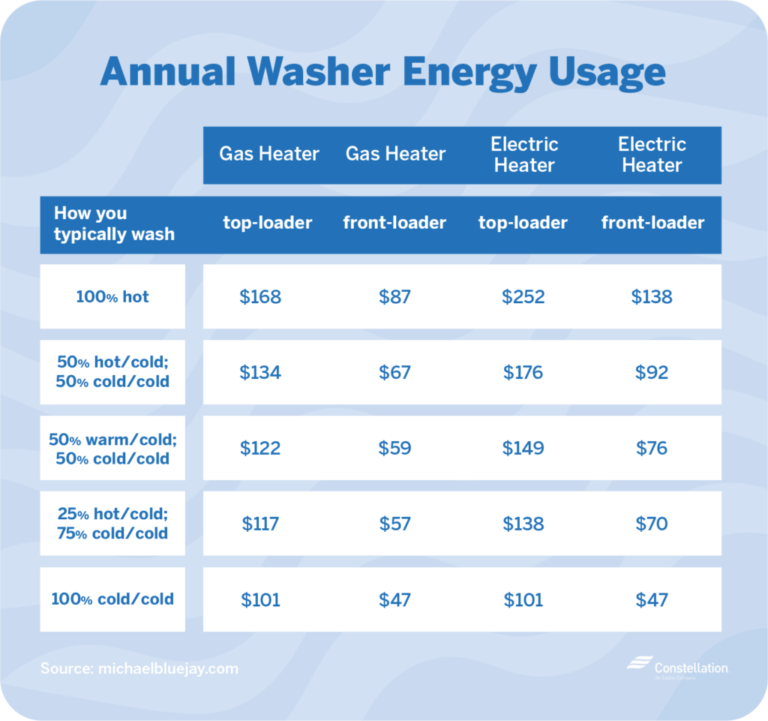
Energy efficiency is a priority for many users. Portable washers consume less power and water thanks to smaller wash tubs and precise water sensors. This combination lowers operating costs and environmental impact compared to larger machines.
| Motor Type | Energy Use | Noise Level | Durability |
|---|---|---|---|
| Brushed Motor | Moderate | Moderate | Average |
| Brushless Motor | Low | Low | High |
Choosing a portable washer with a brushless motor can improve both energy efficiency and noise levels. This is especially important in small living spaces.
Manual vs Electric Portable Washers
Manual portable washers use hand-powered mechanisms to agitate clothes. They are simple, use no electricity. And are great for off-grid use. However, they require physical effort and take longer to clean clothes.
Electric portable washers automate the washing and spinning process. They include electric motors, control panels. And automated water valves. These machines offer quick and thorough washing but need electricity and careful setup.
| Feature | Manual Washer | Electric Washer |
|---|---|---|
| Power Source | No electricity | Electric motor |
| Ease of Use | Harder, manual effort | Easy, automated |
| Wash Time | Longer | Shorter |
| Noise Level | Low | Moderate |
Electric models are more popular today due to convenience. However, manual washers remain useful for travel or emergencies.
Water and Detergent Usage
Portable washers use less water than traditional machines. The water inlet valve controls water flow, guided by sensors to avoid waste. Users should add detergent carefully to avoid excess suds that can clog the drainage system.
Detergent dispensers in many portable washers release soap at the right time in the wash cycle. This precise timing helps clean clothes well while protecting the machine from residue build-up.
Using the right amount of detergent also reduces cleaning needs and extends the machine’s life. Compact washers often suggest detergent amounts based on load capacity and soil level.
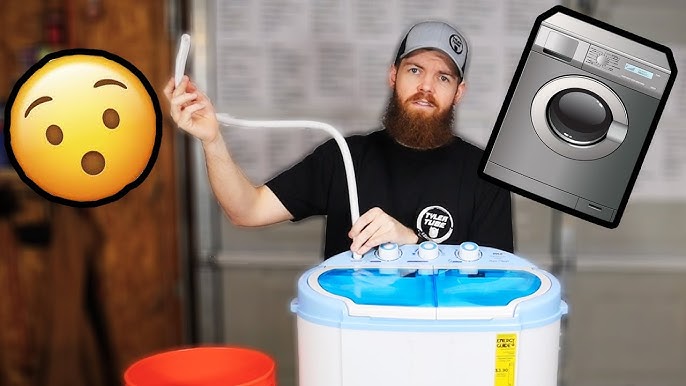
Installation Process and Maintenance Tips
Setting up a portable washer involves connecting the water inlet to a faucet and placing the drain hose near a sink or floor drain. Most models include clear setup instructions. The process is simple and requires no special tools.
Maintenance includes cleaning the detergent dispenser and water inlet valve regularly. This prevents clogs and mold growth. Checking the drain hose and pump helps avoid water leaks. Users should also balance loads to reduce vibration and noise.
Proper upkeep extends the washer’s life and maintains energy efficiency. Regular cleaning also keeps clothes fresh and free from odor.
Vibration Control, Noise Levels. And Materials Used
Portable washers use materials like ABS plastic and stainless steel for the wash tub and outer shell. These materials are light but strong, helping reduce the overall weight. Vibration control pads and balanced drums minimize shaking during spin cycles.
Noise levels vary but modern portable washers focus on quiet operation. Brushless motors and vibration reduction materials play key roles. This makes them suitable for apartments and shared spaces where noise is a concern.
| Material | Purpose | Benefit |
|---|---|---|
| ABS Plastic | Outer shell | Lightweight, durable |
| Stainless Steel | Wash tub | Corrosion-resistant |
| Vibration Pads | Base support | Reduces noise, shaking |
Choosing a washer with quality materials ensures durability and smooth operation over time.
User Interface and Spin Cycles
Most portable washers have simple control panels with timers, cycle selectors. And manual settings. Some advanced models feature digital displays and adjustable spin speeds. Spin cycles use centrifugal force to remove water efficiently.
Users can often choose spin speeds to match fabric type. Higher speeds reduce drying time but may increase noise and vibration. Lower speeds are gentler on clothes but leave them wetter.
Compact washer user interfaces aim for ease and clarity, making laundry tasks quick and stress-free. This is key in small, busy homes.
Conclusion
Portable washing machines are smart, space-saving solutions for modern living. They use electric motors, sensors. And compact designs to clean clothes effectively while saving water and energy. Understanding the portable washer setup instructions and maintenance tips keeps these machines running well.
Choosing between manual and electric models depends on needs like power access and wash load. With advances in motor technology and materials, portable washers in 2026 offer quiet, efficient. And easy laundry care.
For those looking to master their portable washer, exploring detailed guides on portable washers on Reddit can provide user tips and real-world advice.
By staying informed on features like water usage, load capacity. And vibration control, users can enjoy fresh clothes with minimal effort and space.
Frequently Asked Questions
What is the main difference between manual and electric portable washers?
Manual portable washers rely on hand power to agitate clothes, while electric models use motors to automate washing and spinning.
How do portable washing machines save water?
They use smaller wash tubs and advanced sensors to control water levels, reducing water usage compared to full-size machines.
What kinds of motors are used in portable washing machines?
Portable washers typically use electric motors, including brushless and induction types, to drive the drum or agitator.
Can portable washers handle large loads?
Most portable washers have smaller load capacities, usually between 5 to 10 pounds, suitable for light to medium laundry.
How do portable washers control vibration and noise?
They use vibration reduction materials and balanced drum designs to minimize noise and shaking during the spin cycle.

Michael Peterson is a home appliance writer focused on practical washing machine care, maintenance, and troubleshooting. He shares simple, reliable tips to help readers keep their washing machines running efficiently, avoid common problems, and extend appliance life.