Understanding Soil Level on Washing Machines
Soil level on a washing machine refers to the amount of dirt or stains on your clothes. This setting helps the machine decide how long and intense the wash cycle should be. If clothes are just lightly worn, a low soil level is enough. For very dirty or heavy soil washing, a higher soil level is best.
Many washers now have soil sensor technology. These sensors detect the dirt in the water during the wash. They adjust the washing duration, wash intensity, and water use accordingly. This feature improves cleaning effectiveness while saving water and energy.
Industry consensus indicates that proper soil level adjustment reduces detergent waste and protects fabric type. For example, delicate fabrics need gentle cycles even if dirty. Soil level setting washing machine options help balance cleaning and fabric care.
For a deeper understanding of this mechanic, analyzing resources on washing machine soil level provides excellent foundational context.
Benefits of Manual Soil Settings in Wash Cycles
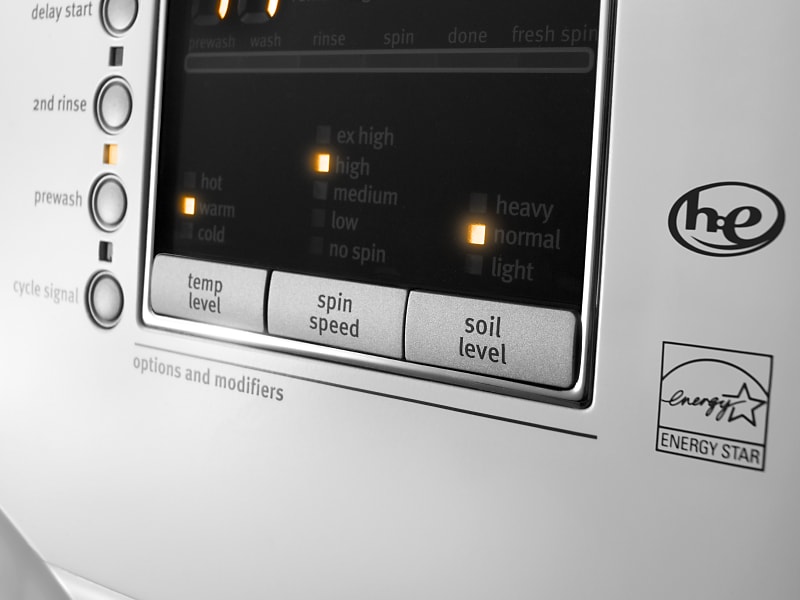
Manual soil level adjustment allows users to control the wash program soil according to their needs. This is useful when washing mixed loads or specific fabric types. You can select light, normal, or heavy soil settings depending on clothes dirt level.
Choosing the right soil setting influences water consumption, detergent dosage, and rinse efficiency. Higher soil settings increase water usage soil and detergent to remove tough stains. Lower settings save resources and reduce washing duration.
Soil level adjustment helps optimize energy efficiency by matching wash cycle soil intensity to the actual dirt. It also improves stain removal without over-washing. This prolongs the life of clothes and reduces fabric wear.
For example, when washing towels, you want a higher soil level to clean well. You can learn more on how to wash towels washing machine for best results.
How Soil Sensor Technology Works
Soil sensor technology uses dirt detection sensors inside the washer drum. These sensors measure the amount of dirt in the water during the cycle. They communicate with the washer’s control system to adjust the soil setting automatically.
This auto-soil sensing means the machine can lengthen or shorten the washing duration. It can also increase or decrease detergent use and water amount based on laundry load and soil level. This smart adjustment leads to better washing machine cleaning effectiveness.
Soil sensors also help avoid over-washing. When sensors detect less dirt, the machine reduces wash intensity and temperature to save energy and protect fabrics. This feature is common in high-end washers with advanced washing machine load sensing.
Soil sensor washing machine models contribute to water savings. You can check out how much water a washing machine uses and its link to soil settings in our article on how much water does the washing machine use.
Adjusting Soil Level for Optimal Results
To get the best results, you should adjust the soil level based on the dirtiness of your laundry. Heavy soil washing requires a higher soil level setting to remove tough stains. For lightly worn clothes, use a low soil setting to save resources.
Here are simple steps to adjust soil level:
📌 Step-by-Step Guide:
- Sort clothes by soil level and fabric type.
- Load the washing machine, avoiding overfilling.
- Select the wash program that suits the fabrics.
- Set the soil level: Light, Normal, or Heavy.
- Add detergent according to soil setting and load size.
- Start the washing cycle and let the machine adjust if it has soil sensors.
Remember, using the right detergent dosage and wash temperature is key. High soil settings usually need more detergent and warmer water for effective stain removal. Lower soil settings work well with less detergent and cooler water.
Proper soil level adjustment also impacts the spin cycle and rinse efficiency. Heavy soil may need extra rinse cycles to remove detergent fully. This ensures clean, fresh clothes without residue.
Soil Levels and Washing Machine Cycle Options
Most washing machines offer multiple soil level options. These often include:
- ✅ Light soil: For lightly worn or delicate clothes.
- ✅ Normal soil: For everyday laundry.
- ✅ Heavy soil: For very dirty or stained items.
Some machines also have extra cycles like pre-wash or stain removal programs. These work alongside soil settings to boost cleaning power. Using the right combination helps maximize washing machine fabric care and cleaning effectiveness.

Below is a comparison table showing how soil level affects wash cycle features:
| Soil Level | Wash Time | Water Usage | Detergent Amount | Wash Intensity |
|---|---|---|---|---|
| Light | Short | Low | Low | Gentle |
| Normal | Medium | Medium | Medium | Standard |
| Heavy | Long | High | High | Strong |
Using the right soil setting ensures clothes are cleaned well without wasting resources. It also helps reduce wear and tear on fabrics.
For further tips on washing machine settings, you can explore the guide on soil level washing machine.
Soil Levels Impact on Water and Energy Use
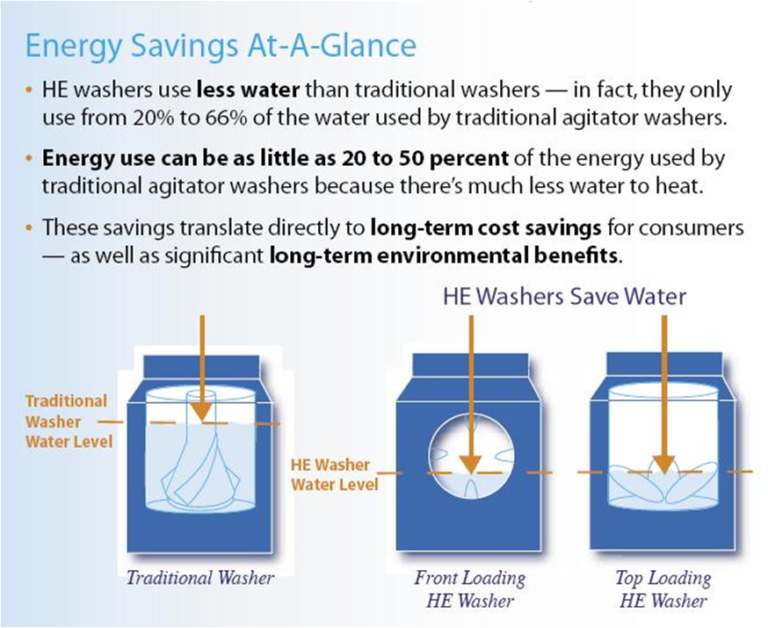
Soil level settings directly affect water consumption and energy efficiency. Heavy soil levels require more water to rinse dirt and detergent. They also need longer heating times for warm or hot water.
Modern washers with soil detection washing machine systems can balance cleaning power with resource use. They reduce water and energy use for lightly soiled clothes. This makes laundry more eco-friendly and cost-effective.
Here is a simple pros and cons table of soil level adjustment:
| Pros | Cons |
|---|---|
| Better stain removal | Higher soil settings use more resources |
| Protects fabric with proper settings | Wrong soil level may under-clean or damage clothes |
| Improves energy efficiency with sensors | Manual settings require user knowledge |
Using the right soil setting is a key part of smart laundry habits. It helps conserve water and energy while keeping clothes fresh and clean.
Conclusion
Soil level on a washing machine means the dirt or stain amount on clothes. It guides the machine on wash cycle soil, detergent use, water consumption, and wash intensity. Proper soil setting saves resources and protects fabrics.
Advanced soil sensor technology in modern washers enables auto-soil sensing. This feature adjusts the cycle for the best cleaning and efficiency. Manual soil level adjustment remains important for choosing the right washing machine program soil for your laundry load.
Understanding soil levels helps you make better laundry choices. It improves stain removal and fabric care while reducing waste. For more detailed tips, check our guide on soil level washing machine.
By using soil settings well, you balance cleaning power and energy efficiency. This leads to cleaner clothes and a greener home.
Frequently Asked Questions
What is soil level on a washing machine?
Soil level is a setting on washing machines that tells the machine how dirty the clothes are. It adjusts the wash time, water, and detergent needed.
How does soil level affect wash cycles?
Higher soil levels cause longer wash cycles with more water and detergent. Lower soil settings use less time and resources.
Do all washing machines have soil sensors?
No, not all machines have soil sensors. Many modern washers have sensors that detect dirt to adjust the cycle automatically.
Can I change soil level manually?
Yes. Most washers let you select soil level manually such as light, normal, or heavy soil before starting the wash.
Why is soil level important for fabric care?
Choosing the right soil level helps protect fabrics by avoiding too harsh washing or using too much detergent which can damage clothes.

Michael Peterson is a home appliance writer focused on practical washing machine care, maintenance, and troubleshooting. He shares simple, reliable tips to help readers keep their washing machines running efficiently, avoid common problems, and extend appliance life.