Understanding Washing Machine Spin Cycle Duration
The spin cycle is a key phase in washing machines. It removes water by spinning clothes at high speeds. The duration of this cycle varies by model and settings. Most washing machines have spin times between 5 to 15 minutes, often called the average spin cycle time.
Spin cycle length depends on laundry load size and fabric type. Heavier loads or thick fabrics need longer spins to extract water well. For delicate clothes, shorter spins are better to avoid damage. Understanding this helps choose the right spin cycle for your laundry.
For more on how to load your washer efficiently, see tips on how full should a washing machine be. This affects spin cycle performance and duration.
Spin Speed Settings and Their Effects
Spin speed is measured in RPM (revolutions per minute). Higher RPM means faster spinning and better water extraction. Most machines let you choose spin speed settings from about 400 RPM to 1400 RPM in 2026 models.
Higher speeds reduce drying time but increase noise and vibration. They can also stress fabrics, causing wear or damage over time. Lower speeds protect delicate clothes but leave them wetter. Knowing how to adjust spin cycle speed is key to balance drying efficiency and garment care.
Modern washers often include sensor technology that adjusts spin speed based on the load. This helps optimize energy consumption washing machine users expect today.
Front Load vs Top Load Spin Time
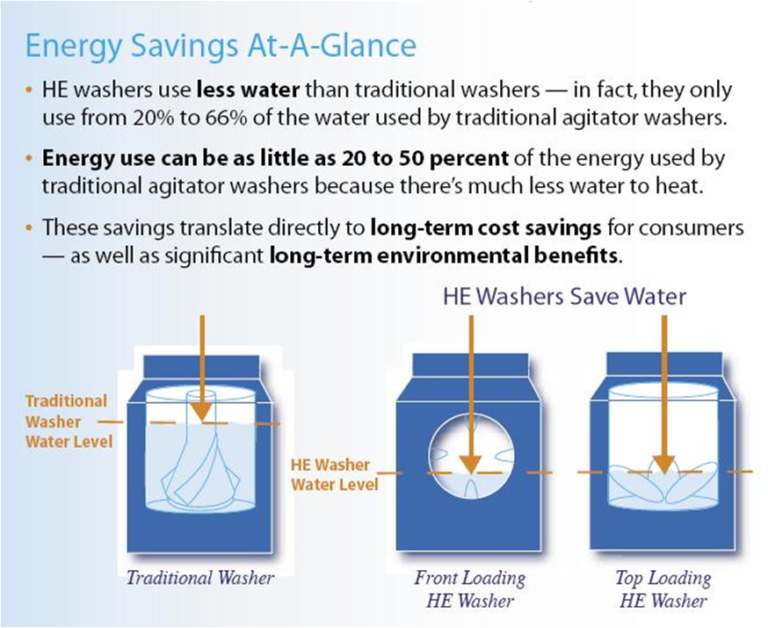
Front-loading washers usually have longer spin cycles with higher RPM. This leads to better water extraction and shorter drying time. Top loaders tend to spin slower and may have shorter spin cycles.
The difference affects washing machine drying efficiency. Front loaders save energy by removing more water before drying. Top loaders may need longer drying times or higher heat settings.
Below is a comparison table showing typical spin cycle durations and speeds for both types.
| Washer Type | Average Spin Time | Spin Speed (RPM) | Water Extraction |
|---|---|---|---|
| Front Load | 10-15 minutes | 800-1400 | High |
| Top Load | 5-10 minutes | 400-800 | Moderate |
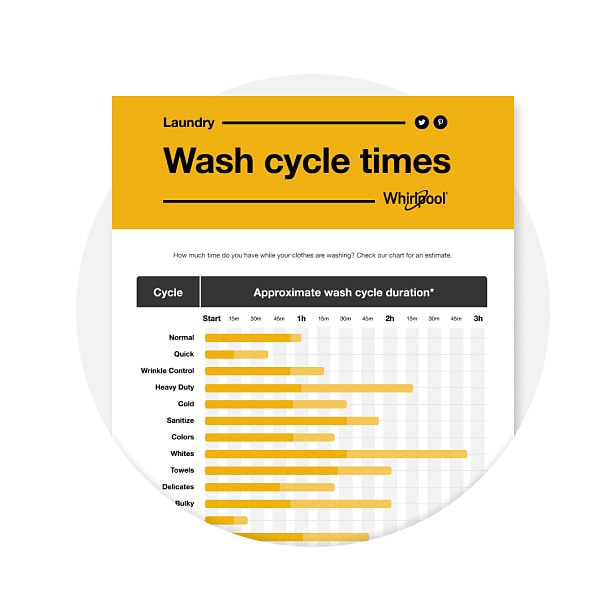
For a deeper understanding of washing machine cycle times, analyzing resources on washing machine wash durations provides excellent foundational context.
Washing Machine Cycle Phases
A typical washing cycle has several phases: wash, rinse, and spin. The rinse cycle usually follows washing and helps remove detergent. The spin cycle comes last to extract water.
Each phase has its own duration, controlled by the washing machine control panel options. Some machines allow users to skip or shorten rinse or spin cycles for quick washes.
Short wash spin cycle options are popular for light laundry loads or lightly soiled clothes. Long spin cycle disadvantages include more energy use and possible clothes damage.
How to Adjust Spin Cycle Duration and Speed
Most modern washers let users adjust spin cycle settings. The control panel options include spin speed and sometimes spin cycle duration. Reading the washing machine user manual spin time instructions helps you find these settings.

Adjusting spin time can improve energy efficiency and protect clothes. For example, lower spin speed for wool or silk, and higher speed for towels or jeans.
If your machine lacks manual spin control, you can often choose different wash programs with preset spin times. Understanding these presets helps manage laundry better.
Spin Cycle Impact on Energy and Clothes
Long and fast spin cycles save drying time, reducing overall energy consumption. However, they consume more electricity during the spin itself. Choosing the optimal spin cycle time balances these factors.
High spin speeds can increase spin cycle noise level and vibration. This may cause annoyance or require machine balancing.
Clothes damage spin cycle risk grows with longer, faster spins. Fragile fabrics may tear or stretch. It’s best to select gentler spin settings for delicate laundry.
Proper water extraction reduces drying time, saving energy in electric dryers. Front-loading washers lead here with better extraction.

Spin Cycle Troubleshooting Tips
Sometimes the spin cycle may not work properly. Common issues include no spin, uneven spin, or excessive noise. Troubleshooting can involve checking load size, balancing the machine, or cleaning filters.
If the washer won’t spin, resetting it or checking the motor may help. For specific guidance, see detailed help on fixing a washing machine that won’t spin.
Regular maintenance and following user manual spin time guidance prevent many spin cycle problems.
| Issue | Possible Cause | Solution |
|---|---|---|
| No Spin | Unbalanced load or motor fault | Redistribute clothes; check motor |
| Excess Noise | Loose parts or high spin speed | Inspect parts; reduce speed |
| Long Spin Time | Sensor error or heavy load | Reset machine; reduce load size |
Final Thoughts on Spin Cycle Duration
Choosing the right spin cycle time and speed is vital for clean, dry clothes and energy savings. Front-loading washers offer better water extraction with longer spins. Top loaders are faster but less efficient.
Adjust spin settings based on fabric type and load size. Avoid very long spins to protect clothes and reduce noise. Following your washing machine user manual spin time guidance ensures the best results.
If you want to learn more about washing towels and how they react to spin cycles, check out advice on how do you wash towels in the washing machine.
| Tip | Benefit |
|---|---|
| Use correct spin speed | Protects clothes and saves energy |
| Do not overload washer | Improves spin efficiency and cycle time |
| Choose suitable wash program | Balances cleaning and drying needs |
In 2026, washing machines have smart features to help users optimize spin cycles automatically. Staying informed and using control panel options wisely helps get the best laundry care and energy use.
🚀 Beginner Tip: Always check your washer’s manual for spin cycle options before starting a load. This saves energy and extends your clothes’ life.
Frequently Asked Questions
What is the average spin cycle time on a washing machine?
The average spin cycle time usually ranges between 5 to 15 minutes, depending on the load size and washer type.
How does spin speed affect clothes?
Higher spin speeds remove more water but may cause more wear to delicate fabrics. Lower speeds are gentler but leave clothes wetter.
Can I adjust the spin cycle duration on my washing machine?
Many modern machines allow users to adjust spin cycle duration and speed via control panel options or user manuals.
Is there a difference in spin time between front-loading and top-loading washers?
Yes, front-loading washers tend to have longer spin cycles with higher RPMs, improving water extraction and drying efficiency.
What are the disadvantages of long spin cycles?
Long spin cycles can increase energy use, cause more noise and vibration, and may damage delicate clothes.

Michael Peterson is a home appliance writer focused on practical washing machine care, maintenance, and troubleshooting. He shares simple, reliable tips to help readers keep their washing machines running efficiently, avoid common problems, and extend appliance life.