Bleach Washing Machine Instructions
Using bleach in laundry helps whiten clothes and remove tough stains. But you must use it carefully to protect your fabrics. Most washing machines now come with a bleach dispenser compartment. This part releases bleach at the right time in the wash cycle to avoid damage.
Start by reading your washing machine’s manual for special bleach cycle washing machine settings. Fill the bleach dispenser with the right amount of liquid bleach. Avoid pouring bleach directly on clothes, as this can cause spots and weaken fibers.
For a deeper understanding of this mechanic, analyzing resources on how to use bleach in washing machine provides excellent foundational context.
If you want to learn more about washing specific items, such as rug pads, check out our detailed guide on how to wash rug pads washing machine.
Safe Bleach Usage Washing Machines
Safety is key when using bleach in your washing machine. Always use liquid chlorine bleach made for laundry. Avoid mixing bleach with other chemicals or detergents to prevent harmful chemical reactions.
Use bleach only on white or color-safe fabrics. Always check clothing labels for bleach instructions. Some fabrics, like wool or silk, require special care or alternatives.
Never exceed the recommended bleach dosage for washing machines. Excess bleach can weaken fabric fibers and cause holes. Use the washing machine bleach compartment to prevent bleach from touching clothes directly.
Ensure your laundry area is well-ventilated when using bleach. This helps reduce inhaling fumes that can irritate your lungs and eyes.
Bleach Dispenser and Washer Settings
The bleach dispenser compartment in your washing machine holds liquid bleach safely. It releases bleach during the hot water cycle to maximize stain removal and disinfecting power. This timing avoids direct contact with clothes early in the wash.
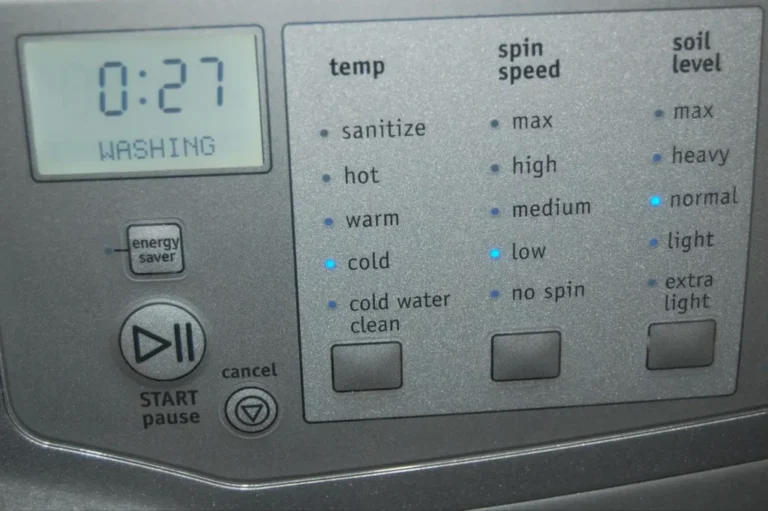
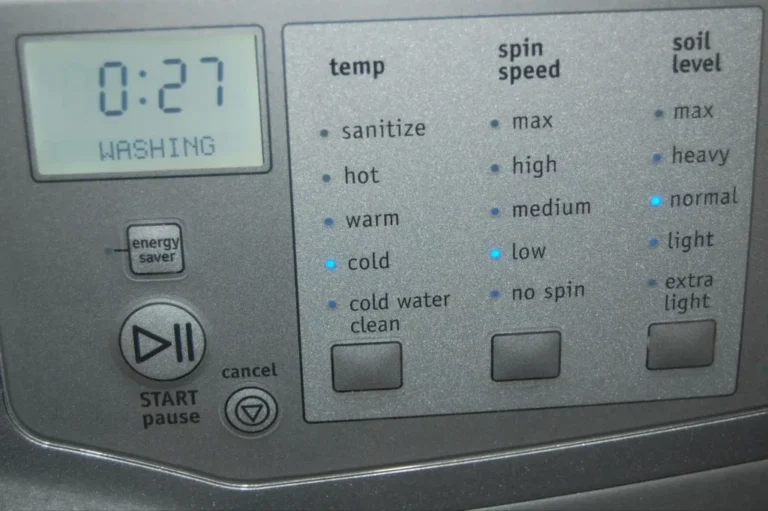
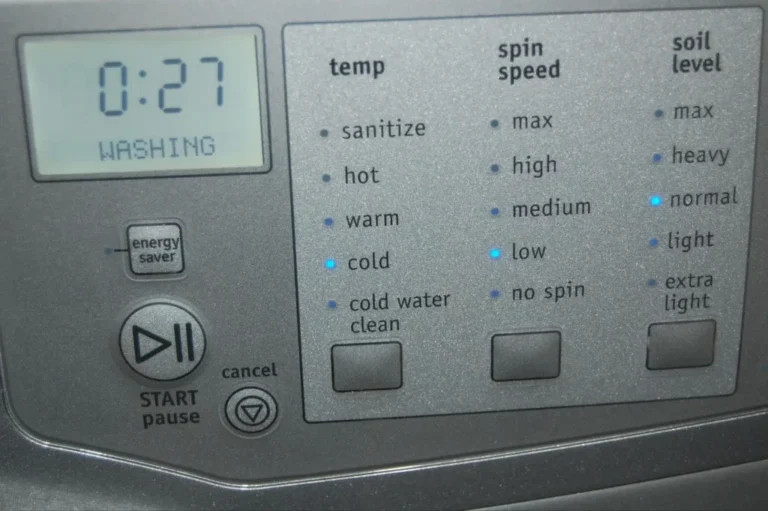
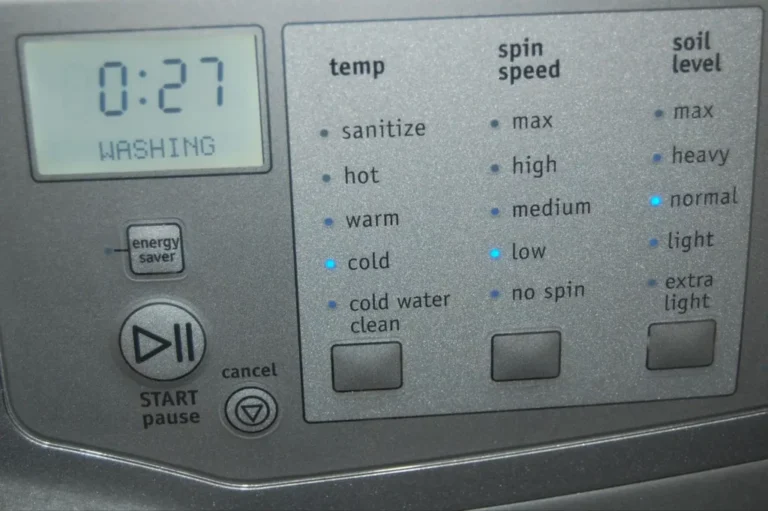
Many machines have a bleach cycle washing machine option. This cycle adjusts water temperature and timing to work best with bleach. Use the correct cycle type and washing temperature for your load size and fabric type.
Fabric softener should be added in its own dispenser, not mixed with bleach. This prevents chemical mixing and fabric damage. After the bleach cycle, the washing machine rinse cycle removes bleach residues to protect your clothes.
Bleach Dosage for Washing Machines
Correct bleach dosage is vital for safe and effective laundry. For a regular large load, use about 3/4 cup (180 ml) of liquid chlorine bleach. For smaller loads, reduce the amount accordingly.
Overusing bleach can cause fabric damage and increase environmental impact. Underusing bleach may not fully remove stains or disinfect fabrics. Follow the manufacturer’s guidelines on bleach packaging and your washing machine manual.

Always pour the bleach into the washing machine bleach compartment, never directly on clothes. This ensures even bleach distribution and avoids bleaching marks.
Below is a guide table for bleach amounts based on load size:
| Load Size | Bleach Amount |
|---|---|
| Small (1-3 kg) | 1/4 cup (60 ml) |
| Medium (3-5 kg) | 1/2 cup (120 ml) |
| Large (5-7 kg) | 3/4 cup (180 ml) |
| Extra Large (>7 kg) | 1 cup (240 ml) |
Whitening Clothes with Bleach
Bleach is a strong whitening agent. It works by breaking down stains and brightening fabric fibers. Use it on whites, like towels, sheets, and underwear, to keep them bright.
For colored clothes, use color-safe bleach alternatives. These are gentler and protect colors while still removing stains. Always test on a small area first.
Follow clothing labels and washing machine bleach washer settings to avoid fabric damage. Avoid using bleach on delicate fabrics like wool, silk, or spandex.
Bleach Washing Safety Precautions
Using bleach safely protects your clothes and health. Always wear gloves when handling bleach to avoid skin irritation. Keep bleach out of reach of children and pets.
Do not mix bleach with ammonia, vinegar, or other cleaners. This can create toxic gases. Use bleach in a well-ventilated area to avoid inhaling fumes.
Clean your washing machine regularly to remove bleach residues. This helps maintain your washing machine bleach compartment and prevents smells or buildup.
Check and clean the lint filter regularly to keep your washing machine working well with bleach cycles.
Bleach Alternatives for Laundry
If you want to avoid chlorine bleach, there are safer options. Oxygen-based or color-safe bleach products work well on most fabrics. They are less harsh and better for the environment.

Other natural alternatives include baking soda or white vinegar. These help brighten clothes and remove odors without harsh chemicals.
Using these alternatives often means washing at higher temperatures or repeating cycles for tough stains.
For more about eco-friendly cleaning, check our guide on how to clean your washing machine with vinegar at how to clean laundry machine with vinegar.
Laundry Bleach Environmental Impact
Chlorine bleach can harm the environment if overused. It breaks down into chemicals that may pollute water sources. Using the right bleach dosage helps reduce this impact.
Choosing oxygen-based bleach or natural cleaners lowers harm to aquatic life. Always dispose of bleach containers responsibly.
Reducing bleach usage frequency also helps protect the environment. Use bleach only when necessary, such as for disinfecting or tough stain removal.
Conclusion
Using bleach in your washing machine can make clothes whiter and cleaner. Always add bleach to the washing machine bleach compartment, not directly on clothes. Follow your machine’s bleach cycle settings and use the right bleach amount for your load size.
Check clothing labels to ensure fabric-safe bleach use. Use color-safe bleach for colors and avoid bleach on delicate fabrics. Practice safety precautions like wearing gloves and ventilating the laundry area.
Consider bleach alternatives to protect fabrics and the environment. Regular machine maintenance keeps your washer safe for bleach use.
For best results, learn more about bleach use and care at bleach in laundry guide.
Frequently Asked Questions
Can I use bleach with all types of washing machines?
Most modern washing machines have a bleach dispenser compartment. Always check your machine’s manual and use the dispenser to add bleach safely.
How much bleach should I add to my washing machine?
Use about 3/4 cup of liquid chlorine bleach for a regular large load. Avoid using too much to prevent fabric damage.
Is it safe to use bleach on colored clothes?
Regular chlorine bleach can damage colors. Use color-safe bleach alternatives for colored fabrics to avoid fading.
How often should I use bleach in my laundry?
Use bleach only when necessary for whitening, disinfecting, or removing tough stains. Frequent use may harm fabrics.
Can bleach damage delicate fabrics in the washing machine?
Yes, bleach can harm delicate fibers like wool or silk. Always check clothing labels and use fabric-safe bleach or alternatives on delicate items.

Keith Boyd Is A Seasoned Appliance Care Expert With Over A Decade Of Experience In Home Appliance Maintenance. His Authoritative Insights On Washing Machine Care And Upkeep Are Trusted By Homeowners Nationwide. With A Passion For Educating Others, Keith Shares Valuable Tips That Ensure Your Appliances Run Smoothly For Years To Come.